

Χώρες Χωρίς Συνθήκη Έκδοσης με τις ΗΠΑ το 2026 - Νομικές Επιπτώσεις και Κίνδυνοι
Για όσους εξετάζουν τη νομική τους θέση σε διάφορες δικαιοδοσίες, συνιστάται η αξιολόγηση τοποθεσιών που δεν διαθέτουν επίσημη συμφωνία με τις ΗΠΑ σχετικά με τη μεταφορά φυγόδικων. Επί του παρόντος, ένας σημαντικός αριθμός εθνών παγκοσμίως, συμπεριλαμβανομένων περιοχών στην Αφρική και τμημάτων του Καναδά, παρουσιάζουν ευκαιρίες για άτομα που επιδιώκουν να αποφύγουν τη δίωξη για εικαζόμενες παραβάσεις. Αυτή η αξιολόγηση πρέπει να βασίζεται στις συγκεκριμένες πολιτικές και διπλωματικές συνθήκες αυτών των περιοχών, καθώς παρουσιάζουν ποικίλους βαθμούς κινδύνου.
Τα φυγά άτομα πρέπει να γνωρίζουν καλά ότι ενώ η απουσία συνθήκης μπορεί να προσφέρει ένα προσωρινό καταφύγιο, τα υποκείμενα πρότυπα ανθρωπίνων δικαιωμάτων και οι συμφωνίες συνεργασίας μπορεί ακόμη να επιβάλλουν σοβαρές προκλήσεις. Οι νομικές συνέπειες της διαμονής σε τέτοια έθνη μπορεί να διαφέρουν, επηρεαζόμενες από αλλαγές στην τοπική διακυβέρνηση και τις διεθνείς σχέσεις. Αυτή η πολυπλοκότητα απαιτεί προσεκτική εξέταση των ατομικών κινδύνων με βάση τις προσωπικές συνθήκες και τη φύση της εγκληματικότητας που εμπλέκεται.
Επιπλέον, η περιφερειακή δυναμική, ιδιαίτερα στα αφρικανικά έθνη, μπορεί να αλλάξει δραματικά με τις μεταβαλλόμενες πολιτικές προτεραιότητες και τις διεθνείς συνεργασίες. Η κατανόηση των νομικών πλαισίων και των πιθανών επιπτώσεων της διαμονής σε αυτές τις δικαιοδοσίες είναι απαραίτητη για όποιον σκέφτεται μια ζωή στο εξωτερικό, μακριά από την εμβέλεια των αμερικανικών υπηρεσιών επιβολής του νόμου.
Εν κατακλείδι, ενώ η ύπαρξη χωρών που προσφέρουν άσυλο από την αμερικανική δικαιοσύνη μπορεί να είναι ελκυστική, πρέπει κανείς να σταθμίσει τους σχετικούς κινδύνους και να πλοηγηθεί στο συχνά περίπλοκο γεωπολιτικό τοπίο που μπορεί να επηρεάσει την προσωπική ασφάλεια και τη νομική υπόσταση.
Επισκόπηση Κρατών Εκτός Συνθήκης και το Νομικό τους Πλαίσιο το 2026
Για άτομα που εξετάζουν τη θέση τους σε δικαιοδοσίες που δεν έχουν συμφωνίες με τις ΗΠΑ, είναι ζωτικής σημασίας να αναγνωρίσουν τα συγκεκριμένα κράτη, όπως η Συρία, το Ιράν και η Σομαλία. Αυτές οι περιοχές παρουσιάζουν μοναδικές προκλήσεις για Αμερικανούς πολίτες που αναζητούνται για διάφορα αδικήματα.
Η απουσία επίσημων συμφωνιών περιορίζει σημαντικά την αμοιβαία νομική συνδρομή. Αυτός ο περιορισμός περιπλέκει τις αλληλεπιδράσεις με τις οντότητες επιβολής του νόμου όπως η Interpol, ειδικά όσον αφορά τις επαγγελματικές δραστηριότητες που μπορεί να εγείρουν υποψίες.
- Συρία: Οι ανησυχίες για την ασφάλεια και η συνεχιζόμενη σύγκρουση δημιουργούν ένα περιβάλλον που δεν υποστηρίζει τις διαδικασίες έκδοσης.
- Ιράν: Οι διπλωματικές εντάσεις περιορίζουν τη συνεργασία, δημιουργώντας κινδύνους για τους Αμερικανούς που εμπλέκονται σε δραστηριότητες που θεωρούνται παράνομες από την Τεχεράνη.
- Σομαλία: Η έλλειψη σταθερής διακυβέρνησης επηρεάζει την επιβολή των νόμων, συχνά προστατεύοντας τα άτομα από την έκδοση.
- Κολομβία: Ενώ υπάρχει συνεργασία, οι πολυπλοκότητες του τοπικού δικαίου μπορούν ακόμη να προστατεύσουν ορισμένα άτομα.
- Μεξικό: Υποθέσεις υψηλού προφίλ απεικονίζουν τις προκλήσεις που αντι��ετωπίζονται στην επίτευξη εκδόσεων λόγω νομικών παραθυράκια.
- Αυστραλία: Αν και μοιράζεται νομικούς δεσμούς με τις ΗΠΑ, ορισμένες αποχρωματισμένες παραβάσεις ενδέχεται να αντιμετωπίζονται διαφορετικά υπό τοπικούς νόμους.
Η εξοικείωση με το νομικό πλαίσιο είναι απαραίτητη για την κατανόηση του τρόπου με τον οποίο οι δραστηριότητες που πραγματοποιούνται σε αυτές τις περιοχές θα μπορούσαν να οδηγήσουν σε ποικίλους βαθμούς προστασίας για τους Αμερικανούς υπηκόους. Πολλοί μπορεί να υποθέσουν ότι η διαμονή εκτός της δικαιοδοσίας των ΗΠΑ εγγυάται την ασφάλεια, αλλά αυτό είναι παραπλανητικό. Οι κίνδυνοι εξαρτώνται από τις ατομικές συνθήκες και τη φύση των αδικημάτων.
Εν κατακλείδι, η εξέταση των δικαιωμάτων σε αυτά τα κράτη είναι επιτακτική. Δεδομένου ότι τα νομικά συστήματα διαφέρουν σημαντικά, τα άτομα πρέπει να αναζητήσουν αξιόπιστη καθοδήγηση για να πλοηγηθούν αποτελεσματικά στις συγκεκριμένες καταστάσεις τους.
Ποιες Χώρες Δεν Έχουν Συνθήκη Έκδοσης με τις ΗΠΑ το 2026
Το 2026, αρκετές δικαιοδοσίες διατηρούν ένα καθεστώς μη συνεργασίας σε ποινικά θέματα με τις ΗΠΑ, επηρεάζοντας σημαντικά την επιστροφή των κατηγορουμένων. Αυτά περιλαμβάνουν χώρες όπως το Σουδάν, η Ρωσία, η Κίνα και ορισμένα έθνη στην Ασία. Η προσέγγιση που υιοθετείται μπορεί να διαφέρει, επιτρέποντας την εξέταση μεμονωμένων περιπτώσεων κατά περίπτωση. Αυτό θα μπορούσε ενδεχομένως να διευκολύνει τις εγχώριες διαδικασίες για τους κατηγορουμένους.
Είναι σημαντικό για όσους επιθυμούν να αποφύγουν τη δίωξη να κατανοήσουν τόσο τα οφέλη όσο και τις συνέπειες της αναζήτησης καταφυγίου σε αυτές τις περιοχές. Ενώ η έλλειψη συμφωνιών μπορεί να σημαίνει χαμηλότερους κινδύνους έκδοσης, τα αποτελέσματα μπορεί να είναι ακόμη απρόβλεπτα με βάση τους τοπικούς νόμους και τη σχέση μεταξύ των κυβερνήσεων.
Η ιθαγένεια μπορεί επίσης να διαδραματίσει ρόλο, καθώς ορισμένα άτομα προσπαθούν να δημιουργήσουν διαμονή σε προορισμούς γνωστούς για περιορισμένη συνεργασία με τις αρχές των ΗΠΑ. Ωστόσο, οι κίνδυνοι που σχετίζονται με την εγκληματικότητα παραμένουν παρόντες, συχνά κλιμακώνοντας τις πολυπλοκότητες σχετικά με το νομικό καθεστώς και την προστασία.
Οι χώρες που δεν διαθέτουν τέτοιες συνθήκες μπορεί να προσφέρουν μια αίσθηση ασφάλειας αρχικά, αλλά οι εξελίξεις μπορούν να αλλάξουν γρήγορα με βάση τις διεθνείς σχέσεις και τα εγχώρια νομικά πλαίσια. Όσοι σκέφτονται τη μετεγκατάσταση θα πρέπει να διεξάγουν διεξοδική ανάλυση για να εκτιμήσουν τη σταθερότητα και τις νομικές επιπτώσεις κάθε τοποθεσίας.
Πώς Λειτουργεί η Έκδοση Χωρίς Συνθήκη: Μηχανισμοί και Περιορισμοί
Σε περιπτώσεις όπου λείπει μια συμφωνία, οι επίσημες διαδικασίες εξαρτώνται συχνά από την τοπική δικαιοδοσία και τα συγκεκριμένα νομικά πλαίσια των εμπλεκόμενων εθνών. Για παράδειγμα, η Ισπανία και η Γερμανία ενδέχεται να ανταποκριθούν σε αιτήματα για κράτηση ατόμων ακόμη και ελλείψει επικυρωμένων συμφωνιών, αν και αυτές οι ενέργειες υπόκεινται στους εσωτερικούς τους νόμους και πολιτικές.
Οι αρχές μπορούν να εξετάσουν τα ανθρωπιστικά και πολιτικά δικαιώματα κατά την αξιολόγηση των αιτημάτων. Αυτό μπορεί να οδηγήσει σε περιορισμένη συνεργασία, ιδιαίτερα σε περιπτώσεις που αφορούν υπηκόους από χώρες όπως η Γουινέα-Μπισάου ή το Βιετνάμ, όπου οι τοπικές νομικές προοπτικές ενδέχεται να αποκλίνουν σημαντικά.
Οι διαδικασίες συνήθως περιλαμβάνουν άμεση επικοινωνία μεταξύ των υπουργείων δικαιοσύνης. Όταν επιδιώκεται βοήθεια, είναι ζωτικής σημασίας να παρέχονται ολοκληρωμένα έγγραφα σχετικά με τα κατηγορούμενα εγκλήματα. Ωστόσο, οι απαντήσεις μπορεί να διαφέρουν. Κάθε κράτος μέλος διατηρεί τους όρους και τα πρότυπά του, που συχνά επηρεάζονται από τις προηγούμενες εμπειρίες του με παρόμοιες υποθέσεις.
Υπό το φως αυτών των παραγόντων, συνιστάται να αξιολογηθεί διεξοδικά το νομικό τοπίο και να σχεδιαστεί ανάλογα. Η κατανόηση των περιορισμών που είναι εγγενείς σε αυτές τις άτυπες διαδικασίες είναι ζωτικής σημασίας, καθώς μπορεί να επηρεάσουν την πιθανότητα επιτυχών αποτελεσμάτων. Η ενδελεχής γνώση της στάσης κάθε δικαιοδοσίας μπορεί να βοηθήσει στη διαμόρφωση ενός αποτελεσματικού σχεδίου για τη διεθνή νομική συνεργασία.
Εθελοντική Συνεργασία και Εναλλακτικές Λύσεις στην Έκδοση Βάσει Συνθήκης
Η συμμετοχή σε ad hoc ρυθμίσεις μπορεί να χρησιμεύσει ως μια βιώσιμη μέθοδος για την αντιμετώπιση υποθέσεων που αφορούν φυγάδες σε δικαιοδοσίες όπου απουσιάζουν επίσημες συμφωνίες. Οι αρχές σε περιοχές όπως η Ζιμπάμπουε και τα Ηνωμένα Αραβικά Εμιράτα ενδέχεται να ξεκινήσουν συνεργατικές ενέργειες σε συγκεκριμένες περιπτώσεις, οδηγώντας στην πιθανή μετεγκατάσταση ατόμων που εμπλέκονται σε σοβαρά αδικήματα.
Αυτές οι ρυθμίσεις συχνά εξαρτώνται από την προθυμία των εμπλεκόμενων μερών να εξετάσουν αιτήματα αποδεικτικών στοιχείων, επιτρέποντας μια αξιολόγηση κατά περίπτωση που μπορεί να οδηγήσει στην εθελοντική επιστροφή ατόμων. Τέτοιες διαδικασίες, ενώ είναι επωφελείς, μπορεί να απαγορεύουν τις επίσημες προστασίες που συνήθως σχετίζονται με πλαίσια συνθηκών.
Οι εκτιμήσεις για συνεργασία περιλαμβάνουν τους κρυφούς κινδύνους των παρατεταμένων διαπραγματεύσεων, καθιστώντας επιτακτική ανάγκη για όσους επιδιώκουν βοήθεια να κατανοήσουν τις επιπτώσεις που περιβάλλουν τη μετεγκατάστασή τους. Η δυνατότητα λήψης ασύλου μπορεί να περιπλέξει περαιτέρω τα πράγματα, ιδιαίτερα εάν τα υποκείμενα κίνητρα περιλαμβάνουν επενδύσεις ή οικονομικές ευκαιρίες σε συμμετέχοντα έθνη.
| Βασικοί Παράγοντες | Περιγραφή |
|---|---|
| Εθελοντική Συνεργασία | Ρυθμίσεις για συγκεκριμένες περιπτώσεις για τη διευκόλυνση της επιστροφής φυγόδικων. |
| Πρότυπα Αποδεικτικών Στοιχείων | Οι απαιτήσεις για τεκμηρίωση διαφέρουν μεταξύ των δικαιοδοσιών. |
| Κίνητρα Μετεγκατάστασης | Η οικονομική επένδυση και οι αιτήσεις ασύλου ενδέχεται να ληφθούν υπόψη στις αποφάσεις. |
| Κρυφοί Κίνδυνοι | Οι παρατεταμένες διαπραγματεύσεις μπορούν να οδηγήσουν σε νομικές ασάφειες και ευπάθειες. |
Οι πρακτικές γύρω από αυτές τις άτυπες ρυθμίσεις είναι ποικίλες και κάθε κατάσταση απαιτεί προσεκτική εξέταση των κινήτρων και των πιθανών συνεπειών που αντιμετωπίζουν όλα τα εμπλεκόμενα μέρη. Η συνεργασία με τοπικούς νομικούς εμπειρογνώμονες και αρχές στην Ασία και την Αφρική είναι απαραίτητη για τον μετριασμό των κινδύνων που σχετίζονται με την έλλειψη επίσημων μέτρων έκδοσης.
Πρακτικοί Κίνδυνοι για Άτομα, Εταιρείες και Έρευνες
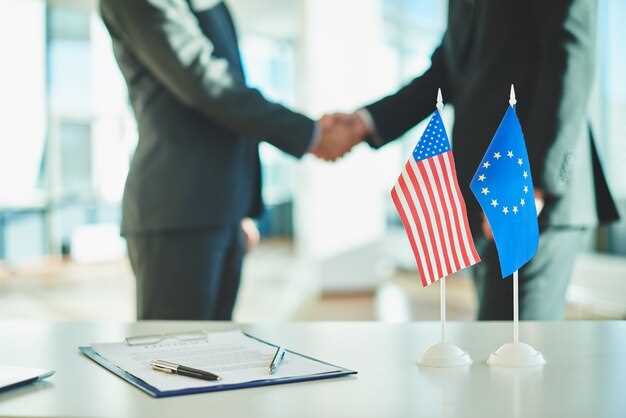
Άτομα που αναζητούν καταφύγιο σε δικαιοδοσίες όπως η Ελβετία ή η Γουινέα-Μπισάου, όπου τα νομικά πλαίσια ενδέχεται να μην διαθέτουν τα απαραίτητα μέτρα ασφαλείας για συνεργασία, ενδέχεται να αντιμετωπίσουν σοβαρές προκλήσεις. Αυτές οι περιοχές είναι συχνά ελκυστικές για τους φυγάδες, αλλά η απουσία εξουσιοδοτημένων νομικών συμφωνιών μπορεί να οδηγήσει σε ανεπαρκείς προστασίες έναντι πιθανής δίωξης για σοβαρά αδικήματα, συμπεριλαμβανομένης της τρομοκρατίας.
Οι εταιρείες πρέπει να αξιολογήσουν τους κινδύνους που σχετίζονται με την άσκηση επιχειρηματικής δραστηριότητας σε αυτές τις περιοχές. Χωρίς επίσημη σχέση με τις αρχές των ΗΠΑ, οι έρευνες για οικονομικά παραπτώματα μπορεί να οδηγήσουν σε επιπλοκές. Η συνεργασία με τοπικό δικηγόρο είναι απαραίτητη για την πλοήγηση σε αυτές τις πολυπλοκότητες και τη διασφάλιση της συμμόρφωσης με τους διεθνείς κανονισμούς.
Η ασφάλεια κατά τη διάρκεια του ταξιδιού είναι υψίστης σημασίας. Τα αεροδρόμια που βρίσκονται σε περιοχές με απουσία συνεργατικών πλαισίων ενδέχεται να μην εγγυώνται την ασφάλεια ατόμων με εκκρεμείς κατηγορίες. Αυτό κινδυνεύει με φυλάκιση ή απέλαση, υπον��μεύοντας την ιδιότητά τους εάν υπάρχουν προηγούμενοι ισχυρισμοί που απαιτούν προσοχή. Η νομική εκπροσώπηση θα πρέπει πάντα να κανονίζεται πριν από το ταξίδι για να ελαχιστοποιηθούν οι πιθανές συνέπειες από απροσδόκητες κρατήσεις.
Για τις έρευνες, η έλλειψη συνεργασίας με τις κυβερνήσεις σε συγκεκριμένες τοποθεσίες παρουσιάζει εμπόδια. Τα σημαντικά αποτελέσματα ενδέχεται να καθυστερήσουν ή να ματαιωθούν, ειδικά όταν υπάρχουν κρίσιμα αποδεικτικά στοιχεία στο εξωτερικό. Η ύπαρξη νομικού συμβούλου με εμπειρία σε διεθνή θέματα είναι σκόπιμη για την επινόηση στρατηγικών που λαμβάνουν υπόψη το πολιτικό κλίμα μέρη όπως η Συρία ή η Σαουδική Αραβία.
Ως προφύλαξη, άτομα και οντότητες πρέπει να καλλιεργήσουν μια ισχυρή κατανόηση των κινδύνων που σχετίζονται με συγκεκριμένες δικαιοδοσίες. Αυτό περιλαμβάνει τη γνώση της καταγεγραμμένης νομοθεσίας τους και τον τρόπο με τον οποίο τα μεταβαλλόμενα πολιτικά κλίματα μπορούν να επηρεάσουν τη νομική τους υπόσταση. Η αποτελεσματική διαχείριση κινδύνων απαιτεί τακτικές αξιολογήσεις της πολιτικής σταθερότητας και των νομικών πλαισίων στις χώρες στόχους.
Στρατηγικές για τη Μείωση της Έκθεσης: Δέουσα Επιμέλεια, Τεκμηρίωση και Νομική Συμβουλή

Διεξαγάγετε ενδελεχή δέουσα επιμέλεια σχετικά με τους τοπικούς κανονισμούς και το νομικό τοπίο σε δικαιοδοσίες όπως τα εμιράτα και το Σουδάν. Η κατανόηση των τοπικών πρακτικών επιβολής του νόμου μπορεί να βοηθήσει στον εντοπισμό πιθανών τρωτών σημείων στις δραστηριότητές σας.
Διατηρήστε σχολαστική τεκμηρίωση όλων των συναλλαγών και επικοινωνιών. Αυτό χρησιμεύει όχι μόνο ως εσωτερικό αρχείο, αλλά και ως αποδεικτικό στοιχείο συμμόρφωσης σε περίπτωση ελέγχου. Βεβαιωθείτε ότι όλα τα συμβόλαια είναι νομικά δεσμευτικά και αντικατοπτρίζουν σαφώς τις προθέσεις σας.
Συνεργαστείτε με έμπειρους νομικούς συμβούλους που γνωρίζουν τις πολυπλοκότητες των τοπικών νόμων. Η τεχνογνωσία τους μπορεί να σας καθοδηγήσει στην ανάπτυξη μιας ισχυρής αμυντικής στρατηγικής σε περίπτωση που αντιμετωπίσετε κατηγορίες. Μπορούν να σας συμβουλεύσουν σχετικά με την εξασφάλιση των απαραίτητων θεωρήσεων και την κατανόηση των τοπικών δικαιωμάτων.
Εξετάστε το ενδεχόμενο χρήσης πολλαπλών καναλιών για τη διαχείριση της έκθεσης σε κινδύνους. Αυτό περιλαμβάνει τη διαφοροποίηση των δραστηριοτήτων σε διαφορετικές δικαιοδοσίες και την επίγνωση του τρόπου με τον οποίο οι πολιτικές αλλαγές μπορεί να επηρεάσουν τις επιλογές σας. Η ύπαρξη ενός σχεδίου σε ισχύ για διάφορα σενάρια μπορεί να προσφέρει πρόσθετη ασφάλεια.
Εάν βρεθείτε αντιμέτωποι με μια αδικαιολόγητη παράβαση, η έγκαιρη ειδοποίηση των δικαιωμάτων σας είναι ζωτικής σημασίας. Η συνεργασία με την Interpol, εάν απαιτείται, πρέπει να προσεγγιστεί με προσοχή. Βεβαιωθείτε ότι όλα τα μέτρα που λαμβάνονται είναι νομικά ορθά για να αποφευχθούν αξιώσεις απάνθρωπων πρακτικών.
Αξιολογείτε τακτικά την αποτελεσματικότητα των στρατηγικών σας. Συνεργαστείτε με νομικούς επαγγελματίες για να επαναξιολογήσετε τις υποχρεώσεις που έχετε βάσει της τοπικής νομοθεσίας και βεβαιωθείτε ότι οι δραστηριότητές σας ευθυγραμμίζονται τόσο με τους τοπικούς όσο και με τους διεθνείς κανόνες.
Τελικά, η ανάπτυξη μιας ενδελεχούς κατανόησης του περιβάλλοντος στο οποίο δραστηριοποιήστε μπορεί να βοηθήσει στον αποτελεσματικό μετριασμό των κινδύνων. Να έχετε πάντα εφεδρικά σχέδια για να αντιμετωπίσετε πιθανές νομικές προκλήσεις, διασφαλίζοντας ότι η προσέγγισή σας είναι προληπτική και όχι αντιδραστική.
Έτοιμοι να ιδρύσετε την εταιρεία σας στην Κύπρο;
Οι ειδικοί μας σας καθοδηγούν σε όλη τη διαδικασία — εγγραφή, φορολογική ρύθμιση και άνοιγμα τραπεζικού λογαριασμού.
Ζητήστε συμβουλευτική →