
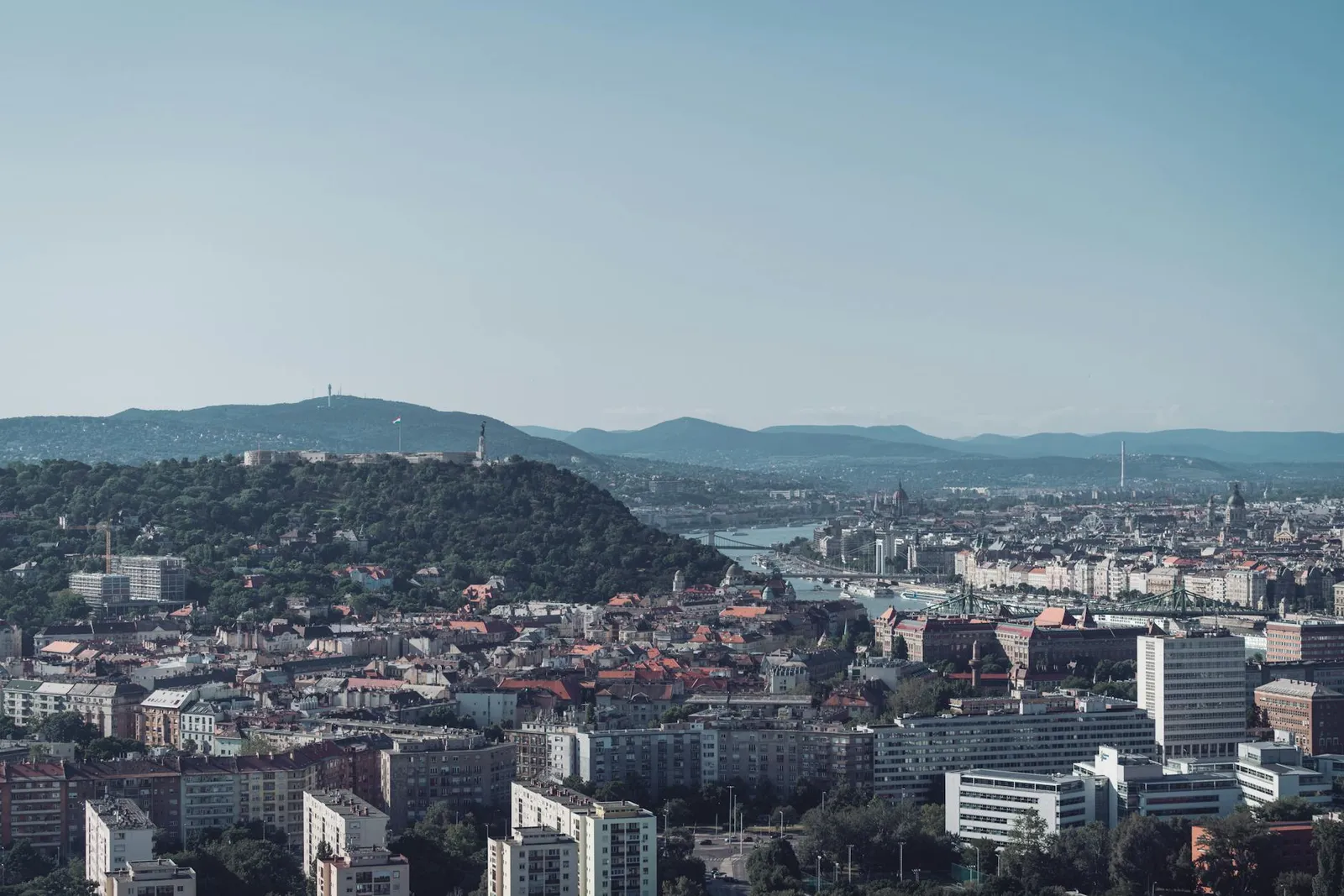
Откройте для себя Венгрию - Путеводитель по богатой истории, культуре и обязательным к посещению местам
Венгрия – это земля, где древняя история встречается с яркой культурой, предлагая посетителям уникальное сочетание впечатлений. Эта страна, известная своей имперской архитектурой и богатыми традициями, остается краеугольным камнем европейской культуры с момента своего основания. От шумных улиц Будапешта до очаровательных маленьких городков, таких как Печ, каждое место рассказывает свою собственную историю, отражая суть того, что значит жить в Венгрии. Блуждая ли вы по местным рынкам, наслаждаясь свежими фруктами и традиционными блюдами или исследуя исторические места, вы обязательно найдете возможности, которые оставят неизгладимое впечатление.
Путешествие по Венгрии – это больше, чем просто посещение достопримечательностей; это взаимодействие с людьми и их обычаями. Местные общины, в том числе яркие цыганские культуры, стремятся поделиться своими традициями с вами. Исследуя страну, вы обнаружите, что вечера в Венгрии наполнены музыкой, танцами и праздниками, которые создают ощущение принадлежности как для местных жителей, так и для туристов. Расположение Венгрии на перекрестке Европы и ее отношения с соседними странами, такими как Словакия, сформировали ее политический ландшафт. Этот динамичный фон создает богатый гобелен, который обогащает впечатления от путешествия.
Тур по Венгрии не был бы полным без погружения в ее историю, которая переплетена с важными событиями и фигурами, определившими ее судьбу. Страна может похвастаться рядом исторических мест, которые дают представление о ее имперском прошлом и влиянии современной политики. Ключевые меры, принимаемые правительством, в том числе связанные со здравоохранением и безопасностью, обеспечивают безопасное и обогащающее опыт для всех посетителей. Вдоль главных автомагистралей и через очаровательные деревни путешествие раскрывает истинный костяк этой замечательной страны, делая ее увлекательным местом для любого путешественника, стремящегося исследовать Европу.
Знакомство с историческими достопримечательностями
Богатая история Венгрии – это сокровищница для туристов, стремящихся исследовать ее прошлое. Со времен Австро-Венгерской империи до сложностей политики XX века нация претерпела значительные преобразования. Трианонский договор, подписанный в 1920 году, ознаменовал огромную потерю для Венгрии, приведшую к изменению границ и перемещению сотен тысяч граждан. Это историческое событие до сих пор находит отклик и влияет на риторику, окружающую национальное самосознание и идентичность среди венгров и их соседей.
В северных районах, таких как Буда и Пешт, которые вместе составляют Будапешт, посетители могут совершить шаг назад во времени. Там они найдут множество архитектурных стилей, отражающих столетия иностранного влияния – от готических шпилей церкви Матьяша до элегантных зданий в стиле модерн. Такие города, как Эгер, также демонстрируют эту историю своими хорошо сохранившимися замками и богатыми историями сражений, которые велись против иностранных армий. Изучение этих исторических достопримечательностей позволяет туристам увидеть, как Венгрия сплетает воедино нити разных народов в свой уникальный гобелен.
С наступлением лета страна наполняется возможностями для исследований. Многие путешественники планируют поездки, которые включают посещение исторических мест, таких как Большая синагога на улице Дохань, крупнейшая в Европе, которую украинские и венгерские представители совместно работали над сохранением. Привнося юридический аспект в историческое понимание, посетители могут совершить экскурсии с гидом, которые объясняют культурное значение таких мест, наслаждаясь сладкими фруктовыми винами, разлитыми по бутылкам на местных виноградниках. Эти впечатления не только позволяют ощутить наследие страны, но и дают ощущение безопасности и связи с историей.
Путешествие по Венгрии может стать безопасным и полезным опытом, а поезда обеспечивают легкий доступ во все уголки республики. Для тех, кто хочет погрузиться в исторические аспекты, более длительное пребывание дает возможность выйти за рамки типичных туристических мест, открывая повествования, которые могут не быть включены в стандартные путеводители. Будь то страсть к средневековым сражениям или интерес к политическому климату, окружающему членство Венгрии в Европейском союзе, путешествие в прошлое Венгрии обещает что-то для каждого пытливого ума.
Ключевые события, сформировавшие прошлое Венгрии
История Венгрии отмечена серией преобразующих событий, которые определили не только ее национальную идентичность, но и отношения с соседними странами и мировыми державами. Одним из ключевых событий стало подписание Трианонского договора в 1920 году, которое привело к значительной потере территории и населения для Королевства Венгрия. Этот договор часто рассматривается многими венграми как унижение, и он привел к национальному пробуждению, направленному на восстановление былой славы страны.
Роль Имре Надя во время Революции 1956 года – еще один поворотный момент, который помог сформировать современную Венгрию. Будучи лидером-реформатором, Надь стремился создать более демократическое правительство и вывести Венгрию из сферы влияния Советского Союза. Его смелая позиция на короткое время объединила народ, но восстание было в конечном итоге подавлено советскими танками, что привело к возобновлению самодержавия, которое длилось десятилетиями.
В 1980-х годах Венгрия стала лидером в процессе перехода к социализму и демократии в Восточной Европе. Мирный переход к демократии в 1989 году часто приписывают постепенным реформам и движениям за гражданские права. Граждане объединились для защиты своих прав, что привело к формированию многопартийной системы и установлению парламентской демократии, которая оказалась на удивление эффективной в преобразовании нации.
Признание культурного наследия сыграло важную роль в глобальном присутствии Венгрии. Включение исторических мест в список Всемирного наследия ЮНЕСКО, таких как Раннехристианский некрополь Печа и Будапештский район Буда, подчеркивает важность сохранения прошлого для будущих поколений. Каждое место рассказывает историю о народах Венгрии и их ценностях на протяжении разных эпох.
В контексте высшего образования и культурного значения Венгрия является домом для известных институтов и успешных проф��ссионалов. Учителя, художники и рабочие из Венгрии внесли значительный вклад в различные области, часто делясь своими знаниями и навыками по всему миру. Это широкомасштабное влияние еще больше укрепило место Венгрии в международном дискурсе.
Уникальная география Венгрии с ее реками и озерами помогла сформировать как ее экономику, так и культуру. Распространение винодельческих регионов, в частности знаменитого Токая, также внесло вклад в самобытность Венгрии. Традиции винопития и фестивали стали главными достопримечательностями для туристов, предоставляя полный опыт тем, кто стремится понять местные обычаи и общественные ценности.
Правые политические изменения в начале XXI века привели к новой ситуации в Венгрии. Текущие мнения о союзе и интеграции с Европой вызвали дебаты относительно национальной идентичности на фоне преимуществ членства в более крупном образовании. Многие граждане верят в сохранение свободы, а также в установление сложных отношений с такими странами, как Россия, и Европейским союзом.
Поскольку Венгрия продолжает ориентироваться в сложных исторических контекстах и текущем политическом ландшафте, важно признать эти ключевые события, которые сформировали ее прошлое. Глубокое исследование ее богатой истории раскрывает не только проблемы, но и стойкость и дух, которые определяют Magyarország по сей день.
Обязательные к посещению исторические места в Будапеште
Будапешт, столица Венгрии, может похвастаться множеством исторических мест, рассказывающих историю его богатого прошлого. Одним из таких мест является Будайская крепость, величественная крепость, занимающая важное место в истории города со времен Австро-Венгерской империи. Посетители могут узнать о королевской истории, наслаждаясь панорамным видом на город. Возвышенность дает возможность взглянуть на берега Дуная и отличительную архитектуру, простирающуюся по обе стороны реки.
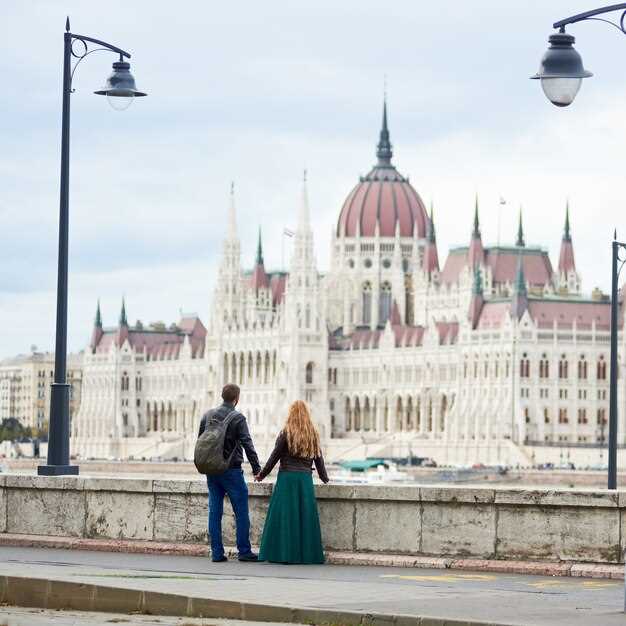
Здание венгерского парламента – еще одна достопримечательность. Это знаковое сооружение расположено недалеко от берегов Дуная и широко известно своим потрясающим неоготическим дизайном. В нем представлены регалии, отражающие культурное наследие Венгрии, и оно является исключением в мире парламентских зданий. Эк��курсии часто включают в себя ознакомление с историей законов и систем управления, которые сформировали нацию.
Для тех, кто хочет углубиться в более позднюю историю, Музей «Дом террора» расположен в здании, которое служило штаб-квартирой тайной полиции как в нацистском, так и в коммунистическом режимах. Он призван рассказать посетителям об репрессивных правительствах, которые оказали значительное влияние на жизнь венгров, подчеркивая цену свободы. Это жуткий, но необходимый опыт для понимания стойкости венгерского духа.
Посещение впечатляющего Цепного моста также имеет важное значение. Этот подвесной мост соединяет Буду и Пешт, и его строительство ознаменовало важный прогресс в инфраструктуре Будапешта в XIX веке. Прогуливаясь по мосту, можно представить развитие торговых и коммуникационных точек, которые помогли городу процветать благодаря полетам и дорогам.
Уезжая из центра города, стоит посетить деревню Сентендре, расположенную всего в нескольких милях от Будапешта. Город, известный своей яркой художественной сценой, является домом для многочисленных галерей и музеев, отражающих местную культуру. Историческое значение этого района и очаровательная атмосфера могут перенести посетителей в прошлое, отражая суть жизни во время Австро-Венгерской эпохи.
В Будапеште также находится множество термальных ванн, которые стали центральным элементом его культуры. Купальни Геллерт с их потрясающей архитектурой в стиле модерн позволяют посетителям расслабиться и насладиться целебными свойствами термальных вод. Эта практика, восходящая к римским временам, сохраняет традиции и интегрирует отдых в историческое повествование города.
Ни одна поездка в Будапешт не будет полной без дегустации знаменитых вин и местной кухни. В ресторанах подают блюда, в которых отдается предпочтение традиционным блюдам, часто в сочетании с изысканными венгерскими винами. Эти гастрономические впечатления добавляют дополнительный слой к истории города, демонстрируя сочетание вкусов, которые передавались из поколения в поколение, отражая разнообразные влияния, окружающие этот оживленный мегаполис.
Влияние Османского и Габсбургского правления
На историческое повествование Венгрии значительное влияние оказало как османское, так и габсбургское правление, которое оказало длительное воздействие на ее культуру и общество. Османская империя утвердилась в Венгрии в XVI веке, привнесся уникальное сочетание восточных и западных элементов. В этот период произошли значительные изменения в кулинарном ландшафте с появлением специй и кофе, которые в настоящее время являются неотъемлемой частью венгерской кухни. Кроме того, население пережило резкий сдвиг, поскольку многие коренные жители были перемещены или обращены в ислам. Ценности, связанные с торговлей и городским развитием, эволюционировали, особенно в таких городах, как Буда и Пешт, где начало формироваться смешение культур.
В отличие от этого, правление Габсбургов, последовавшее за упадком османов, сыграло решающую роль в формировании современной Венгрии. Это правление было установлено в ответ на необходимость стабильности после длительного периода конфликтов. Габсбурги продвигали западные ценности и модернизацию, выступая за экономический рост посредством индустриализации и иммиграционной политики, которая значительно отличалась от политики османов. С созданием железных дорог и систем связи перемещение людей стало проще. Эта инфраструктура облегчила взаимодействие между различными регионами, связав Венгрию с новыми рынками в Центральной и Западной Европе, особенно в течение 20-го века.
Более того, долгосрочные последствия этих двух империй все еще можно увидеть в Венгрии сегодня. Смешение культур включало вклад таких меньшинств, как цыгане, которые часто подвергаются ксенофобским настроениям, но являются неотъемлемой частью ткани Венгрии. Известные деятели, такие как Иштван Сечени, сыграли ключевую роль в продвижении национальной идентичности, одновременно ориентируясь в сложностях этих исторических связей. Продолжающиеся проблемы, с которыми сталкивается Венгрия, включая вопросы, связанные с иммиграцией и экономическим неравенством, иногда уходят корнями в эту бурную историю. Поскольку страна продолжает развиваться, понимание последствий как османского, так и габсбургского влияния дает ценную информацию о ее идентичности и будущем направлении.
Культурные мероприятия и традиции
Венгрия – это уникальное сочетание традиционных и современных культурных мероприятий, которые проистекают из ее богатой истории. На протяжении веков мадьяры выработали свой собственный, самобытный образ жизни, находящийся под влиянием соседних стран, таких как Словения, и более широкой европейской культуры. Еда – важнейший аспект венгерской культуры, а традиционные блюда, такие как гуляш и лангош, отражают суть местных вкусов.
Нельзя говорить о венгерской культуре, не упомянув важность фестивалей. В течение года на различных мероприятиях прославляется все, от местных продуктов питания до традиционных ремесел. Например, на фестивале в Кечкемете демонстрируются артистические таланты и кулинарные изыски региона, а знаменитый Будапештский весенний фестиваль привлекает посетителей из крупных городов и за их пределами.
- Ресторан Gundel – яркий пример кулинарного мастерства, известный своей печенью жареного гуся, которая стала национальным деликатесом.
- Термальные ванны, такие как ванны в Сечени, играют важную роль в повседневной жизни, предоставляя возможности для отдыха и общения.
- Венгерский католицизм в значительной степени формирует традиции страны, а яркие религиозные фестивали отмечают святых и важные события в христианском календаре.
Транспорт также отражает культуру, такси помогают ориентироваться на иногда переполненных дорогах. Эти такси – не просто средство передвижения, но и источник рассказов от опытных водителей, которые часто делятся информацией о местной жизни и обычаях. Этот тип неформального обмена облегчает культурную миграцию для туристов, предлагая личную связь с регионом.
На протяжении многих лет Венгрия поддерживала позитивные отношения со своими соседними странами, участвуя в различных союзах и альянсах, которые подчеркивают культурный обмен, приветствуя безвизовый туризм, позволяя нетерпеливым путешественникам исследовать свои сокровища без юридических препятствий.
Кулинарная сцена не ограничивается только традиционными блюдами; процветают также современные интерпретации, обеспечивая, чтобы молодое поколение ценило свое наследие даже в быстр�� меняющемся мире. Например, повара берут классические ингредиенты, такие как картофель, и переосмысливают их в современных условиях, уважая исторические рецепты, которые восходят к столетиям.
Таким образом, культурные мероприятия и традиции Венгрии переплетаются с ее историческим путем и современной жизнью. Наслаждаясь ли вы едой на знаменитом Hungaroring или участвуя в местных празднествах, теплота и глубина венгерской культуры непременно оставят у посетителей неизгладимые мысли и заветные воспоминания.
Готовы зарегистрировать компанию на Кипре?
Наши специалисты сопровождают вас на всех этапах — регистрация, налоговая настройка и открытие банковского счёта.
Запросить консультацию →