Explore Singapore - The Ultimate Guide to Attractions, Culture, and Travel Tips
Welcome to Singapore, a lively city-state that serves as a bridge between eastern and western cultures. Known for its multicultural society, it has become one of the largest hubs in Southeast Asia. Despite being a small country, Singapore's impact on global trade and maritime activities is significant, positioning it as an empire of economic prowess. The republic, which has a rich history intertwined with China and Malaysia, offers a plethora of experiences that cater to many different interests.
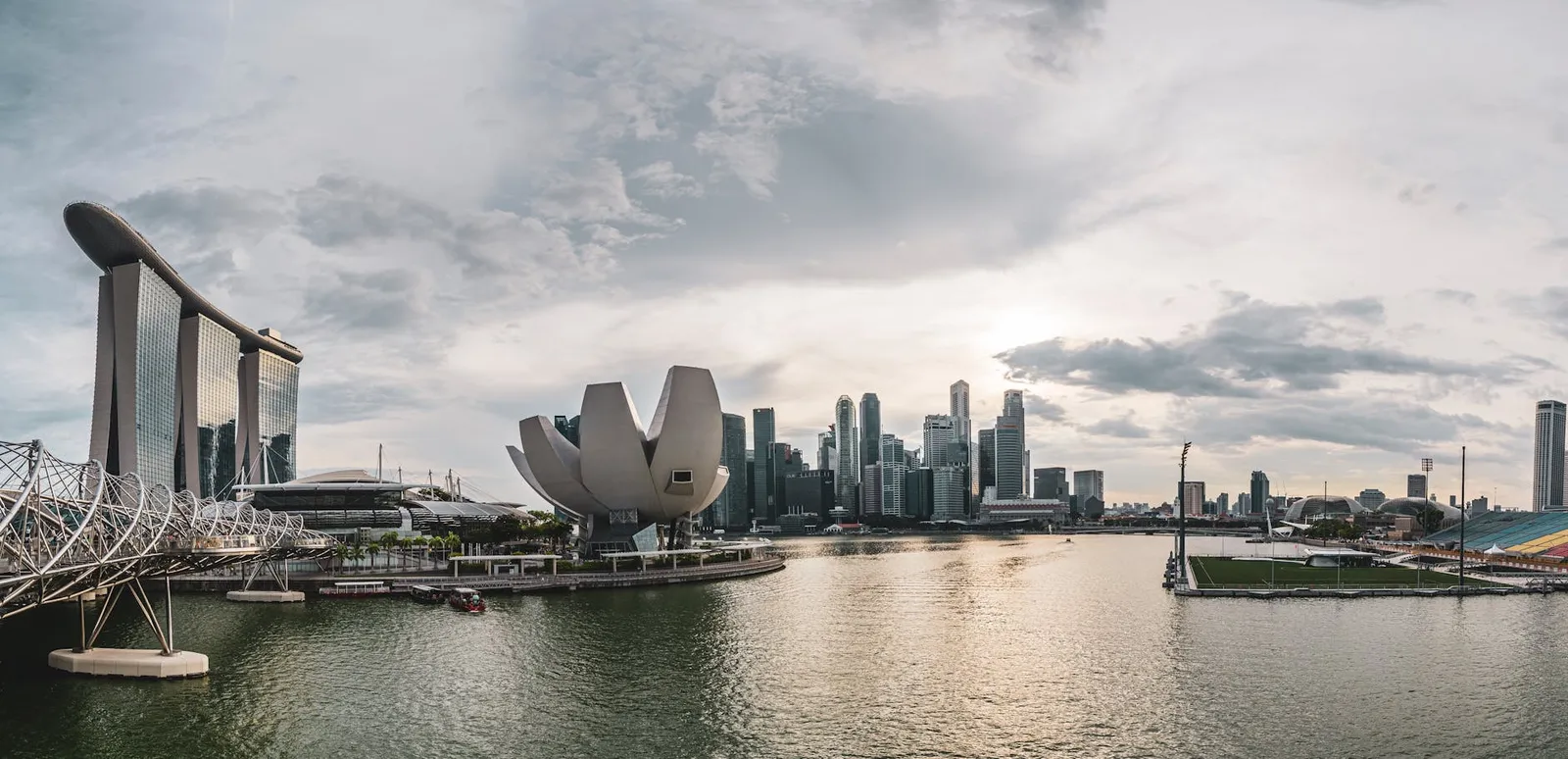
In this ultimate guide, we will explore the most important attractions, cultural landmarks, and travel tips that will help you navigate this bustling metropolis. From the enchanting streets of Chinatown to the modern marvels of Marina Bay, Singapore is a place where tradition meets innovation. With a common presence of various communities, each contributing to the country's unique mix, visitors can immerse themselves in the local customs and policies that govern daily life.
See also: Discover the Beauty of the Dominican Republic.
Being one of the most developed countries in the world, Singapore has achieved high standards in healthcare, education, and governance. Did you know that its official currency is the Singapore dollar? Offering a competitive exchange rate, it makes traveling through the city efficient, despite potential taxes on certain goods. Many national parks and areas of natural beauty dot the landscape, providing a respite from the urban environment, where locals and tourists alike can explore the breathtaking vegetation and wildlife.
See also: Discover the Beauty and Culture of Vanuatu.
See also: Discover the UAE.
In the following sections, we will explore deeper into the important attractions and experiences that make Singapore a must-visit destination, ensuring you have some helpful tips throughout your journey. From quizzes to test your knowledge of local legends to insights on public transportation, this guide will serve as your companion in discovering all that this incredible city has to offer.
Population Insights
Singapore, a bustling city-state, has a diverse population that epitomizes the nation's rich cultural heritage. This multicultural hub is home to various ethnic groups, including Chinese, Malay, Indian, and others, who collectively contribute to the unique identity of the country. The blending of these cultures can be traced back to Singapore's historical ties with its neighbors, such as Malaysia and Indonesia, as well as its colonial past under British rule.
As of recent years, the population of Singapore has been steadily increasing, driven in part by immigration policies that attract skilled workers from around the globe. Many individuals are drawn to this city due to the promising job opportunities offered by multinational companies and the government's continuous plan to strengthen the economy. The net migration is a result of strategic policies that aim to maintain a balance in the demographics and ensure sustainability in various sectors.
The most prominent ethnic group in Singapore is the Chinese, who make up about 76% of the population. Other communities, such as the Malays and Indians, comprise approximately 15% and 7%, respectively. This demographic composition speaks volumes about the history of the region, as Singapore, once known as Temasek, has always played a crucial role as a trading port for the surrounding nations and cultures.
- Ethnic Diversity: The blend of various cultures, including Malayan and Indian.
- Economic Opportunities: High influx of immigrants seeking jobs in Singapore's robust economy.
- Historical Dynamics: The influence of British colonialism and regional connections across Johor and Borneo.
Despite the challenges posed by urbanization and high population density, Singapore has managed to maintain a relatively high standard of living. The government actively implements social policies that promote equality and opportunity for all residents, reflecting the nation’s commitment to building a cohesive society. It is a result of years of careful planning and development that has allowed Singapore to thrive.
Another interesting fact about Singapore's population is its proficiency in multiple languages. The national policy encourages the use of English alongside Mother Tongue languages, fostering communication between diverse groups. This multilingual capability not only enhances social interaction but also supports the economy by facilitating global business communications.
Lastly, in upcoming elections, the government seeks to address issues that may arise from the fast-paced demographic changes. Leaders like Tharman Shanmugaratnam focus on urban sustainability and inclusive policies to ensure that Singapore remains a lively metropolis where everyone feels a sense of belonging. Engaging the citizenry through discussions around population growth is essential for fostering trust and loyalty among residents.
Demographics: Understanding the Numbers

Singapore's population is a lively mix of cultures, primarily consisting of Chinese (approximately 76%), followed by Malays (about 15%) and Indians (around 7%). This diversity emerged after the country's independence in 1965, reflecting significant migration and trading activities that shaped the nation. The city-state has also welcomed Taiwanese and various others, contributing to a rich mix of dialects and practices. Each ethnic group has maintained its unique profiles, with language being a focal point–most Singaporeans are bilingual, with English serving as the lingua franca and a means of uniting the diverse communities. As a result of this multicultural makeup, Singapore became known as one of the largest and most dynamic nations in the Asia-Pacific region.
Furthermore, the government's approach to demographics aims to promote harmony among its citizens while addressing the challenges of growth and an aging population. For instance, understanding the dynamics of high birth rates and immigration policies plays a crucial role in shaping housing, education, and transport facilities on the island. Recent trends indicate that the city is also witnessing a rise in residents from various backgrounds who seek to integrate into Singapore's unique lifestyle characterized by a tropical setting and robust economic opportunities. This population shift is essential for maintaining Singapore's status as a premier global trading hub within the Commonwealth and beyond.
Ethnic Diversity: A Cultural Mosaic

Singapore, often referred to as Singapura, stands as a testament to ethnic diversity, representing a cultural mosaic that is unique in its blend of influences. The nation comprises various ethnic groups, predominantly Malays, Chinese, and Indians, each contributing to the rich mix of local culture. This diversity is not merely a feature of the social landscape but a fundamental aspect that shapes the policies, education systems, and daily life in Singapore. Through this lively interaction, the country continues to thrive and develop, creating an environment where different traditions harmoniously coexist.
The geographical position of Singapore, lying between two major powers, Malaysia and Indonesia, has established it as a melting pot of cultures. Historical migrations from countries like India and China have significantly influenced the island's demographics, leading to a blend of languages, dialects, and culinary practices. This influence is evident in the urban planning of Singapore, where traditional markets coexist with modern architectural marvels, and public spaces are filled with trees and plants that reflect its commitment to preserving nature amidst urban development.
Education plays a crucial role in maintaining the multicultural identity of Singapore. The government emphasizes multicultural education through various institutions and organizations that promote mutual respect and understanding among different ethnicities. In classrooms, teachers employ a diverse array of languages and dialects in their instruction, showcasing the richness of the local environment. This approach ensures that future generations are not only aware of their cultural heritage but also appreciate and respect the cultural identities of others.
Over the years, the evolution of Singapore’s cultural landscape has seen the rise of lively festivals and community events that celebrate the different traditions found within the country. For instance, the annual Thaipusam festival, celebrated mainly by the Tamil community, involves elaborate rituals and showcases the depth of faith and devotion. Such events draw participation from various communities, reinforcing the bonds between them while highlighting the unique aspects of their heritage. Thus, the continual intermingling of various cultures promises a rich and enduring future for this remarkable nation.
Ready to set up your Cyprus company?
Our specialists guide you through the entire process — registration, tax setup, and bank account opening.
Request a consultation →