
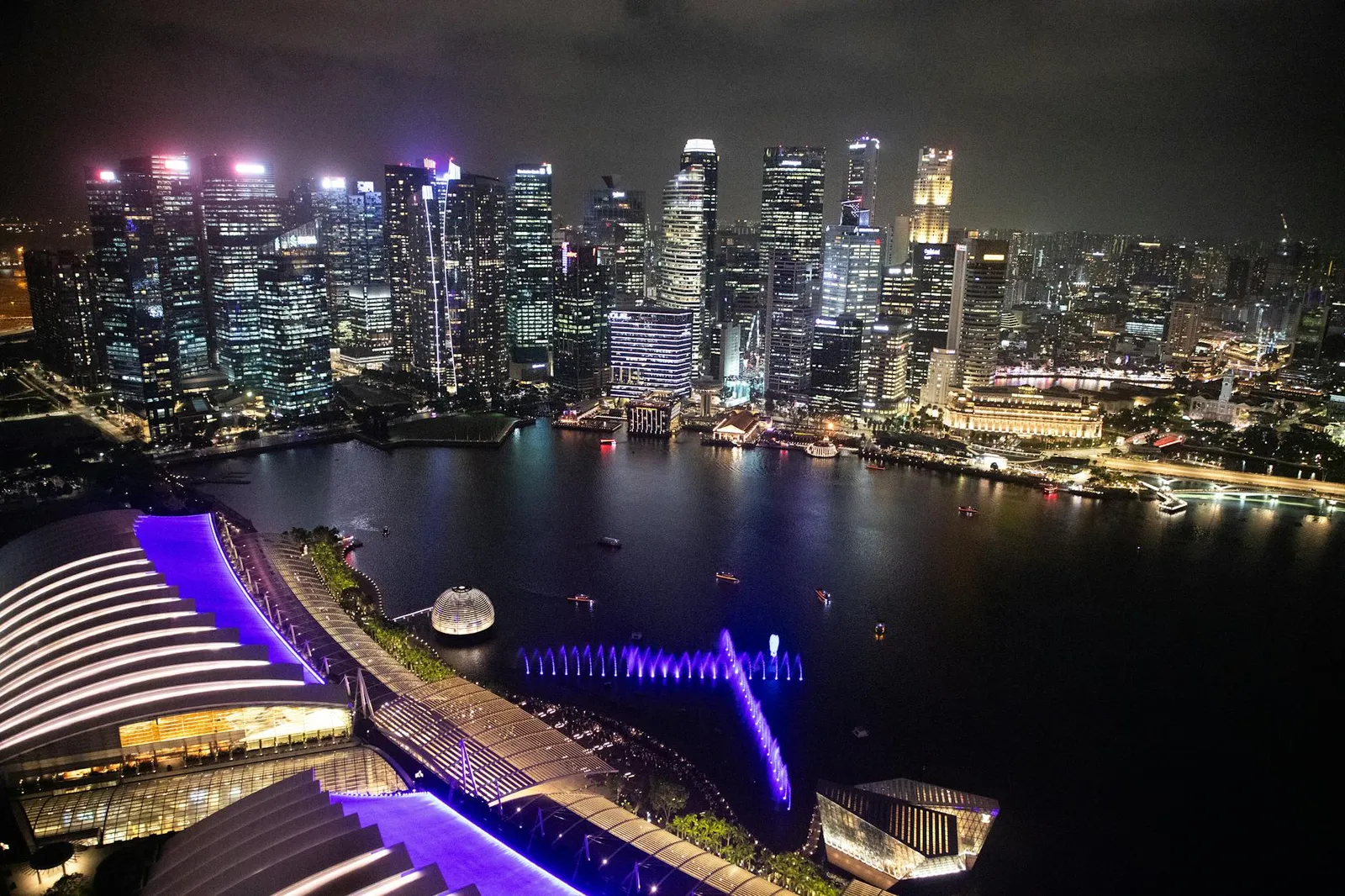
Hanwha Offshore Singapore — Инновационные морские решения и проекты
Для владельцев, которые ищут надежные решения в морском секторе, важно изучить предложения в этой области. Благодаря стратегическому планированию и распределению ресурсов компании смогли избежать распространенных ошибок и добиться положительных результатов в своих проектах. Процессы документирования также улучшились, что гарантирует заинтересованным сторонам точность и ясность в их сделках.
Этот инновационный подход позволяет развивать устойчивую инфраструктуру, подобную активам. Продвинутые версии инженерных инструментов, таких как краулеры, позволяют точно собирать и анализировать данные, вселяя в команды уверенность в своих решениях. В результате уровень удовлетворенности среди клиентов и партнеров значительно вырос, создавая благоприятную среду для постоянного сотрудничества.
Компании в этой области устанавливают ориентиры, несмотря на проблемы, которые ставит отрасль. Постоянно совершенствуя свои стратегии и применяя передовые инженерные методологии, они готовятся к различным оперативным потребностям. Использование передовых технологий гарантирует, что их усилия приведут к долгосрочным последствиям и более устойчивому будущему.
Hanwha Offshore Singapore: Ключевые решения и проекты
Максимизируйте эффективность проекта, используя структурированный подход к составлению бюджета. Динамически распределяйте ресурсы, чтобы проверить, какие аспекты приносят наибольшую отдачу от инвестиций. Сосредоточьтесь на нескольких основных категориях, которые стимулируют прогресс, и придерживайтесь документированных требований на каждом этапе.
Рассмотрите возможность участия в семинарах для оценки потенциальных проектов, позволяя командам проводить мозговой штурм и совершенствовать идеи в обстановке сотрудничества. Такие условия обычно способствуют творчеству и приводят к инновационным результатам. В оффшорном секторе на карту поставлены миллиарды долларов, поэтому принятие обоснованных решений имеет решающее значение для успеха.
Могут возникнуть неблагоприятные события, поэтому будьте готовы с планами действий в чрезвычайных ситуациях. Внедрение надежной системы отслеживания налогов и финансовых обязательств может предотвратить непредвиденные расходы. Используйте такие инструменты, как sitemap_indexxml, для организации проектной документации для облегчения доступа и навигации. Это гарантирует, что все вовлеченные группы будут согласованы и смогут выполнять необходимые шаги без путаницы.
Крупномасштабные инициативы требуют согласованных усилий множества команд. Здесь нет места для недосмотра; поддержание четких каналов связи имеет важное значение. Структурируя рабочие процессы и поощряя сотрудничество, команды могут более эффективно решать проекты и быстро преодолевать трудности.
Наконец, регулярно обновляйте нижний колонтитул проектной документации, чтобы отражать текущее состояние и пересмотры. Эта практика повышает прозрачность среди заинтересованных сторон и позволяет руководителям проектов оставаться в курсе. Чтобы все были на одной волне, это крайне важно для сроков и окончательного успеха любого гигантского предприятия.
Подводный монтаж и райзерные технологии
Для оптимального подводного монтажа используйте передовые технологии съемки, обеспечивающие точное отображение подводных местоположений. Внедрите плагины для интеграции данных из нескольких источников, обеспечивая при этом, чтобы все операции поддерживали надежную систему связей с береговыми объектами.
Рассмотрите райзерные технологии, которые могут адаптироваться к конкретным условиям каждой площадки. Важно иметь модульную конструкцию, которая позволяет использовать отдельные и гибкие конфигурации, учитывающие различные факторы давления и окружающей среды.
Сосредоточьтесь на достижениях таких фирм, как dyna-macs, которые предоставляют надежные решения для сложных морских задач. Их инновации облегчают эффективное управление необходимыми изменениями в инфраструктуре, обеспечивая при этом безопасность и долговечность.
Мониторинг и техническое обслуживание имеют решающее значение. Уделяйте приоритетное внимание регулярной индексации и ведению журнала всего оборудования для отслеживания производительности, что позволит применять проактивный подход к потенциальным проблемам. Это позволит устранить любые проблемы до того, как они обострятся.
Охват всех операционных линий должен регулярно оцениваться опытными директорами в этой области. Проводите всесторонние проверки для выявления и устранения любых расколов или слабых мест, которые могут возникнуть со временем.
Поддерживайте постоянную обратную связь со своими руководителями проектов и техническими специалистами, чтобы обеспечить интеграцию обратной связи с мест в будущие операции. Регулярные обновления от команды могут предоставить президенту ценную информацию о состоянии установок и необходимых корректировках.
Используя эти передовые методы и инструменты, предприятия могут быть уверены, что их подводные работы не только жизнеспособны, но и готовы к будущему росту на все более конкурентном рынке.
Плавучие производственные системы: Проектирование FPSO/FSO и интерфейсы швартовки DP
Чтобы оптимизировать плавучие производственные системы, такие как FPSO и FSO, сосредоточьтесь на точных аспектах проектирования и интерфейсах динамического позиционирования (DP). Эффективная маркировка всех компонентов и интерфейсов имеет важное значение для бесперебойной работы. Каждый раздел должен быть точно определен для поддержки инженерных усилий и оперативной ясности.
Привлечение квалифицированного персонала для решения потенциальных проблем не только повышает безопасность, но и повышает общую эффективность. Интеграция передовых систем гусеничных краулеров может значительно повысить скорость развертывания и технического обслуживания, что позволяет выявлять проблемы до того, как они перерастут в серьезные.
Кроме того, использование нескольких двигателей для движения и поддержки может повысить маневренность в различных морских условиях. Системы DP должны работать вместе с этими двигателями, чтобы обеспечить более быстрое время отклика и поддерживать станцию. Настоятельно рекомендуются регулярные упражнения и симуляции, чтобы все операторы понимали свои обязанности и могли эффективно управлять системой.
Крайне важно постоянно отслеживать работу интерфейсов ш��артовки, поскольку они отображают показатели, жизненно важные для оперативного успеха. После сбора данных можно выявить определенные закономерности для дальнейшего улучшения будущих проектов. Эта постоянная приверженность наблюдению и совершенствованию дает компаниям конкурентное преимущество в категории плавучих производственных решений.
В заключение, точно спроектированные системы FPSO и FSO с надежными интерфейсами швартовки DP играют ключевую роль в успехе морской добычи. При наличии правильных вспомогательных структур и квалифицированных команд компании, безусловно, могут достичь своих целей и оптимизировать весь процесс.
Удаленный мониторинг, цифровой двойник и проактивное техническое обслуживание
Внедрение систем удаленного мониторинга имеет решающее значение для оптимизации операционной эффективности. Эти системы предоставляют отчеты в режиме реального времени, позволяя членам команды входить в систему и быстро получать доступ к важной информации. Каждый отчет содержит ценные данные, которые помогают выявлять проблемы до того, как они обострятся.
Интеграция технологии цифрового двойника выступает в качестве мощного игрока в этой стратегии. По сути, она создает виртуальное представление физических активов, обеспечивая улучшенную съемку и отслеживание производительности. Этот инструмент имеет решающее значение для визуализации условий по различным параметрам, что упрощает навигацию по сложным сценариям.
Проактивное техническое обслуживание еще больше дополняет эту установку, преобразуя подход к техническому обслуживанию. Анализируя данные и закономерности, оно прогнозирует потенциальные отказы двигателей или других важных компонентов. Эта превентивная стратегия сокращает время простоя и затраты, гарантируя, что целый ряд задач по техническому обслуживанию не накопится неожиданно.
Для эффективного управления этими системами пользователи должны ознакомиться с точками индексации данных, которые отслеживают показатели производительности на нескольких страницах. Подробная схема, показывающая связь между удаленным мониторингом, цифровыми двойниками и проактивным техническим обслуживанием, может стать отличным справочным инструментом.
В результате компании могут наращивать капитал в своих операциях за счет минимизации сбоев. Самыми сильными игроками отрасли были те, кто привержен этим передовым технологиям, гарантируя, что их верхнее оборудование работает с оптимальной мощностью. Эта приверженность открывает пути для продвижения по карьерной лестнице, поскольку опыт в этих областях становится все более востребованным на рынке труда.
Применение этих методов позволяет организациям решать некоторые из самых сложных задач в области технического обслуживания и эксплуатации, что в конечном итоге приводит к большей надежности и эффективности.
Архитектура HTML-карты сайта для оффшорных порталов: Структура, метаданные и навигация
Для оптимального удобства пользователя внедрите точную архитектуру HTML-карты сайта. Это гарантирует, что пользователи смогут легко найти необходимую информацию без лишних усилий.
- Структура и макет:
- Установите четкую иерархию. Организуйте страницы по категориям, которые соответствуют потребностям пользователей.
- Используйте понятную маркировку для каждого раздела, делая навигацию интуитивно понятной.
- Включите якорные ссылки для обеспечения прямого доступа к важным разделам.
- Использование метаданных:
- Улучшите возможности поиска, интегрировав соответствующие метаданные в записи карты сайта.
- Используйте ключевые слова, которые отражают запросы пользователей, сохраняя при этом релевантность контекста.
- Регулярно обновляйте метаданные, чтобы отражать изменения и избегать устаревшей информации.
- Навигационные функции:
- Обеспечьте наличие функции входа в систему для доступа к конфиденциальным разделам на основе привилегий.
- Поддерживайте согласованность с элементами навигации на всех страницах для привычности.
- Рассмотрите возможность использования принципов адаптивного дизайна для обслуживания различных устройств.
Документация является ключевым фактором в поддержании точности карты сайта. Назначьте слугу или лицо, ответственное за регулярные проверки и обновления, обеспечивая своевременное внесение изменений для отражения новых условий.
Наличи�� хорошо организованной карты сайта позволяет пользователям эффективно находить контент, что снижает показатели отказов и повышает вовлеченность. Регулярный мониторинг и сбор отзывов могут выявлять проблемы и вносить необходимые корректировки для максимизации эффективности.
Полагайтесь исключительно на установленные руководства по лучшим практикам создания карты сайта. Помните о частоте обновлений, обеспечивая точность и актуальность всей информации. Пусть это руководство поможет вам создать надежную навигационную структуру на вашей платформе.
Сценарии использования карты сайта: от концепции до документации по вводу в эксплуатацию
Начните со структурированного подхода к созданию карты сайта, которая служит основой для управления проектом. Хорошо организованная карта сайта позволяет пользователям визуализировать рабочие процессы, что облегчает анализ требований от первых этапов разработки до документации по вводу в эксплуатацию.
Войдите в консоль управления проектом, чтобы поделиться картой сайта с членами команды. Это сотрудничество способствует более глубокому пониманию связей между документами и этапами, что позволяет лучше отслеживать прогресс. Наличие на месте важных инструментов может значительно повысить эффективность и коммуникацию.
Примеры вариантов использования карты сайта включают оценку воздействия на окружающую среду, где команды могут перечислить всю необходимую документацию, сроки и ответственные стороны. Этот метод не только помогает управлять задачами, но и помогает предвидеть потенциальные изменения, которые могут возникнуть в течение жизненного цикла проекта.
Основа эффективной карты сайта заключается в ее способности соединять различные элементы проекта. Создание комплексной структуры ссылок расширяет возможности перекрестных ссылок, позволяя заинтересованным сторонам беспрепятственно перемещаться по документации. Множество взаимосвязанных элементов даст более четкое представление обо всем ходе проекта.
По мере продвижения проектов постоянно обновляйте карту сайта, чтобы отражать изменения и проблемы. Эта практика гарантирует, что каждый член команды будет осведомлен о текущем статусе и о том, какие улучшения можно внести в будущем. Полученные результаты из анализа могут привести к стратегическим корректировкам, которые соответствуют устойчивым практикам.
| Вариант использования | Инструменты | Преимущества |
|---|---|---|
| Оценка воздействия на окружающую среду | Консоль управления проектом | Упрощенная документация |
| Соответствие нормативным требованиям | Программное обеспечение для управления задачами | Улучшенное отслеживание |
| Командная работа | Платформы для обмена файлами | Расширенная связь |
| Контроль прогресса | Инструменты отчетности | Обновления в режиме реального времени |
Применяя эффективные стратегии карты сайта, предприятия не только оптимизируют свои процессы, но и демонстрируют свою приверженность устойчивому развитию и превосходству в управлении своими проектами.
Готовы зарегистрировать компанию на Кипре?
Наши специалисты сопровождают вас на всех этапах — регистрация, налоговая настройка и открытие банковского счёта.
Запросить консультацию →