

Ο Τομέας των ΤΠΕ Ενισχύει την Οικονομική Ανάπτυξη της Κύπρου - Βασικές Τάσεις και Ευκαιρίες
Επενδύστε αμέσως σε ένα στοχευμένο πρόγραμμα επιτάχυνσης των ΤΠΕ για να διατηρήσετε τον κυπριακό τομέα σε ανάπτυξη και να θέσετε την Κύπρο σε τροχιά να γίνει ένας από τους ταχύτερους κόμβους στην περιοχή για τεχνολογία και ψηφιακές υπηρεσίες.
Σε ολόκληρο τον τομέα των ΤΠΕ, η Κύπρος έχει δημιουργήσει μια αυξανόμενη δεξαμενή μηχανικών και μια σειρά από νεοφυείς επιχειρήσεις που υποστηρίζονται από κονδύλια της ΕΕ. Οι επενδυτές σημειώνουν αυξανόμενη ζήτηση για υπηρεσίες cloud, κυβερνοασφάλεια και ανάλυση δεδομένων, ενώ πολυεθνικοί τεχνολογικοί όμιλοι στηρίζουν περιφερειακά αναπτυξιακά κέντρα που μεταφέρουν τεχνογνωσία σε τοπικές ομάδες. Αυτή η δυναμική υποστηρίζει την υψηλότερη παραγωγικότητα και την πιο ανθεκτική επέκταση για την οικονομία.
Βασικές ευκαιρίες υπάρχουν στις πλατφόρμες fintech, τις υπηρεσίες που βασίζονται στο cloud, την κυβερνοασφάλεια και την ανάπτυξη λογισμικού με τη βοήθεια της τεχνητής νοημοσύνης. Η Κύπρος μπορεί να αξιοποιήσει σταθερά κανονιστικά πλαίσια, ευνοϊκά φορολογικά κίνητρα για Ε&Α και τη δυναμική επαναπατρισμού για να κερδίσει συμβάσεις με θεσμικά όργανα της ΕΕ και εταιρείες του ιδιωτικού τομέα. Η δημιουργία ισχυρών κέντρων δεδομένων και η επέκταση των ψηφιακών δεξιοτήτων θα ξεκλειδώσουν περισσότερες εξαγωγικές υπηρεσίες και θα προσελκύσουν παγκόσμιους πελάτες στον τομέα των ΤΠΕ.
Για να αξιοποιήσουν τα πλεονεκτήματα, οι υπεύθυνοι χάραξης πολιτικής θα πρέπει να απλοποιήσουν την αδειοδότηση και να επεκτείνουν τις πιστώσεις Ε&Α. Τα πανεπιστήμια και η βιομηχανία θα πρέπει να επεκτείνουν τα προγράμματα μαθητείας και τη συγχρηματοδοτούμενη έρευνα. Οι ιδιωτικές εταιρείες μπορούν να επιταχύνουν την υιοθετώντας την ανοικτή καινοτομία, συνεργαζόμενες με τοπικά πανεπιστήμια και δημιουργώντας περιφερειακούς κόμβους παράδοσης που υποστηρίζουν πολύγλωσσες λειτουργίες όλο το 24ωρο. Οι στοχευμένοι γύροι χρηματοδότησης και τα πιλοτικά προγράμματα δημόσιου-ιδιωτικού τομέα θα μετατρέψουν τα πιλοτικά προγράμματα σε συμβάσεις και θα δημιουργήσουν σταθερή απασχόληση.
Δυνάμεις Ανάπτυξης: Η συμβολή των ΤΠΕ στο ΑΕΠ και την απασχόληση της Κύπρου
Επενδύστε σε δεξιότητες ΤΠΕ και στην παροχή υπηρεσιών μεσαίας αγοράς τώρα για να αυξήσετε το ΑΕΠ και τις θέσεις εργασίας. Ο αναπτυσσόμενος τομέας της Κύπρου είναι οι ΤΠΕ. Ο τομέας των ΤΠΕ αντιστοιχούσε περίπου στο 5% του ΑΕΠ της Κύπρου το 2023, με την απασχόληση στις ΤΠΕ να αντιπροσωπεύει περίπου το 8-10% της συνολικής απασχόλησης. Το ποσοστό αυτό αυξάνεται καθώς οι εταιρείες ευνοούν τις ψηφιακές υπηρεσίες, το cloud και τον αυτοματισμό. Για να διατηρηθεί η δυναμική, δώστε προτεραιότητα σε τρεις μοχλούς: ταλέντο, υποδομή και επιχειρηματικό περιβάλλον.
Ταλέντο, υποδομή και επιχειρηματικό περιβάλλον
Ταλέντο: αναπτύξτε την εκπαίδευση και την κατάρτιση που σχετίζονται με τις ΤΠΕ σε όλα τα επίπεδα, ευθυγραμμίστε τα προγράμματα σπουδών με τις ανάγκες της αγοράς και προσφέρετε μαθητείες με εργοδότες τεχνολογίας για να συντομεύσετε τη διαδρομή από τις σπουδές στην εργασία. Στην πράξη, συνεργαστείτε με πανεπιστήμια με τη βιομηχανία για να δημιουργήσετε προγράμματα που παράγουν αποφοίτους έτοιμους για θέσεις ανάπτυξης λογισμικού, κυβερνοασφά��ειας, ανάλυσης δεδομένων και υποστήριξης πληροφορικής. Τα προγράμματα που καθοδηγούνται από τη ζήτηση θα μπορούσαν να προσθέσουν χιλιάδες καταρτισμένους επαγγελματίες τα επόμενα πέντε χρόνια.
Υποδομή: επιταχύνετε την ανάπτυξη ευρυζωνικών συνδέσεων υψηλής χωρητικότητας και την ικανότητα των κέντρων δεδομένων για να προσελκύσετε παρόχους υπηρεσιών κοντινής ακτής και κόμβους ψηφιακών υπηρεσιών. Στοχεύστε σε περιφερειακές αναβαθμίσεις ραχοκοκαλιάς και στην προσθήκη νέων κέντρων δεδομένων έως το 2027, συμπληρωματικά με την πράσινη ενέργεια και την ανταγωνιστική ως προς το κόστος παροχή ηλεκτρικής ενέργειας για τη μείωση της καθυστέρησης για τις χρηματοπιστωτικές υπηρεσίες και τις εταιρείες εξωτερικής ανάθεσης.
Επιχειρηματικό περιβάλλον: απλοποιήστε τις άδειες για εταιρείες ΤΠΕ, επεκτείνετε τις φορολογικές πιστώσεις για Ε&Α και επενδύσεις σε λογισμικό και απλοποιήστε τα καθεστώτα θεωρήσεων για ειδικευμένο προσωπικό. Δημιουργήστε ένα κεντρικό ψηφιακό ενιαίο παράθυρο για την αδειοδότηση και ένα γραφείο υποστήριξης μίας στάσης για τις νεοφυείς επιχειρήσεις για να συντομεύσετε τα χρονοδιαγράμματα διάθεσης στην αγορά κατά ένα σημαντικό περιθώριο. Αυτά τα βήματα αυξάνουν το μερίδιο των εξαγωγών που βασίζονται στις ΤΠΕ και βοηθούν την Κύπρο να κατακτήσει αναπτυσσόμενα τμήματα όπως η κυβερνοασφάλεια, οι υπηρεσίες που βασίζονται στην τεχνητή νοημοσύνη και το αρθρωτό λογισμικό.
Σήματα και ευκαιρίες πολιτικής
Η ευθυγράμμιση της πολιτικής με τα προγράμματα της ΕΕ και τους εθνικούς στόχους έχει σημασία. Χρησιμοποιήστε γραμμές χρηματοδότησης που επικεντρώνονται στο ψηφιακό τομέα για να υποστηρίξετε τον ψηφιακό μετασχηματισμό των ΜΜΕ, συμπεριλαμβανομένης της υιοθέτησης του cloud, της ηλεκτρονικής τιμολόγησης και των αναβαθμίσεων κυβερνοασφάλειας. Ενθαρρύνετε τις συμπράξεις δημόσιου-ιδιωτικού τομέα για να πιλοτήσετε τη βελτιστοποίηση της διαδικασίας με τη βοήθεια της τεχνητής νοημοσύνης στις δημόσιες υπηρεσίες και στους ιδιωτικούς τομείς, όπως ο τουρισμός και η ναυτιλία. Οι δείκτες παρακολούθησης θα πρέπει να περιλαμβάνουν το μερίδιο του ΑΕΠ των ΤΠΕ, την απασχόληση στις ΤΠΕ και τον αριθμό των εταιρειών με ψηφιακές πιστοποιήσεις, για να καθοδηγούν τις συνεχιζόμενες επενδύσεις.
Ταλέντο και Δεξιότητες: Δημιουργία ενός αγωγού για ρόλους ΤΠΕ στην Κύπρο
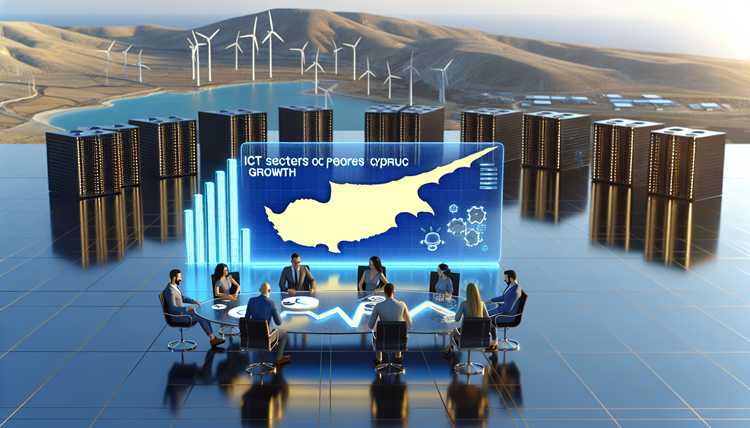
Δρομολογήστε αμέσως ένα επίσημο Κοινοπρακτικό Σύστημα Ταλέντων ΤΠΕ της Κύπρου για να συγχρονίσετε τα πανεπιστήμια, τις τεχνολογικές εταιρείες και τις κυβερνητικές υπηρεσίες. Θέστε τριετείς στόχους: 500 νέοι ειδικοί ΤΠΕ, 200 θέσεις πρακτικής άσκησης ετησίως σε εταιρείες με έδρα την Κύπρο και ποσοστό μετατροπής από πρακτική άσκηση σε πλήρη απασχόληση 40%.
Δημιουργήστε τρεις διαδρομές παράδοσης: πρακτικές άσκησης ευθυγραμμισμένες με το πανεπιστήμιο, επιταχυνόμενα bootcamps και μαθητείες ΜΜΕ. Τα bootcamps διαρκούν 12-24 εβδομάδες, στοχεύουν σε άτομα που εισέρχονται στη μέση της σταδιοδρομίας τους και παρέχουν πιστοποιητικά στην μηχανική λογισμικού, την ανάλυση δεδομένων ή την κυβερνοασφάλεια. Οι μαθητείες περιλαμβάνουν αμειβόμενες θέσεις εργασίας με επιδοτήσεις μισθών για τις ΜΜΕ, υποστηρίζοντας πεδία εφαρμογής 6-12 μηνών.
Ευθυγραμμίστε τα προγράμματα σπουδών με τις πραγματικότητες της βιομηχανίας. Απαιτήστε έργα capstone που προέρχονται από τοπικές εταιρείες, ενσωματώστε πρακτικά εργαστήρια σε cloud, Python/Java, μηχανική δεδομένων και κυβερνοϋγιεινή και ενσωματώστε μικροδημοσιεύσεις που αναγνωρίζουν οι εργοδότες. Διασφαλίστε ότι το 20% των μαθημάτων χρησιμοποιεί σύνολα δεδομένων ή δηλώσεις προβλημάτων πραγματικών εταιρειών.
Δώστε κίνητρα για συμμετοχή. Προσφέρετε επιδοτήσεις μισθών και φορολογικά κίνητρα για εταιρείες που φιλοξενούν ασκούμενους, καθώς και υποτροφίες για υποεκπροσωπούμενες ομάδες στις ΤΠΕ. Δημιουργήστε ένα ταμείο επιχορηγήσεων για την κάλυψη του κόστους κατάρτισης για τις ΜΜΕ που υιοθετούν επίσημα προγράμματα μαθητείας.
Προσελκύστε διεθνή ταλέντα. Απλοποιήστε τις διαδικασίες έκδοσης θεωρήσεων για ειδικευμένους επαγγελματίες ΤΠΕ και παρέχετε υποστήριξη μετεγκατάστασης, γλωσσική βοήθεια και επιλογές εξ αποστάσεως ένταξης, ώστε οι ομάδες με έδρα την Κύπρο να μπορούν να κλιμακωθούν γρήγορα.
Μετρήστε την πρόοδο με σαφείς μετρήσεις. Παρακολουθήστε το μέγεθος της ομάδας, το ποσοστό τοποθέτησης εντός έξι μηνών, τη συγκράτηση μετά από 12 μήνες, την ευθυγράμμιση ρόλων (προγραμματιστής, αναλυτής δεδομένων, κυβερνοασφάλεια) και την ικανοποίηση του εργοδότη για την προσαρμογή των προγραμμάτων ετησίως.
Ο αναπτυσσόμενος τομέας είναι ο ταχύτερος στην κυπριακή οικονομία και ένα πειθαρχημένο σύστημα εξασφαλίζει μια σταθερή ροή ειδικευμένων εργαζομένων έτοιμων να ανταποκριθούν στη ζήτηση, ενισχύοντας παράλληλα την ανταγωνιστική θέση της Κύπρου στην περιφερειακή αγορά.
Ετοιμότητα Υποδομής: Συνδεσιμότητα, Κέντρα Δεδομένων και Υιοθέτηση Cloud
Επενδύστε σε μια εθνική ραχοκοκαλιά οπτικών ινών που θα συνδέει τη Λευκωσία, τη Λεμεσό, τη Λάρνακα και την Πάφο με χωρητικότητα 100 Gbps έως το 2026 για να εγγυηθείτε χαμηλό λανθάνοντα χρόνο απόκρισης και αξιόπιστη πρόσβαση για τις ΜΜΕ, τα σχολεία και τις δημόσιες υπηρεσίες. Συνδυάστε το με διαδρόμους οπτικών ινών ανοικτής πρόσβασης που προσελκύουν πολλαπλούς παρόχους υπηρεσιών διαδικτύου και επιταχύνουν τις αναβαθμίσεις τελευταίου μιλίου. Στις ΤΠΕ της Κύπρου, είναι ένας τομέας με την ταχύτερη δυναμική ανάπτυξης στην περιοχή, που οδηγείται από την ψηφιοποίηση των ΜΜΕ και τις διασυνοριακές υπηρεσίες, επομένως η έγκαιρη υποδομή είναι απαραίτητη.
Επεκτείνετε την ικανότητα των κέντρων δεδομένων εγκρίνοντας 2-3 νέες εγκαταστάσεις συνολικής ισχύος 60-100 MW έως το 2030, δίνοντας προτεραιότητα σε τοποθεσίες κοντά σε ισχυρά δίκτυα ηλεκτρικής ενέργειας και πηγές ανανεώσιμης ενέργειας. Εφαρμόστε πρότυπα ενεργειακής απόδοσης (χαμηλότερους στόχους PUE, δωρεάν ψύξη όπου είναι εφικτό) και ισχυρή φυσική ασφάλεια, προσφέροντας παράλληλα κίνητρα, όπως μειωμένους χρόνους αδειοδότησης και φορολογικές πιστώσεις για την πράσινη ψύξη. Δημιουργήστε ένα ανοιχτό οικοσύστημα cloud με πιστοποιημένους παρόχους για να ενεργοποιήσετε υβριδικές અને αναπτύξεις πολλαπλών cloud και διασφαλίστε τη συνδεσιμότητα μεταξύ των κέντρων με διεθνείς ραχοκοκαλιές πολλαπλών διαδρομών για την υποστήριξη της περιφερειακής κίνησης.
Ορόσημα υλοποίησης
2025-2026: οριστικοποιήστε το σχέδιο ραχοκοκαλιάς, εκδώστε προσκλήσεις για έτοιμα για τοποθεσία έργα κέντρων δεδομένων και καθορίστε κανόνες ασφάλειας και ενέργειας. 2027-2028: υπογράψτε συμπράξεις δημόσιου-ιδιωτικού τομέα και ξεκινήστε τη λειτουργία των πρώτων εγκαταστάσεων. 2029-2030: κλιμακώστε τις μεταναστεύσεις cloud για τον δημόσιο και τον ιδιωτικό τομέα για να επιτύχετε τα στοχευμένα επίπεδα υιοθέτησης και να παρακολουθήσετε την απόδοση με σαφείς KPI.
Δημόσια Υποστήριξη και Χρηματοδότηση: Επιχορηγήσεις, φορολογικά κίνητρα και προγράμματα για εταιρείες ΤΠΕ
Κάντε αίτηση για το εθνικό πρόγραμμα χορηγιών τώρα για να επιταχύνετε την ανάπτυξη στον αναπτυσσόμενο τομέα των ΤΠΕ της κυπριακής οικονομίας. Αυτό το πρόγραμμα έχει σχεδιαστεί για τις κυπριακές εταιρείες ΤΠΕ. Δημιουργήστε ένα σχέδιο χρηματοδότησης 12 μηνών: εντοπίστε επιλέξιμα έργα, ετοιμάστε συνοπτικές τεχνικές και οικονομικές προτάσεις και υποβάλετε έως την προσεχή προθεσμία. Διαθέστε πόρους για την ανάπτυξη προϊόντων, τη δοκιμή χρηστών και τις δραστηριότητες διάθεσης στην αγορά, με διαφανείς KPI και ορόσημα.
Επικεντρωθείτε σε συνεργατικά έργα που συνδυάζουν εταιρείες ΤΠΕ με πανεπιστήμια ή ερευνητικά κέντρα για να μεγιστοποιήσετε τις δυνατότητες επιχορήσεων. Η έγκαιρη συνεργασία αυξάνει τις πιθανότητες επιτυχίας και επιδεικνύει την ικανότητα κλιμάκωσης, ενώ ένας σαφής καταμερισμός του προϋπολογισμού και μετρήσιμοι στόχοι βελτιώνουν τα αποτελέσματα της αξιολόγησης. Για τα φορολογικά κίνητρα, διασφαλίστε ότι όλα τα επιλέξιμα έξοδα ΤΠΕ τεκμηριώνονται με αποδείξεις και φύλλα χρόνου για να διεκδικήσετε αποτελεσματικά εκπτώσεις ή πιστώσεις.
Βασικά προγράμματα και κανάλια χρηματοδότησης
| Πρόγραμμα | Στόχος | Τυπική επιχορήγηση/μέγεθος | Επιλεξιμότητα | Αίτηση μέσω |
|---|---|---|---|---|
| Επιχορηγήσεις Ε&Α | Υποστήριξη της ανάπτυξης προϊόντων ΤΠΕ και της εφαρμοσμένης έρευνας | Έως 60.000 € ανά έργο. μεγαλύτερες επιχορηγήσεις για συνεργασία | ΜΜΕ και νεοφυείς επιχειρήσεις ΤΠΕ που εδρεύουν στην Κύπρο. συνεχιζόμενη επιλεξιμότητα | Πύλη RIF ή εθνικός φορέας χρηματοδότησης |
| Φορολογικά κίνητρα | Μείωση της φορολογικής επιβάρυνσης για τις δαπάνες Ε&Α των ΤΠΕ | Πίστωση ή έκπτωση για επιλέξιμα έξοδα (απαιτείται τεκμηρίωση) | Εταιρείες που διεξάγουν επιλέξιμη Ε&Α στην Κύπρο | Φορολογική Αρχή της Κύπρου και εταιρικές καταθέσεις |
| Κουπόνια Καινοτομίας | Μελέτες σκοπιμότητας και Ε&Α σε πρώιμο στάδιο | Έως 25.000 € | ΜΜΕ και νεοφυείς επιχειρήσεις. ευπρόσδεκτοι αιτούντες για πρώτη φορά | Πύλη RIF ή πρόγραμμα υποστήριξης καινοτομίας |
| Προγράμματα Θερμοκοιτίδας/Επιταχυντή | Καθοδήγηση και χρηματοδότηση σπόρων για την κλιμάκωση του προϊόντος | Δωρεάν κεφάλαια ή κεφάλαια χωρίς ίδια κεφάλαια έως 40.000 €. και υπηρεσίες | Συμμετέχουσες εταιρείες που συνδέονται με θερμοκοιτίδα/επιταχυντή | Ιστότοποι προγραμμάτων και εθνικές πύλες |
| Κονδύλια της ΕΕ (Ορίζοντας Ευρώπη, Ψηφιακή Ευρώπη) | Κλιμακώστε την έρευνα και την ανάπτυξη της αγοράς διασυνοριακά | Διαφέρει. τα έργα κοινοπραξίας μπορούν να έχουν πρόσβαση σε προϋπολογισμούς πολλών εκατομμυρίων | Επιλέξιμοι διασυνοριακοί εταίροι, συμπεριλαμβανομένων των κυπριακών οντοτήτων | Πύλη χρηματοδότησης και προσφορών της ΕΕ. εθνικά σημεία επαφής |
Συστάσεις: δημιουργήστε ένα σταθερό ημερολόγιο χρηματοδότησης, διατηρήστε ένα ισχυρό πλαίσιο αποτελεσματικότητας των έργων και ευθυγραμμίστε τους οδικούς χάρτες προϊόντων ΤΠΕ με τα ορόσημα επιχορηγήσεων. Δημιουργήστε ένα ειδικό γραφείο επιχορηγήσεων, ορίστε έναν οικονομικό ελεγκτή για τη συμμόρφωση και παρακολουθήστε την απόδοση της επένδυσης ανά τρίμηνο. Συνεργαστείτε με τοπικά πανεπιστήμια και βιομηχανικές ενώσεις για να ενισχύσετε τις προτάσεις και να αποκτήσετε πρόσβαση σε συμβουλευτικές υπηρεσίες.
Ασφάλεια και Διαχείριση Κινδύνων: Πολιτική Κυβερνοασφάλειας και ετοιμότητα αντιμετώπισης περιστατικών για τον τομέα ΤΠΕ της Κύπρου
Θεσπίστε μια επίσημη πολιτική κυβερνοασφάλειας τώρα, σύμφωνα με τις απαιτήσεις της ΕΕ NIS2 και τους ελέγχους ISO 27001, και διορίστε έναν CISO για να αναλάβει τις αποφάσεις σχετικά με τους κινδύνους σε ολόκληρο τον τομέα ΤΠΕ της Κύπρου.
Ο τομέας ΤΠΕ της Κύπρου αναπτύσσεται, με αυξανόμενη υιοθέτηση cloud, ψηφιακές υπηρεσίες και διασυνοριακές ροές δεδομένων. Αυτή η επέκταση αυξάνει την έκθεση σε κινδύνους στον κυβερνοχώρο και αυξάνει την ανάγκη για σαφή πολιτική και ετοιμότητα αντιμετώπισης περιστατικών.
- Διακυβέρνηση και ρόλοι πολιτικής: ιδρύστε έναν χορηγό σε επίπεδο διοικητικού συμβουλίου, ορίστε έναν υπεύθυνο ασφάλειας και καθορίστε τα δικαιώματα λήψης αποφάσεων, τις γραμμές αναφοράς και τον προϋπολογισμό για την ασφάλεια σε ολόκληρο τον τομέα.
- Διαχείριση περιουσιακών στοιχείων και κινδύνων: διατηρήστε ένα ολοκληρωμένο μητρώο περιουσιακών στοιχείων, ταξινομήστε τα περιουσιακά στοιχεία ανά κρισιμότητα και διεξάγετε αξιολογήσεις κινδύνων τουλάχιστον δύο φορές το χρόνο. καταγράψτε τις ροές δεδομένων σε όλα τα οικοσυστήματα ΤΠΕ στην Κύπρο για να εντοπίσετε σημεία συμφόρησης.
- Τεχνικοί έλεγχοι: επιβάλλετε το MFA για απομακρυσμένη πρόσβαση, κρυπτογραφήστε τα δεδομένα σε κατάσταση ηρεμίας και κατά τη μεταφορά, εφαρμόστε βασικές γραμμές ασφαλούς διαμόρφωσης και εκτελέστε διαχείριση τρωτότητας με στοχευμένα παράθυρα επιδιόρθωσης για κρίσιμες ευπάθειες. απαιτήστε αυτοματοποιημένη επιδιόρθωση όπου είναι δυνατόν.
- Ετοιμότητα αντιμετώπισης περιστατικών: αναπτύξτε εγχειρίδια για σενάρια ηλεκτρονικού ψαρέματος, ransomware και παραβίασης δεδομένων. δημιουργήστε δυνατότητα λειτουργίας ασφάλειας 24 ώρες το 24ωρο, 7 ημέρες την εβδομάδα. θέστε έναν στόχο MTTR 4 ωρών για κρίσιμα περιστατικά. επαληθεύστε τα αντίγραφα ασφαλείας με τακτικές δοκιμές επαναφοράς. να διεξάγετε ασκήσεις επί χάρτου κάθε τρίμηνο και ασκήσεις live ετησίως.
- Συνέχεια και ανάκτηση: ορίστε RTO και RPO για βασικές υπηρεσίες, εφαρμόστε αντίγραφα ασφαλείας εκτός σύνδεσης και δοκιμάστε τις διαδικασίες ανάκτησης τουλάχιστον μία φορά το χρόνο.
- Κατάρτιση και ευαισθητοποίηση: παρέχετε ετήσια εκπαίδευση ασφάλειας σε όλο το προσωπικό, εκτελέστε προσομοιώσεις ηλεκτρονικού ψαρέματος κάθε τρίμηνο και πιστοποιήστε το προσωπικό πληροφορικής και ασφάλειας με σχετικά προγράμματα.
- Διαχείριση κινδύνων αλυσίδας εφοδιασμού και προμηθευτών: απαιτήστε απαιτήσεις ασφάλειας στις συμβάσεις, εκτελέστε αξιολογήσεις κινδύνων προμηθευτών και απαιτήστε ειδοποίηση παραβίασης εντός 24 ωρών. αποκτήστε αποδεικτικά στοιχεία ελέγχων ασφάλειας από κρίσιμους προμηθευτές και επανεξετάστε τον κίνδυνο τρίτων τουλάχιστον δύο φορές το χρόνο.
- Συμμόρφωση και υποβολή εκθέσεων: ευθυγραμμιστείτε με τον ΓΚΠΔ και τις τοπικές αρχές, διατηρήστε ίχνη ελέγχου, αναφέρετε υλικά περιστατικά στην εθνική αρχή για τον κυβερνοχώρο εντός των ορίων και δημοσιεύστε μια ανωνυμοποιημένη περίληψη στάσης του τομέα για τα ενδιαφερόμενα μέρη.
Εφαρμόστε ένα σχέδιο ανάπτυξης 12 μηνών με σαφή ορόσημα και συνδέστε την πρόοδο με μετρήσιμες μετρήσεις, όπως τη συμμόρφωση με τα patch, τους αριθμούς περιστατικών, το MTTD, το MTTR και την κάλυψη διασφάλισης προμηθευτών για την ενίσχυση της ανθεκτικότητας των ΤΠΕ στην Κύπρο.
Fintech και Ψηφιακές Υπηρεσίες: Οδοί ανάπτυξης σε πληρωμές, ηλεκτρονικό εμπόριο και regtech
Επενδύστε σε μια αρθρωτή πλατφόρμα πληρωμών που υποστηρίζει πορτοφόλια πολλαπλών νομισμάτων, άμεσο διακανονισμό και συμμορφωτικούς ελέγχους KYC. Ο ταχύτερα αναπτυσσόμενος τομέας της Κύπρου είναι η fintech και ο συνδυασμός πληρωμών, υποστήριξης ηλεκτρονικού εμπορίου και regtech στις ψηφιακές υπηρεσίες δημιουργεί επεκτάσιμους δρόμους για τοπικές εταιρείες και διεθνείς παίκτες.
Στις πληρωμές, αναπτύξτε αρθρωτές ράγες για συναλλαγές με φυσική παρουσία και συναλλαγές χωρίς φυσική παρουσία, συμπεριλαμβανομένων ηλεκτρονικών πορτοφολιών και επιλογών BNPL για μικρούς και μεσαίους λιανοπωλητές. Στοχεύστε στην απόκτηση εμπόρων και στους διαδρόμους εμβασμάτων προς την Ευρώπη, τη Μέση Ανατολή και την Αφρική σε διασυνοριακό επίπεδο. Η τοπική αδειοδότηση με έναν αξιόπιστο συνεργάτη PSP βοηθά στην επιτάχυνση του χρόνου διάθεσης στην αγορά. Οι έλεγχοι κινδύνου βάσει δεδομένων και η παρακολούθηση απάτης θα πρέπει να ενσωματωθούν από την πρώτη στιγμή για να μειωθούν οι αντιστροφές χρεώσεων κατά ένα μετρήσιμο περιθώριο.
Για το ηλεκτρονικό εμπόριο, ενεργοποιήστε απρόσκοπτες εμπειρίες ολοκλήρωσης αγοράς με τοπικές μεθόδους πληρωμής, επιλογές γρήγορης παράδοσης και προστασία από απάτη/εξαπάτηση. Χρησιμοποιήστε συστάσεις προϊόντων που υποστηρίζονται από AI και συγχρονισμό αποθεμάτων σε πραγματικό χρόνο με προμηθευτές για να αυξήσετε τη μετατροπή καλαθιού κατά διψήφια ποσοστά. Επενδύστε σε περιφερειακή φιλοξενία cloud για να εγγυηθείτε την απόδοση στην Κύπρο και τις γειτονικές αγορές, με τη συμμόρφωση να ευθυγραμμίζεται με τον ΓΚΠΔ και τους τοπικούς κανόνες AML.
Οι ευκαιρίες Regtech περιλαμβάνουν αυτοματοποιημένες ροές εργασιών AML/KYC, παρακολούθηση συναλλαγών και κανονιστική αναφορά ως υπηρεσία για τράπεζες και fintech. Ένα αρθρωτό στοίβα regtech μειώνει το κόστος συμμόρφωσης και επιταχύνει την έναρξη νέων προϊόντων. Δημιουργήστε στρατηγικές συμμαχίες με αδειοδοτημένες οντότητες για να κλιμακωθείτε γρήγορα και πιλοτήστε με μεσαίους εμπόρους για να ποσοτικοποιήσετε τα οφέλη απόδοσης και τις μειώσεις κινδύνου σε έξι μήνες.
Διεθνής Συνεργασία και Πρόσβαση στην Αγορά: Πρωτοβουλίες της ΕΕ, εταιρικές σχέσεις Ε&Α και περιφερειακοί κόμβοι
Συντονιστείτε με τον Ορίζοντα Ευρώπη και το Πρόγραμμα Ψηφιακή Ευρώπη για να εξασφαλίσετε πολυετή χρηματοδότηση και να επιταχύνετε τα πιλοτικά προγράμματα ΤΠΕ σε ολόκληρη την ΕΕ. Ο αναπτυσσόμενος τομέας ΤΠΕ της Κύπρου είναι μεταξύ των ταχύτερων στην περιοχή, υποστηριζόμενος από την πρόσβαση στην αγορά της ΕΕ και τις τυποποιημένες προμήθειες που επιταχύνουν την εμπορική αξιοποίηση.
Πρωτοβουλίες της ΕΕ και ροές χρηματοδότησης

Ο Ορίζοντας Ευρώπη διοχετεύει έως και 95,5 δισεκατομμύρια ευρώ για έρευνα και καινοτομία μέσω συνεργατικών προσκλήσεων, συμπλεγμάτων και συγχρηματοδοτούμενων έργων. Το Πρόγραμμα Ψηφιακή Ευρώπη δεσμεύει περίπου 7,5 δισεκατομμύρια ευρώ για την αναβάθμιση βασικών ικανοτήτων όπως η τεχνητή νοημοσύνη, η κυβερνοασφάλεια και η υπολογιστική υψηλών επιδόσεων. Το European Innovation Council Accelerator προσφέρει επιχορηγήσεις έως 2,5 εκατομμύρια ευρώ και συνδυασμένη χρηματοδότηση έως 15 εκατομμύρια ευρώ για την επιτάχυνση της κλιμάκωσης. Για να επωφεληθείτε, ορίστε ένα εθνικό σημείο επαφής και ετοιμάστε κοινοπραξίες με πανεπιστήμια, βιομηχανία και δημόσιες αρχές. στοχεύστε θέματα που ευθυγραμμίζονται με τις προτεραιότητες της ΕΕ και τα πλεονεκτήματα της Κύπρου, όπως η fintech, η κυβερνοασφάλεια και οι πράσινες ΤΠΕ. Η συμμετοχή βελτιώνει επίσης την πρόσβαση στην αγορά μέσω κοινών προτύπων και διασυνοριακών πλαισίων προμηθειών.
Συνεργασίες Ε&Α και περιφερειακοί κόμβοι
Δημιουργήστε περιφερειακούς κόμβους που συνδέουν την Κύπρο με την Ελλάδα, το Ισραήλ και άλλα γειτονικά οικοσυστήματα καινοτομίας. Δημιουργήστε κοινά εργαστήρια και γραφεία μεταφοράς τεχνολογίας στη Λευκωσία και τη Λεμεσό για να μεταφέρετε γρήγορα την έρευνα στην αγορά, με την υποστήριξη προσκλήσεων της ΕΕ και εθνικών κονδυλίων. Χρησιμοποιήστε αυτές τις συνεργασίες για να πιλοτήσετε διασυνοριακές λύσεις στην τεχνολογία υγείας, τη fintech και την έξυπνη υποδομή και να δημοσιεύσετε κοινές πολιτικές IP για να προσελκύσετε περαιτέρω χρηματοδότηση. Έως το 2026, στοχεύστε σε τουλάχιστον 3 ενεργά διασυνοριακά έργα και ένα τεκμηριωμένο ιστορικό που ενισχύει την ελκυστικότητα της Κύπρου ως περιφερειακού κόμβου για τη συνεργασία στον τομέα
Έτοιμοι να ιδρύσετε την εταιρεία σας στην Κύπρο;
Οι ειδικοί μας σας καθοδηγούν σε όλη τη διαδικασία — εγγραφή, φορολογική ρύθμιση και άνοιγμα τραπεζικού λογαριασμού.
Ζητήστε συμβουλευτική →