
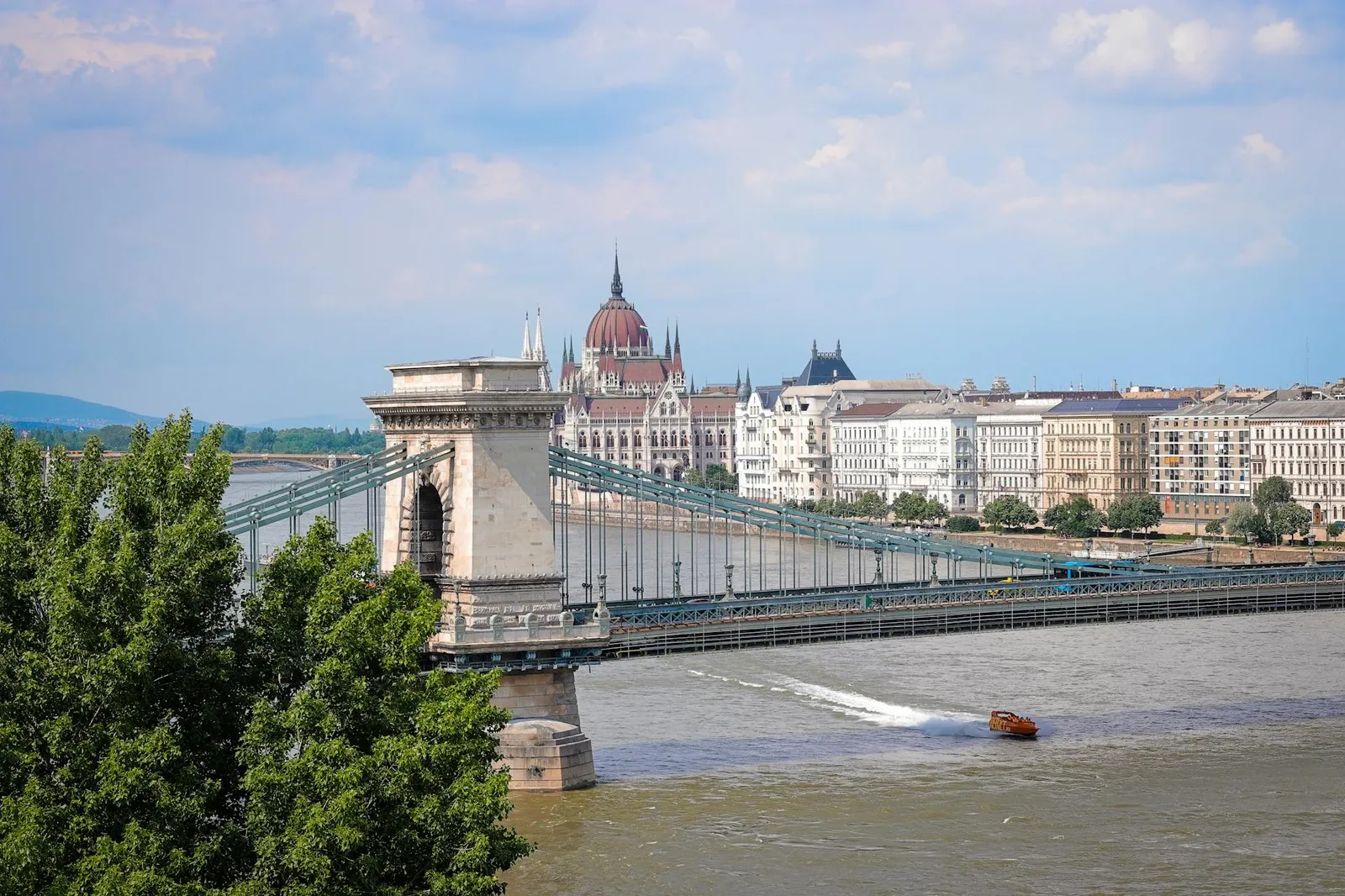
Αναδεικνύεται η Ουγγαρία ως Νέος Φορολογικός Παράδεισος για τις Επιχειρήσεις στην Ευρώπη;
Καθώς οι παγκόσμιες επιχειρήσεις συνεχίζουν να αναζητούν τις βέλτιστες τοποθεσίες για να ιδρύσουν τις δραστηριότητές τους, η Ουγγαρία ξεχωρίζει ως μια δυναμική χώρα που αναγνωρίζεται ολοένα και περισσότερο ως πιθανός φορολογικός παράδεισος στην Ευρώπη. Η περίπλοκη ισορροπία μεταξύ της μείωσης του κόστους και της διατήρησης της συμμόρφωσης με τους διεθνείς κανονισμούς έχει καταστήσει την Ουγγαρία μια ελκυστική επιλογή για τους επενδυτές που επιθυμούν να μεγιστοποιήσουν τις αποδόσεις τους, διασφαλίζοντας παράλληλα ότι οι εταιρείες τους παραμένουν νόμιμες. Αυτό το αναδυόμενο τοπίο δημιουργεί ενδιαφέρον τόσο μεταξύ των επιχειρηματιών όσο και των καθιερωμένων εταιρειών, ιδιαίτερα σε τομείς όπως η μεταποίηση και η αυτοκινητοβιομηχανία, όπου η επενδυτική δραστηριότητα αυξάνεται.
Οι εταιρικοί φορολογικοί συντελεστές της Ουγγαρίας, οι οποίοι είναι από τους χαμηλότερους στην Ευρωπαϊκή Ένωση, την καθιστούν έναν ελκυστικό προορισμό για άμεσες ξένες επενδύσεις. Οι επενδυτές που επιδιώκουν να δημιουργήσουν κοινοπραξίες μπορούν να επωφεληθούν από ένα επιχειρηματικό οικοσύστημα που υποστηρίζει προηγμένες λειτουργίες, ενώ παράλληλα διαχειρίζεται αποτελεσματικά τις φορολογικές τους υποχρεώσεις. Με την υπόσχεση συγκεκριμένων κινήτρων και ένα άρτια καταρτισμένο εργατικό δυναμικό, το οικονομικό περιβάλλον της Ουγγαρίας ενθαρρύνει τις επιχειρήσεις να διεξάγουν τις δραστηριότητές τους με έμφαση στην αποτελεσματικότητα και την ανάπτυξη, αντί να επιβαρύνονται με υψηλότερες υποχρεώσεις καταβολής φόρων.
Επιπλέον, οι αριθμοί αντικατοπτρίζουν μια τάση που δεν μπορεί να αγνοηθεί. Καθώς οι επιχειρήσεις επιλέγουν όλο και περισσότερο από ένα ευρύτερο φάσμα χρηματοοικονομικών επιλογών, η ικανότητα της Ουγγαρίας να παρέχει ένα σύμφωνο και προστατευτικό πλαίσιο για τις πολυεθνικές εταιρείες τοποθετεί τη χώρα ως κορυφαίο υποψήφιο στον τομέα της εταιρικής φορολογικής στρατηγικής. Καθώς εμβαθύνουμε στο μέλλον της εταιρικής φορολογίας στην Ευρώπη, γίνεται σαφές ότι χώρες όπως η Ουγγαρία επαναπροσδιορίζουν τι σημαίνει να ενσωματώνουμε με επιτυχία τον φορολογικό σχεδιασμό με τις επιχειρηματικές δραστηριότητες, καλλιεργώντας ένα κλίμα όπου τόσο οι τοπικές όσο και οι διεθνείς επιχειρήσεις μπορούν να ευδοκιμήσουν.
Βέλτιστες πρακτικές διεθνούς εταιρικής φορολογίας

Στη σημερινή παγκοσμιοποιημένη οικονομία, οι πολυεθνικές εταιρείες αναζητούν συνεχώς τρόπους για να βελτιστοποιήσουν τις φορολογικές τους στρατηγικές. Η εφαρμογή βέλτιστων πρακτικών στη διεθνή εταιρική φορολογία μπορεί να βελτιώσει σημαντικά την ικανότητα μιας εταιρείας να διαχειρίζεται αποτελεσματικά τις υποχρεώσεις της. Μια ισχυρή μεθοδολογία που υιοθετούν οι επιχειρήσεις είναι η καθιέρωση μιας ισχυρής διαδικασίας τεκμηρίωσης, η οποία χρησιμεύει για τον εξορθολογισμό της παρακολούθησης των δραστηριοτήτων που σχετίζονται με τη φορολογία. Αυτό είναι ιδιαίτερα σημαντικό για εταιρείες που δραστηριοποιούνται σε πολλές δικαιοδοσίες, καθώς οι λεπτομέρειες των διασυνοριακών πληρωμών και των φορολογητέων δραστηριοτήτων μπορεί να διαφέρουν ευρέως.
Η βάση μιας επιτυχημένης φορολογικής στρατηγικής είναι η κατανόηση των τελευταίων τάσεων και κανονισμών σε κάθε χώρα όπου δραστηριοποιείται η εταιρεία σας. Επιπλέον, καθώς οι φορολογικές αρχές αυστηροποιούν τους κανονισμούς, είναι ζωτικής σημασίας για τις επιχειρήσεις να διασφαλίζουν τη συμμόρφωση, μεγιστοποιώντας παράλληλα τις πλεονεκτικές θέσεις τους. Για παράδειγμα, η Ουγγαρία έχει αναδειχθεί ως ένας ελκυστικός προορισμός για εταιρείες που επιδιώκουν να επωφεληθούν από τους χαμηλούς εταιρικούς φορολογικούς συντελεστές της. Δημιουργώντας μια περιορισμένη παρουσία εκεί, οι επιχειρήσεις μπορούν να κεφαλαιοποιήσουν αυτή την ευκαιρία χωρίς να συναντήσουν υπερβολικούς φραγμούς.
Μια άλλη βασική πτυχή των βέλτιστων πρακτικών στη διεθνή εταιρική φορολογία είναι η ενσωμάτωση της τεχνολογίας. Η εφαρμογή προηγμένου λογισμικού διαχείρισης φόρων μπορεί να βοηθήσει τις πολυεθνικές εταιρείες να παρακολουθούν τις φορολογικές τους θέσεις και τις απαιτήσεις συμμόρφωσης σε πραγματικό χρόνο. Αυτή η ενημερωμένη τεχνολογία ενισχύει την ικανότητα μιας εταιρείας να ανταποκρίνεται γρήγορα σε τυχόν αλλαγές στη φορολογική νομοθεσία, διασφαλίζοντας ότι είναι πάντα σε ευθυγράμμιση με τις κανονιστικές ανάγκες. Επιπλέον, η χρήση τέτοιων συστημάτων επιτρέπει την καλύτερη παρακολούθηση των οικονομικών, απλοποιώντας τη διαδικασία της φορολογικής τεκμηρίωσης.
Το προσωπικό διαδραματίζει καθοριστικό ρόλο στην αποτελεσματικότητα των φορολογικών στρατηγικών. Είναι απαραίτητο να υπάρχει αφοσιωμένο προσωπικό εκπαιδευμένο στις πιο πρόσφατες φορολογικές μεθοδολογίες και ικανό να περιηγηθεί στις πολυπλοκότητες της παγκόσμιας φορολογικής συμμόρφωσης. Αυτά τα ταλαντούχα άτομα μπορούν να βοηθήσουν στον εντοπισμό ευκαιριών για φορολογικό σχεδιασμό και να διασφαλίσουν ότι η εταιρεία είναι πλήρως ενημερωμένη για τους πιθανούς κινδύνους και τα οφέλη που σχετίζονται με διαφορετικές φορολογικές δικαιοδοσίες. Καθώς οι εταιρείες επεκτείνουν τη διεθνή τους παρουσία, η επένδυση σε ανθρώπινο δυναμικό αφιερωμένο στη φορολογική διαχείριση γίνεται όλο και πιο σημαντική.
Τέλος, η συνεργασία με εξωτερικούς φορολογικούς συμβούλους μπορεί να τονώσει σημαντικά την προσέγγιση μιας εταιρείας στη διεθνή φορολογία. Μια μεγάλη εταιρεία μπορεί να παρέχει πληροφορίες για το εξελισσόμενο τοπίο, προσφέροντας ορθές συμβουλές σχετικά με πιθανές προσαρμογές που είναι απαραίτητες για τη διατήρηση της ανταγωνιστικής απήχησης. Αυτή η συνεργατική προσέγγιση όχι μόνο ενισχύει την κατανόηση της εταιρείας για τις φορολογικές της υποχρεώσεις, αλλά βοηθά επίσης στην καθιέρωση μιας προληπτικής και όχι αντιδραστικής στάσης στην αντιμετώπιση των φορολογικών προκλήσεων σε διάφορες αγορές.
Κατανόηση της εταιρικής φορολογικής δομής της Ουγγαρίας
Η εταιρική φορολογική δομή της Ουγγαρίας χαρακτηρίζεται από έναν ευνοϊκό συντελεστή 9%, καθιστώντας την έναν από τους χαμηλότερους στην Ευρώπη. Αυτό το σημαντικό πλεονέκτημα προσελκύει μεγάλες εταιρείες που επιδιώκουν να βελτιστοποιήσουν τις φορολογικές τους υποχρεώσεις. Το σύστημα επιτρέπει στις επιχειρήσεις να πραγματοποιούν αποτελεσματικές πληρωμές και υποστηρίζει απεριόριστη πρόσβαση σε διάφορους χρηματοδοτικούς μηχανισμούς. Επιπλέον, το ουγγρικό μητρώο διασφαλίζει τη διαφάνεια, καθοδηγώντας τις εταιρείες στο ρυθμιστικό τοπίο. Επιπλέον, υπάρχουν διατάξεις για ορισμένα φορολογικά κίνητρα, όπως μειωμένοι συντελεστές επί των διανομών μερισμάτων και των επενδύσεων στην έρευνα και ανάπτυξη, οι οποίες προσθέτουν στο φιλικό επιχειρηματικό περιβάλλον.
Καθώς οι εταιρείες αναζητούν όλο και περισσότερο πλεονεκτικές συνθήκες λειτουργίας, η Ουγγαρία έχει τοποθετηθεί ως μια βιώσιμη εναλλακτική λύση για τις επιχειρήσεις, ειδικά σε βιομηχανίες όπως τα ηλεκτρονικά είδη. Με τις αυξανόμενες εξελίξεις και μια μόνιμη δέσμευση για τη διατήρηση του ανταγωνιστικού της πλεονεκτήματος, το έθνος υποστηρίζει μια ευέλικτη προσέγγιση που, είτε μέσω στρατηγικού σχεδιασμού είτε μέσω συνετών χρηματοοικονομικών πρακτικών, επιτρέπει στις εταιρείες να μεγιστοποιήσουν τα ακαθάριστα κέρδη τους. Αυτή η πρόσφατη τάση στην ευνοϊκή φορολογία, σε συνδυασμό με την αποτελεσματική διαχείριση του προσωπικού και τη φήμη για επιχειρηματικές πολιτικές, σηματοδοτεί μια αλλαγή στην εταιρική εστίαση προς την Ουγγαρία ως φορολογικό παράδεισο για το μέλλον.
Συγκριτική ανάλυση: Ουγγαρία έναντι άλλων ευρωπαϊκών φορολογικών δικαιοδοσιών
Η Ουγγαρία έχει αναδειχθεί ως ένας αξιοσημείωτος διεκδικητής στο ευρωπαϊκό τοπίο για τους εταιρικούς φορολογικούς παραδείσους, ιδίως σε σύγκριση με άλλες δικαιοδοσίες όπως η Ιρλανδία, το Λουξεμβούργο και οι Κάτω Χώρες. Με εταιρικό φορολογικό συντελεστή μόλις 9%, η Ουγγαρία προσελκύει μεσαίες επιχειρήσεις που αναζητούν στρατηγικές τοποθεσίες για να διαχειριστούν το εισόδημα και τα έξοδα μισθοδοσίας τους. Αυτός ο συντελεστής είναι χαμηλότερος από πολλές ανταγωνιστικές χώρες, καθιστώντας την έναν ελκυστικό προορισμό για ξένες επενδύσεις.
Επιπλέον, το επενδυτικό περιβάλλον της χώρας ενισχύεται από διάφορα κυβερνητικά προγράμματα που στοχεύουν στην υποστήριξη νέων επιχειρήσεων. Αυτά τα προγράμματα εισάγουν αρκετά κίνητρα που καθιστούν την ίδρυση δραστηριοτήτων στην Ουγγαρία τόσο οικονομικά αποδοτική όσο και αποτελεσματική. Για τις εταιρείες του αυτοκινητοβιομηχανικού τομέα, ιδίως, η Ουγγαρία έχει δημιουργήσει ένα ευνοϊκό περιβάλλον που περιλαμβάνει φορολογικές αργίες και επιχορηγήσεις, ενισχύοντας περαιτέρω την απήχηση της ως επιχειρηματικός προορισμός που στοχεύει στην επίτευξη μακροπρόθεσμης ανάπτυξης.
Επιπλέον, οι επιχειρήσεις που εξετάζουν την Ουγγαρία πρέπει να πλοηγηθούν στις συγκεκριμένες απαιτήσεις που συνοδεύουν την ίδρυση μόνιμης κατοικίας. Σε σύγκριση με άλλες φορολογικές δικαιοδοσίες, η Ουγγαρία παρέχει μια σχετικά απλή διαδικασία εγγραφής για ξένες οντότητες. Ωστόσο, είναι απαραίτητο για τους επενδυτές να συμβουλευτούν έναν οικονομικό σύμβουλο για να κατανοήσουν τις λεπτομέρειες της συμμόρφωσης και των φορολογικών υποχρεώσεων, καθώς αυτές μπορούν να επηρεάσουν σημαντικά το συνολικό λειτουργικό κόστος.
Καθώς οι εταιρείες αξιολογούν τις επιλογές τους, πρέπει να εξετάσουν ευρύτερες οικονομικές συνθήκες που επηρεάζουν τη στρατηγική λήψη αποφάσεων. Ενώ οι υψηλότεροι εταιρικοί φορολογικοί συντελεστές σε χώρες όπως η Γαλλία και η Γερμανία μπορεί να δημιουργήσουν προκλήσεις, η ανταγωνιστική φορολογική δομή της Ουγγαρίας θα μπορούσε να διευκολύνει τα υψηλότερα ακαθάριστα κέρδη για τους επενδυτές. Επομένως, η επιλογή του πού να μετεγκατασταθεί ή να επεκταθεί μια επιχείρηση απαιτεί προσεκτική εξέταση όχι μόνο των φορολογικών επιπτώσεων, αλλά και του ευρύτερου οικονομικού τοπίου.
Συνοπτικά, η Ουγγαρία καταλαμβάνει μια μοναδική θέση στο ευρωπαϊκό φορολογικό οικοσύστημα, ιδίως για επιχειρήσεις σε βιομηχανίες όπως η αυτοκινητοβιομηχανία. Ο συνδυασμός των χαμηλών εταιρικών φόρων, της κυβερνητικής υποστήριξης και των ευνοϊκών διαδικασιών εγγραφής τοποθετεί την Ουγγαρία ως μια ελκυστική εναλλακτική λύση στους παραδοσιακούς φορολογικούς παραδείσους. Καθώς οι επιχειρήσεις συνεχίζουν να αξιολογούν τις επιλογές τους, η συνεχής ενημέρωση για τις μεταβαλλόμενες συνθήκες θα είναι κρίσιμη για την επιτυχή πλοήγηση στο εξελισσόμενο φορολογικό τοπίο στην Ευρώπη.
Κίνητρα για ξένους επενδυτές στην Ουγγαρία
Η Ουγγαρία έχει εφαρμόσει διάφορες πολιτικές που έχουν σχεδιαστεί για να προσελκύσουν ξένους επενδυτές, καθιστώντας την μια πλεονεκτική χώρα για επιχειρήσεις που αναζητούν μια νέα βάση στην Ευρώπη. Μια βασική πτυχή είναι ο χαμηλός εταιρικός φορολογικός συντελεστής, ο οποίος είναι από τους χαμηλότερους στην Ευρωπαϊκή Ένωση, ανερχόμενος μόλις στο 9%. Αυτός ο συντελεστής αυξάνει σημαντικά τις δυνατότητες για κέρδος, ιδίως για νεοφυείς και καθιερωμένες εταιρείες. Επιπλέον, οι ξένοι επενδυτές μπορούν να καταχωρήσουν τις επιχειρήσεις τους πιο αποτελεσματικά, με τις αρχές να εξορθολογούν τη διαδικασία για να διασφαλίσουν ότι οι επιχειρήσεις μπορούν να ξεκινήσουν τις δραστηριότητές τους χωρίς περιττές καθυστερήσεις.
Ένας άλλος ελκυστικός παράγοντας είναι η δέσμευση της Ουγγαρίας για την προώθηση ενός σταθερού και ασφαλούς περιβάλλοντος για επενδύσεις. Η χώρα προσφέρει διάφορα κίνητρα που υποστηρίζουν άμεσα τις διεθνείς εταιρείες, συμπεριλαμβανομένων των φορολογικών ελαφρύνσεων και των οικονομικών επιχορηγήσεων που έχουν σχεδιαστεί για να προωθήσουν πρωτοβουλίες έρευνας και ανάπτυξης. Αυτά τα κίνητρα μπορεί να είναι ιδιαίτερα πλεονεκτικά για τις εταιρείες τεχνολογίας και τις επιχειρήσεις που επικεντρώνονται στην καινοτομία. Η κυβέρνηση διασφαλίζει ότι οι κανονισμοί εξελίσσονται σύμφωνα με τις παγκόσμιες τάσεις, γεγονός που βοηθά τις επιχειρήσεις να παραμείνουν ανταγωνιστικές και μειώνει το άγχος που συχνά συνδέεται με τη διεθνή επέκταση.
Οι επενδυτές μπορούν επίσης να επωφεληθούν από τη στρατηγική γεωγραφική θέση της Ουγγαρίας, η οποία χρησιμεύει ως πύλη μεταξύ Ανατολικής και Δυτικής Ευρώπης. Αυτή η θέση δημιουργεί ευκαιρίες για επιχειρήσεις που επιδιώκουν να επεκτείνουν την εμβέλειά τους σε γειτονικές αγορές. Επιπλέον, η παρουσία μεγάλων παγκόσμιων αυτοκινητοβιομηχανιών, όπως η Audi, τονίζει την ισχυρή βιομηχανική βάση της χώρας, προσελκύοντας έμμεσα περισσότερες ξένες επενδύσεις. Τέτοιες εξελίξεις στο εταιρικό τοπίο όχι μόνο παρέχουν ασφάλεια στους ξένους επενδυτές, αλλά ενθαρρύνουν επίσης την επανεπένδυση στην ουγγρική οικονομία.
Ενώ υπάρχουν πολλά πλεονεκτήματα, οι πιθανοί επενδυτές θα πρέπει να γνωρίζουν ορισμένες αποποιήσεις ευθυνών και υποχρεώσεις που σχετίζονται με τη λειτουργία στην Ουγγαρία. Οι περιβαλλοντικοί κανονισμοί, για παράδειγμα, μπορεί να απαιτούν από τις επιχειρήσεις που πραγματοποιούν επιχειρηματικές δραστηριότητες να συμμορφώνονται τόσο με τα τοπικά όσο και με τα πρότυπα της ΕΕ. Ωστόσο, το συνολικό επιχειρηματικό περιβάλλον στην Ουγγαρία έχει σχεδιαστεί για να οδηγήσει στην επιτυχία, διασφαλίζοντας ότι οι ξένοι επενδυτές μπορούν να λάβουν τις απαραίτητες άδειες και υποστήριξη για να ευδοκιμήσουν. Καθώς η Ουγγαρία συνεχίζει να αναπτύσσει την ιδιότητά της ως εταιρικού κόμβου, οι δυνατότητες για αυξημένες επενδύσεις αυξάνονται, προσθέτοντας στη συνολική ελκυστικότητα αυτού του αναδυόμενου φορολογικού παραδείσου στην Ευρώπη.
Νομικό πλαίσιο που υποστηρίζει τη φορολογική αποτελεσματικότητα στην Ουγγαρία
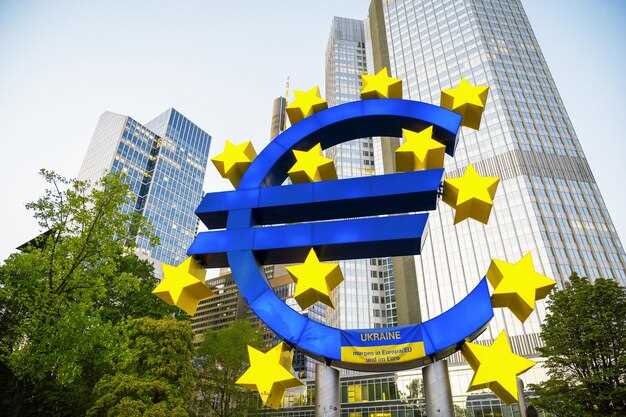
Η Ουγγαρία έχει αναδειχθεί ως ένας ελκυστικός προορισμός για τις επιχειρήσεις που επιδιώκουν να βελτιστοποιήσουν τα εταιρικά φορολογικά τους περιβάλλοντα. Το νομικό πλαίσιο έχει σχεδιαστεί για να διευκολύνει ένα ευνοϊκό φορολογικό κλίμα, καθιστώντας ευκολότερη για τις ξένες και τις τοπικές εταιρείες να διαχειρίζονται αποτελεσματικά τις δραστηριότητές τους. Αυτή η ανάληψη υποστηρίζεται από διάφορους κανονισμούς και νομοθετικές διατάξεις, οι οποίες συλλογικά στοχεύουν στην προώθηση ενός δυναμικού επιχειρηματικού περιβάλλοντος.
Ένα από τα βασικά χαρακτηριστικά του φορολογικού συστήματος της Ουγγαρίας είναι ο συντελεστής φόρου εισοδήματος εταιρειών, ο οποίος ανέρχεται σε ένα επιτακτικό 9%. Αυτός ο συντελεστής είναι χαμηλότερος από ό,τι σε πολλά άλλα ευρωπαϊκά έθνη, καθιστώντας την μια προτιμώμενη τοποθεσία για διεθνείς επιχειρήσεις. Επιπλέον, οι κανονισμοί σχετικά με τη διανομή μερισμάτων επιτρέπουν στους μετόχους να επωφεληθούν σημαντικά, καθώς οι φόροι που πρέπει να καταβληθούν επί των μερισμάτων είναι ελάχιστοι. Αυτό το χαρακτηριστικό ενισχύει τη φήμη της Ουγγαρίας ως ευνοϊκού φορολογικού παραδείσου.
Όσον αφορά την εγγραφή και τη συμμόρφωση, η Ουγγαρία έχει απλοποιήσει τις απαιτήσεις της. Η διαδικασία για την απόκτηση των απαραίτητων αδειών και αδειών έχει απλοποιηθεί, μειώνοντας έτσι τον γραφειοκρατικό φόρτο στις επιχειρήσεις. Πρωτοβουλίες που στοχεύουν στην ελαχιστοποίηση των επιβαρύνσεων υποβολής βοηθούν τις εταιρείες να επικεντρωθούν στις βασικές τους δραστηριότητες και όχι να βαλτώνουν από υπερβολικές διοικητικές εργασίες.
Το νομικό πλαίσιο της χώρας εισάγει επίσης πολλαπλές διαδρομές για τους ιδιοκτήτες για να δημιουργήσουν διάφορους τύπους οντοτήτων. Για παράδειγμα, οι επιχειρήσεις μπορούν να επιλέξουν από εταιρείες περιορισμένης ευθύνης (Kft) σε οποιονδήποτε αριθμό άλλων επιχειρηματικών δομών που μπορεί να είναι πιο κατάλληλες για τις ανάγκες τους. Αυτές οι επιλογές παρέχουν στις επιχειρήσεις την ευελιξία να επιλέξουν έναν τύπο οντότητας που να ευθυγραμμίζεται με την επιχειρησιακή τους στρατηγική, προσφέροντας μεγαλύτερο έλεγχο στις οικονομικές αποφάσεις και τον φορολογικό σχεδιασμό.
Επιπλέον, η υιοθέτηση από την Ουγγαρία των Διεθνών Δημόσιων Λογιστικών Προτύπων (ΔΔΛΠ) διασφαλίζει ότι οι λογιστικές πρακτικές είναι διαφανείς και αναγνωρίζονται παγκοσμίως. Αυτό το νομικό πλαίσιο όχι μόνο ενισχύει την αξιοπιστία, αλλά παρέχει επίσης στους διεθνείς επενδυτές διαβεβαίωση σχετικά με τις οικονομικές εκθέσεις. Με αυτόν τον τρόπο, οι επιχειρήσεις μπορούν να συνεχίσουν να προσελκύουν ξένες επενδύσεις, διατηρώντας παράλληλα τη συμμόρφωση με αυστηρά κανονιστικά πρότυπα.
Τα φορολογικά κίνητρα στην Ουγγαρία έχουν σχεδιαστεί για να προωθήσουν την καινοτομία και την έρευνα, υπογραμμίζοντας περαιτέρω την απήχησή της. Η κυβέρνηση έχει δημιουργήσει ιδρύματα που παρέχουν υποστήριξη σε εταιρείες που επιδιώκουν προηγμένες τεχνολογικές πρωτοβουλίες. Με τη σειρά τους, αυτές οι κανονιστικές αλλαγές δημιουργούν ένα πιο ισχυρό οικοσύστημα όπου οι επιχειρήσεις μπορούν να ευδοκιμήσουν και να αναπτύξουν τις λύσεις του μέλλοντος.
Η εργασία ομάδων που ειδικεύονται στις φορολογικές συμβουλές βοηθά τόσο τις μικρότερες όσο και τις μεγαλύτερες επιχειρήσεις να πλοηγηθούν αποτελεσματικά στο νομικό τοπίο. Αυτοί οι ειδικοί διασφαλίζουν ότι οι ιδιοκτήτες επιχειρήσεων είναι ενήμεροι για τους εξελισσόμενους κανονισμούς και βοηθούν στη στρατηγική διαχείριση των φορολογικών τους υποχρεώσεων. Μέσω συνετού σχεδιασμού και ενημερωμένης λήψης αποφάσεων, οι εταιρείες μπορούν να μεγιστοποιήσουν τα πλεονεκτήματά τους και να εδραιώσουν ένα ισχυρό σημείο στήριξης στην αναδυόμενη αγορά της Ουγγαρίας.
Έτοιμοι να ιδρύσετε την εταιρεία σας στην Κύπρο;
Οι ειδικοί μας σας καθοδηγούν σε όλη τη διαδικασία — εγγραφή, φορολογική ρύθμιση και άνοιγμα τραπεζικού λογαριασμού.
Ζητήστε συμβουλευτική →