
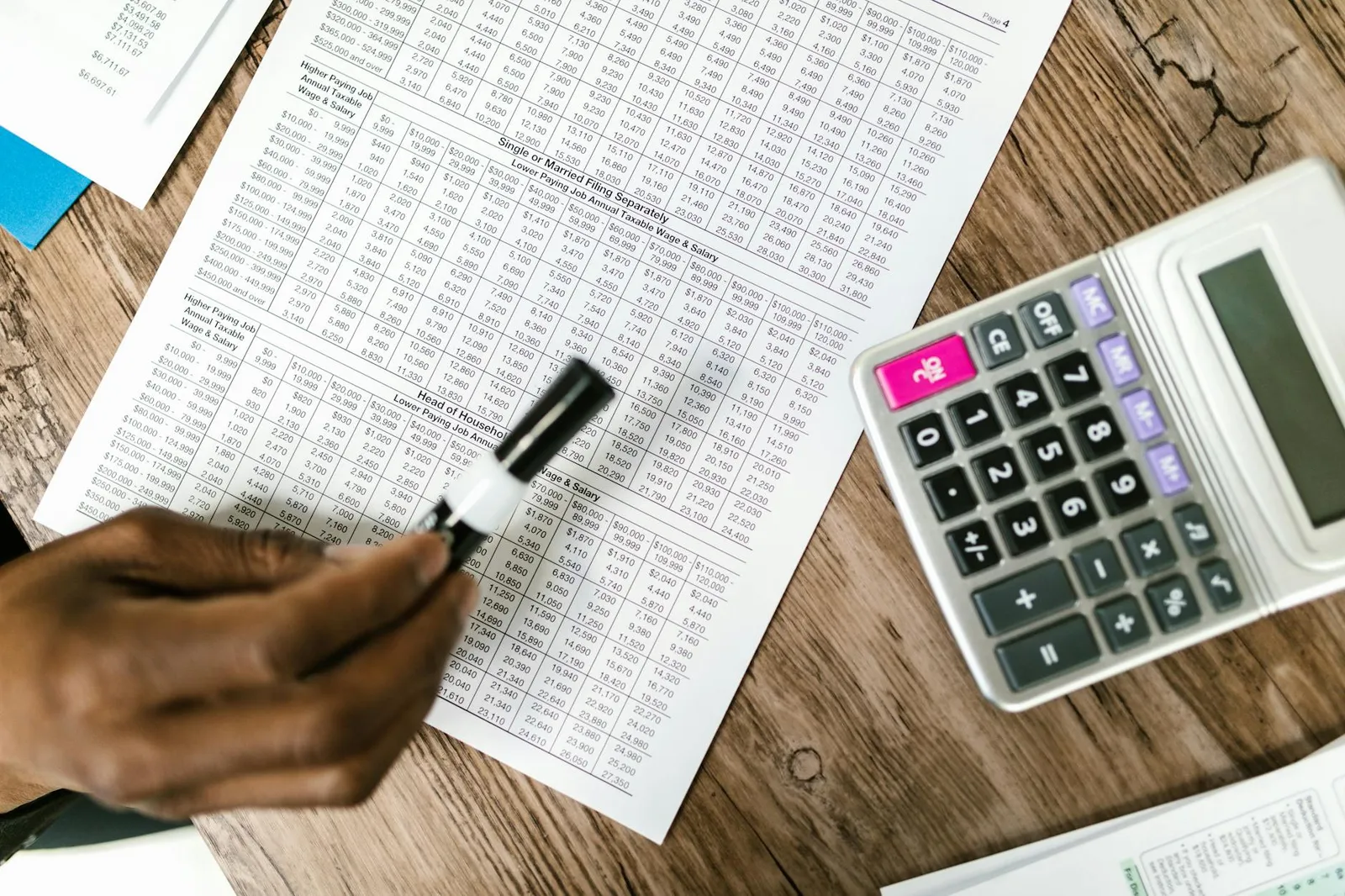
Возврат НДС в ЕС — Как вернуть иностранный НДС
Рекомендация: Соберите компактное досье в течение квартала после соответствующих приобретений; приложите детализированные чеки, счета-фактуры поставщиков и подтверждение резидентства для их статуса. Используйте четкие отметки на документах, чтобы ускорить утверждение на Кипре и в других государствах-членах.
Перспективы возмещения трансграничного налога на добавленную стоимость остаются благоприятными на нескольких рынках, особенно в сегментах, связанных с туризмом, для которых существуют льготы на покупки, связанные с проживанием, транспортом и услугами, связанными с поездками.
Чтобы подать заявку, соберите счета-фактуры поставщиков, подтверждения оплаты и записи о поездках; отправьте через официальный портал; убедитесь, что отметки продавца соответствуют стране происхождения; загрузите данные в один файл; используйте портал chinadezshiracom, если он доступен.
Кипрские офисы предоставляют более низкие пороговые значения для нескольких категорий приобретения; проверяйте статус по странам и подавайте заявки ежеквартально; сохраняйте копии для отслеживания доходов и готовности к аудиту; храните записи в течение нескольких лет для поддержки корректировок.
В этой статье обобщены практические шаги для максимизации результата от претензий, хранения записей с их пометками и улучшения перспектив роста доходов во время туристических сезонов.
Возврат НДС в ЕС: Пошаговая информация о праве на участие и подаче заявок
Составьте карту подходящих трансграничных сборов прямо сейчас; соберите счета, чеки и авансовые платежи в один файл, чтобы ускорить обработку.
Право на участие основывается на трех столпах: законное учреждение, предварительные облагаемые налогом покупки за границей и отсутствие дисквалифицирующих исключений, таких как услуги, освобожденные от НДС. Перепроверьте по официальным публикациям, чтобы убедиться в точности.
- Сбор документации: соберите счета-фактуры, подтверждения оплаты, идентификаторы поставщиков и даты выставления счетов; храните метаданные в единой системе; убедитесь, что конвертация валюты задокументирована.
- Оценка соответствия критериям: определите позиции, облагаемые налогом на добавленную стоимость; исключите позиции с освобождением от налогов; пометьте строки как услуги или товары и отметьте трансграничный элемент.
- Выбор схемы и маршрута: выберите программы, соответствующие размеру бизнеса; используйте интеграцию с национальными или общеевропейскими схемами, если они доступны; пример Кипра может проиллюстрировать путь.
- Расчет суммы: суммируйте начисленные суммы; примените валютный курс на дату выставления счета; согласуйте авансовые платежи с соответствующими счетами-фактурами; отслеживайте любые кредиты, автоматически возвращенные на счета поставщиков.
- Сроки и подача: определите окно подачи заявок; типичные окна варьируются от 2 до 6 месяцев в зависимости от юрисдикции; приложите подтверждающие документы, чтобы ускорить проверки и верификацию.
- Последующие действия после подачи: следите за статусом, отвечайте на запросы информации и храните записи для будущих подач.
Преимущества денежного потока возникают, когда обработка упрощается через границы; глобальные потоки налога на добавленную стоимость составляют триллион евро в транзакциях; предварительная автоматизация снижает трения.
Кипрский случай демонстрирует, что малые предприятия могут использовать упрощенное выставление счетов при достижении пороговых значений, что позволяет ускорить обработку; их команды могут отслеживать точки данных в режиме реального времени.
Процесс просто структурирован, чтобы минимизировать пробелы в данных; рейтинговые проверки качества документов ускоряют утверждения и уменьшают количество возвратов.
Будьте готовы к изменениям в законодательстве в государствах-членах; обновляйте политические публикации с предстоящими корректировками, чтобы избежать задержек.
Кто может вернуть иностранный НДС: резидентство, варианты использования и нерезиденты
Путешественникам следует начать с подтверждения права на участие в национальном налоговом органе и собрать чеки из магазинов, в которых указаны начисленные суммы, убедившись, что присутствует минимальный объем данных; соблюдайте сроки, установленные принимающим государством, для возмещения налога на соответствующие покупки.
Резидентство определяет право на участие: резиденты государств-членов обычно не имеют права на возмещение неместного налога на обычные внутренние покупки. Нерезиденты могут получить выгоду, когда товары экспортируются в соответствии с нормативными правилами; сроки и документация экспорта должны соответствовать требованиям агентства, при этом возмещение обычно осуществляется посредством интеграции между розничными торговцами и поставщиком услуг по возврату налогов, что обеспечивает общий путь выплат.
Варианты использования охватывают простые личные покупки для поездок, которые покинут блок, с товарами, предназначенными для отгрузки или личного использования. В частности, путешественники могут вернуть часть суммы налога на соответствующие товары; суммы, подлежащие возмещению, варьируются в зависимости от страны и категории, а некоторые магазины взимают небольшую плату за обслуживание. Убедитесь, что в чеках указаны начисленные суммы, и подтвердите, что цены не включают коды скидок, где это необходимо; этот контент актуален для покупателей из таких стран, как Филиппины и другие направления.
Нерезиденты должны представить товары, чеки и бланк, не облагаемый налогом, при отъезде; таможенное подтверждение может потребоваться в цепочке поставок, и это убежище ориентиров поддерживается нормативной базой и сетью агентств. Пример с Филиппин показывает, как путешественник с Филиппин может выполнить те же действия, проверив сроки и убедившись, что документация заполнена.
Общие шаги: совершайте покупки в участвующих розничных магазинах, сохраняйте надлежащие документы и используйте официальные порталы или агентства-партнеры для мониторинга статуса. Контент от регуляторов объясняет право на участие, сборы и сроки. Необходимо точно отслеживать суммы; необходимо ознакомиться с общими минимальными порогами и сроками подачи заявок; интеграция между магазинами и налоговым органом упрощает процесс.
Какие покупки и расходы подлежат возврату

Начните с определения товаров, подлежащих возврату налога, и упакуйте чеки от назначенных поставщиков; помните, что правила зависят от страны назначения и категории покупки.
Соответствующие категории
- Товары, оборудование и материалы, купленные для использования в бизнесе и предназначенные для операций за пределами рынка происхождения; в счетах-фактурах должны быть указаны поставщик, дата, описание товара, сумма и четко указанная часть налога; платежи должны совпадать с номерами заказов; место назначения определяет окно соответствия требованиям.
- Расходы, связанные с поездками, понесенные в официальных поездках, включая проживание, местный транспорт и основные блюда; подтверждается детальными чеками или цифровыми записями; продемонстрируйте деловую цель и участников; соблюдайте сроки, определенные правилами.
- Профессиональные услуги, обучение и публикации, напрямую связанные с трансграничными операциями; документы должны включать описание услуг, количество часов, ставку и часть налога; убедитесь, что платежи отслеживаются до кодов проекта.
- Расходы на доставку, упаковку и страхование, связанные с соответствующими товарами; чеки должны подтверждать связь с исходными закупками и статусом экспорта/назначения; по возможности используйте документацию, предоставленную поставщиком, с указанием налоговой части.
Документация и этапы процесса
- Оцените право на участие, используя информацию из официальных публикаций; знания для клиентов, чья деятельность охватывает несколько пунктов назначения, показывают, какие товары соответствуют требованиям; помните, что несколько факторов зависят от пункта назначения и использования.
- Соберите необходимые документы: детализированные счета-фактуры, упаковочные листы, подтверждение оплаты и свидетельство об экспорте или пункте назначения; предоставленные документы должны быть полными и храниться под рукой для проведения аудитов.
- Подайте заявку через назначенный канал в юрисдикции происхождения или назначения; приложите все материалы с четкими ссылками; используйте цифровые формы, где они доступны, и храните упакованную папку для проверок на месте.
- Следите за статусом; получайте запросы на дополнительную информацию; оперативно реагируйте на них; после оценки платежи обрабатываются в соответствии с общими сроками.
Практические советы для этого процесса
- Координируйте свои действия с клиентами и поставщиками, которые предлагают четкие налоговые компоненты; это помогает согласовывать платежи и сокращает задержки.
- Поддерживайте централизованную систему в своем бизнесе для отслеживания соответствующих товаров, статусов и сроков; включите поля для пункта назначения, налогооблагаемой базы и подлежащих возврату частей.
- Проверьте счета-фактуры поставщиков на наличие валюты, даты и указания суммы налога; храните копии всех публикаций, в которых разъясняются местные требования.
- Получайте быструю, действенную информацию от местных коллег в местах назначения, где претензии предъявляются чаще всего; их отзывы помогают ужесточить подачу заявок.
Сроки и окна подачи заявок по юрисдикциям
Подавайте заявку до 30 апреля после каждого периода, используя зарегистрированную программу, чтобы избежать штрафов; проверьте, соответствуют ли товары установленным критериям; храните чеки и детализированные списки для пограничного контроля.
Правила, специфичные для юрисдикции, различаются; во многих случаях жители, торгующие внутри границ, должны подать заявку в течение 3–9 месяцев после окончания периода; некоторые календари устанавливают единый срок около апреля для результатов календарного года; подтвердите местные требования, как только это станет возможным, потому что задержки могут привести к потере возвращенных сумм.
Формы доступны через официальные порталы; ведите счетчики подачи заявок; используйте онлайн-шаги для компенсации предстоящих обязательств; убедитесь, что ваши товары соответствуют назначенной документации; используйте системы оценки для определения скорости обработки.
Искажения, вызванные пандемией, смягчились; многие органы власти добавили удобные для бизнеса пути, продлив периоды или ослабив критерии; резиденты, торгующие через границы, получили выгоду, когда сроки растянулись; возвращенные суммы могут компенсировать текущие обязательства.
Сравните по юрисдикциям: многие контексты предлагают более простые маршруты для возвращенных сумм; если ваши операции включают несколько границ, используйте единый статус программы для ускорения обработки; формы должны отражать описание товара, количество и даты.
Необходимая документация и стандарты выставления счетов
Начните со создания централизованного хранилища для счетов-фактур, чеков и деклараций, отсортированных по географическому назначению. Используйте стандартный шаблон счета-фактуры, в котором указаны наименование поставщика, адрес, дата выдачи, идентификатор счета-фактуры, позиции, цены за единицу, сумма до налогообложения, налоговая ставка, сумма налога, валюта и идентификаторы получателя. Ведите журнал счетчиков для утверждений. Привлеките консультантов для проверки соответствия требованиям перед отправкой. Соблюдайте процессы, которые отделяют возмещаемые налоги от невозмещаемых; во многих случаях суммы проходят через счетчики, прежде чем будет выбран путь возмещения, что позволяет заявлять их повторно. Убедитесь, что все подтверждающие документы соответствуют соответствующим статьям и замечаниям, предоставленным органами власти.
Стандарты выставления счетов требуют указания следующих полей в каждом документе: наименование поставщика, юридический адрес, дата выдачи, номер счета-фактуры, описание товара, количество, цена за единицу, сбор, налоговая ставка, сумма налога, валюта, идентификаторы плательщика и получателя, географический код и ссылка на географический регион. Соответствующие статьи в местных правилах определяют обязательные данные; убедитесь в соответствии со статьями. Если вы готовите данные для отправки, храните цифровые копии, добавьте проверки от консультантов и ведите журнал аудита.
Чек-лист документации: список вложений включает счет-фактуру поставщика, заказ на покупку или контракт, подтверждение оплаты, транспортный или таможенный документ, уведомление о доставке, подтверждение деловой цели, подтверждение страны назначения, расписки об оплате и цифровые копии. Убедитесь, что заголовки, даты и идентификаторы совпадают во всех документах, чтобы избежать несоответствий, которые запускают счетчики и задержки. Соблюдайте правила именования папок для быстрой перекрестной проверки счетчиками и консультантами, особенно при обработке нескольких статей и географических областей.
| Тип документа | Цель | Примечания |
|---|---|---|
| Счет-фактура | Показывает детализированный сбор, налоговые данные и идентификаторы | Убедитесь, что вышеуказанные поля присутствуют и разборчивы |
| Заказ на покупку / контракт | Поддерживает журнал авторизации | Соответствует позициям в счете-фактуре; номера ссылок должны совпадать |
| Подтверждение оплаты | Подтверждение перевода средств | Укажите ссылку на оплату, дату, сумму, личность плательщика |
Способы подачи, сроки обработки и отслеживание претензии
Подайте заявку через официальный национальный портал, используя поданную форму заявки, а затем отслеживайте статус по ссылочному номеру.
При подаче заявки проверьте право на участие перед подачей; правила требуют чеки, подтверждение покупки и детали оборудования; убедитесь, что информация соответствует записям.
Даты отъезда могут повлиять на сроки обработки; укажите точные даты покупки, чтобы избежать задержек.
Посетите вебинары или брифинги, предлагаемые властями; материалы от консультантов объясняют разницу между онлайн-маршрутами и подачей заявок лично и разъясняют правила.
В государственных системах правила различаются; в юрисдикциях Гонконга магазины могут потребовать отдельную документацию для каждого товара.
Отслеживание претензии: после подачи сроки обработки варьируются от 4 до 12 недель в зависимости от юрисдикции; проверьте статус через онлайн-портал; подпишитесь на оповещения; если произошли какие-либо обновления, свяжитесь с консультантами.
Информация для сбора включает чеки, налоговые документы, дату покупки, наименование магазина, детали оборудования, дату отъезда и контактное лицо государственного органа. Пожалуйста, убедитесь, что эти товары поданы со всеми материалами.
Если подача не удалась или заканчивается неудачным сообщением, просмотрите отзывы, предоставьте недостающую информацию и повторно отправьте. Правила могут потребовать еще один брифинг; пожалуйста, используйте вебинары, что��ы избежать неудачи.
Каждый маршрут требует точности и правильно поданной информации; убедитесь, что каждый поданный товар соответствует записям. Для получения дополнительной информации проконсультируйтесь с вебинарами и консультантами, ориентированными на потребителей.
Готовы зарегистрировать компанию на Кипре?
Наши специалисты сопровождают вас на всех этапах — регистрация, налоговая настройка и открытие банковского счёта.
Запросить консультацию →