

10 Essential Strategies to Safeguard Your Business in 2024
In the ever-evolving landscape of the digital world, safeguarding your business has become more important than ever. With the rise of cyberthreats, including the alarming trend of cyberextortion, it is crucial to establish effective safeguards that can protect both your operations and your customers. Threats can manifest in many forms, from suspicious online activities to poor password management, and without proper security measures in place, the losses can be devastating.
As we head into 2024, it is imperative to adopt a structured strategy that addresses these risks head-on. This article will highlight ten essential tips designed to provide robust protection for your business. These strategies will encompass a range of critical components, ensuring that you are equipped to prevent any potential theft or data loss. By establishing effective risk management policies, you will be able to not only maintain a competitive edge but also support your employees in creating a secure working environment.
See also: Offshore Corporate Services: How Services Support Global Business.
Importantly, financial expenses related to cyber incidents can quickly escalate, making it vital to limit your vulnerabilities. Implementing simple yet effective security practices can make a significant difference in how you protect your valuable assets. This includes everything from ensuring your networks are secure to training employees on recognizing the signs of a cyberattack. Additionally, seeking insurance that covers cyber-related incidents can provide an extra layer of security, allowing you to operate with peace of mind in an increasingly complex digital marketplace.
Risk Assessment and Management
Effective risk assessment and management are crucial for businesses looking to safeguard their operations in 2024. Understanding the potential risks, including theft, unauthorized access, and data breaches, will help organizations in creating formal plans to mitigate these threats. Different events can lead to significant impacts on income and customer trust, making it essential to keep a thorough inventory of vulnerabilities. Utilize reports and tools, such as Chubb, which can provide insights into the specific challenges your business may face while also offering tips for enhancing security measures.
See also: Smart Moves in a Volatile World.
See also: How to Safely Bank a Crypto Business.
It’s necessary to adopt a proactive approach toward risk management, focusing on both internal and external factors. Simplifying the encryption process for sensitive data can protect against breaches and ensure that customer information remains secure. Regularly setting up audits and assessments will allow businesses to identify weaknesses in their current plans. Be prepared to respond promptly to potential issues, whether it’s an employee mismanagement situation or a physical break-in. This level of preparedness will significantly increase resilience against unforeseen events.
Finally, create a comprehensive table outlining the various risks your business may encounter, along with corresponding management strategies. This document should be used as a reference point for employees and management alike, ensuring everyone understands the necessary steps to take in case of an event. Importantly, the number of breached incidents has risen, but having a solid risk management plan in place will ensure your business can operate between potential threats. Always remember, protecting your business is an ongoing process that requires continuous evaluation and adaptation.
Identifying Vulnerabilities in Your Operations
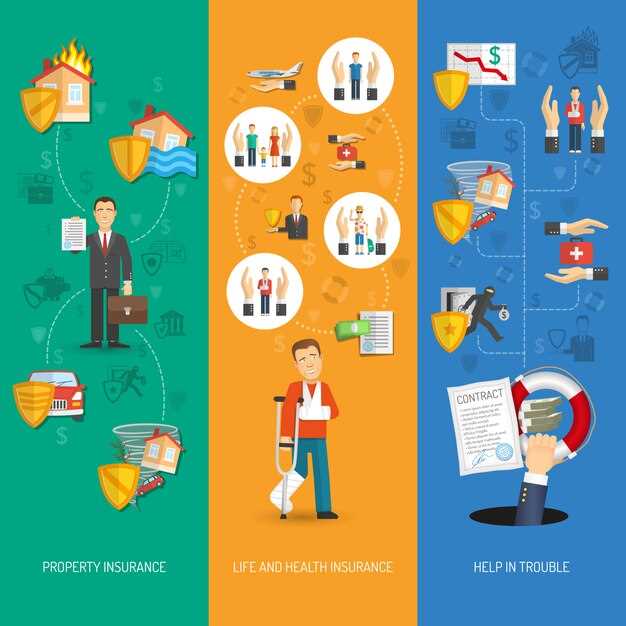
In an ever-evolving landscape of threats, identifying vulnerabilities in business operations is paramount. Companies should start by conducting a thorough assessment of their systems, processes, and employee practices. This involves looking at how sensitive information, such as payment data and medical records, is stored and accessed. Cybersecurity experts cautioned that overlooking these aspects can lead to significant data breaches, jeopardizing customer trust and company reputation.
Establishing a framework for vulnerability identification requires a systematic approach. Organizations should draft comprehensive plans that encompass both technology and personnel management. For instance, implementing regular security audits can help in spotting weaknesses before they are exploited. Businesses must invest time in training employees on recognizing phishing attempts and other common cyberattacks to protect sensitive information.
One effective method to identify weaknesses is to perform simulated attacks on your systems. By engaging with a qualified cyber developer or security professional, businesses can understand what methods attackers might utilize to breach their defenses. This proactive approach not only highlights specific vulnerabilities but also strengthens the overall security posture by creating a culture of awareness among staff.
It's crucial to keep a close eye on the logs generated by your systems. These logs can provide invaluable insights into unusual activities and potential signs of an attack. Furthermore, maintaining password-protected access to sensitive areas can help in managing risks more effectively. Regularly updating these passwords and encouraging employees to use distinct credentials can greatly reduce the chances of unauthorized access.
Another important strategy is to have disaster recovery and emergency response plans in place for when an attack does occur. This means knowing how to file an incident response strategy that focuses on minimizing losses and restoring operations quickly. With the right plans, companies can ensure that they are prepared to react efficiently and mitigate damage from any security incident.
Ultimately, understanding the specific vulnerabilities within your operations can be the difference between safeguarding your business and falling victim to cyberattacks. By implementing these strategies, you can look forward to a secure operational environment in 2024. Make it a priority to evaluate and manage risks continuously, because any business is only as strong as its weakest link.
Implementing a Risk Management Framework

Establishing a robust risk management framework is crucial for businesses aiming to safeguard their operations in 2024. This framework should be comprehensive, focusing on identifying and mitigating risks that could impact the organization. It includes physical safeguards against break-ins, as well as digital protections against cyber threats that could lead to stolen data.
One of the major mistakes businesses often make is underestimating the level of preparedness required to counteract potential hazards. There are five specific areas of risk that should be prioritized: financial, operational, strategic, compliance, and reputational. Each risk has its own unique characteristics, and understanding these variations is vital for effective management.
When developing actionable strategies, businesses should consider the various ways they can limit risks. This includes having robust password policies for computer systems, ensuring that all employees are trained in security practices, and continuously updating protocols to cover emerging threats. Implementing these protections will not only help to manage risks but also ensure that the company operates smoothly.
For many organizations, the issue of safeguarding against payment fraud is significant. Payment systems should employ safeguards that alert businesses to any suspicious activity. Promptly addressing such issues can prevent financial losses and contribute to overall stability within the company.
Another critical area to focus on is the employment practices within the organization. Businesses must ensure that hiring practices include thorough background checks, reducing the risks associated with insider threats. Having the right people in place is essential for protecting intellectual property and limiting exposure to vulnerabilities.
Effective risk management is not a one-time effort but a continuous process. Businesses should regularly assess their strategies and adapt to changes in the external environment. By doing so, organizations can better prepare for potential future challenges, ensuring they are resilient against various threats.
In conclusion, establishing a risk management framework entails understanding the different types of risks that could impact your business. Whether through physical measures, employee training, or digital safeguards, having a comprehensive plan in place will help protect assets, prevent losses, and maintain the integrity of operations going forward.
Ready to set up your Cyprus company?
Our specialists guide you through the entire process — registration, tax setup, and bank account opening.
Request a consultation →