
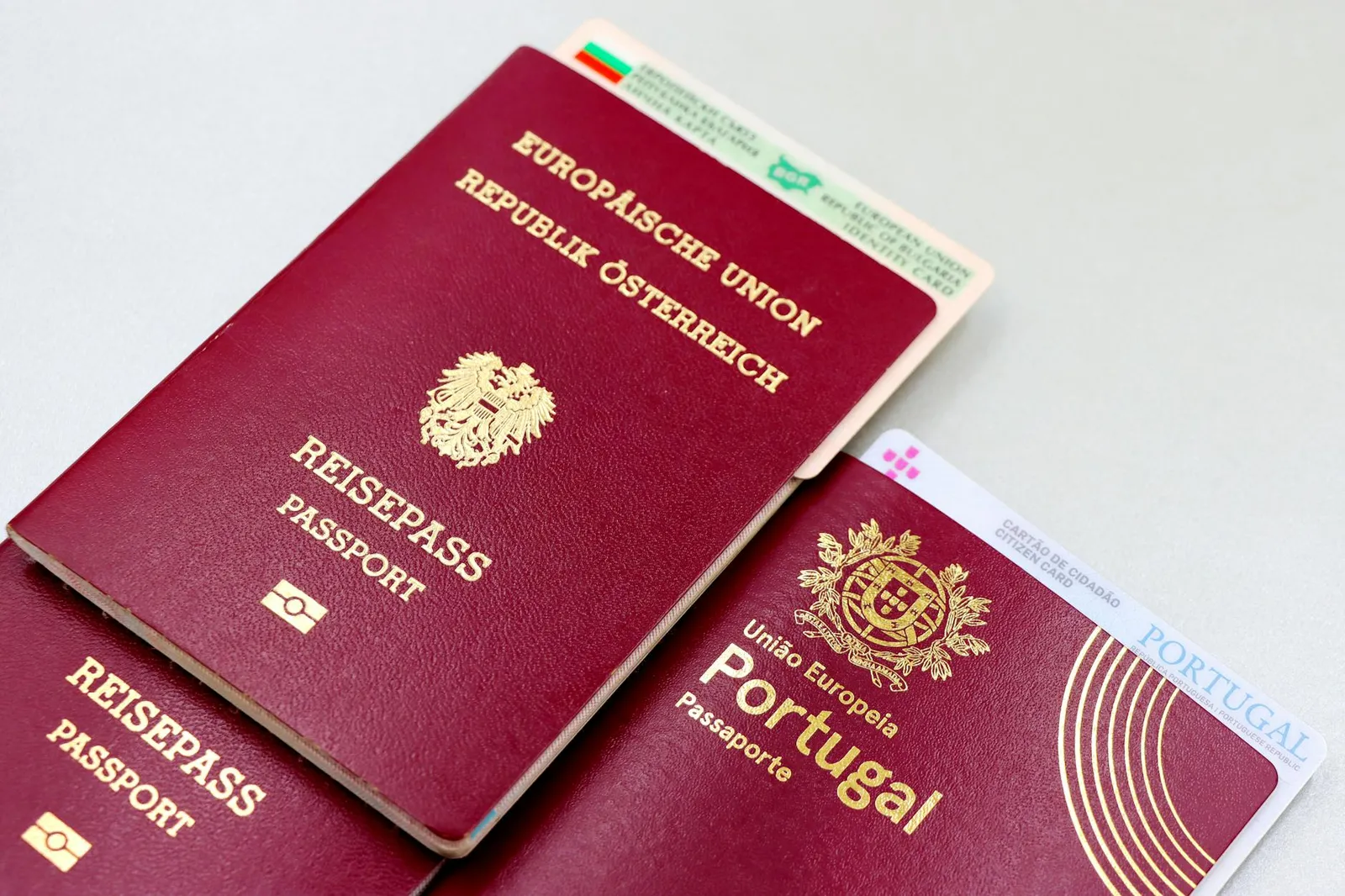
Battle Over the EU's Citizenship - Rights, Challenges, and Future Implications
The ongoing debate surrounding EU citizenship has emerged as a pivotal issue in the landscape of modern democracies. Over the years, the concept of citizenship has evolved from a primarily blood-based identity to a more inclusive, citizenship-centered approach. This transformation, however, does not come without challenges. As populists gain traction across various member states, the very foundation of what it means to be a citizen in Europe is being scrutinized and redefined.
In particular, the proposal to abolish longstanding rights and benefits previously afforded to certain groups raises questions about the fundamental human rights underlined in EU legislation. Young people, who make up an overwhelming majority of the population, should not only have a seat at the table but also the ability to participate effectively in the democratic processes that govern their lives. This clash between national interests and a more inclusive European identity has the potential to bring about significant changes in how citizenship is defined and understood.
As countries within the EU try to justify their particular approaches to citizenship, the implications for trade and constitutional standards resonate globally. Some experts, including professor Leven, argue that maintaining transparency and accountability in citizenship-related elections is crucial to prevent the erosion of trust in democratic institutions. It is essential to recognize that citizenship is not merely a status to be conferred but a shared responsibility that benefits all member states, particularly in a world that increasingly values collaboration over division.
The Impact of Brexit on EU Citizenship
See also: Strong Demand for Vanuatu Citizenship Sales Amid Currency....

The decision of the United Kingdom to leave the European Union, commonly known as Brexit, has significantly affected the conceptual landscape of EU citizenship. This situation has reignited discussions around the rights and entitlements of individuals who have historically benefited from EU's free-movement principles. For decades, EU citizenship has allowed individuals to live, work, and travel freely across member states, an opportunity that is now entrenching different political sentiments both in the UK and across Europe.
Brexit confirms that the loss of EU citizenship can substantially alter one's rights, expanding the divide between citizens of member states and those outside. This added complexity particularly affects minority groups who may find the transition more challenging due to lacking the necessary residence rights that EU citizenship afforded them. The electoral decisions made by some individuals during the Brexit referendum have been highlighted as key turning points, where concerns over immigration and national identity trumped the potential loss of broader rights.
Research has shown that the situation post-Brexit disproportionately impacts young individuals and those who rely on the mobility that EU citizenship provided. For many, the proposal to remain in the EU was rooted not just in economic benefits, but in the general values of non-discrimination and human rights that the Union embodies. The feasibility of pursuing opportunities outside of the EU now poses substantial challenges, especially for researchers and professionals seeking work in an increasingly restrictive travel environment.
The world remains uncertain as the UK navigates its new status. As the director of a notable conference focused on EU relations stated, the judgments made today will have repercussions for several years to come. Decisions made regarding the scope of residence rights must be carefully considered to avoid creating an apartheid-like divide between those with EU citizenship and those lacking it. Overall, the evolution of EU citizenship in a post-Brexit world will require both members and non-members alike to reassess their place within the broader European context.
Legal Status of British Citizens Post-Brexit
The legal status of British citizens has undergone significant changes since Brexit, raising several relevant issues surrounding their rights in European democracies. Following the UK's departure from the EU, many individuals are now facing a loss of citizenship privileges that were previously taken for granted.
Prior to Brexit, British citizens enjoyed the ability to freely live and work in EU member states, contributing to vibrant communities across parts of Europe, including places like France and Kirchberg in Luxembourg. However, today, the legal framework that underpins these rights has changed drastically, creating uncertainty and confusion. This situation calls for clarity and a discussion on how post-Brexit regulations will be implemented.
In a recent conference, experts explained that British citizens should not be overlooked as non-EU nationals. With their status shifting, the UK is now categorized more like Madagascar in terms of bilateral agreements within Europe, a step away from the privileges enjoyed as EU citizens. Employment rights are among the areas most impacted; many British individuals are losing their work opportunities across the continent.
See also: Exploring Employment Trends During the Covid-19 Pandemic.
Throughout the ongoing discussions, several views have emerged. Some argue for a comprehensive treaty that will protect British nationals' rights, while others seem to support the more restrictive measures that have led to overwhelming loss of previously established freedoms. This divergence in opinions also reflects the sentiment of the public, which has been publicly debated and analyzed in light of EU regulations and national legislations.
The issue of discrimination related to nationality is also relevant. Non-discrimination principles are at the heart of EU law, yet British citizens now find themselves in a vulnerable position. While many member states have signaled their intention to cooperate and agreed on certain provisions, the implementation remains inconsistent and slow, making it imperative for regulatory bodies to step up.
Looking ahead, the legal status of British citizens in the EU remains a primarily unresolved case. Many are left wondering how these developments will affect their lives in the long term. In this evolving landscape, it is essential for both the UK and EU institutions to create an environment where British citizens can still participate meaningfully in European life, thereby fostering inclusivity and maintaining the bond that once existed.
Implications for EU Residency Rights
The evolution of EU residency rights over the past decades has been a topic of heated debate and discussion. Although these rights have been enshrined in various treaties, the implications of their expansion have far-reaching consequences for millions of individuals and communities.
One of the most relevant aspects of EU residency rights is the principle of non-discrimination. This principle seeks to ensure that individuals, regardless of their nationality, can access employment and essential services without facing discrimination. However, various factors have complicated this vision.
- Minority Rights: The treatment of minority groups often highlights the divisions that still exist within EU member states. These populations are frequently marginalized and can be viewed as “untouchables” in social and political contexts.
- Employment Opportunities: As regulations evolve, providing equal access to employment remains a challenge. Thousands of people, including those from Afghanistan and other war-torn regions, seek refuge and stability in Europe, yet they encounter numerous barriers that entrench their vulnerability.
- Participatory Spaces: The feasibility of integrating individuals into society is dependent on creating participatory spaces where their voices can be heard. This approach is essential for fostering support networks that effectively address the needs of diverse communities.
Professors and scholars have told us that a coalition of stakeholders, including regulators and civic organizations, must work together to fortify the rights of residents. Such collaboration is key to solidifying the relationships among EU nations and their citizens, especially as discussions surrounding these rights deepen.
It is evident that the implications of EU residency rights extend beyond legal frameworks; they affect the lives of individuals who live, work, and build families within the EU. A march towards more inclusive policies should consider past injustices and the lessons from history, particularly from former colonizers who shaped current societal dynamics.
In conclusion, while the EU is making strides towards enhancing residency rights, it should not be afraid to address the underlying issues that persist. Without a clear commitment to implementing equitable practices, the basic rights of many residents will remain at risk. Only by recognizing the diverse experiences of all individuals can we hope to create a truly unified Europe.
Changing Dynamics of EU Nationality
The dynamics of EU nationality have experienced significant changes over several decades, shaped by factors such as enlargement, political movements, and societal shifts. The introduction of the EU passport has become emblematic of a deeper issue: the balance between the rights of citizens and the pressures exerted by populists and totalitarian regimes. This battle underscores the complexity of understanding citizenship in a union that encompasses diverse countries and cultures.
In recent years, regulatory proposals aimed at enhancing electoral participation and employment opportunities have emerged. However, the efficacy of these proposals has been clouded by a lack of clarity regarding the rights of minority groups and young citizens. While certain legislation appears to make progress, it often ignores the substance of the needs presented by these demographics.
Countries with the highest levels of inequality have seen a growing discontent among citizens, leading to calls for reforms in the management of nationalities. This situation creates a further difficulty, as the media tends to sensationalize the matter, distorting public perception. The sense of belonging is vital, and the withdrawal from traditional frameworks only exacerbates tensions within the EU’s citizenry.
Directors of humanitarian organizations argue that changes in nationality policies must take into account the contributions of all citizens, regardless of their background. Such an approach would not only improve the social fabric of the EU but also foster a participatory environment where every individual's voice can be heard. In contrast, ignoring these voices risks alienating the very populace these policies aim to benefit.
See also: Corporate Social Responsibility in Cyprus: Practices,....
It is imperative for regulators to address these emerging issues, because the consequences of inaction are profound. Even as the EU seeks to establish a cohesive identity, the reality remains that the landscape of citizenship is continually evolving, influenced by both internal and external pressures. The future implications of these dynamics will play a critical role in shaping the EU’s identity and the rights afforded to its citizens.
Strengthening European Democracy: Key Principles

In today's Europe, the strength and legitimacy of democracy are under constant scrutiny, particularly in the context of the ongoing battles over citizenship rights and the free movement of individuals. The single most compelling challenge faced by European nations is the threat posed by populists who seek to undermine the fundamental principles of democracy. To address this situation, it is essential to identify and implement key principles that can reinforce democratic structures across the continent.
One significant factor in strengthening European democracy is ensuring the quality of public discourse. Forums for open discussion must be created, where young citizens can engage with policymakers and express their views on the future direction of the EU. In France, for example, initiatives have emerged that prioritize inclusive conferences aimed at educating citizens about their rights and responsibilities. Such events can empower individuals, making them feel like active participants in the democratic process.
General access to information must be prioritized, as well as the transparency of authorities. Without proper information, citizens may feel lost and disenfranchised, leading to further alienation. By fostering transparent dialogues between governments and their populations, a common understanding can be found, thus restoring faith in the ruling structures of the state.
Moreover, the European Union must recognize that its legitimacy is tied to its ability to navigate the complexities of enlargements and the varying needs of its member states. For some countries, the cost of participation in the EU has become a fine line between loss of sovereignty and the benefits of trade and cooperation. Policies must be affordable and accessible to all member states, ensuring no one is left behind.
Furthermore, an examination of the European passport system reveals disparities that can create friction among citizens. While the right to free movement is a cornerstone of EU integration, it poses unique challenges that need to be addressed thoughtfully. Equal treatment of all citizens must be a guiding principle, where populations see the same rights applied, regardless of their country of origin.
Lastly, the need for regular reflection on the democratic processes within the EU cannot be overstated. Events that engage citizens on issues of legitimacy, rights, and responsibilities are crucial to fostering a sense of belonging within a rapidly changing landscape. The future of European democracy hinges on its ability to adapt and evolve, ensuring that all voices are heard and respected.
Enhancing Transparency in EU Institutions
The issue of transparency within EU institutions is of paramount importance, especially when considering the legitimacy and functionality of democracy in the region. Researchers argue that enhancing transparency can significantly deal with public mistrust and improve citizens' engagement in decision-making processes. For those living in the EU, understanding the complexities and operations of these institutions is a fundamental right associated with their European citizenship.
Several initiatives have been created to increase transparency, with varying degrees of success. For instance, the introduction of the EU’s Open Data Portal has made it easier for citizens to access information regarding legislative proposals, budget allocations, and institutional activities. This platform illustrates the feasibility of implementing transparent practices, as it allows individuals to explore datasets that reveal how decisions are made and funds are allocated. However, challenges remain, particularly in ensuring that these measures are fully embraced across all member states.
| Challenge | Proposed Solution |
|---|---|
| Public Mistrust | Greater access to information and clearer communication from institutions |
| Complexity of Processes | User-friendly platforms for information dissemination |
| Accessibility | Multilingual resources to cater to diverse populations |
In the context of voting and free movement within the EU, transparency plays a central role in ensuring that individuals can understand their rights, such as those related to employment and residency. For instance, EU nationals going abroad must be aware of the regulations affecting their status, which requires accessible information that clearly explains the rights associated with their passport. Failure to provide this information could lead to misunderstandings about essential rights.
Beyond basic access, there is a need for inclusive engagement strategies that involve citizens in discussions about policies impacting their lives. This approach will not only foster a sense of belonging but will also enhance the legitimacy of the EU governance structure. The experiences of countries like France and Spain demonstrate that when citizens feel included, they are more likely to support the institutional regime and adhere to the rules established over decades.
Ultimately, the goal is to create an environment where transparency is not just a pretended effort but a concrete reality. The EU must adopt the highest standards of transparency that go beyond mere compliance, making sure that citizens can easily navigate the complex landscape of European governance. By doing so, the EU will build a stronger, more democratic Europe, fortifying its legitimacy and ensuring that citizens remain engaged and informed.
Ready to set up your Cyprus company?
Our specialists guide you through the entire process — registration, tax setup, and bank account opening.
Request a consultation →