
Comprehensive Guide to Marshall Islands Company Formation - Steps, Benefits, and Tips
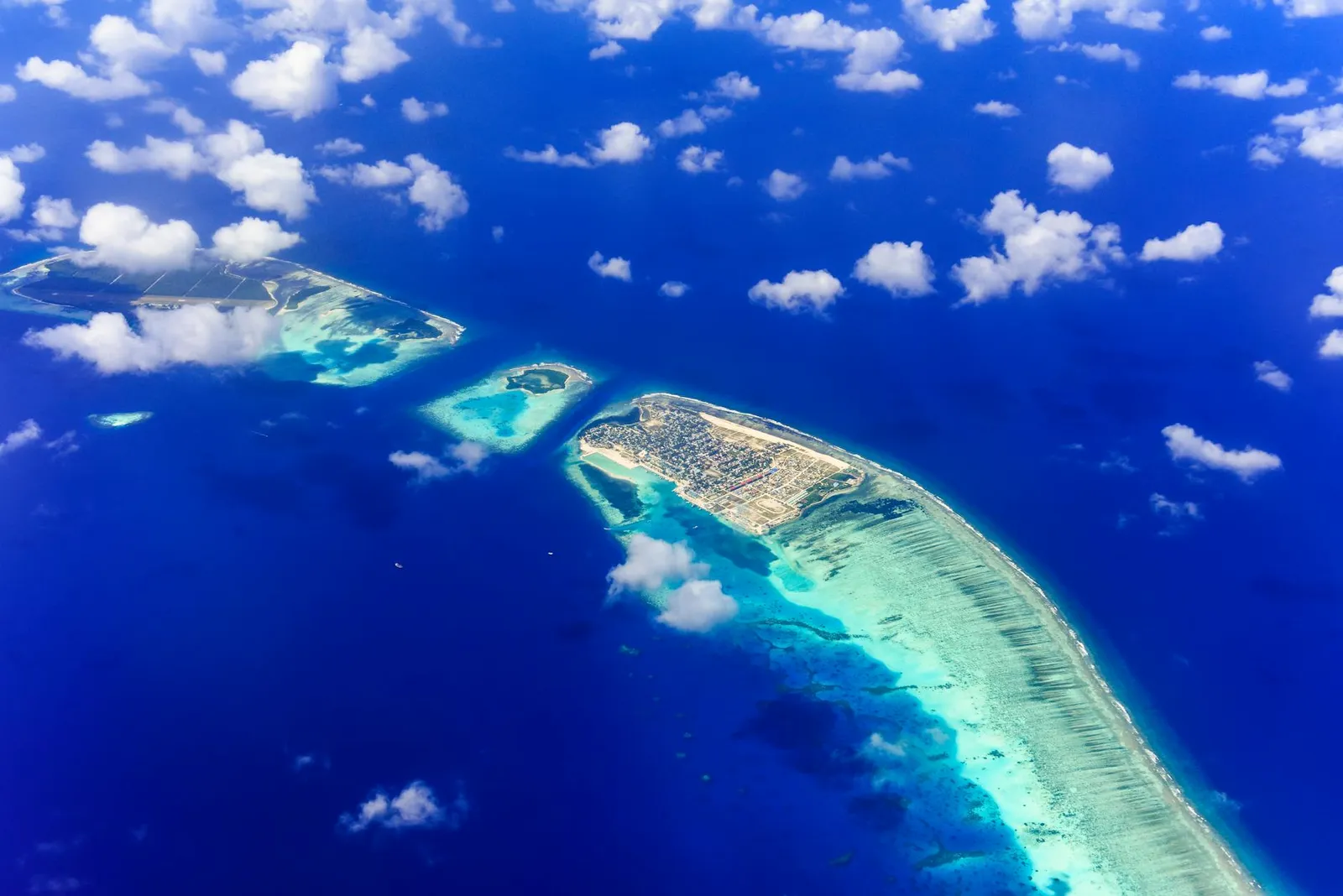
The Republic of the Marshall Islands offers a unique opportunity for business owners looking to form companies with limited liability and favorable tax conditions. This guide provides a thorough examination of the steps necessary for company formation in this beautiful nation, rich in natural resources and surrounded by coral reefs. To engage effectively with the process, it is crucial to understand the governmental requirements and the documentation that must be submitted.
See also: Top Countries for Offshore Company Formation 2026.
See also: Complete Guide to Offshore Company Formation in the Marshall....
See also: Start Your Business Abroad.
One of the primary benefits of establishing a company in the Marshall Islands is the flexible structure it offers. Companies formed here can be categorized under various types, catering to diverse operational needs. This includes private companies, which allow owners to maintain a significant degree of control over their business activities without excessive government scrutiny. Additionally, the low capitalization requirements mean that businesses can be formed with minimal economic barriers, whether operating in industries including but not limited to finance, shipping, and tourism.
Proper due diligence is essential throughout the process of company formation. Owners must keep in mind that experience in dealing with local banks and knowledge of different languages can greatly facilitate smoother operations. It's advisable to consult with experienced professionals who can help tailor your company structure adequately, ensuring compliance with local laws and addressing any additional requests that may arise during the formation process. This approach not only facilitates quicker approval of orders but also minimizes the risk of any unforeseen changes that could impact business operations.
Steps to Forming a Company in the Marshall Islands
Forming a company in the Marshall Islands is a straightforward procedure that can be completed in just a few days. The entire process involves several key steps that are essential for compliance with local regulations. Below is a comprehensive outline of these steps.
First and foremost, any individual or team looking to establish a company must choose the appropriate structure. Most companies in the Marshall Islands operate as private entities, which allows for flexibility in management and ownership. It is important to have an understanding of the constitution, as it outlines the governance of the company and the rights of the shareholders.
Once the structure is determined, the next step involves the submission of necessary documents to the relevant government agency. This includes the company's name reservation and articles of incorporation. The name must be unique and not infringe upon other registered companies, and this will be checked by the agency during the registration process.
After name approval, the incorporation documents need to be submitted. This includes the details of the company’s officers and their nationality, along with proof of identity. For non-resident individuals, there are particular requirements regarding the disclosure of personal information to avoid issues, such as money laundering regulations.
Additionally, depending on the industry in which the company is operating, specific permits or licenses may be required. For example, companies dealing with chartered vessels may need to comply with maritime regulations set forth by international bodies as well as local authorities.
Furthermore, the formation of a company requires a diligent approach to ensure compliance with laws governing company operations. This encompasses arrangements for the company's share structure, where shares are distributed among the officers and individuals involved. These shares essentially dictate the voting powers within the company, which is crucial for decision-making.
In terms of maintenance, companies in the Marshall Islands are required to conduct regular audits and submit annual reports to the court. This practice remains mandatory, regardless of the company's revenue or activity level. Staying compliant with these requirements ensures the company retains its good standing in the Pacific and internationally.
In conclusion, forming a company in the Marshall Islands is a simple yet detailed process that requires careful attention to local regulations. Engaging with experienced professionals during this procedure is advised to navigate the complexities involved and ensure the company achieves lasting value in its respective industry.
Choosing the Right Company Structure
When considering company formation in the Marshall Islands, selecting the appropriate structure is a crucial step that can affect legal obligations, tax advantages, and overall business operations. Understanding the various entities available is essential for investors, as each serves different purposes.
The main company structures in the Marshall Islands include:
- International Business Company (IBC): This structure offers full privacy and is tailored for businesses that operate internationally. IBCs require minimal local presence and are not subject to taxation on foreign income.
- Limited Liability Company (LLC): This offers flexibility and is ideal for those wanting to limit personal liability. An LLC must have at least one member and provides a high level of confidentiality.
- Partnerships: These can be general or limited and allow for a collaborative business approach. The legal framework supports various operational arrangements based on the agreement among partners.
Each structure has unique features that meet specific business requirements. For instance, if you plan to engage in substantial economic activities within the islands, selecting an IBC with valid substance may be necessary to comply with local regulations. Investors must check this condition to ensure they are not forced to adjust their business model later.
When forming a company, it is important to file all necessary documents with the relevant agencies and provide a statement of purpose. This includes a checklist outlining the required documentation, such as proof of identity for applicants and details on the company’s intended operations.
In addition to legal considerations, it is essential to assess how the chosen structure aligns with your long-term goals. Below are some tips to help guide your decision:
- Evaluate your current business model and how each entity could impact your operational efficiency.
- Consider the tax implications and legal advantages of registering as an IBC or LLC, especially regarding bearer shares and confidentiality.
- Consult with a legal expert or reliable agency to ensure you understand all conditions under local laws of the Marshall Islands.
- Determine if you will have a substantial crew working on-site or if your operations will be primarily remote, as this could influence your structure choice.
Ultimately, the right company structure will serve your objectives while providing legal advantages and minimizing exposure to liabilities. Thorough research and professional assistance can lead to an optimum setup, ensuring your business not only complies with local rules but also thrives in the competitive landscape.
Selecting a Unique Company Name
When forming a company in the Marshall Islands, one of the crucial steps is selecting a unique name that reflects your business. This name will be included in your memorandum and charter, acting as an essential part of your company’s documentation and legal identity.
The uniqueness of the company name is vital for registration with the registrar. A distinctive name helps avoid confusion with existing societies and ensures that your brand stands out in the marketplace. Here are some key considerations while choosing a name:
- Compliance: Ensure that your chosen name complies with the terms set forth by the national authorities. It should not include restricted words that imply governmental affiliation or services.
- Availability: Conduct thorough research to confirm that the name is not already in use. You can engage with the registrar to check the availability of your desired name.
- Clarity and Relevance: The name should adequately reflect your business operations and the services offered, whether in production, utility services or other sectors.
- Language Considerations: The name can be in various languages, but it’s advisable to choose one that resonates well with your target market and potential investors.
- Future Growth: Think about the long-term vision for your company. A good name should not limit your operations to a specific market segment but rather accommodate future expansion.
Once you have selected a name, you may proceed with the issuance of the necessary documentation to the registrar. This will often include a statement of your desired company name and the reasoning behind it. This procedure is streamlined in the Marshall Islands, which is beneficial for new investors.
In case your first choice is unavailable, do not hesitate to prepare alternative options. It’s prudent to have a few backup names ready, as having more than one name can facilitate a smoother registration process. Additionally, you may want to outline vision or mission statements that align with your company’s name.
Remember, the name you choose will be a reflection of your brand’s identity and will play a significant role in how customers and business partners perceive your company. Keeping these points in mind will aid you in selecting a name that is not only unique but also legally acceptable and representative of your business in the Marshall Islands.
Preparing Necessary Documentation
When establishing a company in the Republic of the Marshall Islands, thorough preparation of the necessary documentation is essential for a smooth incorporation process. The documentation required typically includes the articles of incorporation, identification for all directors and officers, and details about the shareholders. Each document must be accurately dated and should reflect the intended structure and operations of the entity.
It's mandatory to provide copies of valid identification for each member involved. Non-residents forming an offshore company may also be required to submit additional documentation concerning their place of residence. This includes proof of address and utility bills that can verify their status as non-residents. The registry might request a pre-approval for certain documentation or specific entities, which underscores the importance of following the correct procedure to avoid delays.
Entities that issue bearer shares will need to comply with special regulations regarding the holders of such shares. This entails ensuring that all members are aware of their ultimate responsibility and potential liability related to their stake in the company. Moreover, active companies need to maintain a record of their shareholders, which should be updated following any changes in shareholding.
The appointment of directors and officers is also a crucial aspect of the documentation process. This includes submitting signed resolutions that detail their roles and responsibilities. If an existing entity is being dissolved, appropriate legal procedures must be documented to achieve compliance with local laws.
For effective organization, it is advisable to keep consecutive versions of all documents submitted, along with follow-up records of any requests made to the registry. In this context, one might consider utilizing the online portal for submission and tracking the status of the incorporation process, as this can simplify communication with the authorities.
Ultimately, thorough preparation of documentation not only streamlines company formation but also lays the groundwork for future trading activities. Understanding the specific requirements as set forth by the Marshallese authorities can make the difference in the successful establishment of a compliant and functional offshore entity.
Filing with the Registrar of Corporations
Filing with the Registrar of Corporations in the Marshall Islands is a crucial step in establishing a company. This process ensures that your business is recognized as a legitimate entity and operates within the legal framework of the jurisdiction. Regardless of whether you are forming a new company or managing an existing one, understanding the filing requirements will greatly benefit you.
The first step begins with the preparation of necessary documentation. This includes the memorandum and articles of association, which outline your company’s purpose and internal regulations. It is essential that these documents are clearly drafted and comply with the Marshall Islands’ constitution. Once completed, they must be submitted to the Registrar, where they will be processed efficiently.
In order to proceed with the filing, you will need to provide valid identification for all individual shareholders and directors. This documentation must be certified and may include passports or national ID cards. For companies that are nominating individuals as directors on their behalf, these units must also submit proof of incumbency to affirm their authority to act.
| Document | Description |
|---|---|
| Memorandum of Association | Defines the company's purpose and outlines the scope of its activities. |
| Articles of Association | Sets forth the rules about the management and governance of the company. |
| Identification | Valid passports or national IDs for shareholders and directors. |
| Certified Documents | Documents must be certified to confirm authenticity. |
After your documentation is submitted, the Registrar may conduct inspections or audits to ensure compliance with existing laws. This oversight is vital for maintaining safety and good practices within the local commerce system. Any issues identified during the review may require further action, such as adjustments to the submitted materials or additional documentation.
Effective filing will not only fulfill legal requirements but also enhance your company’s credibility in the eyes of potential investors, banks, and business partners. Utilizing professional services can also reduce the burden of managing this process. Hiring a knowledgeable team or consultant to assist in the filings can ensure that everything is done correctly and efficiently.
Once the Registrar has processed your application, you will receive a certificate of incorporation, which serves as proof that your business is legally registered. This certification is valid and necessary for various purposes, including opening a bank account and conducting transactions. Keep in mind that annual compliance is required to maintain your company’s good standing, and failure to do so may lead to complications.
In conclusion, filing with the Registrar of Corporations is a critical step for anyone looking to establish a company in the Marshall Islands. By understanding the necessary steps and seeking assistance when needed, you can ensure that your business operates smoothly and successfully.
Opening a Corporate Bank Account
Establishing a corporate bank account is a crucial step for businesses formed in the Marshall Islands. This process allows companies to manage their finances efficiently, conduct international transactions, and satisfy various legal requirements. To successfully open an account, it is essential to understand the different documentation and formalities involved.
The key documents typically required include the company's articles of incorporation, by-laws, and a resolution authorizing the account opening. It may also be necessary to provide certified copies of these documents, along with identification for at least one authorized individual. In addition, banks may request details on the nature of business activities and expected account usage.
In many cases, banks conduct diligence inspections during the account opening process. This ensures that all applicants meet the necessary requirements and that the account will be used for legitimate offshore purposes. Depending on the bank, some may require additional documentation, including utility bills or current financial statements, to verify the address and financial status of the company.
Language can also be a factor in opening a corporate bank account. Some banks in the Marshall Islands may operate in multiple languages, which can simplify communication for international clients. Professionals who are familiar with local banking practices, such as attorneys or agents, can provide valuable assistance to individuals or companies during this process.
The choice of bank and account type is influenced by the specific needs of the business. Major banking institutions on the islands offer various account options, including those designed for high-volume transactions or lower liability exposure. Offshore accounts can be advantageous for entities seeking to transfer currency internationally or manage assets more effectively.
Preparing for potential audits and inspections is part of maintaining the account. Ensuring compliance with international standards for taxation and financial reporting will minimize future complications. Overall, diligent preparation and understanding of the current financial landscape will facilitate a smooth account opening experience.
Benefits of Registering a Company in the Marshall Islands

Registering a company in the Marshall Islands offers various advantages, making it a favorable choice for entrepreneurs and businesses alike. One of the primary benefits is the ease of incorporation. The process can often be completed within a few days, allowing businesses to start operating quickly. This can be particularly advantageous for those looking to engage in industries that require rapid deployment.
The Marshall Islands is known for its good standing with international banks and financial institutions. This reputation enhances the valid ability of companies formed in the jurisdiction, leading to seamless dealing with other financial entities around the globe. Many businesses find that the registry facilitates their correspondence with banking sectors efficiently, which is often a major necessity for global operations.
Another benefit is the low operating fees and minimal governmental permits required, resulting in reduced overall costs for company owners. Unlike in many other regions, the Marshall Islands does not impose a mandatory corporate tax on companies, creating an attractive environment for private investors and entities.
The flexibility offered in terms of corporate structure cannot be overstated. Companies may choose to issue shares without restrictions, allowing for greater customization in ownership and investment strategies. Furthermore, officers and directors do not need to be residents of the Marshall Islands, which remains appealing for applicants seeking to retain control over their business operations from abroad.
The level of confidentiality in the Marshall Islands is another significant advantage. There is no public registry of company shareholders, providing a layer of privacy below what is found in many other jurisdictions. This anonymity is especially relevant for those in the utility and drilling industry, where proprietary information is crucial to competitive advantage.
Moreover, a company registered in the Marshall Islands can be eligible for various licensing and operational benefits that allow it to prosper in different market categories. With the flexibility to incorporate in a manner tailored to specific business needs, companies can conduct official operations across consecutive industries worldwide.
Lastly, the strong legal framework in the Marshall Islands ensures that any disputes can be resolved efficiently, thus minimizing risk for business owners. Engaging with local legal experts can further facilitate this process, ensuring that all documentation, including email correspondence and other business documents, are meticulously handled.
Tax Advantages and Incentives
The Marshall Islands offers numerous tax advantages that make it an attractive location for company formations. Corporations in the Marshall Islands, due to international standards and legal frameworks, benefit from an optimum tax environment. One of the most notable features is the absence of corporate income tax. This allows companies to retain more of their earnings without the burden of hefty tax filings.
Additionally, there are no capital gains taxes imposed on corporations. This feature is particularly appealing for those looking to engage in investments or to distribute profits among shareholders. Insurance companies, in particular, enjoy favorable tax treatments under the Marshall Islands’ regulatory frameworks, promoting the growth of this sector.
When forming a corporation, companies are chartered based on the memorandum and articles of association, which ensures a straightforward and transparent process. Additionally, the commitment to confidentiality is paramount; corporations are not required to disclose the identity of beneficial owners in public registries. This aspect aligns with the need for privacy in international business dealings.
The yearly maintenance of companies is also very simple in the Marshall Islands. After the initial appointment of an attorney or agent, corporations can manage affairs with minimal oversight. This allows businesses the flexibility to operate efficiently without administrative detentions. Many companies find that the capacity to maintain compliance with local laws is facilitated by experienced local services that provide necessary support.
Furthermore, international business companies (IBCs) can enjoy other incentives, such as no taxes on income earned outside of the Marshall Islands, which is essential for entrepreneurs starting their operations globally. Such provisions ensure that the operations remain viable and profitable.
In summary, the tax structure of the Marshall Islands includes tons of incentives that fulfill the needs of modern businesses while ensuring legal compliance. With the right arrangements and services, companies can thrive, providing a solid basis for successful international operations.
Ready to set up your Cyprus company?
Our specialists guide you through the entire process — registration, tax setup, and bank account opening.
Request a consultation →