
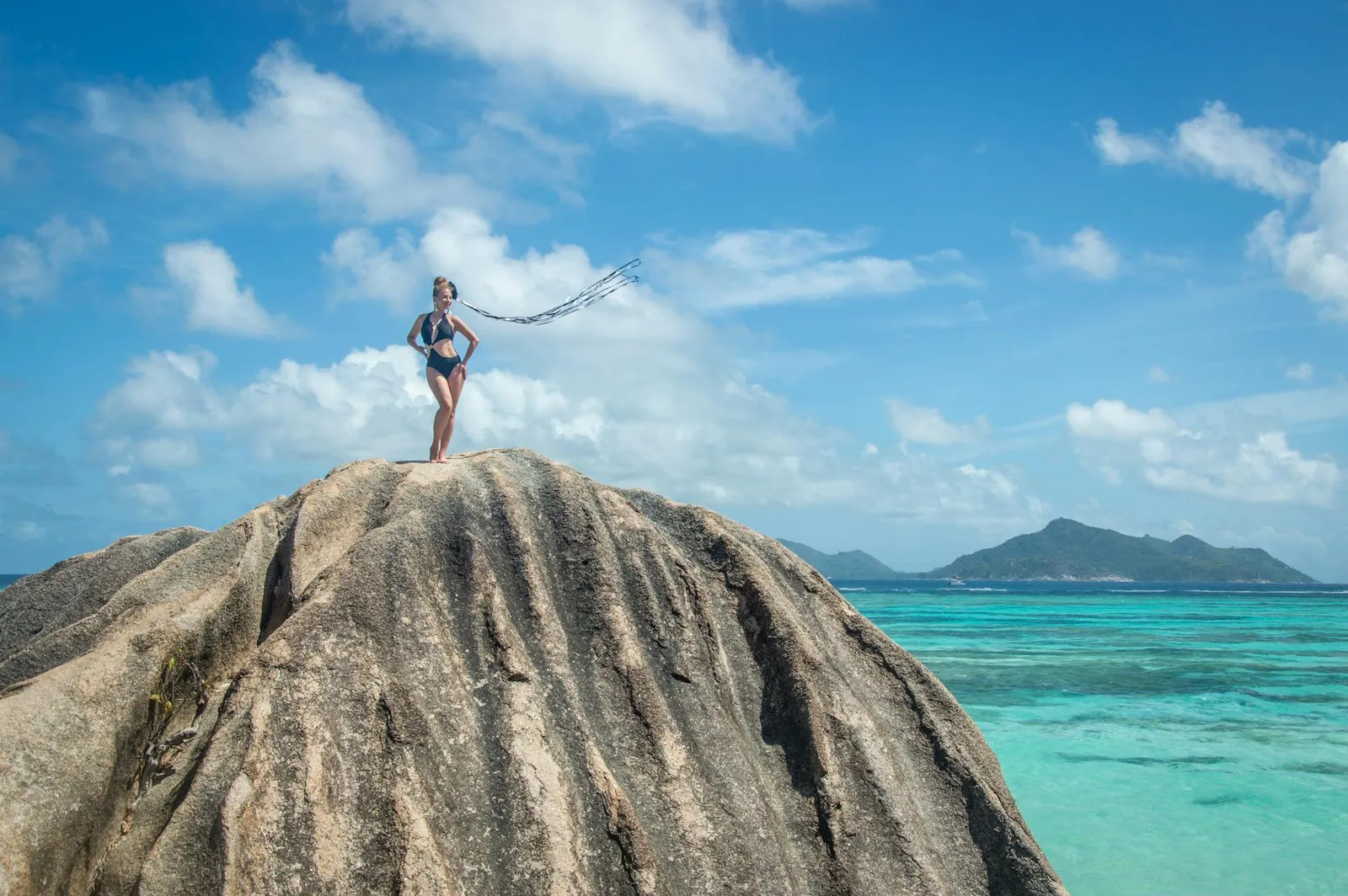
Comprehensive Guide to Seychelles - Discover the Enchanting Islands
Seychelles, an archipelago located in the Indian Ocean, is a treasure trove of natural beauty and cultural diversity. This group of islands, with its unique geographic placement at approximately longitude 56 degrees east, offers a glimpse into a lively world where various peoples have settled throughout history. Originally inhabited by Portuguese explorers and later occupied by French and English settlers, the population of Seychelles today reflects a rich mix of cultures, infused with African, Asian, and European influences.
As a former colony and a current republic, Seychelles maintains a unique status in Africa as one of the world's most picturesque travel destinations. It is essential to understand that visiting these islands requires planning, especially in terms of logistics. Accessing the main islands is typically done through international airports, where travelers land and then explore the charm of the numerous islands and their respective baie.
Additionally, Seychelles is noted for its breathtaking landscapes, which are home to incredible wildlife, including the famous giant tortoises and various marine species. The allure of these islands isn't limited to their natural wonders; they also offer opportunities for fishing, water sports, and eco-tourism in the many parks, some of which are recognized by UNESCO for their ecological significance. Whether you aim to indulge in the local cuisine featuring tuna specialities or relax in luxurious hotels, Seychelles provides a uniquely friendly atmosphere that caters to a wide range of visitors.
In this guide, we will explore deeper into the enchanting islands of Seychelles, including administrative details, popular activities, and travel tips, ensuring you have all the information necessary to fully enjoy this larger paradise on Earth.
Understanding the History of Seychelles
See also: Discover the Enchanting Beauty of the Cook Islands.
The history of Seychelles is a captivating tale that begins in the early 17th century when the islands were first mapped by European explorers. Initially, they were largely uninhabited, but the first recorded sighting was made by the French in 1742. This attracted the attention of fishermen, particularly those from the Comoros and the larger Indian Ocean region.
Seychelles was officially claimed by France in 1756, and the islands became a colony. The French brought slaves from Africa, which significantly changed the social structure and culture of the islands. These slaves were often used in the plantation economy, with labor focused on coconut and cinnamon production, which operated on a system that relied heavily on their work.
In 1814, with the Treaty of Paris, Seychelles was ceded to the British. This period marked the introduction of a different administrative system and a new cultural influence that shaped the local identity. The islands remained under British control until 1976 when Seychelles declared independence, embracing a new direction for the country.
Over the years, the islands have always been a hotspot for international visitors, drawn by the allure of their pristine beaches and exceptional biodiversity. The largest islands, such as Mahé, Praslin, and La Digue, continue to be significant for tourism, which has become the backbone of the Seychellois economy.
Seychelles is situated in the southeast of the Indian Ocean, and its strategic location has always played a critical role in maritime trade. The fishing industry has thrived, with the waters around the islands being home to various species of fish, attracting fishermen and contributing to local sustenance as well as the economy.
Despite being a small unit geographically, the combination of historical influences from Arab, French, and British cultures has made Seychelles a unique melting pot. The islands are more than just a beautiful destination; they are also a testament to a complex history that includes struggles for independence and development in the face of changing global dynamics.
Today, Seychelles is celebrated for its biodiversity, with the Vallée de Mai and other national parks recognized as UNESCO World Heritage Sites. The contemporary society is a blend of various heritages, where cultural festivities and traditions still resonate, reflecting the journey that Seychelles has taken from its formative years to its current status as a premier tourist destination.
Colonial Past and Influence on Culture
The Seychelles, an archipelago comprising over 115 islands, has a rich colonial past that significantly shaped its cultural landscape. Colonization began in the 18th century when French settlers established plantations, laying the groundwork for a unique cultural fusion. The French influence can be seen in the local cuisine, language, and architecture, which bear similarities to that of Madagascar and other regions in the Indian Ocean.
After the British took control in the 19th century, the islands experienced a transformative period that introduced new systems, including the one-party governance structure that persisted until independence. The English language became widely used, coexisting with Seychellois Creole, which reflects the blend of different influences throughout history.
During the colonial era, indentured labor from India and Africa contributed to the cultural mix. Specific traditions and customs from these communities enriched Seychellois culture, including music, dance, and festivals that are still celebrated today. The local cuisine is famous for its use of coconut and spices, a testament to the agricultural practices established during the plantation era.
Throughout the colonial period, significant investment in infrastructure, including hotels and plantations, provided a foundation for the tourism industry that thrives today. The availability of water sports and excursions to beautiful places like Desroches and Alphonse attract visitors seeking to experience the natural beauty and rich history of the islands. Activities such as surfing, snorkeling, and hiking through the lush nature reserves connect travelers to the islands' colonial roots.
Although much of this history is marked by struggle against colonial rule, the Seychellois have embraced their diverse heritage. Today, they celebrate their unique identity, blending traditions from all influences, creating a culture that is rare and lively. The systems of governance and societal structures continue to evolve, supported by the memories of their colonial past, reflecting a journey of resilience and unity.
Thus, the Seychelles stands as a remarkable example of how colonial history can shape culture, art, and community, making it a desirable destination for those interested in history and natural beauty alike.
Key Milestones Leading to Independence
The journey to independence for Seychelles was marked by several significant milestones that shaped its political landscape in the 20th century.
- Colonial Era: Throughout the 19th century, Seychelles was primarily a British colony. The native language and culture were influenced by colonial policies, with the island's community slowly adapting to British governance and systems.
- World War II: The war played a pivotal role in changing the dynamics of the islands. Many locals, including mercenaries, were involved, which increased awareness of global politics.
- Political Awareness: Following the war, the need for political representation became clear. In the following years, discussions of self-governance began to take shape as the people sought to express their needs and aspirations.
- 1960s Developments: The 1960s brought increased political activity. Political parties formed, and people began to engage more actively in discussions about their future. This also included the planning of elections which would eventually give Seychellois a voice.
- 1967 Constitution: A new constitution was adopted that granted greater political rights to the citizens of Seychelles. This was a critical point as it set the foundation for democratic processes to follow.
- First Elections: In July 1970, Seychelles held its first direct elections. This event marked a turning point where the locals were able to elect representatives, reflecting their values and community needs.
- Independence Movement: A series of protests and political movements emerged throughout this period, advocating for complete independence from British rule.
- Independence Day: Finally, on June 29, 1976, Seychelles officially gained independence. This milestone was celebrated with great enthusiasm and symbolized a new chapter in the islands’ history. The national bird, the Seychelles fody, became an emblem of this newfound freedom.
Seychelles’ independence journey is a testament to the resilience of its people, blending their unique culture and heritage with the influences of their colonial past. This history has ultimately shaped the islands into one of the world's best-known destinations today.
Role of Major Political Figures
The political landscape of Seychelles has been shaped significantly by its major political figures, especially since the late 19th century when the islands were under British colonial rule. The influence of these leaders can be seen in various sectors, including agriculture and tourism, which are vital for the country's economy.
Figures like James Michel and France Albert René have passed substantial legislation that fosters the development of tourism facilities along the pristine beaches and in the general vicinity of the mesmerizing atolls. Their policies have promoted the Seychelles as a long-term stay destination, enhancing its appeal among foreign tourists seeking relaxation in clear waters and luxury resorts.
Additionally, the political governance of Seychelles is characterized by a one-party system that has persisted for decades. This stability has allowed for the efficient management of labor in the agricultural sector, particularly in coconut plantation and fishing industries that contribute to the country's economy.
During their tenure, these leaders prioritized the establishment of public services, including hospitals, police forces, and general infrastructure, improving the quality of life for the local population. Patrick De Comarmond, who served in high-ranking positions, emphasized the importance of wildlife preservation, which is evident in the conservation efforts for native species like the red-tailed tropicbird.
Moreover, the international relations aspect is crucial, particularly in balancing ties with African neighbors and Indian Ocean countries. The governance structure must adapt to modern challenges while preserving the serene beauty of this island nation, ensuring both ecological stability and socio-economic progress for its inhabitants.
As Seychelles looks toward the future, the legacy of its political figures continues to shape its identity, always with the aim of ensuring that the country remains an idyllic sanctuary for visitors and a thriving place for its people.
Impact of Independence on National Identity
The independence of Seychelles from British colonial rule in 1976 marked a significant turning point in the development of national identity. This event began a journey towards a more unified and cohesive sense of self for the Seychellois, as they sought to define their culture, values, and historical narratives independently of colonial influences.
Prior to independence, the identity of the Seychellois people was heavily influenced by their colonial past, with the archipelago's social structure primarily organized around foreign powers. With the establishment of self-governance, local culture and traditions began to flourish, eroding the remnants of colonization. This shift was evident in the reclamation of language, music, and art, which are now celebrated aspects of daily life.
The Seychellois national identity now includes a mix of African, European, and Asian influences, reflecting the national motto of “Unity in Diversity.” The famous Aldabra Atoll, a UNESCO World Heritage site, symbolizes the unique natural wealth of the islands, further strengthening national pride. The Seychelles now promotes local heritage, such as the unique coco de mer and giant tortoises, as essential parts of what it means to be Seychellois.
In terms of governance, the presidential system established after independence allows for local representation and decision-making. The government aims to provide social services, including modern healthcare through local clinics, improving the lives of its citizens. This is especially important as the average Seychellois enjoys a warmer climate and stable economy, which are attractive to both locals and foreigners.
Lasting changes in the national identity also reflect a move against foreign domination in various aspects of life, including trade and tourism. The Seychellois are not longer seen merely as residents of a beautiful tourist destination; they are recognized as a nation with their own identity and rights. The introduction of a valid national card symbolizes this transition, allowing Seychellois to engage confidently on the global stage.
| Aspects of National Identity | Impact of Independence |
|---|---|
| Language | Reclaiming Creole as an official language |
| Cultural Heritage | Promotion of local traditions and arts |
| Natural Wonders | Conservation efforts for unique species like the fregat birds |
| Governance | Establishment of a presidential system for local representation |
| Economy | Focus on sustainable tourism and fisheries |
In summary, the impact of independence on the national identity of Seychelles has been profound, fostering a sense of unity and pride that continues to evolve. As the years go by, the Seychellois people embrace their unique heritage while also welcoming the influence of the global community, striking a balance that respects both tradition and progress.
Traveling to Seychelles: Essential Information
Seychelles, an archipelago of 115 islands in the Indian Ocean, is a stunning destination for tourists seeking natural beauty and tranquility. The islands are known for their pristine beaches, lush jungles, and unique wildlife, including the famous Coco-de-Mer palm. To ensure a smooth trip, here are some essential details to consider.
Travel Requirements:
- Travelers must possess a valid passport and a return ticket.
- A visa is not required for stays less than 90 days for tourists from most countries.
- It is advisable to have proof of accommodation and a travel insurance policy.
Best Time to Visit:
- The best months to visit are April, May, October, and November when the weather is mild.
- July and August can be cooler but are ideal for windsurfing and sailing.
Currency and Costs:
- The official currency is the Seychellois Rupee (SCR).
- Credit cards are widely accepted, but it's wise to have some cash on hand for smaller transactions.
- The cost of living is relatively high, especially when it comes to food and accommodation.
Transportation:
- International flights operate mainly through Seychelles International Airport on Mahé.
- Inter-island ferries and small planes offer transportation to other islands like Praslin and La Digue.
- Car rentals, taxis, and public buses are available on Mahé for local travel.
Local Cuisine:
- Experience the island's culinary delights featuring fresh seafood and Creole dishes.
- Notable dishes to try include grilled fish, octopus salad, and traditional coconut curries.
- Markets provide a total experience of local products and social interactions with residents.
Wildlife and Nature:
- Seychelles is home to some of the rarest species on earth. The islands protect their natural habitat through several national parks.
- Visit the Valle de Mai on Praslin, a UNESCO World Heritage site known for its giant palm trees.
- The islands feature a rich botanical area, including a unique variety of flora and fauna.
History and Culture:
- Seychelles' history includes colonial influences from the French and British periods.
- The islands were once a base for pirates and later became a hub for the slave trade.
- Cultural festivals celebrated throughout the year showcase the lively heritage of the Seychellois people.
Tips for Tourists:
- Always apply sunscreen and stay hydrated while exploring the beaches.
- Respect local customs and traditions, especially during social gatherings.
- Engage with local residents, who are friendly and eager to share their culture.
In conclusion, Seychelles offers a blend of adventure, relaxation, and cultural richness. Plan your trip to enjoy every aspect of this paradise.
Ready to set up your Cyprus company?
Our specialists guide you through the entire process — registration, tax setup, and bank account opening.
Request a consultation →