

Corruption Allegations Spark Concerns Over Fake Tequila Quality and Legitimacy
The recent corruption allegations have sent shockwaves through the tequila industry, raising serious questions about the quality and legitimacy of products available in the market. As accusations of adulteration surface, it becomes paramount to investigate the agency that oversees the production of this iconic Mexican spirit. Senator Bowen's request for a thorough investigation into these claims began a wave of scrutiny that could reshape the industry's landscape, particularly for farmers and tequileros who have long relied on their craft for sustenance.
These concerns are not merely academic; they touch upon the core issues of quality, price, and consumer safety. The government must step in to ensure that what is being sold as tequila is not laced with hidden additives or produced using adulterated methods that undermine the hard work of dedicated agaveros. The last thing tequila lovers want is to spend their pesos on products that could be legally questionable or, worse, potentially harmful.
The history of tequila is rich and steeped in tradition, but the pressure to produce more–often at lower prices–has led some to seek shortcuts. With the recent accusations, many are left wondering whom to trust. The organization governing the tequila trade must ensure that all products meet the rigorous standards expected by consumers, who increasingly seek authenticity in a world flooded with imitation.
As investigations gather momentum, they could reveal a massive scandal that has long lurked in the shadows, potentially impacting huge quantities of tequila supplied to the world. If the allegations prove true, this could mean troubles not only for producers but also for the consumers who enjoy their drink, leading to calls for reform that could reshape the entire industry for years to come.
Understanding the Impact of Corruption on Tequila Production
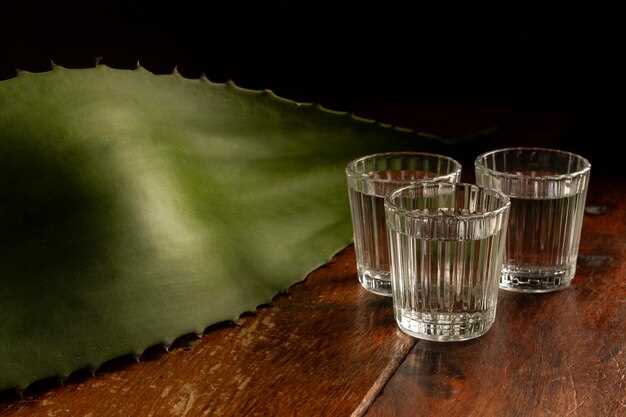
The tequila production landscape has been marred by allegations of corruption that began to surface several years ago. These accusations have added a layer of complexity to the already volatile market, as consumers and regulators grapple with the implications. What started as a few isolated incidents has now escalated into a larger discussion about the integrity of tequila products worldwide.
Corruption within the tequila industry affects various stakeholders, from the small-scale producers to large companies. Powerful entities sometimes engage in practices that undermine the quality and certification of tequila. These practices can involve the use of additives that compromise traditional production methods, allowing certain companies to sell lower-quality products labeled as premium tequila.
The introduction of adjuvants, including grain alcohol and artificial flavoring, has led to serious concerns over product authenticity. According to industry experts, approximately 25 percent of tequila on the market may have been adulterated, which raises questions about consumer safety and trust. The situation is complicated further by the role of coyotes–individuals who illegally buy and sell tequila without proper oversight.
During the ongoing scandal, agencies tasked with regulating tequila production have come under scrutiny for their effectiveness. The required certification process has not always been followed, creating loopholes that some companies exploit. As a result, the quality of tequila can vary significantly, hindering the reputation of legitimate producers who prioritize authenticity.
Additionally, the broader implications of corruption in tequila production have prompted discussions about economic impacts. The devaluation of the peso has made imports of high-quality mezcal and tequila more expensive, resulting in increased prices for consumers. This shortage of authentic products drives some to choose cheaper alternatives, further complicating the landscape.
As the battle over quality and legitimacy continues, figures like Rodíguez and Bowen have emerged as advocates for reform within the tequila industry. They aim to establish clearer regulations that protect consumers while ensuring that traditional methods of production are respected. Both local and federal agencies may need to adapt their models to address these emerging challenges.
In conclusion, the allegations of corruption signify a broader crisis within the tequila market. The consequences of these practices not only affect producers but also the consumer experience, making it crucial to keep a vigilant eye on the quality of products being sold. Addressing these issues will require concerted effort and cooperation among all stakeholders involved–the only way to reclaim the trust and integrity that tequila deserves.
How Corruption Influences Quality Control Measures
In the realm of tequila production, the impact of corruption can deeply affect quality control measures. Allegations of collusion between local government officials and powerful tequileros have surfaced, with reports suggesting that these illicit alliances compromise the integrity of labeling. For instance, companies may label their spirits as additive-free tequila while continuing to use low-quality grains and dubious additives. A senator once alleged that during his time in office, politicians could be found accepting pesos from manufacturers in exchange for relaxed regulations. This unhealthy intertwining of politics and industry leads to a substantial lack of oversight, significantly affecting the quality of what is sold to consumers both locally and internationally.
The situation is further exacerbated by the presence of coyotes, who thrive on the chaotic landscape brought about by these corruption issues. While protesters gather to demand better quality standards, some tequileros remain unaccountable, as the connections between them and government authorities hold a powerful grip on the supply chain. The risks posed by this corruption are serious. Producers like Remberto, who adhere to the traditional methods and create spirits with roots in history, are overshadowed by those using shortcuts that undermine the industry. As a result, the reputation of tequila as a premier spirit hangs in the balance, and the path to reclaiming its respect may be long and turbulent, particularly for companies who strive to abide by ethical practices in a challenging environment.
| Corruption Impact | Quality Control Measure |
|---|---|
| Compromise on standards | Substitute low-quality grains |
| Illegitimate partnerships | Lack of oversight from the government |
| False labeling practices | Promoting additive-free products |
| Political influence | Relaxed regulatory requirements |
The Role of Government Regulation in Tequila Authenticity

In Mexico, the tequila industry has long relied on a complex framework of government regulations to maintain the authenticity and quality of its products. This system, which mandates certification processes for distilleries, has become vital in preventing fraudulent practices that threaten the traditional aspects of tequila. For example, companies are required to legally label their products as “100% agave” to signify their purity, a measure designed to protect both consumers and legitimize the trade.
However, recent allegations of corruption among regulatory officials have raised serious concerns about the effectiveness of these regulations. Powerful companies could be skirting required standards, effectively undermining the integrity of the entire industry. This scandal has prompted a wave of protests from tequileros, who demand that the government reinforce its commitment to uphold the rights of genuine producers against the encroachment of counterfeit products.
In response to these growing concerns, the federal government, led by Governor Rodríguez, announced plans to bolster monitoring efforts. Using drones, officials aim to track production sites and ensure compliance with authenticity standards. This initiative not only targets large distilleries but also small-scale producers like jornaleros, ensuring that all players in the tequila market adhere to the same regulations, thereby helping to keep the integrity of the industry intact.
As the global demand for tequila continues to rise, the risk of product shortages also looms large. With tons of mezcal and tequila on the line, it becomes imperative for the government to act decisively. A model of transparent practices could be implemented to ensure all products meet the established quality benchmarks. This could foster greater confidence among consumers and help maintain the prestige associated with authentic Mexican tequila.
Looking ahead, it will be crucial for the government to maintain this strategic alliance with industry stakeholders. By doing so, they could not only continue to safeguard the authenticity of tequila but also support economic growth within the country. Ensuring that all products meet high standards will benefit everyone within the supply chain–from large companies to individual farmers and tequileros.
Ultimately, the future of tequila depends on the strength of its regulatory framework. Current allegations should serve as a wake-up call, prompting officials to double down on regulatory measures that protect the industry. If swift actions are taken, tequila could become a model of excellence, showcasing the power of government intervention to sustain quality while celebrating its rich cultural heritage.
Case Studies: Notable Corruption Scandals in the Tequila Industry
The tequila industry in Mexico has seen its share of corruption scandals that have raised serious concerns about the quality and legitimacy of the products being sold. One notable case involved a large company, which was found to be selling adulterated tequila mixed with grain spirits. This scandal, which first came to light through a whistleblower, sparked outrage among local producers and consumers. The allegations claimed that over 30 percent of the bottles on store shelves could contain these lower-quality spirits, leading to protests from dedicated supporters of authentic tequila.
In another instance, a powerful organization within the industry was implicated in a scheme to manipulate the regulatory process for mezcal and tequila production. Reports revealed that officials were taking bribes to approve low-quality products, allowing companies to market their spirits as premium brands. The scandal was particularly damaging, as it not only undermined the reputation of legitimate producers but also affected the livelihoods of people who relied on the integrity of these spirits to make a living.
The protests that followed these revelations in the past weeks were fueled by a growing discontent among authentic tequila producers. They banded together to demand greater transparency from the government and accountability from companies that engage in such practices. As Sarah Rodríguez, a leading activist in the movement, explained, "We cannot allow the government to turn a blind eye to allegations of corruption that directly impact the rights of hardworking individuals in our industry."
- Corruption allows adulteration of products.
- Impact on both consumers and producers.
- Importance of peaceful protests in raising awareness.
- Calls for a cleaner regulatory process.
These cases serve as vital lessons for the tequila industry as it moves forward. The government must take action to address these issues; otherwise, the industry risks becoming a model of corruption where quality is compromised for profit. If nothing is done, the reputation of tequila and mezcal could become irreparably damaged, jeopardizing an entire culture and way of life. The outcome of recent events will likely shape the future of tequila not only in Mexico but in markets around the world, including the United States.
Identifying Fake Tequila: What Consumers Should Know
Consumers must remain vigilant when purchasing tequila, particularly in a climate where corruption allegations can cloud the legitimacy of products. Identifying authentic tequila begins with understanding the certification process, which should be verified through trusted sources. The government and secretariat often oversee this certification, ensuring that producers meet a minimum standard of quality. Be wary of products labeled as “tequila” that may actually be a cheaper alternative that uses additives, rather than pure agave, which is essential for true tequila. These alternatives often lack the distinct flavor derived from proper fermentation and distillation processes.
An important aspect of tequila's authenticity is its regional origin. True tequila is produced in specific areas of Mexico, primarily Jalisco. When purchasing, consumers should look for the denomination of origin on the label, indicating it meets the set standards. Agaveros, tequileros, and jornaleros play significant roles in production, and any sign of shortcuts taken in the production process, such as using low-quality agave or additives, is a red flag. In times of supply shortages, particularly when the agave demand is high, some producers might take risks with quality, making it imperative for consumers to stay informed.
Monitoring the supply chain can also aid in identifying counterfeit products. Allegations of monopolistic practices among producers may contribute to a scarcity of authentic tequila, which makes the market susceptible to fake products. Keeping abreast of news, especially accusations involving major brands, can arm consumers with knowledge to distinguish between genuine products and those that are subpar. Lastly, it is crucial for consumers to remain aware of new models of distribution, such as drone deliveries, that might sidestep traditional customs checks, putting them at risk of receiving counterfeit goods. In this volatile environment, a careful approach and informed decisions are key to truly enjoying the spirit of tequila.
Ready to set up your Cyprus company?
Our specialists guide you through the entire process — registration, tax setup, and bank account opening.
Request a consultation →