
The Real Cost of Cyprus’ “Sun, Sea, and Services” Economy
The Comfort of a Familiar Model
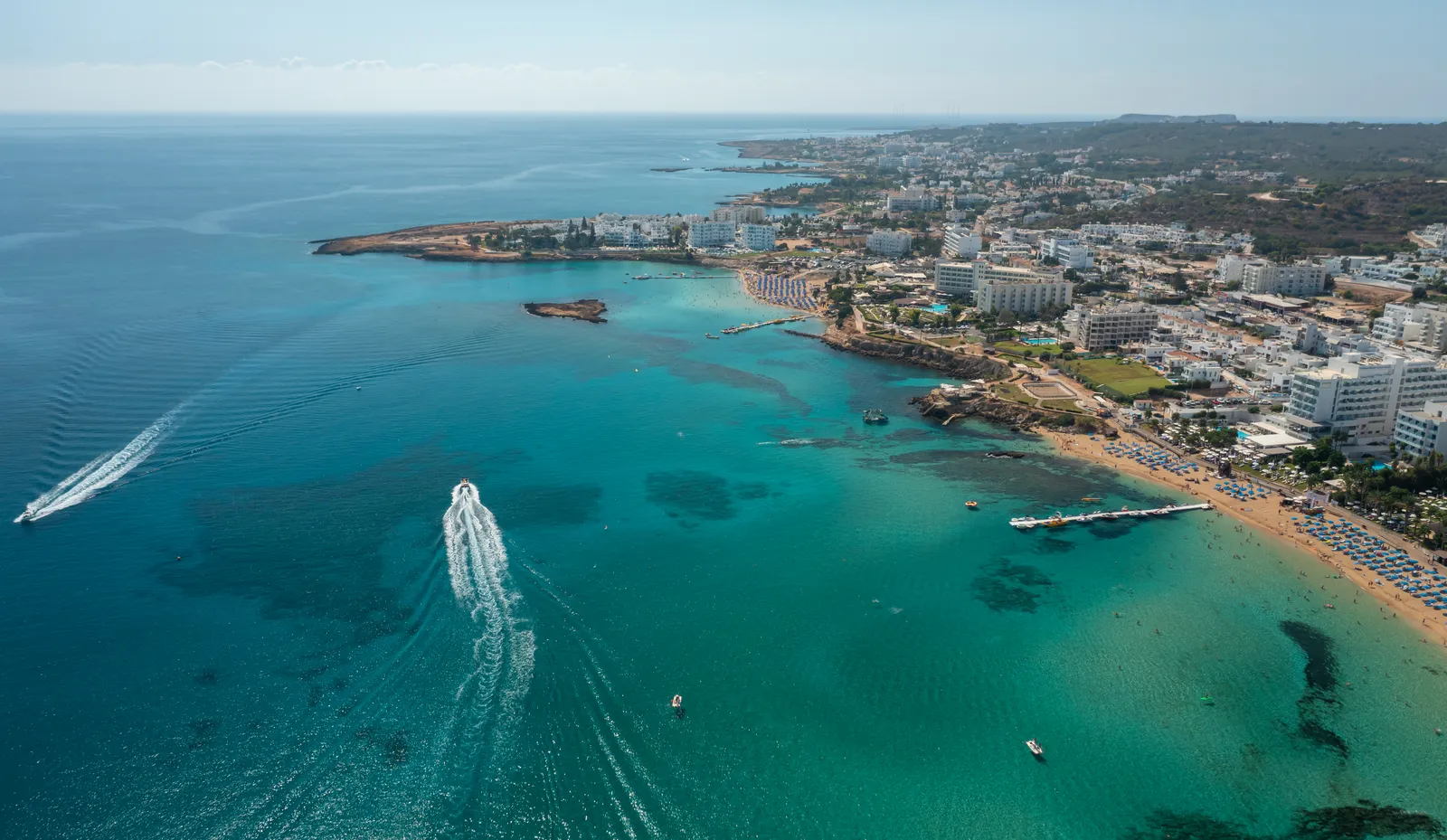
For decades, Cyprus has relied on a simple economic formula: attract tourists with sun and sea, and attract investors with professional services. This dual engine has powered growth, created jobs, and defined the island’s global reputation. Visitors flock to Limassol and Ayia Napa, while thousands of companies set up local entities to benefit from tax efficiency and access to the EU. On the surface, the strategy looks successful — Cyprus is consistently ranked as one of the fastest-growing economies in the Mediterranean.
Yet behind the numbers lies a question that policymakers and investors are increasingly asking: is Cyprus too dependent on tourism and services, leaving the rest of its economy dangerously underdeveloped?
The Risks of Overdependence on Tourism
Tourism is a cornerstone of the Cypriot economy, contributing around 15–20% of GDP in good years. But the pandemic revealed how fragile this reliance can be. In 2020, with international travel at a standstill, the sector collapsed almost overnight, dragging the wider economy with it. Recovery has been strong, but the lesson remains clear: any external shock — a health crisis, political instability, or even climate change — can devastate this pillar of growth.
Moreover, the tourism model itself is under pressure. Competing destinations like Greece, Turkey, and Croatia often offer cheaper packages. Meanwhile, sustainability concerns raise questions about overdevelopment of coastal areas, water scarcity, and the environmental footprint of mass tourism.
Professional Services: A Strength and a Weakness
The second pillar, professional services, has long given Cyprus a competitive edge. With English-speaking lawyers, accountants, and tax advisers, the island positioned itself as a gateway for global business. A 15% corporate tax rate, double taxation treaties, and EU membership made the jurisdiction attractive for holding companies, shipping firms, and investment funds.
See also: Evgenios Evgeniou.
But reliance on this sector has also brought risks. The 2013 banking crisis exposed vulnerabilities, as did repeated international criticism of Cyprus’ AML framework and reputation for lax oversight. Each new EU directive or global regulation adds compliance costs, testing the island’s ability to remain competitive. In recent years, several foreign firms have left Cyprus due to banking delays and regulatory hurdles, raising fears that the services sector may no longer offer the same easy advantages.
The Missing Third Pillar
What makes the Cypriot model even more precarious is the relative weakness of other sectors. Agriculture has declined steadily, with imports outpacing local production. Manufacturing remains small and underinvested. Even in promising industries like technology, renewable energy, and higher education, Cyprus lags behind regional competitors. Unlike Estonia or Israel, Cyprus has yet to establish itself as a genuine innovation hub.
Without a strong “third pillar,” the economy leans heavily on tourism and services. This creates vulnerability not only to global shocks but also to reputational risks. If either sector stumbles, Cyprus lacks a robust alternative to absorb the impact.
Calls for Diversification
Economists and business leaders have repeatedly called for economic diversification. Opportunities exist: renewable energy projects could reduce dependence on imported fuels while positioning Cyprus as a clean-tech hub. The discovery of natural gas reserves in the Eastern Mediterranean offers long-term potential, although geopolitics complicates progress. Technology and education could become new growth areas, especially if Cyprus leverages its location and EU membership to attract regional talent.
See also: Cyprus Economic Outlook: Key Trends and Opportunities for....
Yet, progress has been slow. Part of the challenge is political inertia — tourism and services are deeply entrenched, with powerful stakeholders reluctant to risk change. Another obstacle is scale: as a small island, Cyprus faces limitations in workforce, infrastructure, and capital.
The Real Cost of Inaction
See also: Cypriot Business Now.
The real cost of the “sun, sea, and services” economy is not immediately visible in GDP figures. It lies in long-term vulnerability. Every time Cyprus faces a shock — from the pandemic to financial crises to sanctions — the lack of diversified foundations makes recovery more difficult. Investors notice these weaknesses, and while some still see opportunity, others increasingly question whether Cyprus offers resilience or just short-term gains.
A Choice for the Future
Cyprus stands at a strategic crossroads. If the country continues to rely primarily on tourism and professional services, it may enjoy steady growth in good years but remain exposed to every external storm. If, however, it invests in innovation, energy, agriculture, and education, it could build a more balanced economy capable of weathering challenges and attracting a wider range of investors.
The question is whether Cyprus has the political will and strategic vision to move beyond its comfort zone. The “sun, sea, and services” model has served the island well, but its real cost may be revealed only when the next crisis strikes.
Ready to set up your Cyprus company?
Our specialists guide you through the entire process — registration, tax setup, and bank account opening.
Request a consultation →