

Discover Brazil - Culture, Nature, and Adventure in the Heart of South America
Brazil, a lively country located in the heart of South America, offers an extensive mix of experiences for travelers seeking to explore its rich culture, diverse nature, and thrilling adventures. From the bustling streets of Salvador, with its lively music and dance, to the serene beauty of the Amazon rainforest, Brazil’s regions showcase an incredible mix of attractions. Each area has its unique identity, influenced by its history and the multitude of languages spoken across the nation, including Portuguese, Spanish, and indigenous tongues.
Brazilian culture is a melting pot shaped by various ethnic backgrounds, reflecting the country’s colonial past and its evolution into a modern nation. In cities like Rio de Janeiro, artists and performers come together to celebrate their heritage through festivals, street parties, and the world-renowned Carnival. The lively culture is further enriched by the stunning natural landscapes, from the jagged peaks of the Placo de Gerais to the idyllic beaches that float along the coastline. It is a region where environmental issues meet cultural wealth, making it a fascinating destination for eco-conscious travelers.
See also: Discover the Wonders of Malaysia.
See also: Discover Dominica.
While venturing through Brazil, tourists will encounter a range of landmarks, including the iconic statue of Christ the Redeemer which dominates the skyline of Rio de Janeiro. This colossal figure not only represents faith but with open arms invites each visitor to experience the warm hospitality of the Brazilian people. However, like any major travel destination, Brazil is not without its challenges. Issues related to safety and the economy impact travelers who must navigate through the sectors of tourism and currency exchange, ensuring they avoid counterfeit bills and utilize secure ATMs.
Brazil's northeastern region is particularly captivating, where visitors can immerse themselves in the local traditions and lively markets that boast an array of Brazilian goods. From the serene beaches of Bahia to the rich history of cities such as Belo Horizonte and Brasília, this region ensures that every traveler finds their niche. The country’s infrastructure is continuously being developed, and with major international events like the FIFA World Cup in the past, Brazil has made substantial strides in becoming a secure destination for global tourists.
Exploring Brazilian Culture
See also: Discover the Isle of Man.
Brazilian culture is a lively mix woven from various influences, including indigenous traditions, African heritage, and Portuguese colonial history. This unique blend creates a dynamic atmosphere that captivates both locals and visitors. One of the most striking aspects is the energy of public celebrations, which include festivals like Carnaval and Parintins Folklore Festival. These events not only showcase the artistic talents of the Brazilian people but also serve as a reminder of the country's complex social fabric, which has evolved over the decades.
Many cities, including Salvador and Brasília, reflect this cultural diversity through their architecture, cuisine, and music. Salvador, known for its Afro-Brazilian culture, is a UNESCO World Heritage site that attracts millions of tourists every year. The city serves as a living museum of traditions and festivities, where historical practices are maintained while also allowing for modern developments. Street performances and capoeira, a traditional martial art, create an atmosphere that is both entertaining and educational.
The eastern region of Brazil is home to the Amazon rainforest, which significantly influences local customs and beliefs. Indigenous communities have lived in harmony with nature for generations, passing down their knowledge of flora and fauna. This connection to the land is reflected in the Brazilian appreciation for biodiversity and sustainable practices. Recent efforts to increase awareness around environmental issues have led to a rise in eco-tourism, encouraging visitors to explore the vast landscapes while respecting the environment.
The influence of globalization has also brought some challenges. For instance, the presence of scams targeting tourists has prompted authorities to enact stricter enforcement measures to secure the safety of visitors. Despite these issues, the Brazilian spirit of hospitality remains strong. Local markets and craft fairs in cities like Porto and Iguaçu offer not only unique items for purchase but also opportunities for cultural exchange, allowing visitors to engage directly with local artisans and their crafts.
As Brazil continues to develop, it proactively embraces its rich history while navigating the complexities of modernity. The cultural scene remains lively, with art galleries, theaters, and music venues reflecting contemporary expressions and strivings. Engaging with Brazil's diverse culture is not just an opportunity to witness its history but also to participate in its ongoing narrative, which is shaped by its people, their voices, and their dreams for a brighter future.
Understanding the Influence of Indigenous Traditions
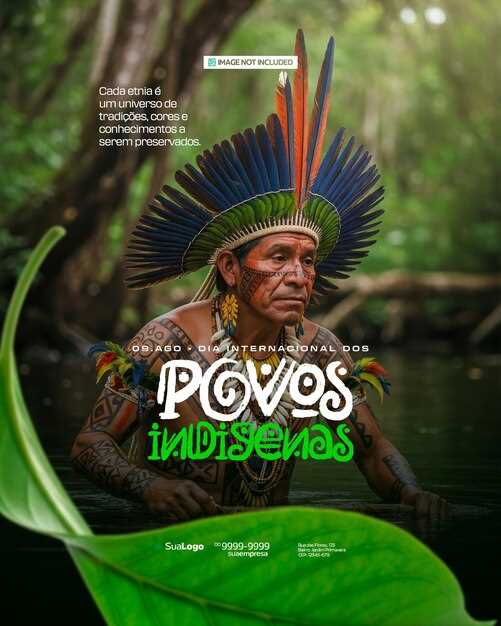
In Brazil, the influence of indigenous traditions is profound, shaping various aspects of the culture, language, and lifestyle. While many people recognize popular festivals and culinary items such as *stew* variations, it is essential to explore into specific elements that reflect indigenous methodology, especially along the rivers in the northern regions. In states like Amazonas, indigenous communities play a vital role in preserving unique languages, customs, and art forms that exist outside the mainstream. This rich heritage is not merely anecdotal but recognized and protected by laws enacted by the Brazilian parliament to ensure the security of indigenous rights.
One of the most impactful aspects of these traditions is their integration into modern Brazilian identity. As visitors arrive in Brasilia or the lively streets of Rio de Janeiro, they encounter a mix woven from indigenous history. This is evident during cultural festivals or *after-hours* events, where traditional dance and music encapsulate thousands of years of history. For many, understanding the full scope of *Brazil* means recognizing the indigenous peoples who have resisted colonization and maintained their way of life. Whether one is exploring the *favelas* or enjoying regional cuisine, these cultural touches remain inseparable from the essence of Brazil, further enriching the *world's* perception of South America.
The Role of Carnival in National Identity
Carnival in Brazil serves as a lively expression of national identity, integrating diverse cultural elements from indigenous peoples, African immigrants, and European settlers. This festival, which looks forward to the period of Lent, has become synonymous with Brazilian culture, showcasing colorful parades, samba music, and elaborate costumes. Those who participate not only celebrate the rich mix of customs but also resist the pressures of modernity, allowing for a temporary escape into a world where art and tradition reign supreme. Cities like Rio de Janeiro and Salvador, renowned for their Carnival festivities, attract approximately two million visitors, further solidifying the festival's place in the heart of the nation.
As Carnival impacts both social and economic sectors, it highlights the contributions of women and various ethnic groups, from the indigenous tribes in the Amazon to Afro-Brazilian communities. In the districts of these cities, samba schools prepare year-round, competing fiercely for recognition and a chance to win the coveted title of 'Carnival Champion'. This dynamic festival leverages technology to enhance its reach and influence, adapting while maintaining its core traditions. The detailed planning, lively costumes, and thrilling performances showcase not only the artistic capabilities of Brazilians but also their resilience and unity, making Carnival a cornerstone of Brazil's national identity.
Brazilian Cuisine: Must-Try Dishes
Brazilian cuisine is known for its diverse flavors and influences, reflecting the country's rich cultural heritage. Each region showcases unique dishes that are often intertwined with local traditions. For instance, the northeastern part of Brazil offers a fantastic array of flavors due to its agricultural climate, making it a hotspot for dishes like acarajé, a deep-fried ball of black-eyed pea dough filled with shrimp and vatapá.
In cities like São Paulo and Brasília, you will find street vendors selling some of the greatest culinary delights. One must-try is pastel, a crunchy pastry usually filled with cheese, meat, or vegetables. Consumed in the early morning or as a snack throughout the day, pastéis are often paired with freshly squeezed juice, enhancing their appeal to both locals and visitors.
Further inland, the Amazon region offers dishes that draw from the lush forests and rivers. For those who are adventurous eaters, you need to try tucunaré, a species of fish that is commonly prepared in a variety of ways, including grilled or baked with local spices. This dish highlights Brazil's commitment to sustainability and the responsible use of its natural resources.
Another essential dish is the famous feijoada, a hearty black bean stew with various cuts of pork and beef. It is known for its rich and savory flavor, often served on Wednesdays and Saturdays. This meal is not only a culinary staple but also a symbol of Brazilian culture, bringing families together to celebrate its heritage. Make a note: this dish is typically enjoyed with rice, collard greens, and orange slices to balance the heavy flavors.
While exploring Brazilian markets, you will also come across farofa, a toasted cassava flour mixture that often accompanies many meals. It is versatile and can be flavored with spices, nuts, or even bacon. This side dish originated from Portuguese influences, showcasing how Brazilian cuisine is a blend of various cultural practices, including indigenous and civil elements.
In regions like Maranhão, it's worth trying rice with shrimp cooked in a coconut milk sauce, a dish that emphasizes the abundance of seafood in the coastal areas. Additionally, beverages such as caipirinha (a refreshing cocktail made with cachaça, sugar, and lime) are essential for immersing oneself in the lively culinary scene. Note that, although these drinks are widely enjoyed, they should be consumed responsibly to ensure your safety.
Finally, don’t overlook Brazilian desserts! Pudim, a flan-like custard, is a popular choice among locals and is commonly found in homes and restaurants alike. This dish offers a sweet ending to the diverse culinary experience Brazil has to offer. If you are planning to visit, make arrangements to indulge in these unique flavors and ensure your adventure is both satisfying and memorable.
Ready to set up your Cyprus company?
Our specialists guide you through the entire process — registration, tax setup, and bank account opening.
Request a consultation →