

Discover Norway - A Guide to the Land of Fjords, Northern Lights, and Viking Heritage
Norway, a country renowned for its stunning natural landscapes, offers visitors an extensive array of experiences, from majestic fjords to the enchanting Northern Lights. Located in the northernmost part of Europe, this land of stark contrasts combines thick forests, rugged mountains, and deep valleys, crafting a unique character that reflects both its natural beauty and rich history. In the beginning, Norway's identity was shaped by its Viking heritage, which still resonates today in its culture, language, and traditions.
The Norwegian constitution, established in 1814, marked a significant turning point in the country's political landscape, strengthening its independence and national identity. Over time, the country has evolved, adopting social policies that promote equality and welfare, showcasing the principles of a modern, democratic state. The flag of Norway, with its striking colors and design, symbolizes not only national pride but also the struggle and achievements of Norwegians throughout history.
In this guide, we will explore various regions of Norway, including the breathtaking Hurrungane mountains and the vibrant area of Finnmark, where the indigenous Sámi culture thrives. Visitors will have the opportunity to experience the diverse dialects used across the country, and understand how these linguistic variations reflect the area's rich heritage. Join us as we journey through Norway's remarkable landscapes, delve into its Viking past, and understand the influence of both social and political factors that have shaped modern Norwegian society.
Exploring Norway's Unique Ecosystems
See also: Discover the Best of Curaçao.
See also: Discover the Isle of Man.
Norway's ecosystems are among the most diverse and unique in the world, encompassing everything from the majestic fjords to the pristine valleys. The country is known for its vast landscapes that include towering mountains, deep lakes, and extensive coastlines. These geographical features not only define the country's beauty but also provide critical habitats for various species. With extensive areas preserved under environmental protection agreements, Norway is committed to maintaining its natural heritage.
The fjords, ¡like the famous Geirangerfjord and Nærøyfjord, are critical to the ecosystem. These deep sea inlets provide essential habitats for coastal fish, such as cod and mackerel, which play a vital role in local economic activities like fishing. While fishing is known to have significant historical and cultural importance in Norway, it also represents the ongoing relationship between the people and the sea. This dynamic is further emphasized by the fact that some areas have been occupied by communities for centuries.
The coastline of Norway is adorned with several islands, including Bømlo, which alongside the mainland, forms an intricate network of marine environments. The biodiversity here can surprise newcomers who might expect a more uniform habitat. Migratory birds and marine mammals can often be spotted in these zones, illustrating the country’s commitment to conserving its natural ecosystems.
Inland, the country’s mountainous regions give way to various biomes. The diverse climatic conditions allow for a range of plant and animal life, which thrive in their respective communities. From the northern regions that experience long winters to the forested areas that are usually lush and green, each area has adapted to its environment, demonstrating remarkable resilience.
Norway's unique ecosystems are also home to a number of endemic species, which play crucial roles in the overall health of these environments. Long-standing initiatives have aimed to protect these species, and conservation efforts have taken shape thanks to national policies that emphasize sustainability. The focus is not just on preserving individual species but also on ensuring that whole ecosystems can thrive together.
Exploring Norway's ecosystems through hiking and outdoor exercises allows visitors to appreciate the region's natural beauty up close. Trails wind through stunning landscapes where hikers may spot rare flora and fauna, such as the arctic fox and the northern lights. These excursions offer opportunities to connect with nature and witness the effects of climate change, which threatens many of these ecosystems.
International collaborations have also taken part in conservation efforts, ensuring that Norway can share its knowledge with neighboring regions like Greenland. This cooperation is pivotal, especially when dealing with challenges like climate change that affect the whole Arctic region. With a focus on sustainable development, these reforms aim to preserve the ecosystems for future generations.
In conclusion, Norway's ecosystems are a testament to the country’s natural heritage and commitment to sustainability. From its remarkable fjords to the fascinating wildlife, the ecosystems are integral to both Norway's identity and its future. Whether you are experiencing the breathtaking beauty of lakes like Mjøsa or trekking the rugged landscapes of the valleys, exploring Norway promises a journey filled with discovery and wonder.
Coastal Biodiversity: Life in the Fjords
The fjords of Norway are not only breathtakingly beautiful but also serve as vital ecosystems that support a rich variety of life. Along the southwestern coastline, these deep inlets provide a habitat for a multitude of species, from thick-skinned seals to agile otters. Throughout history, the region has faced its share of challenges, including environmental issues and the impact of human activities on local species. However, the Norwegian government has made significant progress in recent years, enacting laws that aim to protect these unique environments. These regulations cede some areas of coastal territory to national parks, allowing wildlife to thrive while also promoting eco-tourism. Thus, the fjords become a shared resource that benefits both the local population and visitors alike, showcasing the delicate balance of nature.
Within the fjords, the knowledge of traditional fishing techniques is passed down through generations, illustrating a connection between the local people and their maritime environment. They understand that managing these resources is essential for sustainability. While the opposition to certain fishing practices has been part of the dialogue, the resolution often comes through collaborative agreements between communities and the government. Once, when the pollution plagued the waters, the community rallied to address the problems, establishing conservation efforts and educating others about the importance of safeguarding their environment. In this way, the fjords become a poignant example of how humans can coexist with nature, a model for other regions facing similar challenges.
Mountain Ecosystems: Flora and Fauna at High Altitudes
High altitudes in Norway are home to magnificent mountain ecosystems, where flora and fauna have adapted to extreme conditions. The vegetation here is limited due to the harsh climate, but it is resilient. Among the flora, mosses and lichens often dominate, covering the rocky surfaces. These species are crucial in functioning as pioneer organisms, creating the necessary conditions for later plant growth. In some regions, perennial herbs like saxifrage emerge, showing extraordinary adaptability.
The fauna at these altitudes is equally fascinating. One can find reindeer roaming the high tundra, which are not only a cultural symbol but also a vital part of the ecosystem. Their grazing habits help maintain the balance of flora, allowing other species to thrive. However, the status of these animals is threatened due to climate change and industrial activities.
Interestingly, the northern lights illuminate these ecosystems during winter, creating a stunning backdrop for the diverse wildlife. In the early months of the year, snow covers the landscape, allowing animals like the Arctic fox to thrive. These foxes have adapted their hunting strategies to the harsh conditions, showcasing the remarkable resilience found in these mountain regions.
Mountain lakes, shaped by glacial activity, serve as ecosystems rich in diverse aquatic life. These waters are home to many fish species, including trout, which are important for maintaining food chains within these high-altitude environments. Current conservation efforts, spearheaded by several Norwegian organizations, focus on preserving these unique habitats against the pressures of tourism and development.
Biodiversity in these ecosystems is crucial, as the interdependent relationships highlight the complexity of life at high altitudes. For instance, when the Kålmården strait and other waterways are affected by pollution from neighboring countries, the repercussions are felt deep within the mountain ecosystems, as these habitats are interconnected.
As we explore the mountainous regions, we find numerous species that play significant roles in maintaining ecological balance. For instance, the presence of truffles underground signals a healthy ecosystem, as they have partnerships with surrounding plant life. This relationship is indicative of the province's overall health, showcasing how even at high elevations, life finds a way to persist.
Thus, while many may see these mountain ecosystems as remote and untouched, the reality is that they are dynamic environments that require ongoing protection and awareness. Only through concerted efforts and strong ties with neighboring countries can we ensure the survival of these remarkable and unique ecosystems in the face of evolving challenges.
Tundra Habitats: Adaptations to Harsh Conditions
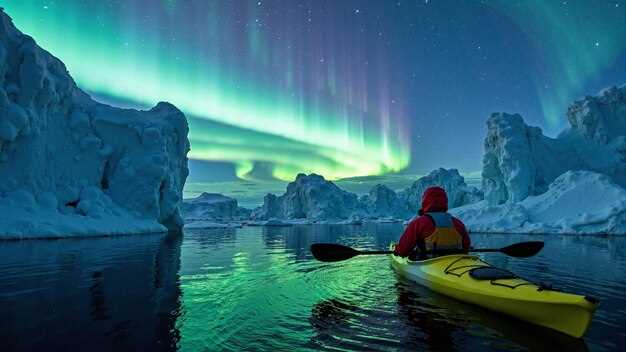
The tundra habitats, commonly found in Norway and other Arctic regions, are characterized by their extreme weather conditions and short growing seasons. These areas, spanning thousands of square kilometers, are crucial ecosystems that support a variety of wildlife and plant species uniquely adapted to survive. The total area of tundra in Norway includes regions like Finnmark and Svalbard, where temperatures can drop significantly, making resilience essential for survival.
Plants in tundra habitats have developed remarkable adaptations to thrive in harsh climates. For instance, many species are low-growing and have shallow root systems, which help them to withstand strong winds and prevent water loss during drought-like conditions. Some plants have thick, waxy leaves to minimize water evaporation and can often photosynthesize even at low temperatures and limited light. Examples of such adaptations are evident in the resilient flora that includes mosses and lichens.
Animals that inhabit the tundra, such as reindeer and Arctic foxes, also demonstrate specific adaptations. Their bodies are covered with thick layers of fur that provide insulation against the cold. Moreover, many species have developed a unique coloration that allows them to blend seamlessly into their snowy surroundings, aiding in camouflage and protection from predators. Such traits are crucial for both their survival and their ability to reproduce in an environment that spans generations.
| Animal | Adaptation |
|---|---|
| Reindeer | Thick fur and specialized hooves for snow mobility |
| Arctic Fox | Seasonal color change for camouflage |
| Snowy Owl | Insulated feathers and silent flight for hunting |
The role of government and conservation bodies in protecting tundra habitats is vital. Various jurisdictions, including those in Norway, have implemented measures to manage these precious ecosystems effectively. Through legislative initiatives and collaboration with local communities, efforts aim to maintain biodiversity and combat the effects of climate change, demonstrating a commitment to preserving these unique environments for future generations.
Moreover, international cooperation is essential to address the challenges faced by tundra habitats. Norway has engaged in partnerships with allied nations to promote sustainable development practices. These efforts often include sharing scientific knowledge and strategies to mitigate the impact of human activities, particularly in areas facing increased industrialization and tourism.
Throughout the ages, the tundra has been a source of fascination and study. Many researchers have discovered that shifts in climate conditions have profound impacts on these ecosystems. For instance, temperature increases lead to changes in migratory patterns and the availability of resources, impacting both wildlife and human populations that rely on these habitats for their livelihoods.
In summary, tundra habitats represent an incredible biodiversity hotspot that has adapted to extreme conditions. By understanding and protecting these ecosystems, we not only safeguard the unique flora and fauna but also acknowledge the ancestral ways of life of indigenous peoples. Norway, with its stunning landscapes and rich Viking heritage, reminds us of the importance of preserving our natural world for future generations.
Wildlife Encounters in Norway
Norway is a country renowned for its stunning landscapes and diverse wildlife. From the mountainous regions of the north to the expansive coastline, wildlife encounters are abundant. The unique geography allows for various habitats, making it possible to find animals ranging from majestic moose to the elusive wolverine. These encounters can be planned through various tours that operate along popular routes like the Nордкап and fjord areas, ensuring that visitors can appreciate the country's natural beauty.
Throughout the year, Norway offers opportunities to witness spectacular wildlife. In the winter months, visitors flock to see the reindeer migration and the Sámi culture that revolves around it. This unique experience not only highlights the biodiversity but also emphasizes the cultural heritage of the indigenous Sámi people. In summer, tourists can observe marine life such as whales and sea eagles along the coast. The biodiversity here is significant, often attracting researchers from OECD countries to study animal interaction in such unique ecosystems.
See also: Discover the Wonders of Spain.
Notably, Norway’s wildlife is supported by government initiatives focused on conservation. The nation's parliament has established various national parks that protect crucial habitats while providing controlled access for wildlife viewing. The goal is to balance tourism interests with preserving the natural environment for future generations. These efforts reflect a common understanding among Scandinavian states regarding the importance of sustainable interactions with nature.
Visitors can learn important information about wildlife species and their habitats through guided tours and visitor centers in national parks. Guides often speak multiple languages, including Norwegian and English, making it easy for international tourists. In regions with lower population density, one might find a tranquil environment perfect for wildlife observation. For an unforgettable experience, travelers should consider planning their trips around the seasonal movements of wildlife to maximize their chances of witnessing these extraordinary encounters.
Ready to set up your Cyprus company?
Our specialists guide you through the entire process — registration, tax setup, and bank account opening.
Request a consultation →