
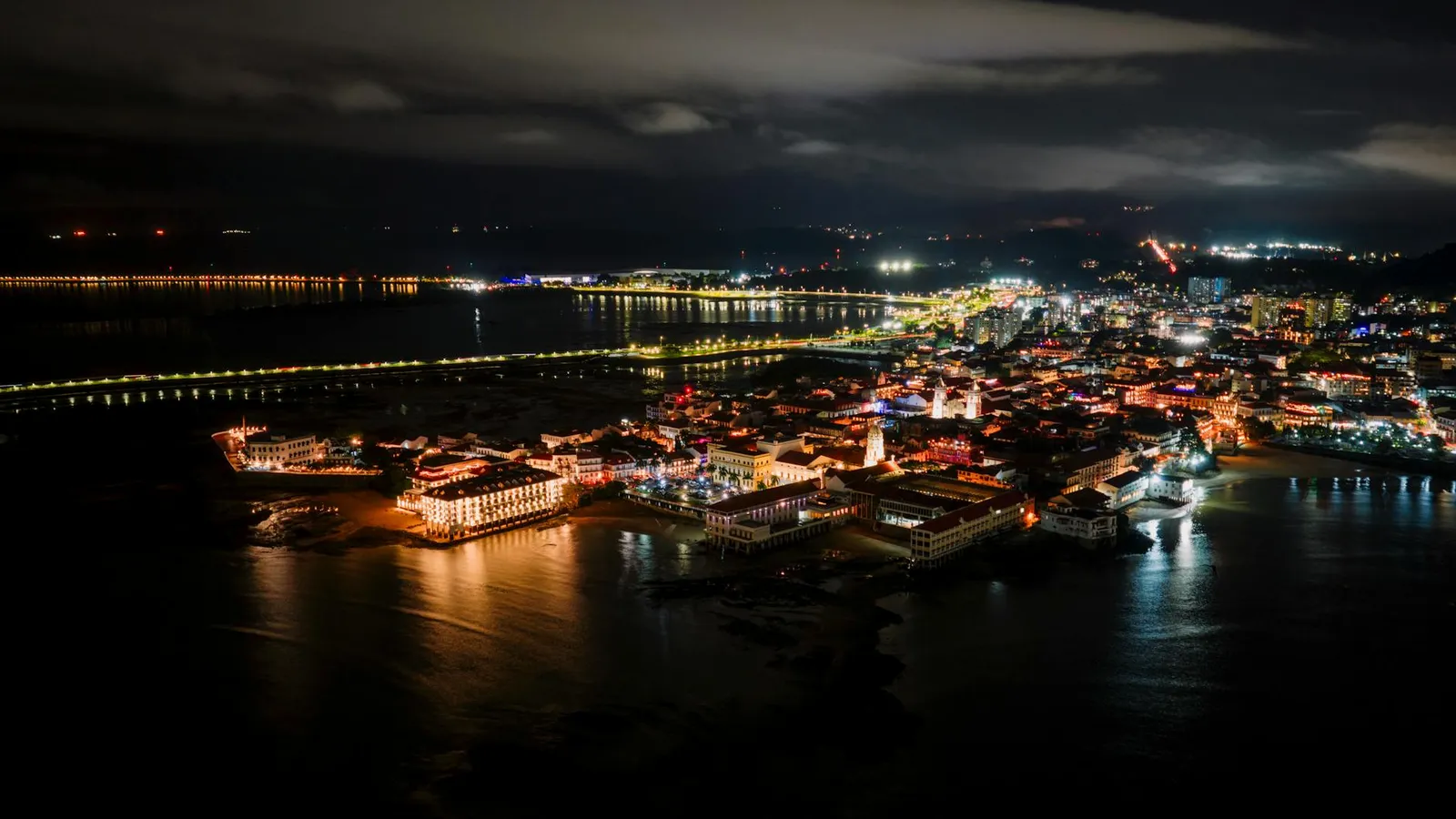
Discover Panama - Highlights and Attractions of This Unique Destination
Panama, a beautiful republic located at the crossroads of Central and South America, offers a unique blend of attractions that cater to every traveler. Known for its famous Panama Canal, which connects the Atlantic and Pacific Oceans, this destination has more to offer than just engineering marvels. Visitors can find opportunities to enjoy the rich traditions and lively culture throughout the country. For example, the annual Festival de la Mejorana in Guararé showcases local music and dance, attracting a multitude of supporters from around the region.
See also: Discover the Best of Curaçao.
See also: Discover the Beauty of the Dominican Republic.
This country also borders Colombia and Costa Rica, making it an ideal starting point for those looking to explore the numerous islands in the surrounding archipelago. With peaceful beaches and breathtaking landscapes, Panama is a place where travelers can escape the bustle of city life. The cities, such as Panama City, blend modern skyscrapers with remnants of colonial architecture, presenting a fascinating juxtaposition that reflects the nation's history.
For international travelers, it is important to note that a visa may be required, depending on your nationality. The country uses the US dollar, making it easier for many visitors, as they can seamlessly transition their spending habits. Whether you are a nature enthusiast keen on exploring national parks or a history buff looking to uncover Panama's past, this destination promises a diverse range of experiences for everyone. From the bustling streets of the capital to the quiet tranquility of the countryside, Panama is a land of possibilities just waiting to be discovered.
Why Visit Panama?
Panama is a unique destination that offers a blend of natural beauty, rich history, and lively culture. One of the most compelling reasons to visit Panama is its strategic geographical location, as it borders both the Caribbean Sea and the Pacific Ocean. This positioning allows visitors to explore stunning beaches and diverse ecosystems within a short distance.
See also: Explore Antigua and Barbuda.
In the context of national parks, Panama has a wealth of protected areas, including the Darien National Park, which is ideal for nature lovers and adventure seekers. The park is home to a range of wildlife and offers opportunities for trekking, bird watching, and experiencing the Amazonia biosphere.
Another highlight is the San Blas archipelago, known for its breathtaking landscapes and traditional Guna Yala culture. Here, visitors can enjoy local seafood dishes such as fresh omar and other seafood delicacies, made from recipes passed down through generations. The lively community festivals celebrate these culinary traditions, making it a must-visit destination.
Furthermore, Panama City is a thriving metropolis that showcases a mix of colonial architecture and modern skyscrapers. The historical Casco Viejo district, a UNESCO World Heritage site, offers a glimpse into the country's colonial past and is perfect for exploring charming streets and local shops.
Importantly, Panama is a hub for international trade, with its famous canal being a crucial transit route for global shipping. The availability of various banking services and mobile facilities makes it an attractive destination for business travelers as well.
For those interested in education and lifestyle, the country has a high standard of living with good healthcare and educational facilities. The cost of living is quite affordable compared to many other countries, allowing you to experience a luxurious lifestyle without breaking the bank.
In summary, Panama not only offers beautiful landscapes and rich traditions but also provides various opportunities for both relaxation and adventure. Whether you are exploring its national parks, indulging in local cuisine, or experiencing the cosmopolitan vibes of its capital, Panama is a destination that leaves a lasting impression.
Exploring the Rich Cultural Heritage
Panama offers visitors a unique glimpse into its rich cultural heritage, which is shaped by a blend of indigenous traditions, colonial history, and modern influences. The country's lively markets are bustling hubs of trade, where tourists can find local handicrafts and sample traditional dishes. The famous "chiriquí" region is known for its fertile lands, producing some of the best coffee and vegetables, which play a significant role in the local cuisine.
Festivals, such as the Carnival, highlight the lively spirit of Panamanian culture, attracting both locals and tourists. The celebrations feature lively parades, colorful costumes, and music that resonate across the streets. Each season brings a new opportunity to enjoy these cultural events that embody the essence of Panama.
The nation's capital, Panama City, serves as a cultural epicenter, offering access to numerous museums and historical sites. Explorers can explore into the country's colonial history through well-preserved architecture and informative exhibitions. Travelers can easily reach various regions of Panama to discover its diverse cultural landscapes, from the bustling capital to serene beach destinations.
Education and awareness of the rich cultural heritage are crucial, as the Panamanian government supports initiatives that promote local art and traditions. Local schools often engage students in cultural activities, ensuring that the younger generation appreciates their heritage.
Tourism plays a vital role in the economy, with significant contributions coming from ecotourism and adventure travel. Visitors can engage with the rich biodiversity of the country while staying in eco-friendly accommodations, exploring majestic volcanoes, and discovering pristine beaches along the Caribbean and Pacific coasts.
Despite the pressures of neoliberal policies, Panama's cultural heritage continues to thrive, with efforts to maintain traditional practices amidst modernization. As the country embraces its identity, visitors to Panama can expect a warm welcome and a chance to immerse themselves in a culture filled with history, diversity, and vibrancy.
Experiencing Diverse Natural Landscapes
Panama is renowned for its diverse natural landscapes, offering a unique blend of ecosystems that include lush rainforests, beautiful beaches, and mountainous terrains. This small republic, situated between the Pacific and Caribbean Oceans, serves as a vital transit point for various species, enabling travelers to witness nature in its purest form.
The country’s geography is marked by its rich topography, where the temperature can soar in the hot lowlands while cooler climates are found in the mountainous regions such as Boquete. Here, coffee farms thrive amidst the backdrop of verdant hills, creating a peaceful atmosphere that attracts both locals and tourists. In these areas, it is common to find gatherings of both tourists and locals enjoying the beauty of the landscape.
Visitors to Panama can explore several important national parks that showcase the country's biodiversity. Parque Nacional Coiba, for instance, is a UNESCO World Heritage site and offers a melting pot of marine life, while Darién National Park, located near the Colombian border, presents an opportunity to experience one of the most untouched rainforests in the world.
Moreover, the indigenous communities throughout the provinces play an integral role in preserving the rich cultural mix and natural resources. They often share their knowledge about the local flora and fauna, enhancing the overall experience for tourists. It is important for visitors to respect these communities and engage with them in meaningful ways, ensuring sustainable tourism practices are upheld.
As tourists navigate through different regions, they may find themselves in awe of the distinct ecosystems, whether it be the serene beaches of Bocas del Toro or the lively coral reefs off the Pacific coastline. Traveling from the Caribbean to the Pacific side provides an incredible opportunity to appreciate the geographical contrasts that Panama has to offer.
In summary, experiencing the diverse natural landscapes of Panama is essential for anyone seeking to understand the country's ecological significance and beauty. By appreciating the various terrains, visitors can truly comprehend the importance of preserving this unique destination while enjoying its many wonders.
Enjoying Lively Local Cuisine
Panama is known for its rich local cuisine that represents a blend of indigenous, Spanish, and Afro-Caribbean influences. This diversity can be experienced through various delectable dishes that often incorporate fresh seafood and tropical ingredients.
- Seafood: With the Pacific Ocean on one side and the Caribbean Sea on the other, it's no surprise that seafood is a staple in Panamanian cuisine. Popular dishes include ceviche, which consists of marinated fish or shellfish, and sancocho, a hearty chicken soup that often features seafood.
- Indigenous flavors: Many local dishes are inspired by indigenous traditions, using herbs and spices sourced from the country's diverse flora. Staples like corn and rice play a vital role in the daily diet.
- Festive foods: During special occasions like the Carnival, locals celebrate with an array of traditional treats. These events bring together communities to enjoy lively foods while experiencing the lively atmosphere.
- Street food: In the towns and cities, food stalls and markets act as fine dining experiences where one can savor local favorites such as empanadas and arepas. These affordable options highlight the culinary skills and rich culture of Panama.
To fully enjoy the Panamanian dining experience, it's advisable to engage with the locals. Tipping is customary, reflecting the appreciation of good service in restaurants and markets. Additionally, travelers should consider trying local beverages such as coffee made from locally grown beans, which are recognized for their quality on a global scale.
The local cuisine is not only about the food but also about the social experience. Many restaurants incorporate settings that allow patrons to enjoy meals by the waterfront or in lush gardens, making every dining occasion memorable. Whether you are stationed by the Pacific coastline or in the lively streets, the culinary scene of Panama is one that delights the senses.
In summary, indulging in the local cuisine of Panama is essential for any traveler. With a variety of flavors, textures, and dishes that have been shaped by the nation's rich cultural mix, discovering Panamanian food is an adventure worth starting on.
Engaging in Adventure Activities
Panama offers a plethora of adventure activities that attract thrill-seekers from around the globe. From its lively capital, Panama City, to the lush mountains and coastal areas, there are numerous opportunities for outdoor enthusiasts to engage in exhilarating experiences.
One of the most popular activities is surfing along the stunning coastline. Beaches like Playa Venao and Santa Catalina are renowned for their consistent waves, making them ideal spots for both beginners and experienced surfers. These locations, which are located on the warm waters of the Pacific Ocean, host annual surfing competitions that showcase the talent of local and international surfers.
For those who prefer to explore the great outdoors inland, the tropical rainforests and mountainous regions are perfect for hiking and zip-lining. Adventure seekers can find numerous trails that lead to breathtaking waterfalls and panoramic views of the surrounding landscapes. The high altitudes provide a unique perspective of the rich biodiversity that defines Panama's ecological heritage. Moreover, zip-lining tours, such as those available in the Arenal area, allow participants to glide through the treetops, immersing themselves in nature while feeling the adrenaline rush.
Another major draw for adventure lovers is white-water rafting on the Chiriquí River. With varying levels of rapids, this activity caters to different experience levels, ensuring that both novices and seasoned rafters can enjoy the thrill of navigating through swift currents and stunning scenery.
| Activity | Location | Best Time to Visit |
|---|---|---|
| Surfing | Playa Venao, Santa Catalina | April to October |
| Hiking | Cloud Forests, Chiriquí | December to April |
| Zip-lining | Arenal Area | Year-round |
| White-water Rafting | Chiriquí River | April to November |
With so many options, Panama is the ultimate destination for those looking to pursue adventure activities against the backdrop of its diverse landscapes. Whether you're navigating the rapids or riding the waves, engaging in these activities creates unforgettable memories that reflect the wild spirit of this democratic nation.
Understanding Economic and Historical Significance
Panama's unique position as a bridge between two oceans has given it significant economic importance since its discovery. The Panama Canal, completed in the early 20th century, stands as a critical gateway for international trade, allowing ships to avoid the lengthy journey around South America. This engineering marvel has transformed Panama City into a bustling capital that attracts business and tourism alike.
The country's economy relies heavily on various industries, prominently on ecotourism, which showcases Panama's rich biodiversity and unique ecosystems. Tourists flock to the San Blas Islands to experience the stunning coastline, while the lush highlands of Boquete offer exciting opportunities for coffee lovers. The agricultural sector, where products like coffee and lobster are prominent, plays an essential role in Panama's overall economy. These industries not only promote economic growth but also provide livelihoods for local communities.
Historically, Panama has witnessed a series of significant events that shaped its identity. From the Spanish colonial period, where the region became a crucial transit point for treasure fleets, to the modern-day emphasis on independence and self-governance, the country's historical narrative is rich and complex. The Assembly of Deputies, as a parliamentary body, reflects the democratic development of Panama, allowing for participation in governance and decision-making processes.
Additionally, the country has faced challenges, including the impact of narcotics trafficking on its social structure and healthcare system. The government, under leadership figures like Noreiga, has implemented various strategies to combat these issues while promoting overall national well-being. Investments in healthcare and infrastructure have yielded significant improvements, although challenges remain, particularly during the rainy months.
As Panama continues to grow, the interplay between its historical significance and current economic activities remains vital. The ongoing development of its regions and provinces reflects a balance between preserving cultural heritage and leveraging modern opportunities. For visitors, understanding the economic driver behind tourism and local cuisine enhances the experience of exploring this diverse destination, where one can find a rich mix of indigenous traditions and contemporary influences.
Top Attractions to Explore

When you visit Panama, there are several highlights and attractions that you simply must explore. Each destination offers a unique glimpse into the culture and history of this lively country.
- Panama Viejo: As the original site of Panama City, Panama Viejo is a historical landmark that showcases the ruins of structures built in the 16th century. Visitors can witness the remnants of the past while enjoying the scenic views from the tower.
- Bocas del Toro: This archipelago is known for its picturesque beaches and rich biodiversity. It’s a great place to find lively coral reefs perfect for snorkeling and diving. The lush landscapes and local schools of fish make it an obligatory stop for nature lovers.
- Darien National Park: A UNESCO World Heritage Site, Darien National Park is home to a rich variety of flora and fauna. It boasts a wonderful climate, where tourists can explore the tropical rainforest and meet indigenous communities.
- Panama Canal: An engineering marvel, the Panama Canal is a must-see destination. Visitors can witness the transit of ships and learn about the canal's construction, which symbolizes the country’s strategic position between the Atlantic and Pacific Oceans.
- Amador Causeway: Stretching into the Pacific Ocean, this scenic causeway offers beautiful views of the city skyline and is lined with popular parks, restaurants, and shops. It’s an ideal spot for a leisurely stroll or cycling.
- Baldío al Mar: Popularly known for its lively atmosphere, this beach is perfect for those looking to relax or engage in water sports. The temperature here is always inviting, making it a top choice for beachgoers.
- Metropolitan Natural Park: Located conveniently near the city, this park serves as a wildlife refuge and is a great place for hiking and birdwatching. The lush landscape provides a vital escape from the hustle and bustle of urban life.
Each of these attractions not only contributes to the overall charm of Panama but also represents the country's rich cultural heritage and natural beauty, making them essential stops on your journey.
Panama Canal: An Engineering Marvel
The Panama Canal, a pivotal engineering achievement, connects the Pacific and Atlantic Oceans, greatly facilitating maritime trade. This essential waterway has transformed the dynamics of global shipping by allowing ships to avoid the lengthy Cape Horn route. It draws a significant number of tourists who come to witness its operations and learn about its history.
Constructed in the early 20th century, the canal exemplifies human ingenuity in overcoming geographical challenges. The canal's design includes a series of locks that raise and lower vessels, a system vital for navigating the differing water levels between the two oceans. On average, over 14,000 ships pass through the canal each year, with container ships and luxury liners making up the majority of the traffic.
The canal is located within Panama's national borders, making it a central feature of the country. The Panamanian government, under the leadership of President Arnulfo Arias, oversaw the final stages of its construction and subsequent management. It remains a point of national pride, representing not only an engineering triumph but also a symbol of potential for progress within the country.
Tourists visiting the canal can enjoy various viewing points and visitor centers that provide insights into its operation and impact. These facilities showcase the engineering systems and environmental considerations that were implemented during the canal's construction. In the surrounding region, biodiversity thrives, with coral reefs and lush forests, creating an attractive environment for travelers.
The canal also plays a crucial role in Panama's economy. It generates significant revenue from tolls paid by ships, contributing to the overall financial health of the nation. In addition to trade, the canal supports sectors such as tourism and healthcare by improving accessibility and connectivity.
Overall, the Panama Canal is not only an engineering marvel but also a vital artery of trade that has shaped the economic landscape of the region and continues to be essential for maritime travel.
Ready to set up your Cyprus company?
Our specialists guide you through the entire process — registration, tax setup, and bank account opening.
Request a consultation →