
Discover Singapore - A Complete Guide to the Lion City’s Best Attractions, Culture, and Cuisine
Situated at the crossroads of international trade and cultural exchange, Singapore is a city-state that offers a unique system of attractions, cultural experiences, and culinary delights. With a history that reflects the influences of many countries, particularly Malaysia and China, Singapore's vibrant tapestry is woven from various threads including Malay, Indian, and Western cultures. This remarkable blend is particularly evident in areas like Chinatown and Little India, where visitors can experience the rich diversity of languages, traditions, and lifestyles that have developed over centuries.
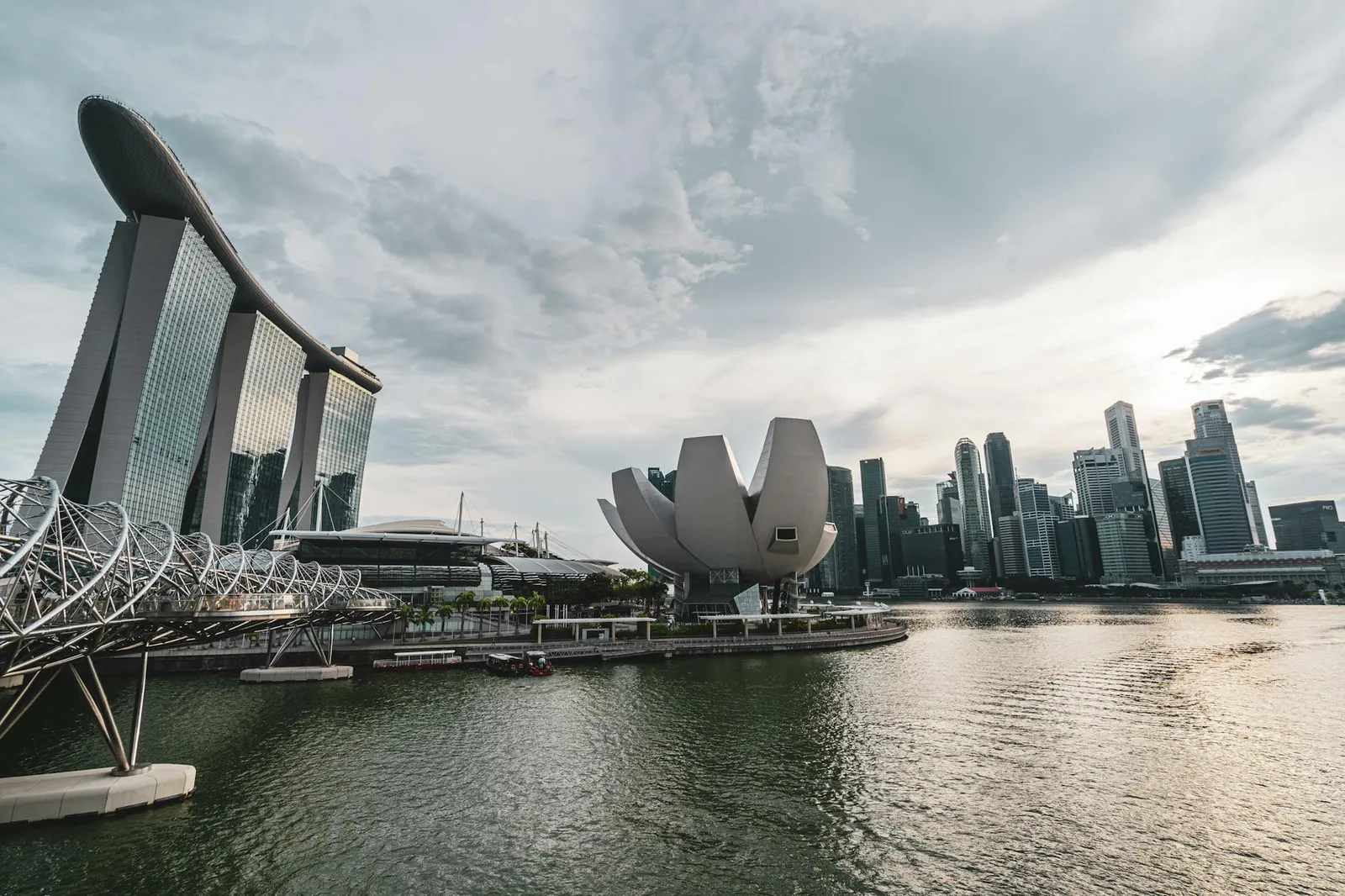
The realities of life in Singapore encompass a blend of modernity and tradition, epitomized by its stunning skyline filled with high-rise buildings and lush greenery, creating a harmonious balance. From the newly constructed Marina Bay Sands to the historical sites of the Majapahit era, each attraction serves as a testament to Singapore’s continuous growth and ability to adapt. The city's economy, driven by international trade and a thriving tourism industry, has positioned it as a key player on the global stage, often compared to other metropolises such as Tokyo and New York.
For those seeking an unforgettable adventure, Singapore’s street food scene is a must-visit, where the flavors of various cultures come together to create an extraordinary culinary landscape. From savory satay to sweet kaya toast, food is a central part of life in Singapore and an excellent way to understand its multicultural society. This guide will explore these aspects in detail, helping you plan your visit to this dynamic republic while ensuring you experience the best that the Lion City has to offer.
Geography
Singapore is a small island nation located at the southern tip of the Malay Peninsula, strategically positioned as a major maritime hub. It is approximately 137 kilometers north of the equator and spans a mere 728.6 square kilometers. The city-state consists of one main island and 63 smaller islets, with the largest island being Pulau Ujong, which is often referred to as Singapore itself.
The geography of Singapore is marked by its coastal line and an extensive harbor that accommodates various types of ships, largely influencing its position as one of the busiest ports in the world. The city is characterized by a mix of urban development and natural reserves. Most of its land is flat, with the highest point being Bukit Timah Hill at 163 meters, which makes it relatively easy to navigate the streets filled with cars and pedestrians.
Historically, the region was influenced by the Majapahit Empire and other neighboring countries, notably China and the Malay states. This rich cultural tapestry reflects on contemporary Singapore, where various languages and religions thrive. Malay, Chinese, Tamil, and English are the primary languages spoken in Singapore, showcasing its multicultural society.
The maritime climate is hot and humid, with a consistent yearly temperature averaging around 26 to 28 degrees Celsius. July typically experiences the highest rainfall, which is a significant factor for the local flora and fauna. As the country continues to grow and develop, it remains focused on sustainability amidst rapid urbanization and increasing demands for space. The population, primarily consisting of Malaysian and Chinese descent, reflects a diverse identity shaped by various historical influences.
Singapore’s geographical position has also established it as a critical center for trade and finance in the Asia-Pacific region. Its strategic location connects it with major economies such as Australia, Taiwan, and countries along the South China Sea. This enables Singapore to maintain its reputation as a global city with aspirations for further growth and development.
Understanding Singapore's Location and Climate
Singapore is strategically located at the southern tip of the Malay Peninsula, serving as a gateway between the eastern and western worlds. Its position in the maritime trade routes emphasizes its status as a global city, facilitating economic growth and international exchange. Being a densely populated island nation, it is relatively small in size; however, its importance on the world stage is significant.
The climate of Singapore is classified as a tropical rainforest climate, characterized by high humidity, significant rainfall, and consistently warm temperatures year-round. Average temperatures hover between 25 to 31 degrees Celsius (77 to 88 degrees Fahrenheit). Since the country is situated near the equator, there is minimal variation in climate throughout the year, which makes it crucial for residents and visitors to adapt to these conditions.
Rainfall is common, with periods of heavy downpours often occurring. The monsoon seasons, especially from November to January, can lead to increased precipitation. Understanding this climate is necessary for planning activities, as well as for the implementation of sustainable practices to manage water resources.
| Climate Feature | Details |
|---|---|
| Temperature Range | 25-31°C (77-88°F) |
| Humidity | High, generally above 80% |
| Rainfall | Averages 2,340 mm annually |
| Monsoon Seasons | North-East: Dec - Mar; South-West: Jun - Sep |
As Singapore continues to develop into a greener city, initiatives are in place to enhance sustainability. Urban planning incorporates more trees, green spaces, and solar energy solutions, reflecting a commitment to a sustainable future. Local policies and institutions emphasize the importance of adapting to climate change impacts through innovative strategies. In this way, Singapore not only ensures a better quality of life for its residents but also positions itself as a leader in addressing global environmental issues.
In conclusion, understanding Singapore's geographic location and tropical climate becomes essential for grasping the essence of its culture, economy, and aspirations as a modern city-state. The interplay between its natural environment and urban development is a testament to the nation's resilience and determination for growth.
Key Geographic Features: Islands and Waterways
Singapore, often referred to as the Lion City, is characterized by its strategic geographic features that include numerous islands and waterways. The main island, Singapore Island, serves as the core of this city-state, where a vibrant urban environment coexists with lush greenery and a complex system of waterways. This unique configuration has been instrumental in shaping the country's development and industrialization.
Surrounding the main island are a series of smaller islands, including Sentosa, which offers recreational spaces and has become a key destination for both locals and visitors. The etymology of some of these names reflects the region's rich history, dating back to its colonization and interactions with various cultures, including Chinese and Malays. These islands are not only significant for leisure activities but also play roles in the whole-of-nation effort towards enhancing Singapore's maritime capabilities.
The extensive network of waterways includes rivers and canals that facilitate trade, transportation, and recreation. The Singapore River, historically a central conduit for trading activities, now integrates with the city's modern landscape, linking various districts and institutions. The Ministry of Environment has invested in maintaining these waterways, ensuring they support both the ecology and the economy, contributing to a fine balance between urbanization and nature.
Dredging and development of the inland waterways have further advanced the country's infrastructure, with significant investments being made to improve accessibility and reduce unemployment in marine-related industries. This proactive approach ensures Singapore remains competitive globally, particularly in maritime trade and logistics, which now links it effectively with major countries such as Australia and Taiwan.
The strategic location of Singapore, lying at the crossroads of important shipping routes, enhances its status as a critical hub for international airlines and trade movements. This connectivity not only boosts the local economy but also enriches the cultural tapestry of the country, with diverse influences evident in its cuisine and community life.
Urban Planning: The Integration of Nature and Development
See also: Discover the Wonders of Spain.
See also: Discover the UAE.
In Singapore, the urban planning philosophy reflects a unique balance between development and nature, a testament to the nation’s commitment to creating a sustainable environment. This city-state, known as the Lion City, has been recognized for its exceptional ability to integrate green spaces within its urban landscape. From lush parks to vertical gardens, Singapore seeks to harmonize concrete structures with natural elements.
The government, guided by the Minister of National Development, has put in significant effort to ensure that every urban block includes features that enhance the quality of life. This commitment is evident in areas like Jurong, where innovative landscape architecture meets vibrant communities. Projects like these not only provide aesthetic appeal but also improve overall livability and promote mental well-being among citizens.
Singapore's approach involves a strategic blend of housing, transport, and education systems, which cater to diverse communities, including Malays, Indians, and Chinese. The integration of nature within these developments has allowed for the creation of spaces that connect people and foster social interaction, essential for a harmonious society. Parks and waterfronts serve as communal areas where various races and dialects, such as Mandarin and Malay, come together, reflecting the nation’s multicultural identity.
Moreover, the city has made substantial investments in green technology, ensuring that the developments are not only appealing but also environmentally friendly. This includes using imported materials and sustainable infrastructure, essential for supporting the growing population while maintaining the integrity of the ecosystem.
As the city evolves with its ambitious urbanization plans, Singapore has positioned itself as a model for future cities. The integration of nature in urban planning allows for a high quality of life amidst the hustle and bustle, demonstrating that it is possible to build modern environments while respecting and incorporating natural elements. In Singapore, the clear distinction between the concrete jungle and natural greenery is a palpable reflection of the city's commitment to nurturing both its citizens and the environment.
Popular Natural Reserves and Parks to Explore
Singapore, officially known as Singapura, is not only a bustling metropolis but also a city rich in natural beauty. Among its impressive urban landscape, you will find several natural reserves and parks that showcase the biodiversity of the region. Here are some of the most popular spots to explore:
- Singapore Botanic Gardens - A UNESCO World Heritage Site, the gardens showcase a stunning collection of tropical flora, including the famous Orchid Garden. It’s a perfect place for a leisurely stroll, picnic, or simply to unwind in nature.
- Bukit Timah Nature Reserve - Covering one of the last surviving primary rainforests in Singapore, this reserve is home to a rich variety of plant and animal life. You can hike the trails to reach the highest point on the island and enjoy breathtaking views.
- Sungei Buloh Wetland Reserve - This important ecological site is a sanctuary for migratory birds and a haven for various wildlife. Visitors can explore the mangroves and intertidal zones on well-maintained boardwalks and pathways.
- Fort Canning Park - Known for its historical significance, Fort Canning offers serene surroundings enriched with historical landmarks. It’s a great spot for history enthusiasts and nature lovers alike to relax and reflect.
- East Coast Park - A popular recreational area along the southeastern coastline, it provides an array of activities from cycling and rollerblading to enjoying a barbecue by the beach. The park is a great place to experience Singapore’s outdoor lifestyle.
See also: Discover the Isle of Man.
These natural reserves are a testament to Singapore's commitment to sustainability and conservation, making them essential parts of the Lion City's identity. They are not just retreats for city dwellers but also serve as educational sites reflecting the local ecology.
During your visit, be sure to set aside time to explore these natural gems. A week spent in Singapore can provide you a chance to experience both the vibrant urban life and serene natural environments, offering a whole-of-nation experience that beautifully blends the past and the future.
Topographical Variations: Exploring Heights and Depths
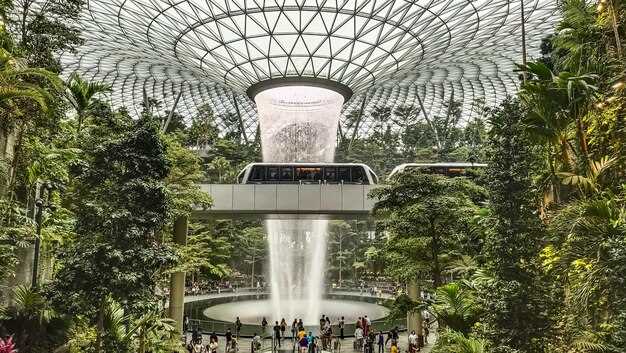
Singapore's landscape is a remarkable tapestry of topographical variations shaped by a blend of natural geography and human actions. This city-state, known for its rapid economic growth since colonization, offers towering heights and hidden depths that reflect its unique history and cultural diversity.
At the highest points, like the Bukit Timah Hill, reaching 163 meters, visitors can witness the extensive green coverage that forms the backbone of Singapore's commitment to cleaner-energy initiatives. Here, the juxtaposition of urban development and lush greenery serves as a testament to the nation’s educational and environmental efforts, supported by government policies aimed at enhancing the quality of life for its residents.
In contrast, Singapore's depths are found in areas such as the Marina Bay, where water bodies mirror the skyline's grandeur. These settlements are vital for maintaining external trade connections, contributing significantly to the country's international economy. The strategic positioning of Changi Airport, amidst these developments, emphasizes Singapore's vital role as a global hub for commerce and tourism.
The terrain also highlights the blend of various cultures, such as the Chinese and Malays, whose historical presence has influenced Singapore's identity. Streets filled with shops and eateries reflect the vibrant mosaic of communities that coexist, underscoring the importance of preserving cultural links while adapting to modern demands.
This intricate system of heights and depths is integral to understanding Singapore’s future. As the government addresses challenges like unemployment rates and urban heat, improvements in infrastructure and connections between different territories are crucial. The ongoing evolution of this small nation continues to rewrite the image and identity of Singapore, ensuring that each topographical feature holds both historical significance and a promise for progress.
Ready to set up your Cyprus company?
Our specialists guide you through the entire process — registration, tax setup, and bank account opening.
Request a consultation →