
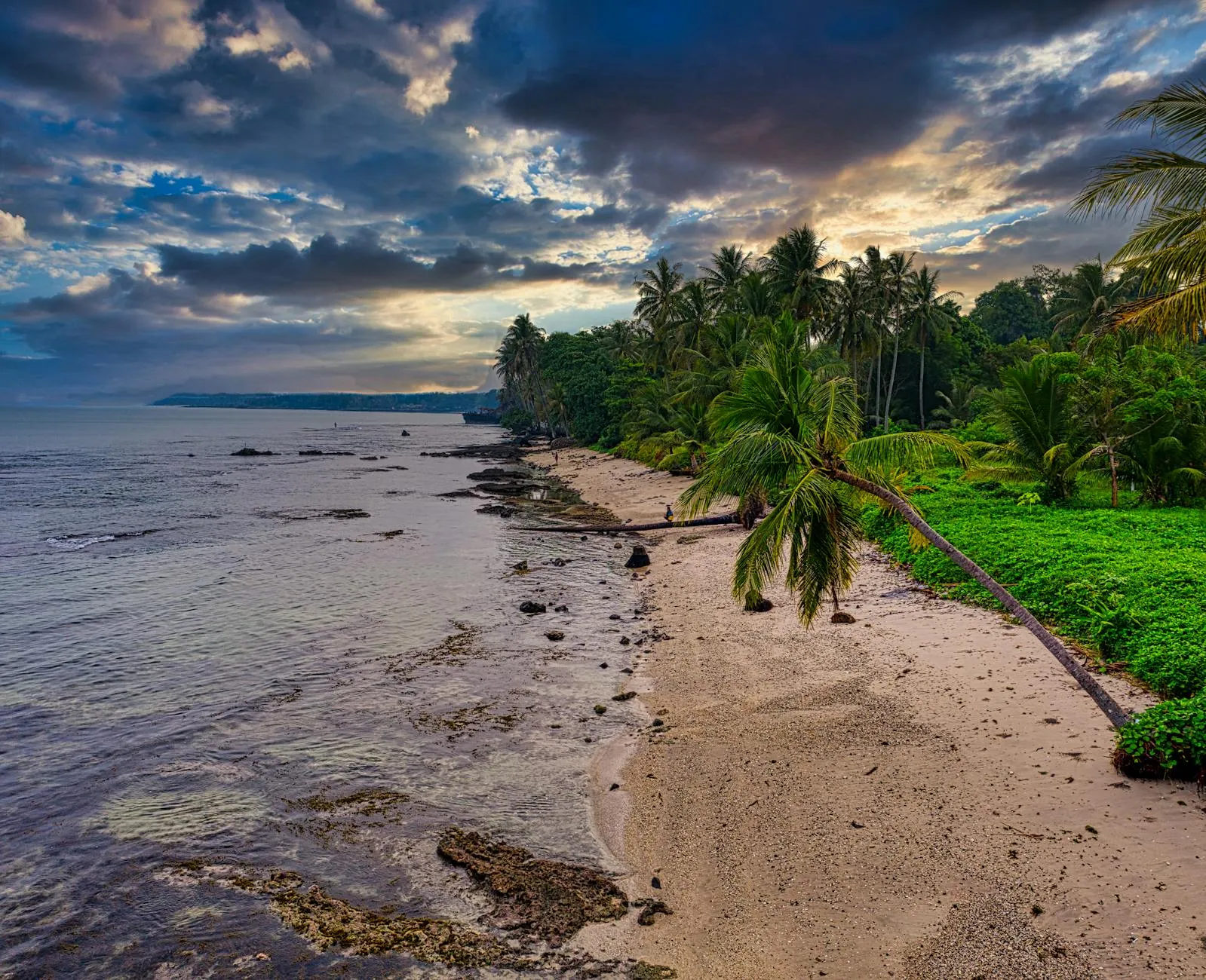
Discover the Beauty of Vanuatu - Your Ultimate Travel Guide
Vanuatu, an archipelago in the South Pacific, is a destination that captivates travelers with its rich cultural heritage and breathtaking natural beauty. Officially known as the Republic of Vanuatu, this unique region comprises thousands of islands and is renowned for its volcanic landscapes, lush agriculture, and vibrant communities. Among its numerous attributes, the local economy involves key sectors such as mining, agriculture, and copra production, reflecting a blend of traditional lifestyles and modern influences.
In Vanuatu, individuals can explore the diverse conditions of life that exist between urban and rural areas, experiencing both the charm of local villages and the bustle of city life. Travelers can witness the morning rituals at the local churches, where gatherings are filled with musical performances that highlight the islands' vibrant identity. The country also boasts impressive archives and a parliamentary system that embody its journey to independence and development.
As you navigate through the various islands, you may soon discover the differences between the communities in terms of customs and daily practices. The rich soil allows for the growth of yams and other crops, making agriculture a significant part of the local lifestyle. Additionally, with the threat of cyclones increasingly becoming a reality, the resilience of Vanuatu's people is a testament to their capacity for adapting to changing conditions, ensuring that traditional practices such as fishing and farming continue to thrive.
Whether you're planning to try sushi made with local ingredients or indulge in dishes inspired by the agricultural heritage, Vanuatu offers a culinary experience like no other. The Vanuatu Tourism Office plans to support sustainable practices in the region, ensuring that future visitors can enjoy the beauty that thousands have already come to love. With its rich diversity and welcoming spirit, Vanuatu invites you to explore, learn, and appreciate everything it has to offer.
Understanding Vanuatu's Climate Conditions

Vanuatu is renowned for its diverse climate that plays a vital role in shaping the lifestyle and economy of its islands. The foundation of Vanuatu's climate is characterized by a tropical maritime environment, primarily moderated by its proximity to the sea. With an average temperature that can be considered medium to warm, the islands often experience varying weather patterns influenced by ocean currents. Seasonal variations include a wet season, where rainfall is abundant, and a dry season that usually features clearer skies.
Unfortunately, the islands' location within the Pacific Ring of Fire means that cyclones are a common threat. These extreme weather events can significantly impact Vanuatu's infrastructure and economic revenue. Historically, environments known for their volcanic activity, like Vanuatu, have been both a boon and a bane. They provide rich soil ideal for agriculture and habitation, yet they also pose risks that local tribes must continuously prepare for. The response from the civil authorities often involves increasing infrastructure resilience against these natural disasters.
| Season | Average Temperature (°C) | Rainfall (mm) |
|---|---|---|
| Wet Season | 28 | 2000+ |
| Dry Season | 26 | 1000 |
Understanding Vanuatu's climate conditions is essential for both its residents and visitors alike. The mellow allure of its tropical settings draws international tourists, yet such a great natural beauty is intertwined with the challenges it presents. With smooth transitions between the seasons, travelers often find opportunities to enjoy lush landscapes and engage with local cultures, enhancing their connection to the region's soul. For those planning a trip, being aware of the seasons and the region’s unknown nuances will undoubtedly provide a richer experience that connects them to the heart of Vanuatu.
What Are the Seasons in Vanuatu?
Vanuatu experiences a tropical climate characterized by two distinct seasons: the wet and dry seasons. The wet season typically runs from November to April, during which frequent rain showers and thunderstorms occur, influencing the lush greenery that many associate with the islands. The temperatures are generally warm, but humidity levels soar, creating a vibrant atmosphere that supports the thriving coconut, pineapple, and kava production the country is known for. Despite the heavy rainfall, this season is essential for agriculture, particularly for the cultivation of crops like copra, which contributes significantly to the nation's economy.
The dry season, lasting from May to October, is marked by less rainfall and cooler temperatures, making it an ideal time for visitors to explore Vanuatu's natural beauty and cultural heritage. During this season, many locals, including those from Erromango and other islands, celebrate various festivals that showcase their Austronesian ties and cultural heritage. This season has historically supported the stability and prosperity of the islands as residents engage in activities that strengthen community bonds, while evidence of volcanic activity adds to the islands' striking landscapes. However, the inherent risks of natural phenomena such as tsunamis remain a concern, and adequate preparations are a necessity for both locals and travelers alike.
How Does Geography Influence Vanuatu's Weather?
See also: Discover the Enchanting Beauty of the Cook Islands.
See also: Discover the Beauty and Culture of Vanuatu.
See also: Discover the Beauty of the Dominican Republic.
Vanuatu is a nation composed of over 80 islands located in the South Pacific Ocean, which fundamentally impacts its weather patterns. Its geographical positioning within the tropical belt contributes to a warm climate year-round, but the weather is highly influenced by both the surrounding ocean and the islands' varied topography. Due to the elevation differences across the islands, the climate can differ significantly even in close proximity. The rich volcanic soil here supports a series of plantations, producing goods like kava and copra, a crucial part of the islanders’ economy.
The geography also exposes Vanuatu to severe weather events, such as tropical cyclones, especially during the wet season from November to April. Since the islands are located along the Pacific Ring of Fire, they are susceptible to earthquakes and volcanic eruptions, which may cause violent disturbances in weather patterns. For instance, an earthquake could affect the local environment, leading to changes in rainfall distribution or even landslides, impacting both communities and agricultural productivity.
- Vanuatu's major islands such as Efate, where the capital Port Vila is situated, serve as hubs for cargo and tourism, enhancing its economic profiles.
- The islands distinctive formations create microclimates influencing local weather conditions, allowing for various plant species and agricultural practices.
- Calm weather days are critical for fishermen, whose livelihoods depend on favorable conditions for landing substantial catches.
Understanding the influence of geography on Vanuatu's weather is essential for improving disaster preparedness. Postcolonial developments have seen an increase in social awareness regarding environmental issues, especially in regards to climate change, which threatens the very stability of the nation. Given the country’s history of debt and the challenge of maintaining infrastructure, proper representation and strategic planning will be vital for those living in this beautiful yet vulnerable nation.
Ready to set up your Cyprus company?
Our specialists guide you through the entire process — registration, tax setup, and bank account opening.
Request a consultation →