
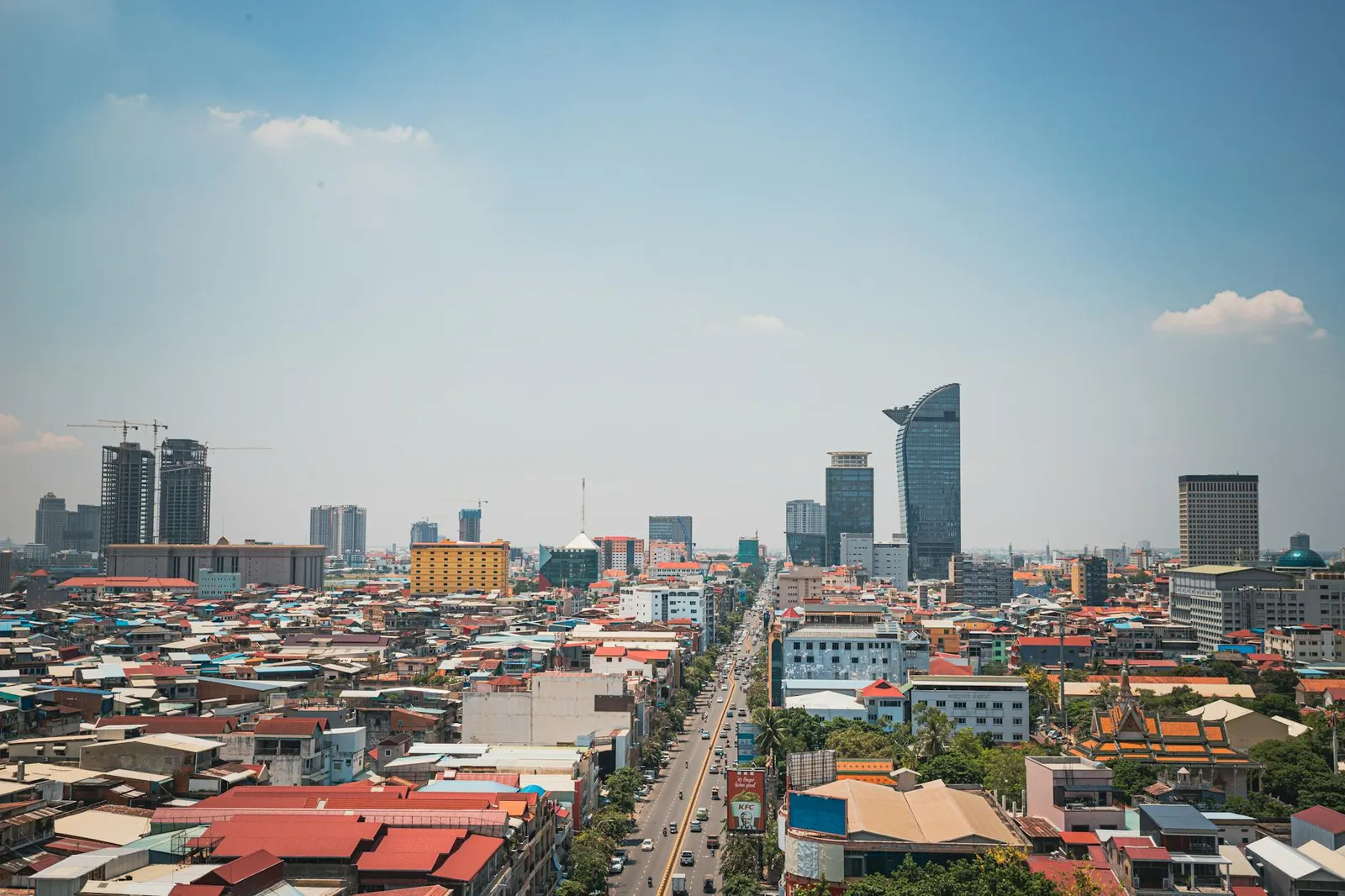
Discover the Wonders of Cambodia - A Complete Travel Guide
Cambodia, a country rich in history and lively culture, has become a prominent destination for tourists seeking to explore the wonders of Southeast Asia. With the recent surge in tourism, the nation's infrastructure has seen significant improvements, making it easier for travelers to navigate its breathtaking landscapes and historical sites. The population of Cambodia is diverse, encompassing various ethnic groups, each contributing to the rich mix of Cambodian society.
See also: Discover the Wonders of the United Kingdom.
As you explore into the heart of Cambodia, you'll encounter the majestic temples of Angkor, which are not only a testament to the architectural brilliance of the Khmer Empire but also a representation of the national identity. The beauty of this land is juxtaposed with the influence of its complex history, marked by periods of political upheaval and the legacy of the UNTAC mission. This context enriches your travel experience, allowing you to appreciate the resilience of the Cambodian people.
In the culinary area, Cambodian cuisine offers a delightful exploration of flavors, with dishes that often incorporate fresh ingredients from the region's abundant land and waterways. From the bustling markets of Phnom Penh to the serene banks of the Tonle Sap Lake, you can indulge in local delicacies that tell the story of a nation that has embraced both tradition and innovation.
The investment in tourism has brought about a transformative effect on the economy, drawing attention from various international organizations and encouraging partnerships aimed at sustainable growth. However, it is essential for travelers to approach their visits with respect and awareness of the local customs and traditions. This travel guide aims to provide you with the insights needed to make the most of your journey through this enchanting country, ensuring that you experience the true essence of Cambodia without compromise.
Planning Your Trip to Cambodia
See also: Discover the Marshall Islands.
When planning your trip to Cambodia, one must consider the best time to visit, with the dry season from November to April being the most favorable for tourists. This is ideal for exploring the ancient cities and enjoying the local cuisine. Essential documents include a visa, which is easily obtainable at the airport or online in advance. You should also familiarize yourself with local maps, especially for navigating the bustling streets of Phnom Penh and Siem Reap, where the majestic Angkor Wat resides. Additionally, keep in mind the local currency and exchange rates, as this will aid in budgeting your journey.
During your travels, consider experiencing traditional performances of chapei and the rhythmic sounds of khmer drums. Traveling throughout the country, from the northern forests to the southwestern coast, allows tourists to witness the breathtaking landscapes and rich cultural heritage. It's also wise to take safety precautions against occasional problems that may arise, such as negotiating prices or dealing with unexpected weather changes during the rainy season in August and December. These aspects enhance your overall experience in this beautiful country, known for its lively history and hospitable people.
How to Choose the Right Time to Visit

Choosing the right time to visit Cambodia is crucial for experiencing its rich culture and stunning landscapes. The climate plays a significant role in determining your travel experience. Generally, the best time to visit Cambodia is during the dry season, which lasts from November to April. This period allows travelers to explore the country without the hindrance of heavy rainfall.
Between November and February, temperatures remain relatively cool, making it an ideal time for exploring historical sites like Angkor Wat. During this time, tourists can enjoy the lively atmosphere of Cambodian festivals without the discomfort of extreme heat. Moreover, December is a particularly exciting month due to various cultural celebrations.
| Month | Temperature (°C) | Rainfall (mm) | Tourist Traffic |
|---|---|---|---|
| November | 25 - 30 | 50 | High |
| December | 24 - 29 | 30 | Very High |
| January | 23 - 28 | 20 | High |
| February | 24 - 31 | 10 | Moderate |
From March to April, temperatures begin to rise, reaching their peak in May. During this period, tourists from neighboring countries like Thailand and Malaysia may flock to Cambodia to enjoy the local festivities and the beautiful natural scenery. However, it can be uncomfortable due to the high humidity and daytime heat.
Monsoon season runs from May to October, bringing heavy rains and making some areas less accessible. This is a less popular time for international travelers; nevertheless, the lush green environment created by the rain can be very appealing. Travelers who appreciate serenity and lower prices may consider visiting Cambodia in the shoulder months of May and October.
Moreover, planning your trip around significant local events, such as the Khmer New Year in April or the Water Festival in November, can provide a unique and enriching experience. These celebrations showcase Cambodia's traditions and community spirit, making your visit truly memorable.
In summary, your travel preferences, weather tolerance, and interest in cultural events will determine the best time for you to visit Cambodia. Should your journey coincide with the lively festivities, you can fully immerse yourself in the country's rich culture and stunning landscapes, creating unforgettable memories.
Essential Travel Documents and Visas
Traveling to Cambodia requires proper documentation to ensure a smooth entry into this ancient empire. Tourists must possess a valid passport with at least six months of validity remaining from the date of entry. Moreover, a visa is a necessity for most international visitors, and it can be obtained either at the airport upon arrival or online prior to your trip. Many travelers find the e-visa application process convenient, allowing them to avoid long queues and dive straight into the cultural richness of Cambodia as soon as they land in Phnom Penh.
The country's visa system comprises several options, including tourist and business visas. A tourist visa allows stays of up to 30 days, ideal for those looking to explore the beautiful temples and lush landscapes. Conversely, business visas can be extended for longer periods, but they necessitate additional documentation. For individuals planning to engage in work or extended stays, it is paramount to have the correct visa type to ensure compliance with the local laws. Getting the right visa reflects the increased emphasis on responsible tourism and the need to uphold the rights of visitors.
In addition to visas, ensuring that one’s travel insurance covers medical emergencies can be crucial while roaming around the country. Many developed tourists tend to overlook this necessity, yet having insurance not only addresses potential health issues but also provides peace of mind while enjoying local cuisine, such as delicious curry dishes and coffee available in numerous cafés. The internet offers a plethora of options to research and compare different insurance policies tailored for travelling to Southeast Asia.
It's important to be aware of local customs and practices when traveling in Cambodia, especially in regards to respecting the cultural heritage associated with the Kingdom. Engaging respectfully with local traditions, including dance and music performances, not only enriches the travel experience but also illustrates a commitment to sustainable tourism. As you plan your journey, remember the significance of your travel documents; they lay the groundwork for an unforgettable experience in this captivating country, which shares its borders with neighbors like Thailand and Vietnam.
Health Precautions and Vaccinations
Traveling to Cambodia, it is essential to prioritize health precautions and vaccinations to ensure a safe journey. The main vaccinations recommended for travelers include Hepatitis A, Typhoid, and Tetanus. Depending on your itinerary, vaccines for Japanese Encephalitis and Rabies may also be relevant, especially if you plan to spend time in rural areas. It is advisable to consult with a healthcare professional to assess your specific needs and risks.
One of the primary health concerns in Cambodia is the presence of mosquitoes, which can transmit diseases such as Dengue Fever and Malaria. It is wise to use insect repellent containing DEET, wear long sleeves, and sleep under mosquito nets when necessary. Local medical facilities may not meet the standards you are accustomed to, so it is important to have appropriate travel insurance that covers health issues abroad.
In the capital city, Phnom Penh, and other key regions, basic medical services are available. However, the quality of healthcare can vary significantly, particularly in less developed areas. For serious conditions, most travelers opt to return to the capital or venture to neighboring countries like Thailand for better medical care.
Travelers should also be aware of food and water safety. It is best to consume bottled water and ensure that food is properly cooked to avoid foodborne illnesses. Traditional Cambodian curries and street food can be delightful but exercise caution and choose reputable vendors.
Preparation for your trip should include consideration for common health practices in Cambodia. For example, certain medications may be restricted or require a prescription. Always carry necessary medications and essential first aid supplies. Understanding the local language can be helpful in communicating health needs, so learning a few key phrases in Khmer might be a plus.
Vaccination certificates may be requested at borders, especially for Yellow Fever if you are arriving from an endemic area. Make sure to keep these documents secured and accessible during your travel. This way, you can avoid complications when entering the country.
As you explore the beauty and culture of Cambodia, remember that health and well-being are crucial during your adventures. Be proactive about your healthcare, and stay informed on any travel advisories issued by your government or international health organizations.
See also: Discover the Beauty and Culture of Vanuatu.
Lastly, it is important to stay updated on current health information about Cambodia, such as potential outbreaks or health alerts. Checking reliable sources before and during your trip can provide peace of mind, allowing you to fully immerse yourself in the wonders of Cambodia without unnecessary worry.
Setting a Budget for Your Journey
When planning your trip to Cambodia, the first step is to determine your budget. The capital city, Phnom Penh, offers a range of accommodations, dining options, and activities that can suit various financial plans. Depending on your preferences, you can find luxury hotels or cozy guesthouses at lower prices. On average, a daily budget for a traveler can range from $30 to $100, including accommodations, meals, and activities.
Transportation is another crucial aspect of your budget. Tuk-tuks and buses are popular for getting around cities like Siem Reap and Sihanoukville, where prices are quite reasonable. It's advisable to negotiate tuk-tuk fares in advance to avoid surprises, especially when traveling to popular tourist sites. Consider setting aside around $10-20 daily for transportation to avoid overspending.
- Accommodations: $10 - $100+ per night
- Meals: $3 - $20 per day
- Transportation: $10 - $20 per day
- Activities: $5 - $50+ per attraction
Cambodia is rich in cultural heritage, from its music to its historic landmarks. Visiting the Angkor Wat complex can be a highlight of your trip but remember that entrance fees can vary. A one-day access pass costs around $37, while a three-day pass is offered at a discounted rate. Make sure to plan accordingly to include such expenses in your overall budget, and be prepared to capture these moments through photography.
Additionally, it's essential to factor in the costs of travel insurance for your peace of mind. Although Cambodia is relatively safe, as with any international journey, unexpected events can occur. Having insurance will protect you against potential medical expenses, travel delays, and lost belongings. Budget about 5% of your total trip costs for insurance coverage.
Lastly, keep in mind that prices can fluctuate based on the season. The dry season, from November to April, typically attracts more tourists, leading to higher costs. In contrast, traveling during the rainy season can be less expensive, though some attractions may be less accessible. Adjusting your budget according to the time of year can greatly enhance your experience while still being economically smart.
Ready to set up your Cyprus company?
Our specialists guide you through the entire process — registration, tax setup, and bank account opening.
Request a consultation →