

Discovering Monaco - The Jewel of the French Riviera - Travel Guide & Tips
Monaco, a tiny yet magnificent principality nestled along the French Riviera, has long been regarded as a symbol of luxury and grace. This unique city-state, with its rich monarchy, offers a variety of experiences that allure travelers from all corners of the globe. From the glimmering waters of the Mediterranean to the opulent casinos, discovering Monaco is an unforgettable journey that combines artistic heritage with modern excitement.
With an area of just over two square kilometers, Monaco may be small, but it is packed with interesting quartiers and remarkable landmarks that tell its story. The Palais Princier, the royal palace, stands as a testament to the principality's deep-rooted history and monarchy, while the St. Nicholas Cathedral adds a religious touch with its beautiful orthodox architecture. Walking through the streets, one can monitor the smooth interplay of numerous cultures, which contribute to the vibrant cuisine and lifestyle of the locals. For those considering a visit, taking the month of December is a great idea, as the city transforms into a winter wonderland.
Today, the Monaco Grand Prix continues to be one of the world's most prestigious motor races, filling the streets with the sound of racing cars and attracting numerous tourists. Those who prefer a more relaxed atmosphere can enjoy the serene beauty of the Monaco Aquarium or take a dip in a floating pool off the coast, creating unique memories while being enveloped by breathtaking views of Italy. As you navigate around the city, you will find apartment blocks that reflect the modern architectural projects that have acquired over the years, harmoniously blending with the historical environments.
While many may associate Monaco with its luxurious lifestyle and high-end automobiles, exploring its hidden gems and rich history reveals a different side of this captivating city. Engaging with the locals can enhance your experience and provide insights into the true essence of Monaco, far beyond its glamorous facade. This travel guide aims to offer a comprehensive view of what makes Monaco a jewel of the French Riviera, highlighting essential tips for navigating this non-cooperative landscape and making the most out of your visit.
Top Attractions in Monaco
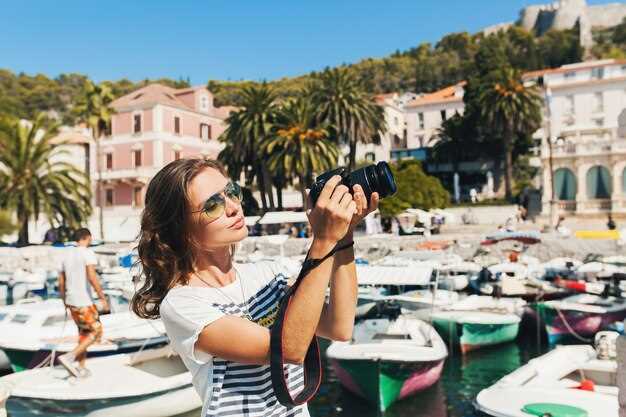
Monaco, known as one of the wealthiest places on Earth, boasts a range of attractions that highlight its rich geography and cultural heritage. The iconic Monte Carlo Casino, with its stunning architecture by Garnier, is a must-visit for those interested in luxury and gaming. Nearby, the Prince's Palace, home to the ruling Prince of Monaco, features beautiful gardens and offers a glimpse into the state’s history. Tourists can witness the famous changing of the guard ceremony, making it a popular event for visitors. The oceanographic museum, perched on a cliff, educates on marine life and boasts an impressive aquarium that showcases the rich waters of the Mediterranean.
For motor enthusiasts, the Formula 1 Monaco Grand Prix, an exhilarating annual event, transforms the streets into a race track, attracting spectators from around the globe. Every year in May, the race takes place under the warm sun, amidst the glamour of luxury cars and yachts. Additionally, the Fort Antoine Theatre, located in the charming district of Roquebrune, offers a variety of performances during the summer season, making it an exciting cultural spot. With an array of events, including art exhibitions and festivals, visitors can immerse themselves in the unique lifestyle that defines this independent city-state, celebrated for its vivid blend of heritage and modernity.
Exploring the Opulent Casino de Monte-Carlo
The Casino de Monte-Carlo is not just a gambling establishment; it is a symbol of the luxury and glamour associated with Monaco. This stunning structure, completed in the 19th century, showcases a blend of architectural styles, including Neo-Renaissance and Beaux-Arts. With its lavish interiors and exquisite gardens, the Casino is a prime attraction for visitors who wish to experience the opulence that Monaco has to offer.
Located in the Condamine area, the Casino is easily accessible from various points in the city-state. The nearby railway and taxi services make it convenient for both tourists and locals. The Casino is situated adjacent to other famous buildings, including the Opéra de Monte-Carlo and the Hôtel de Paris, creating a captivating atmosphere of elegance.
According to local media, the Casino de Monte-Carlo plays a vital role in Monaco's economy, particularly in financing public services. The unique taxation system in the city-state allows it to thrive without taxing individual residents, making it an attractive location for wealthy individuals, including several Russian oligarchs and various international elites.
Unlike other casinos around the world, Casino de Monte-Carlo has a strict dress code and generally caters to a more upscale clientele. Visitors can expect to see impressive gaming rooms filled with high stakes, and those who wish to indulge in more casual gaming can explore the Salle Europe and participate in various gaming options.
The Casino is also famous for its historical significance; it has been featured in several films, making it a cinematic icon. Notably, it was an essential location during World War II when the Nazi forces occupied Monaco. Today, this site stands proud, showcasing the resilience of the city-state through architectural beauty and cultural expression.
For those planning a visit in August, be prepared for larger crowds as it is a peak tourist season. It is advisable to make reservations for guided tours, which provide detailed insights into the building's history and architectural marvels. Guests should take the time to explore the splendid opera house that is a part of the Casino complex, with its rich decor and grand performances.
Visitors to Monte-Carlo can enjoy breathtaking views of the Mediterranean Sea from the Casino’s terraces and gardens. The picturesque surroundings, coupled with the opulence of the Casino, create a memorable experience for all who attend. The extraordinary ambiance also makes it a popular venue for social and corporate events, including the famous Monte-Carlo Jazz Festival.
In conclusion, the Casino de Monte-Carlo is a must-visit for anyone traveling to this jewel of the French Riviera. Its rich history, architectural significance, and cultural relevance converge to make it an essential part of any exploration of Monaco. Whether you're trying your luck at the tables or simply admiring the scenery, there's something for everyone at this iconic casino.
Visiting the Prince's Palace: History and Tours
The Prince's Palace, an emblem of Monaco's rich heritage, stands proudly atop the Rock of Monaco. This historic residence dates back to the 13th century when it was established as a fortress by the Grimaldi family. Over the years, it has evolved from a military stronghold to a magnificent princely residence, showcasing the enduring legacy of its rulers. Inside, visitors can explore the quarters where the Heirs of the throne grew up and delve into the fascinating history of decisions made within these walls that shaped the nation.
Guided tours of the Prince's Palace offer an insider's perspective on its grandeur and function. The tour typically includes visits to the State Apartments, where you can see the opulent decor and learn about the legal and diplomatic duties of the Prince. Each room is steeped in history, adorned with paintings and furnishings that tell stories of past regimes and events, enhancing the understanding of the principality's governance.
The palace is not just an architectural masterpiece; it is surrounded by a stunning garden that provides a peaceful retreat from the bustling surroundings of Monaco. Visitors can stroll through the well-manicured area, which features native flora that flourishes in the region's warm climate. The gardens also host various music events throughout the year, attracting locals and tourists alike who seek to enjoy the beauty of the area while relaxing in the calming atmosphere.
As a hub for diplomacy, the Prince's Palace plays a crucial role in fostering bilateral relationships with neighboring countries, such as Italy and Germany. The establishment has dedicated consular offices that manage a wide range of international issues. Monaco's strategic location along the French Riviera has, over time, diversified its business and tourist networks, making the palace a focal point for cultural exchange and legal action regarding Monaco’s status on the international stage.
When planning your visit, ensure you check the opening hours and specific dates for guided tours. The palace can be easily accessed by public transport, including bus lines connecting major points in the city to the rock. Whether you are a history enthusiast, an architecture lover, or simply a traveler looking to soak in the beauty of the Côte d'Azur, visiting the Prince's Palace will undoubtedly leave a lasting impression.
Strolling Through the Exotic Garden of Monaco
The Exotic Garden of Monaco, a true gem amidst the vibrant quarters of the city, offers visitors an opportunity to escape into a world of lush greenery and diverse flora. Established in the early 20th century, this botanical sanctuary hosts a spectacular array of plant species from arid regions of the world, showcasing nature's resilience. As you wander through this garden, the humidity often contrasts with the dry conditions of the Cote d'Azur, revealing a unique microclimate where exotic plants thrive.
While strolling through, you may find yourself enchanted by the various cacti and succulents, which have been carefully curated from different parts of the globe. As you explore, take a moment to reflect on Monaco's rulers who have supported this project. Their commitment to enhancing tourism and providing a serene environment for both residents and visitors has solidified the garden's importance in the Principality's cultural landscape, making it a significant destination for those seeking tranquility.
Before visiting, consider the best time to explore this natural haven. The garden is typically open year-round, yet during the summer months, the vibrant colors flourish, while the autumn period brings a different charm, enchanting those who live nearby. Despite the majority of tourists flocking to luxury resorts and beaches, the Exotic Garden offers an insider glimpse into Monaco's commitment to conservation and appreciation for the natural world.
Visitors can engage in an array of activities while at the garden, including enjoying breathtaking views of the Mediterranean Sea, which borders the Principality. The multiple levels and terraced areas provide exciting vantage points to appreciate the stunning maritime landscape. Facilities such as onsite laboratories showcase conservation efforts and educational programs that help to inform guests about the unique habitats represented in this green sanctuary.
| Feature | Description |
|---|---|
| Location | Above the Fontvieille district, near the Condamine quarters |
| Area | Approximately 1 hectare of land dedicated to exotic plants |
| Notable Plant Species | Cacti, succulents, and rare Mediterranean plants |
| Best Season to Visit | Spring and summer for lush scenery |
| Educational Programs | Initiatives aimed at increasing awareness of plant preservation |
Must-See Art at the Oceanographic Museum
The Oceanographic Museum of Monaco is not just renowned for its extensive marine collections, but also for its significant art pieces that reflect the deep connection between humanity and the ocean. One of the must-see pieces is the striking mural by Henri Rousseau, which vividly captures the exotic allure of maritime life. This artwork serves as a reminder of the world's incredible biodiversity and the importance of preserving it, making it both a visual delight and a call to action for conservation.
In its many galleries, the museum includes superb sculptures and installations that embody the artistic interpretation of marine themes. Significant pieces often feature representations of protestant traditions, showcasing how different cultures view the sea. This exchange of ideas through art is essential for understanding the varying perspectives on marine ecosystems across different territories.
The museum’s annual exhibitions often highlight local artists, bringing the community together and enriching the cultural atmosphere of Monaco. One of the primary exhibitions focuses on the work of contemporary artists like Bouhnik, who explore the relationship between technology and marine life. His installations invite visitors to ponder the impact of technical advancements on natural habitats.
While exploring the Oceanographic Museum, visitors should not miss the aquarium area, which serves as a living canvas for understanding marine ecosystems through artistic displays. This immersive experience educates the public about the importance of marine life and the ecological balance necessary for our planet’s survival. It's an essential component of the museum's mission, which aims to promote awareness amid rising environmental concerns.
Located in Carlo, the museum itself is a remarkable architectural site, resembling a ship anchored to the cliffs overlooking the Mediterranean Sea. This breathtaking location allows for a stunning backdrop to the artwork displayed within. The architecture reflects the rich history and wealth of the nation, influencing tourism and real estate policies that benefit both residents and visitors.
Another noteworthy feature is the museum's beautiful jardin, where sculptures blend with nature, offering tranquility and inspiration. Visitors can stroll through the gardens while admiring the artistic installations, enhancing both their cultural and natural experience. This peaceful area is particularly cherished during the late afternoon when the sunlight casts a warm glow on the artworks.
Moreover, the Oceanographic Museum actively participates in educational programs, targeting students from various towns in the region. These programs are essential for nurturing a new generation of conservationists and artists, encouraging them to express their thoughts through the language of art. Educational policies focus on creating awareness about the significance of marine conservation, ensuring that the next generation remains informed and engaged.
In summary, the Oceanographic Museum is a treasure trove of artistic marvels that not only showcases marine life but also intertwines with societal issues and environmental awareness. The intertwining of art and science at this site is remarkable, creating an atmosphere that enriches visitors’ understanding of the ocean while providing an artistic lens through which to view it. Ultimately, each visit contributes to the broader dialogue about humanity's role in preserving our precious marine resources.
Ready to set up your Cyprus company?
Our specialists guide you through the entire process — registration, tax setup, and bank account opening.
Request a consultation →