

Effective Strategies to Safeguard Your Intellectual Property
In today's competitive landscape, protecting your intellectual property (IP) is not just advisable but essential for any business or independent creator. When you create unique goods, logos, or artistic designs, registering your rights provides a critical foundation against potential damages caused by unauthorized use or theft. Understanding the various types of protections available, including trademarks, copyrights, and patents, is crucial for effectively safeguarding your innovations.
Using comprehensive strategies can help you secure your ideas and concepts in the marketplace. This article will identify effective methods such as registration with the appropriate office, utilizing non-disclosure agreements, and drafting specialised contracts. These legal tools ensure that sensitive information remains confidential, providing an exclusive right to your inventions or artistic works. By prioritizing IP protections, you can improve the long-term viability of your business and minimize the risks associated with disclosing your creations to third parties.
Additionally, a well-crafted IP strategy not only protects against infringement but also enhances your ability to sell and transfer rights when desired. In the case of potential disputes, being armed with the right documentation and registrations strengthens your position in court, allowing you to better defend your interests. Engaging professional support can provide invaluable insight into these processes, helping you navigate the complexities of IP law effectively.
Understanding Different Types of Intellectual Property
See also: Essential Strategies to Protect Intellectual Property.
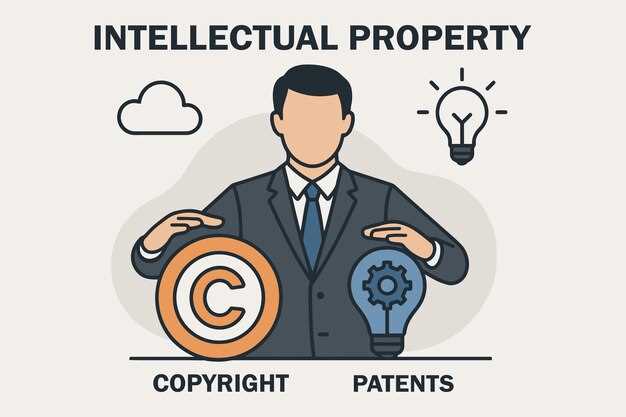
Intellectual property (IP) can be categorized into several main types, each serving to protect various aspects of creativity and innovation. The most common types include copyrights, trademarks, patents, and trade secrets. Copyrights protect original works of authorship, such as music, video, and literature, ensuring that creators have exclusive rights to reproduce and distribute their creations. Trademarks, on the other hand, guard symbols, names, and slogans that identify goods or services, providing a way for consumers to recognize their source. In terms of patents, they protect inventions and processes, granting exclusive rights to the inventor for a limited period.
Understanding these types is crucial for any business looking to safeguard its assets effectively. For instance, when a business considers filing for a patent, it is advisable to consult with a professional lawyer experienced in intellectual property law, as this can help navigate the complex processes involved. Having proper legal documentation prepares a business to establish its rights and avoid potential conflicts. The consequences of not protecting intellectual property can lead to stolen ideas and significant financial loss, illustrating the importance of having a strong IP strategy.
See also: Essential Strategies for Protecting Your Intellectual Property.
Furthermore, each country has its laws and regulations regarding intellectual property, which may vary significantly. While some may provide a clear pathway to obtaining rights, others could present more challenges. Knowing the specific requirements and understanding the legal basis for protection in different jurisdictions allows businesses to effectively manage their IP portfolio. In this case, consulting an independent lawyer can help identify potential risks and provide guidance on how to support your rights, helping to mitigate the risk of infringement and enhancing the overall value of your business.
What Constitutes Copyright and How to Register It?
Copyright is a legal mechanism that grants creators exclusive rights to their original works, protecting them from unauthorized reproduction and distribution. Works that qualify for copyright include literary, dramatic, musical, and certain other intellectual works, which must be fixed in a tangible medium of expression. This means that the work is captured in some format, such as written text, a recording, or visual configuration, making it identifiable as the creator's unique expression.
To register copyright, one must understand the priority of registration. Generally, registration is advisable before pursuing any legal action against unauthorized use. An article that details how exactly to register will guide you through the processes involved, including filling out the correct forms and submitting the work to the relevant copyright office. This ensures that your rights are documented and enforceable in case of theft.
- Identify Your Work: Determine whether your work is copyrightable, ensuring it’s an original creation.
- Gather Required Information: Collect all necessary metadata, including the title, author, and publication date.
- Complete the Application: Fill out the application form provided by the copyright office, making sure to be thorough and accurate.
- Submit Payment: Pay the required registration fee to process your application.
- Receive Confirmation: After review, you will get a confirmation of your registration, ensuring your work is protected.
In many countries, not registering copyrights does not negate the protections granted automatically upon creation; however, registration provides significant legal advantages. This includes the ability to seek statutory damages and attorney fees in an infringement case, unlike unregistered works, which may lead to more complex legal battles with lossy outcomes.
In a sensitive area like intellectual property, it’s advisable to consult with a specialized professional. They can help clarify which aspects of copyright apply to your work and improve the chances of regulating unauthorized use effectively. Consider hiring an expert who focuses on copyright law, as they can offer insights into the nuances of the registration process and suggest ways to strengthen your position.
If you find yourself in a position where another party is stealing your work, obtaining an injunction against them may be necessary. This legal remedy will help prevent further unauthorized use while your case is being adjudicated. Understanding the long-term implications of your options here will also guide your response in protecting your creative assets.
In conclusion, securing your copyright is not merely about protecting your creation; it is also about building a strong foundation for your creative business. By registering your work, you safeguard your rights effectively and establish a clear path for addressing unauthorized reproductions. Investing time and money in this process will pay off in the long run, as it solidifies your standing and viability in the competitive market for your creative offerings.
Patents: Identifying What Can Be Patented
In the global landscape of business, understanding what can be patented is crucial for any innovator. Patents provide exclusive rights to inventors, allowing them to prevent unauthorized parties from reproducing or using their innovations. To gain these protections, an inventor must identify specific ideas, processes, or products that meet certain criteria outlined by various laws in different states.
Many people believe that only tangible products can be patented; however, this is a common misconception. In reality, patents can also cover methods, processes, and even specific designs. The key is ensuring that the idea or product is novel, non-obvious, and has practical utility. For instance, if an independent inventor creates a new method for manufacturing a product, this innovation could be eligible for patent registration.
Before applying for a patent, it is advisable to conduct thorough research to guarantee that the idea is unique and hasn't been previously registered. Checking existing patents can save inventors time and resources. Moreover, a well-documented description of the invention is crucial for the application process, as it provides clarity on the unique aspects of the work.
When drafting a patent application, it is essential to include detailed descriptions of the invention's design and functionality. Third parties reviewing the application should be able to understand its distinct features clearly. Helping these parties recognize what makes the invention special can significantly enhance the likelihood of securing patent rights.
In cases where the patent is infringed upon, the inventor has the option to take legal action, such as seeking injunctions against the offending party. This ability to protect one’s work is a significant benefit of obtaining a patent, as it provides peace of mind and can enhance a company’s valuation in the marketplace.
Ultimately, patents play a vital role in promoting innovation and protecting intellectual property. They not only reward those who invest time and resources into creating new ideas but also encourage sharing of knowledge that spurs further advancements. Understanding the processes involved in patenting is an advantage that can lead to significant success for any business seeking to safeguard its innovations.
Understanding Trademarks and Their Importance
Trademarks serve as vital symbols that identify and distinguish a product or service provided by a business from those of others. They protect the brand identity and help consumers recognize the origin of goods, ensuring that they receive the quality they expect. When businesses invest in their brands, they create an asset that can significantly increase in value over time, making trademark registration a strategic avenue for safeguarding intellectual property.
The process of registration typically involves documenting and submitting an application to the relevant authorities in your jurisdiction. This registration provides a strong basis for legal protection, allowing businesses to take action against those who may infringe on their rights. By securing trademark protection, companies can improve their market position and offer unique products and services to clients, which enhances customer loyalty.
Understanding the distinction between trademarks and other forms of intellectual property, such as patents or copyrights, is essential. Trademarks protect symbols, names, and slogans that represent products or services, whereas patents cover inventions and processes. By being aware of these differences, businesses can navigate the complexities of intellectual property rights more effectively.
Registration not only indicates ownership but also serves as a public notice to others regarding the rights of the trademark holder. In this regard, having a registered trademark can deter potential infringers and provide a quicker resolution should any disputes arise. This protective measure ultimately helps in maintaining the integrity of the brand and its associated products.
A registered trademark also offers nationwide rights in the states where it is recognized, ensuring that businesses can utilize their brand without fear of misappropriation across different regions. This is particularly important for companies with national or global aspirations, where digital presence and configuration of offerings can extend beyond local boundaries.
In instances where businesses fail to register their trademarks, they risk losing the exclusive right to their brand identity. Furthermore, there are avenues for legal recourse only available to registered trademark holders, and the absence of registration can significantly limit your options in case of infringement. Therefore, registration is not merely a legal formality but a fundamental step in protecting your intellectual property.
In conclusion, trademarks are a crucial aspect of any business strategy aimed at safeguarding intellectual property. They provide critical protection for brands and the products and services they represent, enhancing the overall value and market presence. By understanding the significance of trademarks and taking steps to protect them, companies can ensure their long-term success and maintain their competitive edge in a sensitive digital landscape.
| Trademark Benefits | Description |
|---|---|
| Brand Recognition | Helps consumers identify your products easily. |
| Legal Protection | Provides legal avenues against infringement. |
| Asset Value | Increases the value of your business brand. |
| Exclusive Rights | Grants the exclusive right to use the trademark. |
Trade Secrets: Best Practices for Protection
Trade secrets can hold significant value for businesses, providing a competitive edge through confidential information. To ensure these secrets remain protected, it is essential to implement comprehensive safeguards. Establishing a robust configuration that limits access to sensitive data is crucial. By understanding the types of information that qualify as trade secrets, such as proprietary formulas, processes, or strategies, businesses can focus their efforts on safeguarding these assets. Legal contracts should be employed when engaging with third parties, clearly outlining confidentiality obligations to avoid any disputes previously experienced when information was misplaced or improperly shared.
Moreover, ongoing education regarding specific regulations and protections is necessary to keep employees and other stakeholders informed. Documenting trade secrets makes it easier to enforce rights and provides a legal foundation in case of misappropriation. It's advisable to regularly review and adjust these protections, as the digital landscape continues to evolve. In today's environment, incorporating digital security measures can prevent unauthorized access, contributing to the safeguarding process. Ultimately, taking these steps not only helps in avoiding potential loss of money but also protects valuable intellectual property from being stolen, allowing businesses to expand their goods and services without fear of competitive disadvantage.
Ready to set up your Cyprus company?
Our specialists guide you through the entire process — registration, tax setup, and bank account opening.
Request a consultation →