

Essential Offshore Platform Safety Training - Boost Your Skills for a Secure Working Environment
In the dynamic landscape of Canada's Newfoundland and offshore industries, the importance of safety training cannot be overstated. Employers are increasingly recognizing that investing in essential offshore platform safety training is not just a regulatory requirement, but also a critical component in ensuring a secure workplace for all personnel. The strict adherence to safety protocols ensures that frontline workers are adequately prepared to manage the various risks associated with offshore operations, which typically involve significant engineering and marine functions.
Safety training encompasses a wide range of topics to equip workers with the necessary skills to protect themselves and their colleagues. Conducted by certified instructors, these programs ensure that participants understand the potential hazards they may encounter on the job site. With continuous changes in regulations and workplace safety standards, it is essential for professionals to stay updated. This education not only boosts individual prospects but also enhances the overall performance of organizations in the industry.
For those seeking to excel in their careers, engaging in offshore safety training provides a solid foundation while ensuring compliance with international standards. The course content may include simulations, workshops, and assessments, designed to reduce the likelihood of damage and accidents. By understanding what is required in accordance with current safety regulations, employees can develop the skills necessary to navigate between onshore and offshore responsibilities effectively. Thus, ensuring that their roles contribute positively to the overarching goal of workplace security.
Understanding Offshore Platform Safety Training
Offshore platform safety training is essential for ensuring the well-being of the workforce involved in various operations across maritime environments. This training reflects the specific needs of companies operating in these challenging conditions and includes a range of modules designed to prepare workers for unique hazards they may face. Companies invest significantly in safety training to protect their most valuable asset–their people–while also meeting regulatory requirements.
The training programmes often incorporate state-of-the-art practices and provide participants with essential competences needed to respond effectively in case of emergencies. These programmes not only cover the basic safety protocols but also include advanced drills and exercises to enhance decision-making skills under pressure. In addition, workers should frequently engage in refresher courses to ensure their skills remain sharp and up-to-date, reflecting the latest improvements in safety standards.
Organizations, including OPITO-accredited providers, implement comprehensive training that addresses the specific risks associated with offshore work, from wind-related challenges to equipment handling. Each event in the training scope is designed to deliver valuable insights and practical tools for participants, allowing them to gain certificates that validate their skills and knowledge in safety practices. Management teams must ensure that all training aligns with local regulations and reflects the company’s commitment to maintaining a safe working environment.
In summary, offshore platform safety training is a critical investment for both companies and their workforce. By providing tailored training and continuously improving the programmes offered, organizations not only enhance the capabilities of their employees but also protect their overall investment by reducing the potential for damage and ensuring compliance with regulatory standards.
What Is Offshore Safety Training?
Offshore safety training refers to a comprehensive series of courses designed to equip employees with the essential skills and knowledge required to work in hazardous offshore environments. Conducted in various locations such as Canada-Newfoundland, these state-of-the-art programmes focus on the prevention of accidents and the effective response to emergencies.
Training encompasses a wide range of topics, including the use of lifeboats, helicopters, and various safety drills. Employees participate in classes that simulate real-world challenges, ensuring that they can effectively manage situations such as equipment leakage or other emergencies. The use of advanced technical resources forms the basis of modern training methodologies.
Courses are often tailored to meet the specific needs of different roles within the offshore workforce, thereby enhancing employability and ensuring that all employees acquire the skills necessary for their positions. The emphasis is not only on meeting regulatory requirements but also on creating a culture of safety and preparedness among team members.
In the context of ongoing modernization and transformation in the offshore industry, continuous training plays a crucial role. Employees develop a solid action plan during their training, which allows for immediate and efficient response in emergency scenarios. Furthermore, certifications obtained through these programmes serve as formal recognition of an individual's expertise in offshore safety procedures.
Overall, offshore safety training is fundamental to maintaining a secure working environment, fostering a proactive attitude towards health and safety, and ensuring operational continuity in the face of any challenges that may arise.
Who Should Participate in This Training?
Essential Offshore Platform Safety Training is crucial for a wide range of personnel involved in offshore operations. Every individual, whether they are new workers or seasoned experts, stands to benefit from this training. This includes members of the company who are directly involved in rig operations as well as those supporting from the office or administrative roles.
Workers in the field should be prioritized, as their roles often involve direct interaction with various equipment and operations that can present safety complications. This training addresses the basic standards necessary for maintaining safety across different platforms, ensuring all participants are equipped with the proper knowledge and skills to handle emergencies effectively.
The decision to invest in this training should also extend to those involved in electrification and renewables. Understanding the intricacies involved in high-voltage systems can dramatically enhance preparedness and safety. Instructors who lead these courses are accredited experts in their fields, ensuring that the information provided adheres to the latest compliance and safety regulations.
Furthermore, organizations that seek to advance their commitment to safety must ensure that all personnel are trained and retrained on a regular basis. This includes initial courses for new hires, as well as ongoing education for existing employees. Having valid safety training is not just a matter of compliance; it is a necessary action that can prevent accidents and enhance the overall efficiency of operations.
Choosing to participate in Essential Offshore Platform Safety Training not only helps individuals develop personally but also strengthens the company’s long-term operational integrity. By fostering a culture of safety that includes rigorous and comprehensive training, organizations can maintain a secure working environment that benefits everyone on site.
Key Components of a Comprehensive Training Program
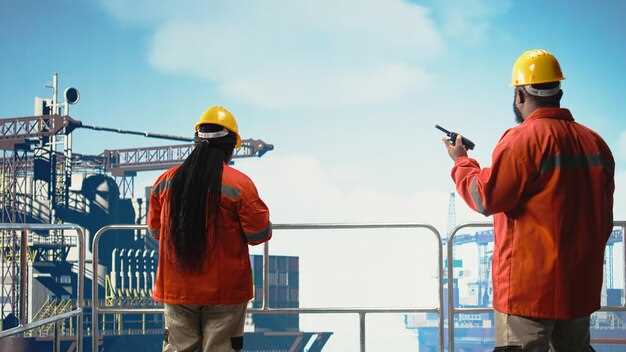
A comprehensive training program in offshore platform safety encompasses several key components to ensure that all personnel are well-equipped for the potential challenges they may face in a marine environment. One essential aspect is the integration of certifications that comply with both global and local standards. These certifications validate the skills acquired by the trainees, making them more employable in a competitive job market.
Moreover, a focus on best practices is vital. This includes regularly updating training materials based on the latest research and industry standards. By doing so, organizations can ensure that their training remains relevant and effective, addressing any new complications that may arise in the field.
Training programs should be designed to cater to various levels of experience, from entry-level personnel to seasoned operators. This tiered approach allows for a tailored learning experience that supports the professional growth of all members within the organization. In addition to theoretical knowledge, hands-on simulations are imperative, providing trainees with the opportunity to apply their skills in a controlled environment that mimics real-life scenarios, including emergency evacuations involving helicopters.
Effective training also relies on knowledgeable instructors who possess both theoretical and practical expertise. These professionals are responsible for sharing their extensive experience and are instrumental in guiding trainees through various challenging situations. Their support during the training process enhances the learning experience, ensuring that all aspects of safety are covered comprehensively.
Furthermore, modern training programs utilize state-of-the-art gear that reflects current technologies and practices in the industry. This modernization of equipment not only improves the learning process but also prepares trainees for the realities of working in demanding environments.
Lastly, a commitment to a rigorous training regimen is crucial. Organizations must take the initiative to continuously evolve their programs in accordance with changing requirements and technologies in the marine industry. This long-term dedication to training transformation not only boosts safety standards but also reinforces the importance of ongoing learning and adaptability among personnel.
Core Safety Procedures and Protocols
The importance of core safety procedures and protocols in offshore platforms cannot be overstated. These procedures are essential for ensuring a secure working environment and protecting workers from potential hazards. The following are key elements that organizations should focus on:
- Preparedness Programs: Organizations should implement training programs that include practical drills and up-to-date safety measures. This can significantly enhance the effectiveness of the operational workforce.
- Emergency Actions: Workers must be trained to take immediate actions in case of emergencies. Knowing how to properly respond to toxic spills or equipment failures can minimize damage.
- Regular Drills: Conducting regular safety drills helps workers experience real-life challenges in a controlled environment. This practice builds confidence and familiarity with safety protocols.
- Compliance with Regulations: Adhering to local and international compliance standards is vital. Organizations should ensure that all safety procedures are aligned with the latest regulations to mitigate risks.
- Investment in Training: Investing in specialized training for operators and safety personnel is crucial. Certificates for completion can serve as a testament to the workers’ readiness and commitment to safety.
In addition to these procedures, here are some practical tips for managing safety on offshore platforms:
- Focus on effective communication among all personnel to ensure that safety protocols are followed.
- Establish clear roles and responsibilities regarding safety management.
- Utilize modern technology to monitor environmental conditions and potential hazards, especially concerning wind and submerged conditions.
- Develop a robust incident response plan that includes specific actions tailored to different scenarios faced in the maritime and petroleum industries.
- Encourage a culture of safety where every worker feels responsible for not only their own safety but that of their colleagues.
By implementing these core safety procedures and protocols, organizations can create a safer, long-term working environment. Ensuring safety is not only beneficial for workers but also essential for the operational integrity of industrial facilities across various sectors.
Identifying Potential Hazards on an Offshore Platform

Identifying potential hazards on an offshore platform is a critical step in ensuring the safety and security of all personnel involved in maritime operations. Various factors contribute to the hazards present in this environment, and it is essential for every trainee to be thoroughly prepared to face these challenges.
Offshore platforms frequently undergo changes in their operational conditions, which can introduce new risks. The frontline workers, who are the beneficiaries of comprehensive safety training, should understand and manage these hazards effectively. Regular training ensures that personnel can recognize and react appropriately to potential issues.
| Hazard Type | Description | Mitigation Strategy |
|---|---|---|
| Fire hazards | Presence of flammable materials and combustion sources. | Regular fire drills and proper use of fire safety equipment. |
| Equipment failure | Malfunctioning tools and machinery may lead to accidents. | Routine maintenance checks and induction training for new gear. |
| Environmental hazards | Weather conditions, such as high winds and sea heights, create risks. | Develop response plans and scenario-based exercises to improve preparedness. |
| Chemical exposure | Handling of toxic substances without proper precautions. | Use of appropriate protective equipment and training in hazardous materials management. |
In order to maintain a secure working environment, it is vital that all equipment is available and functioning correctly. Training programs should not only cover theoretical knowledge but also provide hands-on experience tailored to specific job roles. This comprehensive approach supports continuous improvement in safety standards.
Ultimately, effective identification of potential hazards is a combination of awareness, preparedness, and action. By actively engaging in training exercises, maritime workers can effectively meet the challenges of their environment and ensure that production prospects remain strong while prioritizing safety.
Ready to set up your Cyprus company?
Our specialists guide you through the entire process — registration, tax setup, and bank account opening.
Request a consultation →