
Essential Payment Guidelines - Best Practices for Secure Transactions
In today's rapidly evolving financial landscape, understanding the key principles of secure transactions is vital for both businesses and customers. The numbers show that a significant percentage of customers prioritize secure payment methods, making it essential for partners, such as Ebury and Airwallex, to provide reliable solutions. Before engaging in any transactions, it’s imperative to conduct thorough analysis and ensure that all necessary information, including invoice details and payment methods, are in order.
Regulated financial institutions and fintech companies alike must adhere to best practices that guarantee the security of payments. This includes accepting various currencies and local payment methods such as Alipay or Visa, which can remove barriers for customers across different regions, including Canada and the American market. When companies settle payments, they need to reference all financial reports, ensuring that every invoice is processed in accordance with regulatory standards.
As businesses expand their reach globally, they will encounter multiple payment methods. It's crucial that they collect detailed information regarding fees, payment processing times, and any potential risks associated with different currencies. By doing so, businesses can provide a seamless payment experience for their customers, allowing them to pay using their preferred methods, whether that be via credit card or an online platform like Google Pay. This proactive approach not only enhances customer trust but also positions businesses at a competitive level in the market.
Choosing the Right Payment Method
See also: How to Open an Offshore Company with a Kazakhstan Payment....
When selecting a payment method for your business, it is essential to consider the diverse financial needs of your customers. Different payment options, such as Alipay, Visa, and American Express, allow for the processing of transactions in various currencies. This flexibility ensures that you can cater to a global clientele while minimizing transaction fees. Utilizing local payment methods, particularly in markets like Canada, can enhance customer satisfaction by providing familiar options that streamline the purchasing process.
Before finalizing your payment approach, analyze the demographics of your target audience. For instance, if your customers primarily rely on invoice payments, incorporating options like Airwallex or Ebury may be beneficial. This allows you to gather payments conveniently via email, while also ensuring that transactions are securely processed. Additionally, providing multiple methods for invoice payments can help you settle accounts more efficiently and improve cash flow.
See also: 7 Best Anonymous Payment Options for 2025.
Financial partners and financiers are crucial in this process. They can assist you in evaluating the costs associated with each payment method. Often, payment processors will provide detailed reports and analysis on the fees involved, which can influence your decision. Understanding the numbers associated with each method guarantees that your business remains profitable while also maintaining a competitive edge.
During the selection process, ensure that the payment methods are regulated and can handle the specific currencies you intend to use. If your business engages with international customers, your payment solution must support multiple currencies to avoid unnecessary conversion fees. Also, having a payment option that automatically settles transactions will enhance efficiency and provide peace of mind for both you and your customers.
Security is another paramount consideration. Choose a payment method that uses advanced encryption technologies to protect sensitive financial information. Partnering with reputable providers ensures that your business will not only comply with regulations but also build trust with clients. Customers are more likely to conduct transactions when they know their personal details are securely handled.
In conclusion, choosing the right payment method involves a thorough evaluation of available options, an understanding of your customers’ preferences, and security considerations. By weighing factors such as local currency capabilities, transaction fees, and payment processing timeframes, you can establish a robust payment infrastructure. As a result, you will be better positioned to meet the financial needs of your customers while enhancing your business’s efficiency.
Understanding Different Payment Options
See also: Top Offshore Banks for Expats.
When it comes to securing transactions, a thorough understanding of various payment methods is crucial. Customers in Canada, particularly those in cities like Windsor, are utilizing multiple options such as credit cards, bank transfers, and digital wallets. Key players like Visa and American Express provide trusted methods for paying invoices. However, it is vital to analyze the options available and select the most suitable one for your financial operations.
Financiers often advocate for the use of local payment solutions like Alipay and Airwallex for businesses looking to expand their reach. These services allow for seamless transactions across different currencies, making it easier for partners to settle payments without incurring excessive fees. When using these platforms, be sure to keep track of transaction numbers and invoices to ensure that all information is accurate and up-to-date.
- Credit Cards: Fast and widely accepted, ideal for immediate payments.
- Bank Transfers: Suitable for larger sums, but may take longer to process.
- Digital Wallets: Convenient options like Google Pay enable quick transactions without sharing sensitive data.
Before conducting transactions, it’s important to understand the fees associated with each method. Reports from financial centres also highlight potential hidden costs that can affect your bottom line. By paying attention to these details, businesses can optimize their payment strategies, ensuring both a secure and efficient payment process for all involved.
Evaluating Security Features of Payment Methods
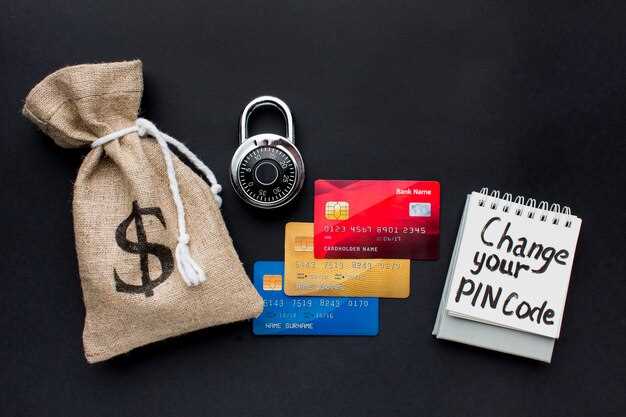
When selecting a payment method, it is essential to evaluate the security features it provides. Before engaging with any financial transaction, understanding how your chosen payment system protects customer information is crucial. Security features such as two-factor authentication, encryption protocols, and fraud detection mechanisms will determine the safety level of payments processed.
Payment methods like Visa, American Express, and Alipay come with different security measures. A comprehensive analysis of these features will help ensure that your customers can make payments confidently. For instance, platforms that offer detailed transaction reports and secure invoice generation set a higher standard for protection.
It is also vital to consider the local regulations that govern payment systems in different regions–such as Canada, where financial authorities regulate various currencies. Partnering with regulated financiers, like Ebury or Airwallex, can enhance the security of your payment processes while ensuring compliance with legal requirements.
Using an email confirmation system can act as another layer of security. After your customers make a payment, they should receive an invoice with unique transaction details. This process not only helps them keep track of their purchases but also allows for the verification of any discrepancies before settling the charges.
Payment methods should also allow for multiple currencies to accommodate international customers. A system that supports transactions in various local currencies can streamline payments, while a clear indication of the currency being used can protect both parties from potential fraud or misunderstandings.
Moreover, separating personal information from payment details is fundamental to safeguarding against identity theft. When customers make transactions, their sensitive data must be clearly identified and protected. Systems that employ high-level encryption protect this information effectively.
In summary, evaluating the security features of various payment methods is critical. By conducting thorough analysis and emphasizing robust security measures, businesses can foster trust and confidence among their customers. As technology evolves, continual assessment of these features will help organizations stay ahead of potential threats to secure transactions.
Considerations for International Transactions
When conducting international transactions, customers must be aware of the various currencies involved. Utilizing services like Airwallex or Ebury can help facilitate payments across borders by allowing businesses to settle amounts in local currencies. This approach minimizes conversion fees and enhances the overall experience for customers in regions such as Canada or using the American dollar. Moreover, when processing payments, it is crucial to separate domestic and international transactions in your financial records.
Before proceeding with any international payments, ensure that you're using regulated methods that comply with local laws. For instance, credit cards such as Visa and methods like Alipay have specific guidelines that must be followed to ensure secure transactions. It's vital to collect all necessary information from customers, including invoices and references, to avoid potential disputes later on. Clearly defined details can mitigate risks associated with cross-border transactions.
Reports and analyses of each transaction's performance can provide insights into the cost-effectiveness of different payment methods. Some partners may charge higher fees based on the complexity of cross-border payments. Understanding these costs will allow businesses to optimize their transactions by choosing the most efficient methods. Properly managing financial data with regard to international dealings will also establish a clearer understanding of revenue streams and required levels of financial oversight.
In conclusion, engaging in international payments requires a comprehensive approach to regulation, currency management, and financial analysis. By leveraging platforms that can process multiple currencies and keeping detailed records, businesses can navigate the complexities of global trade. Ensuring a smooth transaction process by utilizing reliable partners will ultimately benefit your organization and its customers alike.
Implementing Secure Payment Processes
To ensure secure payment transactions, it is vital to implement processes that collect and verify customer information before payments are settled. Utilizing regulated partners like PayPal, Visa, and Alipay, businesses can provide multiple payment methods tailored to their clientele. Each invoice generated should contain clear reference details, including the financial institution and any associated fees. By conducting thorough analyses of collected data, companies can also streamline their payment systems, minimizing issues and enhancing customer satisfaction when receiving invoices. Reports generated by partners such as Ebury and Airwallex can further aid in understanding trends across various currencies, enabling businesses to anticipate market dynamics effectively.
Moreover, all payment processes must be separated from the transactional heart of your operations to reduce potential security risks. By utilizing email communication for confirmation and notifications, companies can engage customers without exposing sensitive data directly. It is also essential to keep records for audits and compliance, especially in regions like Canada and the U.S., where financial regulations are stringent. American financiers, for instance, must adhere to strict guidelines when processing payments. The implementation of such best practices will not only create a more secure transaction environment but also build trust with customers, allowing for smoother operations in the long term.
Ready to set up your Cyprus company?
Our specialists guide you through the entire process — registration, tax setup, and bank account opening.
Request a consultation →