
Essential Security Tips for International Banking Account Holders - Protect Your Funds
In today’s globalized world, where financial transactions occur across borders and currencies, the importance of securing your international banking account cannot be overstated. As more customers opt to manage their wealth online, they need to be aware of the potential risks that come with accessing their funds from abroad. Criminals are constantly developing new methods to exploit vulnerabilities, and it is critical to stay informed and proactive in protecting your financial assets.
See also: Offshore Banking in Belize.
When travelling to a new destination or simply accessing your account through online platforms, it is essential to select the right tools for security. Multi-factor authentication adds an extra layer of protection, ensuring that even if your login credentials are compromised, unauthorized access is unlikely. It’s also important to download reputable antivirus software to safeguard against malicious attacks. Remember, some threats may come in the form of fake emails containing harmful links aimed at stealing your personal information.
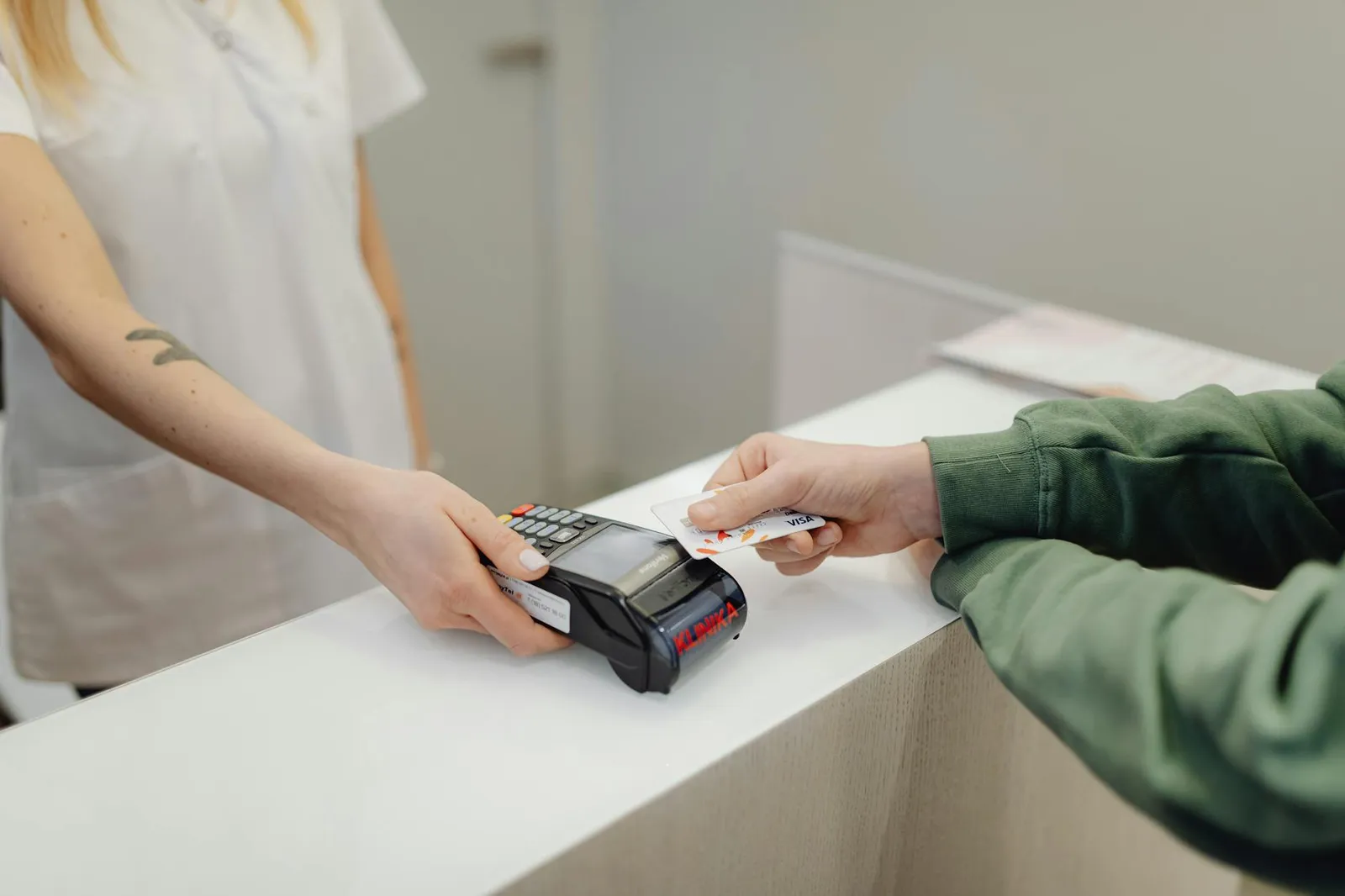
Additionally, be cautious with your physical cards while on a trip. Instead of carrying all your cards, consider using only what you need, thereby reducing the risk of loss or theft. If you lose your card while travelling abroad, immediately report it to your bank to prevent unauthorized transactions. Regularly monitor your accounts for any unusual activity, as staying vigilant is the best defense against potential threats. With these critical security practices, you'll be better equipped to manage your finances and stay safe while enjoying your travels.
Safe Online Banking Practices
In today's digital age, safe online banking practices are crucial for protecting your funds from theft and fraud. Here are some essential methods to shield yourself from potential risks:
- Regular Monitoring: Frequently check your account statements and transactions to identify any suspicious activities. If you notice anything unusual, report it to your bank immediately.
- Strong Passwords: Create robust passwords that include a mix of letters, numbers, and symbols. Avoid using easily guessed information, such as birthdays or names.
- Two-Factor Authentication: Enable two-factor authentication whenever available. This adds an extra layer of verification when accessing your account.
- Safe Devices: Always use secure and trusted devices for banking transactions. Ensure your cellular and computer devices have updated antivirus software to guard against hackers, trojans, and vulnerabilities.
- Beware of Phishing: Fraudsters often target users through phishing emails or messages. Never share your banking details directly via email or respond to suspicious requests.
- Secure Connection: Only access your banking account over a secure and private Wi-Fi connection. Avoid public Wi-Fi networks, which can often be insecure and easy targets for skimming and interception.
- Download Carefully: When downloading banking apps or updates, always acquire them directly from reputable sources such as the official website or trusted app stores. This helps prevent downloading malicious software.
- Recognize Fraudulent Activities: Be aware of potential scams and common methods used by fraudsters. Always stay informed about the latest security tips and alerts provided by your bank or financial institution.
- Use Local ATMs: When travelling, opt for ATMs located in bank branches instead of random or unfamiliar locations, which may be compromised.
See also: How to Open an Online International Bank Account for Global....
See also: Best Online Georgia Offshore Banking Account for Foreigners.
By implementing these helpful practices, you can significantly reduce the risk of experiencing financial losses due to online banking threats. Invest in your financial security and flag any unusual activities promptly, ensuring a more stress-free banking experience.
Creating Strong Passwords and Security Questions
Creating strong passwords and security questions is a critical step in protecting your international banking account from fraudsters and scammers. These elements serve as your first line of defense against unauthorized access to your finances. Instead of using easily guessable information, you must focus on complexity and randomness.
When creating a password, aim for at least 12 characters that include a mix of uppercase and lowercase letters, numbers, and special symbols. For instance, instead of "Password123", which is quite loose and predictable, you could create something like "C@m0k3t3!T1m3!2023". This enhances security significantly and makes it harder for anyone attempting to exploit your account through phishing or malware attacks.
It’s equally important to choose security questions that are not easily obtainable through social media or physical observation. Questions like "What is your first pet's name?" are common and can often be answered with a quick search online. Instead, consider creating unique questions or using statements that relate to personal experiences that only you would remember. For example, instead of the usual questions, ask something like "What was the color of your first car?" or "What city did you take your most memorable trip to?"
In taking these steps, remember to update your passwords periodically, especially after any significant activity, such as traveling or spending time in metro areas with public wifi. Fraudsters can exploit environments like airports or shops that have loose security measures. Enable two-factor authentication wherever possible, as this adds an additional layer of security to your accounts.
Finally, never share your passwords or security question answers via email or phone. Legitimate institutions will never ask for this information through unsecured means. If you ever suspect any suspicious activity, report it to your bank immediately. By making these efforts in advance, you’re not only protecting your money but also ensuring peace of mind during your everyday banking activities.
Enabling Two-Factor Authentication
When it comes to securing your international banking accounts, enabling two-factor authentication (2FA) is one of the best steps you can take. This feature provides an additional layer of security, significantly reducing the risk of unauthorized access to your accounts. Start by checking if your banking website offers this option.
To engage 2FA, follow these simple steps. First, log into your account and navigate to the security settings. Here, you will usually find an option to enable two-factor authentication. You may need to select a method for receiving authentication codes, which could include SMS messages or authenticator apps.
Regularly updating your 2FA settings is crucial. By ensuring that your contact details are up-to-date, you will receive timely notifications about any attempts to access your account. This is particularly important when traveling or engaging in adventures abroad, as you might encounter potential phishing attempts or scammers trying to claim your details.
It's essential to remain vigilant or careful when sharing any information. Scammers increasingly use complex tactics, such as impersonating legitimate banking institutions or creating fraudulent websites. Always verify that you are accessing the correct website before providing your login details or enabling any features.
Additionally, avoid sharing your authentication codes with anyone, as doing so can easily lead to unauthorized access. Whenever you receive unexpected messages or claims requiring action, check the legitimacy of the source first to avoid falling victim to a scam.
By following these guidelines and enabling two-factor authentication, you will help lock your account against unauthorized access, thereby protecting your funds from potential threats. Remember, maintaining your account’s security is an ongoing effort, so stay informed about current scams and regularly review your security settings.
Regularly Monitoring Account Activity
Regularly monitoring your banking account activity is essential for protecting your funds. By offering consistent oversight, you enable yourself to recognize any suspicious transactions immediately. After every trip, especially when travelling internationally, take the time to review your account statements. This practice is vital in ensuring that no unauthorized access has occurred.
When you access your account, always remember to use dedicated devices that you trust. Avoid connecting to public Wi-Fi, as this can expose your vulnerabilities to those who may be trying to intercept your data. Instead, choose secure connections and specifically avoid downloading any suspicious apps or software that could exploit your information.
Make it a habit to carefully review transactions frequently. If you see something you do not recognize, do not hesitate to call your bank. They will provide assistance and help you secure your account from theft. Regular checks also enable you to identify any instances of skimming or unauthorized use of your visa and debit cards. By keeping your password up-to-date, you further safeguard your bank account.
When you do find a suspicious charge or activity, it is important to act swiftly. Contact your bank to report the issue and inquire about the necessary steps for recovery or insurance. Being wise and vigilant about your account activity can give you peace of mind while banking internationally.
In conclusion, remember that regular monitoring will help you protect your valuable funds. Be careful and aware of your account status wherever you are. The importance of staying informed and actively managing your international banking cannot be overstated, as these actions will ensure your financial security against potential threats.
Recognizing and Avoiding Phishing Scams
Recognizing phishing scams is critical for anyone using international banking accounts. These scams often come in the form of emails or messages that look legitimate but are designed to steal your personal information. Always be careful when you open links or attachments, as they may direct you to fake websites designed to compromise your accounts.
When you receive an email claiming to be from your bank or financial service, take a moment to verify the sender's address. Scammers often use addresses that closely resemble legitimate accounts, but with slight differences. If you have any questions, it’s essential to independently reach out to your bank using official contact information rather than responding directly to the email.
Beware of messages that create a sense of urgency, asking you to take immediate action regarding your accounts. Scammers often use this tactic to make you act without thinking. If you ever feel uncertain, it’s best to pause and investigate before providing any information or clicking on any links.
Public Wi-Fi networks are particularly vulnerable to phishing attacks. Whenever you access your banking information through public Wi-Fi, consider using a VPN for extra protection. Devices like smartphones and tablets can also be susceptible to phishing, so ensure you keep your software updated and avoid connecting to untrusted networks.
If you suspect you’ve been targeted by a scam, it's crucial to report it to your bank immediately. They can provide guidance and take necessary steps to protect your accounts. Additionally, implementing security features like two-factor authentication can help in safeguarding your accounts from potential threats.
In Australia and many other countries, phishing scams continue to evolve, making it important to stay informed about the latest tactics used by scammers. Regularly look for news updates on security practices and understand the critical steps to recognize potential scams. By staying vigilant and educating yourself, you can invest in your safety and maintain peace of mind with your banking activities.
Identifying Suspicious Emails and Messages
In today's digital age, being aware of potential threats is crucial for safeguarding your financial accounts. Fraudsters frequently use the method of sending suspicious emails and messages to intercept sensitive information, particularly for international banking account holders. It's important to remember that these scams can often appear legitimate, creating a false sense of security. Therefore, you must be proactive in identifying potential red flags in your communications.
When travelling and staying in hotels, you may receive messages claiming to be from banks or other financial service providers. These communications could request verification of recent transactions or ask you to update your account details. Always keep in mind that legitimate banks will not ask for sensitive information via email. If you receive such requests, take the effort to verify the source of the message.
| Red Flag | Description |
|---|---|
| Generic Greetings | Messages that start with "Dear Customer" instead of your name are likely suspicious. |
| Urgency | Scammers often create a sense of urgency, claiming you need to act to secure your accounts immediately. |
| Unusual Email Addresses | Check that the sender's address matches the bank's official domain. Often, fraudsters will use slight variations. |
| Spelling and Grammar Errors | Professional organizations, like banks, usually maintain a robust communication standard. Poorly written messages may indicate a scam. |
| Links and Attachments | Be cautious of unexpected links or attachments. Hover over links to check their destination before clicking. |
To ensure the security of your online banking accounts, regularly update your knowledge about common scams and keep up-to-date on the latest security tips. Set reminders to check your accounts for unauthorized transactions and report any suspicious activity to your bank immediately. This proactive approach can significantly reduce your risk of being compromised.
By following these guidelines, you enable yourself to effortlessly detect potential scams, protecting your valuable assets and ultimately ensuring a safer banking experience while travelling or at home.
Frequently Asked Questions
What is the best way to prevent unauthorized access if my login credentials are stolen?
Enable multi-factor or two-factor authentication to add an extra layer of verification. This ensures that even if credentials are compromised, unauthorized access remains unlikely.
How should I create a secure password for my international banking account?
Create a password with at least 12 characters that mixes uppercase and lowercase letters, numbers, and special symbols. Avoid using easily guessed information like birthdays or names.
What should I do if I lose my physical bank card while traveling abroad?
Immediately report the loss to your bank to prevent unauthorized transactions. It is also recommended to carry only the cards you need to reduce theft risk.
Is it safe to access my banking account on public Wi-Fi networks?
No, you should avoid public Wi-Fi networks as they are insecure and easy targets for interception. Only access your account over a secure and private Wi-Fi connection.
How can I identify and avoid phishing scams targeting my bank account?
Never share banking details via email or respond to suspicious requests, as fraudsters often use fake emails with harmful links. Always verify requests directly with your bank.
Ready to set up your Cyprus company?
Our specialists guide you through the entire process — registration, tax setup, and bank account opening.
Request a consultation →