
Explore the Marshall Islands - Map, Flag, and Local Culture
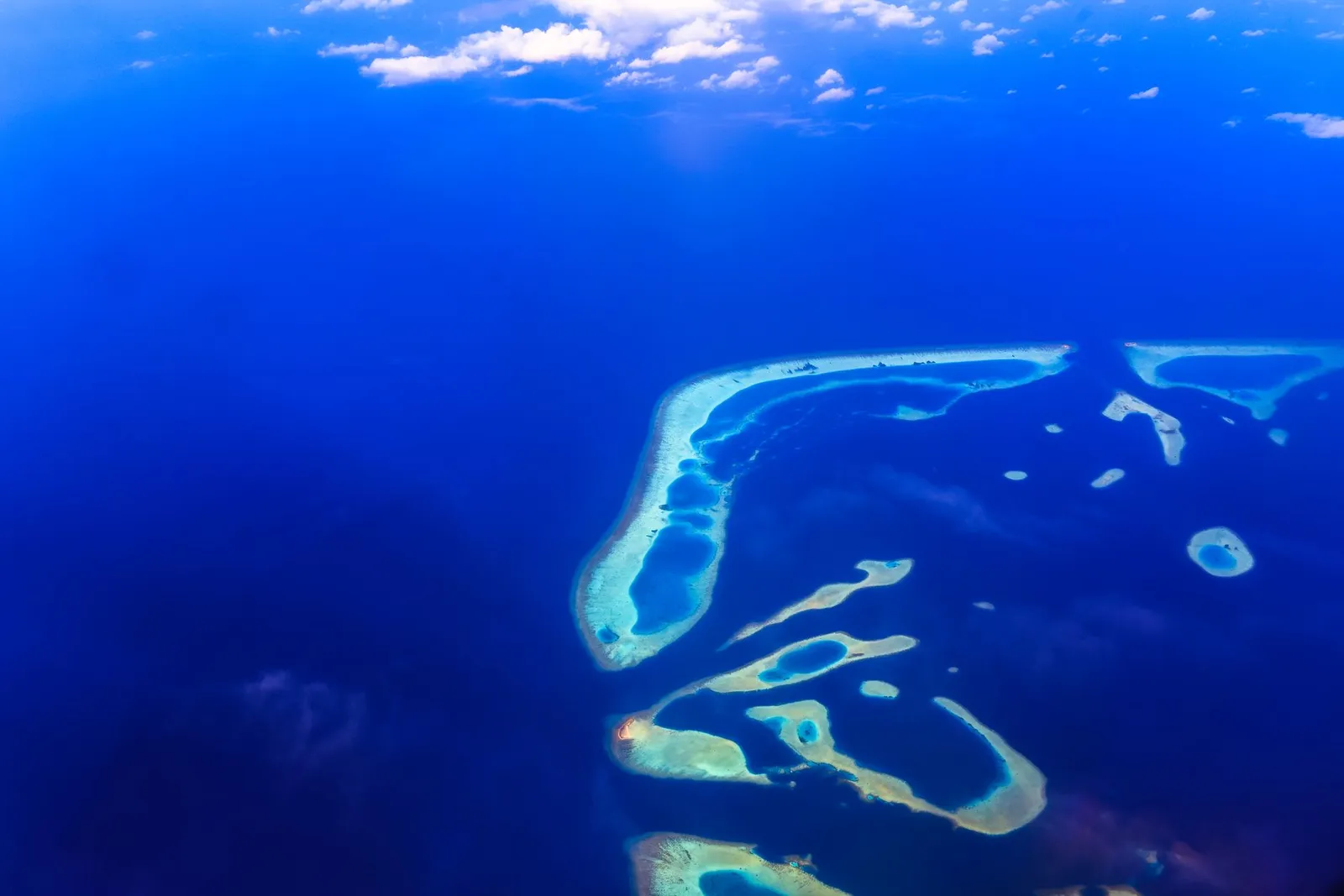
The Marshall Islands, a picturesque archipelago located in the central Pacific, comprises 29 atolls and 5 islands, forming a unique political entity known for its rich culture and history. Despite its limited land mass, the region is home to a diverse array of flora and fauna, making it an important area for ecological study and conservation. The map of the islands reveals a landscape shaped by the waves of the Pacific Ocean, where fishing remains a central aspect of local life, with fish being a staple in the diet of the residents.
Historically, the Marshall Islands have been a point of convergence for different cultures. Initially influenced by Spanish explorers in the 16th century, the islands later fell under the stewardship of various international powers, leading to a blend of traditional and contemporary influences. The unique flag of the Marshall Islands symbolizes its maritime heritage and the important rights of its people, with colors representing the ocean and the stars indicating the islands themselves. Each stripe on the flag reflects the direction of the nation’s development and aspirations.
Climate plays a significant role in shaping the lifestyle of the Marshallese. With limited rainfall and increasing challenges posed by climate change, the local communities have developed resilience strategies to cope with these environmental impacts. Traditional practices, such as the construction of canoes for fishing and transportation, continue to be vital. Moreover, the recent census revealed that the population includes a mix of clans, each with its own traditions and accomplishments, deeply rooted in the local culture.
As we delve deeper into the Marshall Islands, it is essential to understand the societal dynamics and the governmental structure. The islands’ parliament plays a crucial role in maintaining the voices of the citizens. Over the years, the incorporation of international laws has become integral to strengthening the rights of the indigenous population. This exploration of the Marshall Islands is not just a journey through its geography but an enriching experience that reveals the complexities and beauty of this unique nation.
Understanding the Map of the Marshall Islands
The Marshall Islands consists of a series of atolls and islets that are primarily located in the southern Pacific Ocean. The country is divided into 29 atolls and five islands, with a total of 1,156 individual islets. This intricate map outlines the geographical layout, illustrating the important relationship between these landforms and the surrounding marine environment.
The capital, Majuro, is situated within one of the atolls and serves as the center of government and urban activity. The map also indicates the division between the two primary regions: the Ratak and Ralik chains, which are critical for understanding local cultural and economic activities.
Essential resources and infrastructure are generally concentrated in urban centers like Majuro and Ebeye, which are also the most populous areas. Other parts of the country are less developed, providing opportunities for recreation and traditional activities, essential for preserving local culture.
The climate of the Marshall Islands influences its map, as the area is vulnerable to rising sea levels and severe weather events, factors that directly impact living conditions and agriculture. The government is actively involved in addressing these issues through various agreements and lobbying for international support.
In a historical context, when viewed from above, the layout of the islands and atolls reflects the agreements made by early captains and explorers, leading to the eventual establishment of a compact with the United States. These navigational agreements have shaped the current political landscape influenced by the Office of the President and congressional actions.
The map should also be understood in terms of its military significance, as the islands have been home to various military tests and operations, especially during the Cold War era. This historical perspective adds another layer to the understanding of the territory and its development.
| Area | Details |
|---|---|
| Capital | Majuro |
| Number of Atolls | 29 |
| Population Approximation | About 59,000 |
| Main Sectors | Health, Education, Recreation |
| Key Chains | Ratak and Ralik |
The Geography of the Marshall Islands
The Marshall Islands, located in the central Pacific Ocean, are a group of 29 atolls and 5 islands, known for their unique geography and rich cultural heritage. The two largest atolls, Majuro and Kwajalein, serve as the primary hubs for trade and tourism, significantly influencing the lives of the inhabitants.
The geography consists mostly of low-lying atolls, which are surrounded by rich waters teeming with marine life. This unique positioning plays a critical role in the traditional fishing practices of the local populations, highlighting their reliance on the ocean for sustenance and trade.
With an average elevation of just a few feet above sea level, the islands are particularly vulnerable to climate change and rising sea levels. The people of the Marshall Islands have experienced issues related to environmental changes, which have heightened discussions among their leaders in the council and the cabinet regarding health care and infrastructure improvements.
The country has a tropical climate, characterized by significant rainfall and a wet season that influences agricultural practices. This climatic condition has driven innovations in traditional farming methods among the local communities, helping them to adapt and sustain their livelihoods.
Additionally, the Marshall Islands have a complex history involving nuclear testing during the Cold War, particularly on the Bikini Atoll and the Runit dome site. These historical events have led to lasting impacts on public health and safety, necessitating ongoing discussions among government officials and international partners regarding the management of these powerful legacies.
For foreigners looking to visit, the islands offer a unique blend of culture and nature. Tourism plays a crucial role in the economy, attracting visitors who seek to experience the local customs and stunning landscapes. However, the balance between development and preservation remains an ongoing issue, as the elders and traditional leaders advocate for maintaining their heritage while adapting to modern influences.
Though small in size, the importance of the Marshall Islands on the world stage is not to be underestimated. Living here involves a confluence of traditional practices and the challenges faced in the modern world, making the geography of the islands not just a matter of physical location but a tapestry of historical and contemporary issues.
Key Islands and Atolls to Know
The Marshall Islands consists of several islands and atolls, each representing a unique aspect of local culture and history. Notably, Majuro serves as the capital and is an essential hub for government and development activities. The atoll is home to the official parliament, making it a focal point for political proceedings in the republic.
Kwajalein Atoll stands out due to its size and strategic importance. It hosts significant military installations operated by the United States, which play a pivotal role in national defense. This area's development is linked to its external relationships, particularly with powerful nations like Japan and the United States, which have historically influenced local policies.
Another essential atoll is Bikini, known for its historical significance in nuclear testing by the United States. The residents were relocated, impacting their way of life and causing ongoing debates about freedom and reparations. This atoll also became a pivotal point for marine life studies, as the surrounding lagoon supports diverse ecosystems.
Ujae Atoll, smaller in size, is remarkable for its pristine environment and traditional lifestyles of the Marshallese. There, local communities continue to practice traditional fishing and crafts, such as tobolar, which are highly valued in their culture. The island's remoteness provides a glimpse into how life thrives amidst the waves and external threats.
Overall, the key islands and atolls of the Marshall Islands offer insights into the resilience and creativity of its people. The ongoing balance between independence and external pressures, along with the rich traditions and natural beauty, presents a complex tapestry of lives shaped by both history and the ocean.
Significant Landmarks and Their Cultural Importance
The Marshall Islands, an archipelago located in the central Pacific Ocean, boasts several significant landmarks that reflect its rich cultural heritage. Each of these sites plays an essential role in the local community and represents various aspects of Marshallese identity.
-
Majuro Atoll:
This atoll serves as the capital of the Marshall Islands and is a key hub for political and economic activities. Its location between the United States and Japan has historically made it strategically important, particularly during military conflicts. Today, Majuro represents a zone of peace and development, with a growing local economy focused on agriculture, including copra production.
-
Laura Beach:
Located on Majuro Atoll, Laura Beach is famous for its stunning beauty and serves as a traditional gathering place for the community. The beach is a significant site for various cultural practices, and its clear waters are vital for the local fishing and agriculture activities.
-
Rairok:
This area is known for its traditional fishing practices, where local families use methods passed down through generations. Rairok plays an important role in sustaining the Marshallese way of life, as it is vital for food security and cultural preservation.
Kalalin Island:
Kalalin Island is notable for its historical significance, especially concerning traditional Marshallese navigation. The island is a site for learning about traditional practices and the use of local languages, which are essential for maintaining cultural identity amidst modern threats.
Tobolar:
Tobolar is a landmark that symbolizes the craftsmanship of the Marshallese people, particularly in the making of traditional canoes and other vessels. These crafts not only represent practical skills but also reflect the deep connection the people have with the ocean and their ancestors.
These landmarks are vital in understanding the Marshall Islands' culture and the resilience of its people. They provide a glimpse into the historical and contemporary lives of the Marshallese, retaining a sense of identity while navigating the challenges posed by contemporary political and environmental issues.
The National Flag of the Marshall Islands
The national flag of the Marshall Islands features a compact design that symbolizes the country’s identity and history. Created in 1979, the flag comprises a blue field with orange and white stripes, representing the sun and the ocean. The blue color signifies the vast Pacific Ocean, which plays a crucial role in the culture and daily life of the nation.
In the upper left corner, the flag showcases a white star with four points, each representing one of the major island groups: Ratak, Ralik, Ailinginae, and the larger regions of the Marshall Islands. This design element can be seen as a reflection of the country’s unity and shared heritage. The star's placement indicates the importance of these islands in the overall framework of the nation.
According to the government, the flag’s colors and design are meant to honor the traditional customs of the Marshallese people while also representing their aspirations for the future. The orange stripe embodies the courage, energy, and industriousness of the Marshall Islanders. Moreover, the white stripes signify peace and the promise of a better future.
The imagery of the flag resonates deeply with the local culture, relating to historical events, including the tests of atomic bombs in the 1940s and 1950s, which had profound effects on the islanders. Over the years, the flag has served as a symbol of resilience in the face of challenges, including the impacts of El Niño and other environmental changes.
In many cultures worldwide, flags play a vital role in representing nations. The Marshall Islands flag is no different in this regard and serves as a national emblem during various ceremonies and public events. It is often raised high to celebrate national achievements or to honor the sacrifices of those who have defended the country.
In summary, the national flag of the Marshall Islands represents a deep connection between the islands, their people, and their environment. Each element of the design carries meaning and speaks to the nation's history, culture, and future aspirations.
Symbolism Behind the Colors and Design
The flag of the Marshall Islands is rich in symbolism, reflecting the identity and history of the Marshallese people. Officially adopted, it features two main colors: orange and blue. The orange represents the local culture and the vibrancy of the islands, while the blue symbolizes the vast Pacific Ocean surrounding the archipelago.
Additionally, the flag includes two diagonal stripes, one white and one orange, which signify the islands' ongoing commitment to peace and unity. These stripes can be interpreted as the connections between the different atolls and communities, highlighting the bond among the Marshallese people.
The white stars situated on the blue field represent the two major political entities of the islands, which were signed into the Constitution by the president during the establishment of sovereignty. The number of stars, which are generally four, also denotes the hope for peace and a prosperous future for the region.
Many Marshallese also see the design as a reflection of their strong ties to the land and the ocean, crucial for their sustenance and culture. The flag serves as a symbol of pride and resilience, echoing the relentless spirit of the Marshallese through their struggles and successes.
Furthermore, the design touches on the historical interactions with neighboring countries, showcasing their identity in the context of the greater international community. This unique symbolism encapsulates the essence of the islands, embodying the richness of local culture, climate, and the profound connection to both land and sea.
Historical Context of the Flag's Creation
The flag of the Marshall Islands was officially adopted on May 1, 1979, reflecting the nation’s unique identity and aspirations following its emergence as a republic. The design is a significant representation of the country's geographical and historical context, which is crucial for understanding its symbolic meaning.
As the Marshall Islands gradually shifted towards independence, there was a pronounced direction in the growth of national consciousness among the Marshallese people. The flag features four prominent stripes, which represent the nation’s relationship with the four main island groups within the archipelago. Each stripe embodies the values of unity and resilience that are important in the face of historical challenges, including colonialism and military presence in the region.
The blue color of the flag signifies the vast ocean that surrounds the islands, vital not only for the traditional livelihoods of the Marshallese, but also as a source of resources and export opportunities. The white stripes symbolize peace, while the orange and yellow rays are a tribute to the warmth and vitality of the Marshallese culture, often celebrated through various human events and festivals.
Throughout history, the Marshall Islands has had to navigate complicated political landscapes and legal frameworks, especially in dealings with other states and the impacts of climate change on its territory. The design of the flag stands as a reminder of the nation's commitment to preserving its identity while fostering cooperation with other nations in the Pacific.
In the background of the flag’s creation lies a history marked by military presence and geopolitical interests from larger states, illustrating the continuous struggles and aspirations of the Marshallese populace. The flag serves not only as a national emblem but also as a visual representation of the nation’s journey towards establishing its place in the world among other states.
In conclusion, the flag of the Marshall Islands is a powerful symbol that encapsulates the rich history and culture of its people, reflecting their ongoing quest for recognition and resilience in a world facing numerous challenges. It is a source of pride for the Marshallese and a visual narrative of their past, present, and future.
Religious Composition in the Marshall Islands
The religious composition of the Marshall Islands is predominantly influenced by various factors, including the islands' history, culture, and interactions with major foreign powers. At the forefront of this composition is a strong presence of Christianity, which constitutes a significant part of the population. The most widely practiced denomination is the United Church of Christ, alongside other Christian groups such as the Assembly of God and Catholicism.
Historically, the introduction of Christianity occurred during the 19th century, replacing traditional beliefs that centered around the worship of ancestral spirits and other elements of Micronesian heritage. The transition to Christianity was not merely a religious shift; it became intertwined with the social and political landscape of the islands. Today, many Marshallese have integrated aspects of traditional spirituality into their Christian practices, creating a unique blend of beliefs.
In addition to Christianity, the religious landscape also acknowledges the significance of traditional beliefs, particularly among populations residing in the atolls. Indigenous practices, such as the reverence for nature and ancestral spirits, continue to survive despite external influences. This coexistence of faiths represents a major aspect of the national identity of the Marshallees, who take pride in their heritage.
The presence of religious organizations plays a crucial role in community life. They often serve as a base for social gatherings, educational initiatives, and disaster relief efforts. For instance, during severe weather threats or other natural disasters, these organizations mobilize to support affected communities, demonstrating the interconnectedness of faith and social responsibility.
Political considerations also intersect with the religious fabric of the Marshall Islands. The Compact of Free Association with the United States allows for a unique relationship where religious freedom is promoted. However, this has also led to debates regarding the presence of foreign religious companies that seek to expand their influence on the local population.
Today, the religious composition of the Marshall Islands represents a dynamic interplay between tradition and modernity, emphasizing both continuity and change. As the nation navigates its future, the role of religion will undoubtedly remain a cornerstone of Marshallese identity, influencing everything from communal politics to cultural practices.
Ready to set up your Cyprus company?
Our specialists guide you through the entire process — registration, tax setup, and bank account opening.
Request a consultation →