
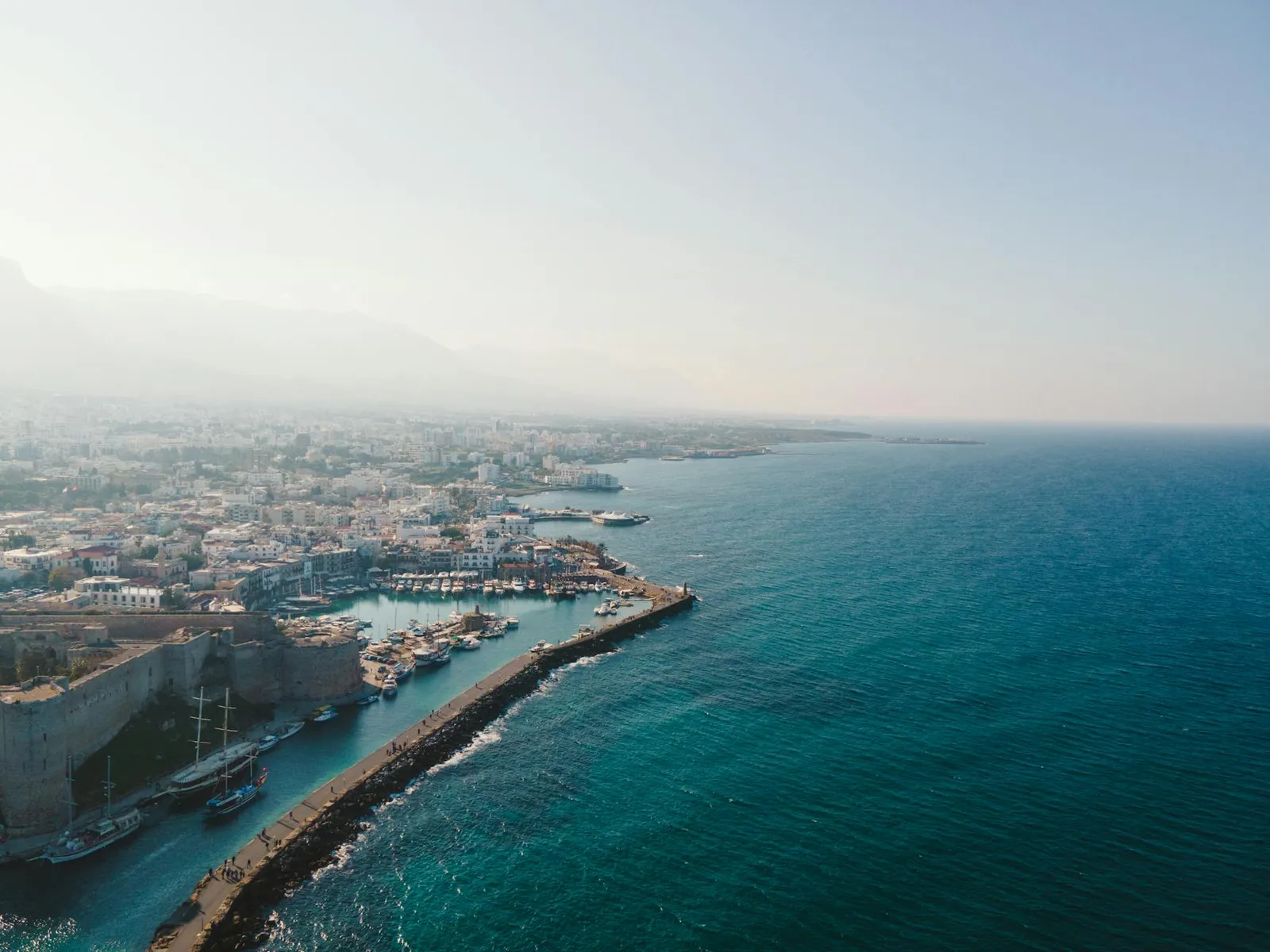
Explore the Wonders of Costa Rica - Your Ultimate Travel Guide
Costa Rica is one of the most enchanting destinations on the planet. Nestled between the Caribbean Sea and the Pacific Ocean, this small yet diverse territory offers stunning landscapes, from lush rainforests to volcanic mountains. For tourists from all over the world, including those coming from Moscow, Costa Rica is a magnet for adventure and relaxation alike. However, it's not just the breathtaking views that draw visitors; the rich culture and warm hospitality make it a must-visit location.
See also: Costa Rica Travel Guide.
In addition to its natural beauty, Costa Rica is renowned for its focus on eco-tourism and sustainability from the days of independence. The country has made significant strides in improving education and security, ensuring that travelers can enjoy their time without the worries found in some other countries. Its local currency, the colón, is easily accessible through banks and allows tourists to indulge in everything from exquisite dining to thrilling activities such as diving and surfing on its glorious beaches.
In exploring the restaurants and entertainment options in cities like San José or Limón, you'll find that Costa Rica has a unique flair all its own. Enjoy a cup of the world-famous coffee while soaking up the charming atmosphere. Furthermore, among the many attractions, there are some vulnerable species and landscapes protected as part of the nation’s commitment to preserving its natural heritage. It is this combination of adventure, culture, and dedication to environmental integrity that makes Costa Rica an exceptional travel destination for everyone, including those who find themselves drawn in by the call of its wild side.
Demographic Development
Costa Rica, known for its diverse culture and stunning landscapes, attracts travelers from different nations eager to explore its biodiversity. The majority of the population identifies as descendants of Europeans, mestizos, and mulatos, contributing to a rich tapestry of cultural influences. The country's demographic development is marked by a relatively high literacy rate, which is reflective of its education system's commitment to progress. Over the years, population growth has been steady, with the capital city, San José, serving as a central hub for economic activities and cultural celebrations, drawing in visitors keen to experience the local traditions and festivals.
As the economy continues to grow, fueled by sectors like eco-tourism, agriculture–including bananas–and technology, demographic trends show a gradual shift towards urbanization. The Costa Rican government emphasizes sustainability, aiming to protect its environment, particularly in areas like Corcovado National Park, which remains a sanctuary for wildlife. Within this framework, communities are evolving, fostering a balance between development and conservation. In the coming months, statistics from the United Nations will provide deeper insights into these population dynamics. By understanding these changes, travelers can better appreciate the cultural richness and natural beauty of this vibrant land.
Population Growth Trends in Costa Rica
Costa Rica, a small Central American country, has experienced notable population growth trends over recent decades. This growth is influenced by various factors, including increasing life expectancy, lower mortality rates, and immigration. The fertility rate has declined, yet the population continues to rise, primarily due to internal dynamics and international migration.
The total population of Costa Rica is estimated to be approximately 5 million people. The country's demographic structure reflects a youthful population, with a significant percentage under 30 years old. This vibrant demographic contributes to cultural diversity and is influenced by historical factors, such as the arrival of Spanish colonizers and the subsequent blend of cultures, including the indigenous Chorotega and Bribri peoples.
Population growth has also impacted the economy of Costa Rica. The national currency, the colón, has been subjected to fluctuations due to both domestic and international factors. The Costa Rican economy has shown resilience, in part, due to its robust agricultural sector that includes products like coffee, beans, and vegetables. Investments in education and healthcare have made it an attractive destination for expatriates, further influencing population dynamics.
| Year | Population (millions) | Growth Rate (%) |
|---|---|---|
| 2000 | 3.9 | 1.7 |
| 2010 | 4.5 | 1.5 |
| 2020 | 5.1 | 1.2 |
| 2023 | 5.2 | 1.0 |
Migration patterns show that many foreigners are drawn to Costa Rica, attracted by its political stability, democratic governance, and natural beauty. Various organizations advocate for preserving the environment and promoting sustainability, making it a popular choice for eco-tourists. Additionally, the blend of different faiths, primarily Catholicism and other confessions, contributes to a unique social fabric, highlighting the country’s inclusive nature.
Many people consider Costa Rica a paradise for nature lovers, featuring rich biodiversity. The country's territory is home to an extensive variety of wildlife, including over 900 bird species, which draws ornithologists and bird watchers from around the globe. This aspect not only enriches the quality of life for residents but also creates economic opportunities through eco-tourism.
In conclusion, population growth trends in Costa Rica mirror broader societal shifts, influenced by both internal and external factors. The country stands as a testament to sustainable development and cultural richness, appealing to locals and international visitors alike. For those looking to explore the wonders of the region, flights to San José or Liberia are readily available, making it easy to experience the beauty of Costa Rica firsthand.
Urban vs. Rural Distribution: Where to Go?
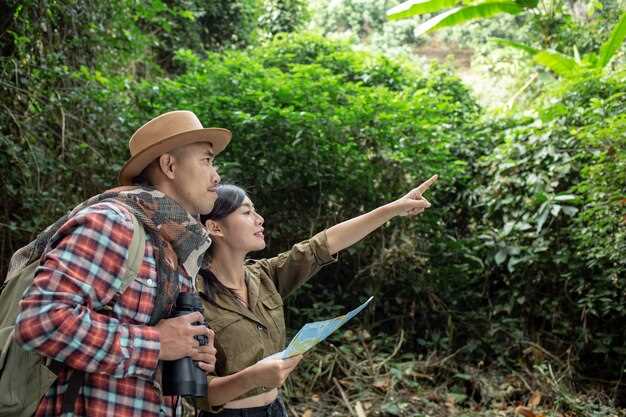
When exploring Costa Rica, travelers often face the choice between the vibrant urban centers and the serene rural landscapes. The capital, San José, offers an exciting mix of cultural experiences, with international restaurants, bustling markets, and an active nightlife. Here, tourists can enjoy the rich history of the nation and witness the coexistence of Catholic traditions and modern life. High-rise buildings rise alongside historical colonial structures, while the values of civil society shine through in community initiatives. The urban areas also provide a different perspective of Costa Rican life, with a strong emphasis on economic stability in the face of challenges such as poverty and low salarios.
On the other hand, the rural regions present a more tranquil escape, drawing visitors with their stunning natural beauty and the chance to connect with the land. In areas like Monteverde and Arenal, tourists can immerse themselves in lush tropical rainforests, encounter exotic wildlife, and explore breathtaking parks filled with volcanoes and serene lakes. Additionally, engaging with local communities offers insights into the human experience that often goes unnoticed in the fast-paced city life. Rural Costa Rica is also a hub for wellness retreats focused on health and nature therapy. Whether hiking amidst the awe-inspiring landscapes or savoring traditional dishes made from local rice and legumes, it becomes clear why both urban and rural parts of the country provide unique and enriching experiences for every traveler.
Impact of Immigration on Local Culture
See also: Discover the Beauty and Culture of Vanuatu.
Immigration has played a significant role in shaping the diverse culture of Costa Rica. The influx of various nationalities over the years has resulted in a melting pot of traditions, languages, and cuisines. Many travelers, drawn by tales of its natural wonders, have visited Costa Rica, contributing to a cultural exchange that enriches the local landscape. For instance, during the month of April, various cultural festivals celebrate this diversity, allowing locals and tourists alike to experience the unique blend of customs.
One notable aspect of this cultural diffusion is the culinary scene, which has dramatically evolved due to the introduction of international ingredients. In Costa Rica, one can find traditional dishes infused with flavors from Spanish, Caribbean, and indigenous influences. Bananas and vegetables from various regions are now staples, showcasing how immigration has altered the local palate. The fusion of flavors available in areas like Arenal demonstrates the country’s adaptability and openness to new culinary experiences.
In urban centers such as Cartago, significant communities of immigrants have established a vibrant cultural presence. The impact is seen in architecture, music, and local festivities. For instance, the Basilica of Our Lady of the Angels attracts visitors not only for its religious significance but also for the diverse cultural expressions found during the celebrations surrounding it. These manifestations of faith contribute to a broader sense of community among different nationalities living in harmony.
Among the notable influences is the subequatorial climate, which differs across regions, including in areas close to the Caribbean Sea. This variation affects local lifestyles and agricultural practices, with different groups bringing their own farming knowledge and techniques. The exchange of ideas around sustainable agriculture, for instance, has become crucial in ensuring the health of Costa Rica’s famed biodiversity, especially within protected areas like Corcovado National Park.
In conclusion, immigration has significantly transformed Costa Rica’s local culture, creating a rich tapestry of traditions that reflect the country's history and its position as a hub for travelers from around the globe. As Costa Rica continues to embrace its identity shaped by various nationalities, it offers a unique experience for anyone wishing to explore its diverse cultural landscape. By integrating elements from different nations, Costa Rica showcases a deep respect for multiculturalism while maintaining its distinct heritage.
Ready to set up your Cyprus company?
Our specialists guide you through the entire process — registration, tax setup, and bank account opening.
Request a consultation →