
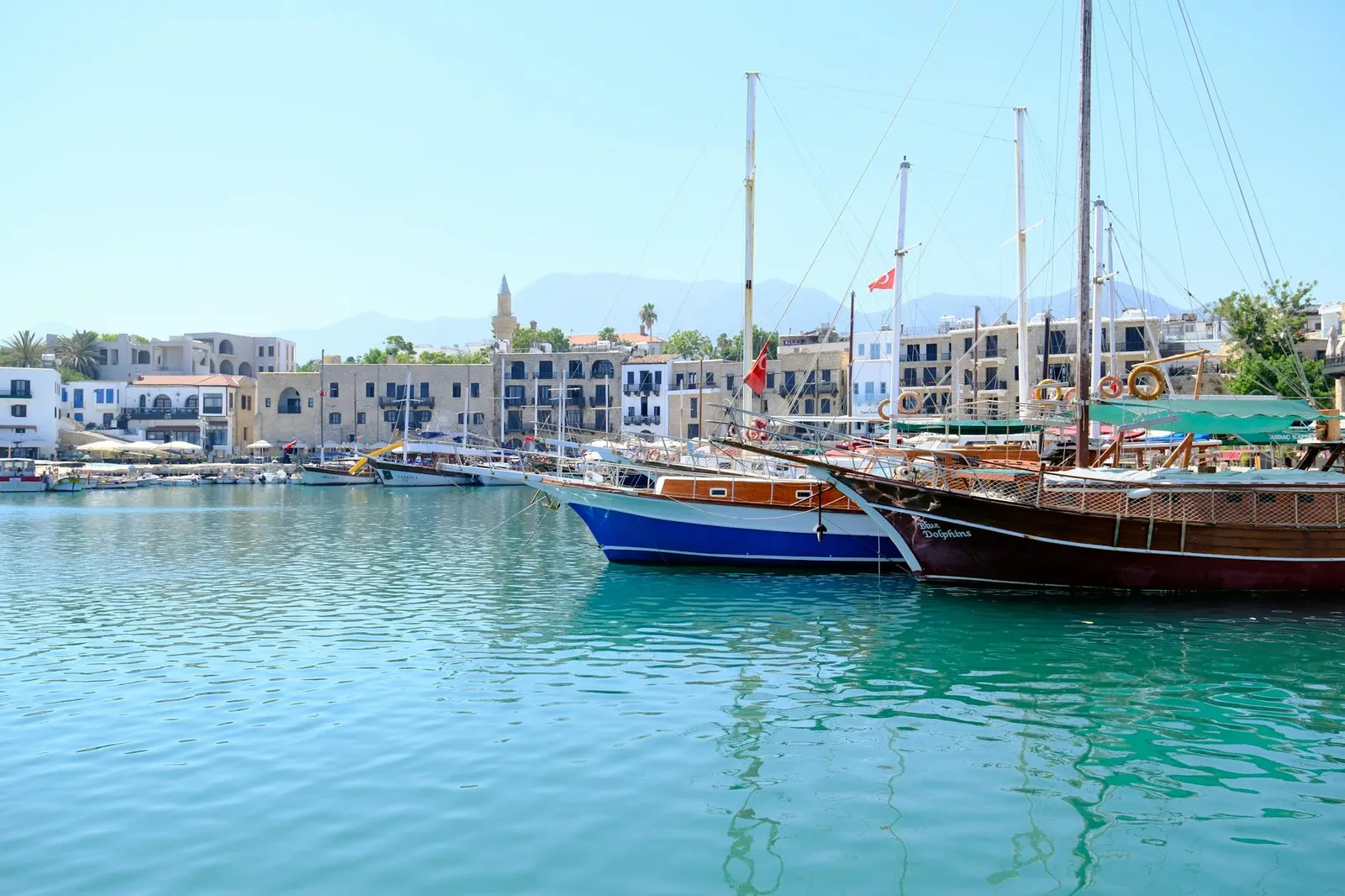
Film Scheme - A Practical Guide for Funding, Locations, & Cyprus Production
Begin with a fixed budget and submit the Cyprus Film Scheme application within the first month of prep, locking funding options before location scouting and key hires.
Define a 12-week funding plan that pairs the grant timeline with your production schedule. Schedule a pre-application meeting with the national film office during week 4, assemble a production service company contract by week 6, and align your submission with a detailed, line-item budget covering cast, crew, gear, and insurance.
When selecting locations in Cyprus, map coastal towns for exterior scenes, villages for interiors, and ancient sites for period looks. Contact local authorities early for permits, road usage, and drone clearances, and build a timeline that buffers for permit approvals and weather windows.
In the Cyprus context, structure your team to include a Cyprus-based line producer or production manager who can navigate local regulations and tax credit requirements. Prepare a modular shoot plan with interchangeable locations to keep spend flexible, and maintain a contingency of around 10–15% for unexpected costs and permit delays.
Film Funding & Production Incentives: A Step-by-Step Guide
Hire a Cyprus-based production services company to manage incentives and local compliance, and start early talks with the Cyprus Film Commission to align plans and required documents. A local partner maps eligible costs, coordinates with tax advisers, and helps secure the best funding path.
See also: Evgenios Evgeniou.
See also: Startup Visa and Residency Paths Target Founders in Cyprus today.
Step 1: Define eligible project and budget structure. Determine if your film, series, or documentary meets incentive rules and identify Cyprus spend categories: production services, equipment rental, studio costs, post-production, and localization. Work with the local co‑producer to outline suppliers, timesheets, and contracts in advance.
Step 2: Review available incentives and eligibility. Cyprus offers a refundable tax credit on eligible production expenditure and may provide additional grants for local hires or regional activities. Rates and caps change by program type–check the latest guidance from the Cyprus Film Commission and CTO, and confirm whether your company, producer entity, or bankable investor qualifies. Prepare a plan showing the Cyprus spend and how it hits eligible cost categories.
Step 3: Prepare the application package. Gather corporate documents, project synopsis, an approved budget with a local spend breakdown, production schedule, and signed agreements with Cyprus-based vendors. Include proof of insurance, European bank account details, and letters from funding partners. Submit the application through the official portal and attach supporting invoices and contracts.
Step 4: Set up ongoing compliance and record-keeping. Create a centralized tracker for expenses, timesheets, and payments. Require signed service agreements with Cyprus vendors, keep all invoices, payment proofs, and tax receipts, and appoint a local accountant to verify costs against eligible categories during milestones.
Step 5: Design the shoot to maximize eligible spend. Schedule principal photography in Cyprus locations and use Cyprus-based crews, equipment, studios, and post facilities where possible. This strengthens the case for the incentive and helps with audits. Coordinate with local unions and permitting offices early.
Step 6: Claim, audit, and payout process. After production, compile a final eligible cost report, invoices, payroll records, and vendor declarations. The incentive body reviews the file, may conduct spot checks, and issues a refund or grant payment according to the approved plan. Allow time for processing and remittance to your production company or local entity.
Step 7: Manage risk and stay aligned with rules. Lock supplier contracts to fixed rates, maintain clear currency handling, and ensure all spend aligns with eligible categories. Maintain a fixed timeline for milestones and keep your partner informed of any path changes that affect eligibility.
Cyprus Locations: Landscape Varieties, Seasonal Considerations, & Permitting
Plan shoots in April–May or September–October to exploit pleasant temps, mild humidity, and favorable daylight. Lock in location permits 6–8 weeks ahead, and pair a dedicated scout with a point of contact for public sites and beaches to confirm access and timing.
Cyprus offers a mix of coastal flats, foothill woodlands, and rural valleys. In practice, coordinate with local authorities and a production service partner to map access routes, parking, and power supply; private properties require written consent, while public areas demand permits and sometimes time windows.
Seasonal Windows and Access
Coastal areas benefit from long light and steady temps in late spring and autumn. Summer inland heat can reach into the mid to high 30s Celsius; schedule exteriors for morning hours and late afternoons, and reserve interiors for peak heat. Winter remains mild but wetter in the mountains, so plan for rain days and have indoor alternatives ready. For best results, shoot exteriors between 10:00 and 17:00 in spring and autumn, and 07:00–11:00 in winter when possible.
Permitting and Quick Start Steps
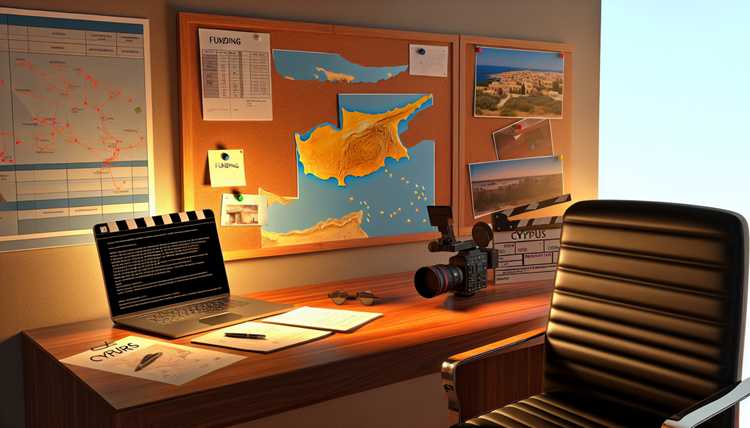
Contact the local film office or municipal liaison to request a location permit; public-site approvals typically require a simple plan, a road-usage note, and a representative on site. Expect a 2–6 week turnaround depending on site type, with expedited options for private properties or small shoots. Prepare a shot list, location map, on-site safety plan, and contact details for local authorities; keep written consent from private owners on set, and coordinate with security if beaches or archaeological zones are involved.
| Location | Terrain Notes | Seasonal Tips | Permitting Notes |
|---|---|---|---|
| Coastal Limassol/Nicosia belt | Sea breeze, flat to gentle hills | Best May and Sept; avoid mid-summer crowds | Public access permits required; beach permits during peak season |
| Troodos foothills | Conifer forests, village roads | Spring blossom, autumn colors; winter snow is possible | Road usage permits; weather-related closures may occur |
| Paphos peninsula coast | Rugged cliffs, nearby archaeological sites | Early spring; autumn lighting; monitor sea conditions | Site-specific approvals; restrictions near heritage zones |
| Larnaca salt lake region | Open plain with wetland tones | Winter to spring migrations; maintain distance from birds | Environmental permits; rules in wildlife reserves |
| Mesaoria plain interior | Agricultural fields, windbreaks | Late spring, early autumn best; avoid harvest peaks | Property owner consent required; road closure approvals if needed |
The Cyprus Film Scheme: Eligibility, Caps, Deadlines, & Application Process
Verify eligibility and secure a Cyprus-based production partner before drafting documents.
Outline a budget that clearly separates in-Cyprus spend from external costs, and confirm the project’s release plan with your local collaborator to align with the scheme’s criteria.
Eligibility
- Applicant must be a Cyprus-registered production company or a legally established entity with a Cyprus-based partner capable of supervising production locally.
- Projects eligible include feature films, television formats, documentaries, and animation intended for public release or distribution on recognised platforms.
- A defined portion of the budget must be allocated to in-Cyprus services, facilities, and personnel, with clear commitments from local suppliers.
- Financing plans should show confirmed funding from reliable sources, with documentation such as letters of intent or commitment for production and distribution.
- Rights, clearances, and permits must be in place for development, production, and distribution, plus evidence of compliance with tax and social security requirements for local personnel.
Caps
- Caps apply by project category and depend on the overall budget; larger budgets may access greater support, subject to the applicable ceiling per project.
- The scheme operates within an overall annual or tranche-based limit, which may cap total awards and influence project ranking.
- Grants are provided as reimbursements against eligible Cyprus expenditures and are subject to verifications and final accounting.
Deadlines
- Official submission windows are published in advance on the portal; submit within the window that matches your project stage.
- Multiple windows may exist within a year; late submissions are not eligible for the current cycle.
- If additional information is requested, respond promptly to avoid delays in the review process.
Application Process
- Pre-check: confirm basic eligibility, secure a Cyprus-based partner, and prepare a high-level plan for local spend.
- Portal registration: create project access in the Cyprus Film Scheme system and set up the production team profiles.
- Submit the full dossier with these components:
- Project overview: logline, synopsis, intended audience, and release plan
- Budget and cash flow showing the share of eligible Cyprus spend
- Financing plan with binding letters of commitment
- Local production plan: list of Cyprus service providers, facilities, and crew
- Production schedule and location plan for Cyprus
- Key personnel bios or résumés showing relevant experience
- Rights confirmation and distribution strategy
- Legal documents: company registration, tax clearance, and social security compliance
- Submit any required processing fee if applicable.
- Review phase: the authority assesses form and content; be ready to supply clarifications or additional documents.
- Decision: receive formal notification; if approved, proceed to contract negotiations and compliance setup.
- Post-approval: execute the funding contract, begin production with a compliance plan, and report expenditures with supporting receipts and invoices; provide final accounting as required.
See also: Valentinos Polykarpou and Limassol.
Documentation Checklist
- Corporate registration documents and tax clearance status
- Rights confirmations, including distribution rights and any option agreements
- Local production plan with attached Cyprus crew and service provider quotes
- Detailed budget and cash flow, highlighting Cyprus spend
- Financing letters of intent or binding commitments
- Production schedule, locations, and permits for Cyprus
- CVs of key personnel and attached collaborators
- Distribution plan and target platforms
- Bank details and proof of financial commitments
Why Cyprus Should Be Your Next Filmmaking Destination: Costs, Infrastructure, & Local Talent
Choose Cyprus for your next shoot to control costs, speed up permitting, and access a skilled, English-fluent crew.
Cyprus operates with the euro, provides a 15% corporate tax and a 19% VAT rate, which simplifies budgeting and cross-border invoicing across European partners.
Local service costs stay competitive with Western Europe, especially for gear rental, lodging for crew, and post-production work performed locally. Budget planners will find reliable cost tracking with clear invoicing from Cyprus-based suppliers.
Infrastructure supports efficient work flows: well-connected airports in Larnaca and Paphos, modern hotels and serviced apartments, and studios ready for on-set work with camera, grip, lighting, and sound facilities nearby.
Talent pools cover Greek- and English-speaking professionals across departments such as production, camera, lighting, sound, art, and costume. Local universities and studios feed new graduates into the industry, while experienced crews bring international know-how from projects in Europe and the broader region.
Location variety enables quick changes of scene: coast, rural settings, urban cores, and archaeological sites within a short drive, helping you capture multiple looks in a single travel window.
Permitting runs through municipal offices and national authorities; a seasoned Cyprus-based production service company can secure location releases, insurance, and safety compliance, typically speeding up sign-off and reducing on-site friction.
Practical steps: assemble a local production partner, map your shooting sequence to local daylight patterns, check EU funds or national grants for eligible activities, and lock locations early to avoid last-minute changes.
Q&A with Antonis Andreou: Insights from Cube Productions on Cyprus Studios (CFS) & Producer Incentives
Secure a local line producer and start incentive documentation 8–12 weeks before principal photography to maximize your cash rebate.
Q: How does Cyprus Studios (CFS) fit into Cube Productions' workflow for Cyprus shoots?
A: We lean on CFS's flexible spaces and on-site support. The setup enables faster rehearsals, easier set builds, and a smooth handoff to post. We coordinate with the Cyprus Film Commission to speed location permits and with local vendors to streamline payments. A dedicated local unit stays in touch with the schedule, budget, and risk controls to keep the project on track.
Q: Which incentives should producers know when shooting in Cyprus?
A: The Producer Incentives offer a cash rebate on eligible Cyprus spend. To use it fully, plan spend within Cyprus and document every eligible item with proper invoices and contracts. Work with a local line producer to tag costs as incentive-eligible, and file claims after production while keeping the paperwork clean. Typical timelines: initial approval within 4–6 weeks, final payout 6–8 weeks after receipts are submitted.
Q: What steps help maximize benefit from CFS facilities?
A: Lock locations and schedule two weeks of studio time for build and test. Use CFS's green screens and sound stages to cut transport time. Hire a majority of crew in Cyprus where possible to strengthen eligibility and lower travel costs. Keep an up-to-date cost ledger in Cyprus currency and ensure all invoices come from Cyprus-based vendors.
Q: What should productions avoid when using the Cyprus scheme?
A: Don’t mix eligible and non-eligible spend in a single line item. Keep clear records that separate Cyprus costs from out-of-country costs. Avoid double subsidies by checking with the Film Commission before applying for another grant. Start the claim only after signed service agreements with Cyprus vendors and after payroll records exist.
Q: Any recent outcomes from your Cyprus shoots with CFS?
A: On two recent projects, in-country post delivery met deadlines, and early coordination with the Cyprus Film Commission trimmed permit wait times by a few weeks. The incentive reimbursements arrived within the stated window, helping cashflow for the next phase.
Ready to set up your Cyprus company?
Our specialists guide you through the entire process — registration, tax setup, and bank account opening.
Request a consultation →