

How the EU Plans to Enhance Asset Recovery from Criminals
The future of asset recovery within the European Union remains a critical focus for policymakers and law enforcement agencies. As the trend of financial crime evolves, so do the challenges related to identifying and freezing criminal assets. In response, the EU has committed to a comprehensive strategy aimed at enhancing the efficiency of investigations and ensuring that measures are in place to support victims and uphold their rights. This directive sets forth a detailed plan for cooperation among member states and agencies such as Europol, ensuring that resources are utilized effectively in finding, securing, and ultimately recovering assets derived from illegal activities.
According to the newly identified practices, the EU's approach contains specific steps aimed at facilitating the recovery process. By placing emphasis on cross-border cooperation and information sharing, countries are better equipped to identify the origin of illicit assets and take invasive measures where necessary. The article reviews the legal frameworks that contribute to this system, allowing for the freezing and confiscation of assets without undue delay. This is particularly pertinent in the context of restrictive sanctions imposed on individuals and entities that pose significant threats to the integrity of the financial system.
Furthermore, the preamble of the EU's latest strategy outlines the vital role of education and awareness in combating financial crime. Partnering with various stakeholders, the EU is dedicated to creating a sustainable environment where law enforcement is not only reactive but also proactive in their duties. It is essential that adequate resources are allocated to support these initiatives, ensuring that investigators are able to pursue substantial assets linked to criminal activities effectively. By implementing these measures, the EU aims to generate a system that not only recovers assets but also deters future criminal behavior, sending a clear message that crime does not pay.
Strategies for Strengthening Cooperation Among Member States
Strengthening cooperation among EU member states is crucial for effective asset recovery from criminals. Judicial collaboration is needed to facilitate the sharing of information and resources. This requires comprehensive legislation that addresses cross-border challenges and ensures that member states have the necessary powers to act swiftly. However, significant concerns remain regarding the implementation of these laws.
A major area of focus should be on developing common practices that allow for the freezing of assets linked to criminal activities. Moreover, creating specialized bodies to oversee asset recovery can greatly assist in this process. These bodies would be responsible for coordinating efforts and ensuring that member states adhere to a unified strategy, thereby reducing the burden on any single country.
Examples of effective collaboration can be seen in recent developments, where member states have jointly engaged in investigative measures. By exchanging intelligence regarding financial flows and criminal networks, they can identify the source of illicit income and take decisive action against offenders. Additionally, education and training for judicial authorities in various member states will contribute to enhancing their capabilities in dealing with complex asset recovery cases.
It is essential that member states prioritize the rights of victims throughout this process. Ending the cycle of criminality involves not only recovering lost assets but also ensuring that those affected can find justice. The CJEU’s rulings can play a pivotal role in clarifying rights and responsibilities among member states, thus allowing for more effective cooperation.
Instead of relying solely on individual efforts, a coordinated approach will enable member states to tackle asset recovery more efficiently. This collaboration can lead to successful convictions and the final recovery of misappropriated assets, benefiting the entire EU community.
In conclusion, achieving better cooperation among member states on asset recovery requires a multifaceted approach that includes legislative alignment, educational initiatives, and the creation of specialized entities. Each of these measures contributes to a more robust framework for tackling criminal assets within the EU.
Sharing Best Practices in Asset Recovery
In the realm of combating crime-related activities, the rise of asset recovery initiatives across Europe has been notable. As criminals often obtain substantial finances through illegal means, it becomes essential to trace and recover these assets effectively. The European Union's proposal to share best practices in asset recovery could significantly enhance the scope of recovery efforts by engaging various competent authorities across national borders.
This initiative ensures that countries cooperate by allowing mutual support among judicial bodies, thereby creating an extensive network that can address the challenges of corruption and financial crime. By sitting together, parliamentary representatives and law enforcement agencies can discuss innovative measures that have been successfully implemented in their respective jurisdictions, as well as the challenges they face.
One of the key aspects of this program will be the introduction of a new register. This register could serve as a centralized source of information that allows competent agencies to track assets across borders. The proposal emphasizes the importance of sharing advice and defining the roles of different agencies while reducing the burden on individual countries.
Through successive efforts, jurisdictions like London have demonstrated the importance of tracing crime-related assets. Courts in these areas often issue rulings that support the recovery of illicitly obtained wealth, thereby reinforcing the necessity for cooperation across borders. The future of asset recovery could see a more streamlined approach, based on shared intelligence and resources, thus allowing for a more effective pursuit of justice.
Lastly, while there may be challenges ahead, the ongoing commitment to sharing best practices will ultimately increase the efficiency of asset recovery programs. As the EU continues to address these issues, populations across member states can expect a more substantial and focused approach to tackling financial crime and corruption.
Creating Joint Task Forces for Complex Cases
The European Union recognizes that combating corruption and enhancing asset recovery requires an innovative approach, especially when dealing with complex cases that often span multiple jurisdictions. To address these challenges, the introduction of joint task forces is essential. These specialized units are acting as a vital mechanism to facilitate cooperation among national agencies, enabling them to effectively manage cross-border investigations.
When significant assets are identified as the result of corruption or criminal activities, the need for comprehensive legislation becomes apparent. The current systems often fall short when assets are tied to unexplained wealth, particularly in the context of political figures like the Aliyevs. Establishing a joint task force allows for a more organized and efficient response, where the scope of investigations can be defined clearly, ensuring that every agency involved is directly responsible for contributing to the recovery process.
This cooperation includes law enforcement, taxation authorities, and judicial systems, allowing for coordinated efforts in the pursuit of asset confiscations. The joint task forces are not only able to pool resources but also to share intelligence, which is necessary to prove links between criminal activities and the property acquired. This collaborative approach safeguards citizens' rights while addressing concerns regarding the economic impact of corruption on the union.
The task forces focus on complex cases that may otherwise be difficult to analyze due to their scale or the sophistication of the criminals involved. By managing these investigations collectively, the EU can initiate swift actions that are crucial in preventing the further spending or hiding of illicitly obtained value. Convictions that stem from these efforts can significantly bolster public confidence in justice systems and contribute to the overall stability within member states.
| Key Elements of Joint Task Forces | Benefits |
|---|---|
| Cross-border cooperation | Facilitates broader investigations |
| Legal framework enhancements | Strengthens asset recovery efforts |
| Resource sharing | Increases efficiency of investigations |
| Unified strategy development | Aligns objectives across nations |
| Training and capacity building | Improves the skills of personnel |
In conclusion, the establishment of joint task forces presents a comprehensive approach in tackling the challenges posed by complex asset recovery cases. Through collaboration, the EU can better manage the multifaceted aspects of corruption, thereby reinforcing justice and accountability across the region.
Implementing Cross-Border Legal Frameworks
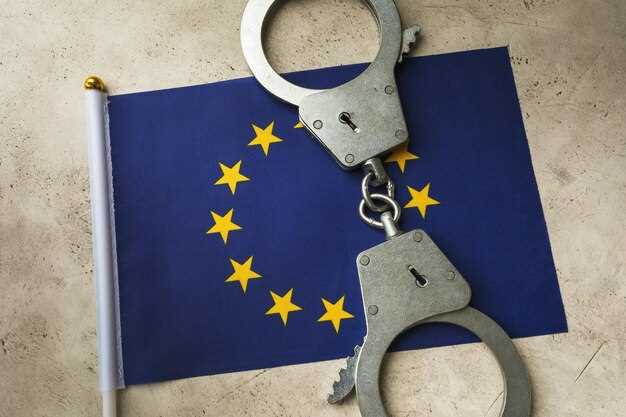
In the ongoing effort to enhance asset recovery from criminals, the European Union recognizes the necessity of implementing cross-border legal frameworks that facilitate cooperation among member states. This approach not only helps in tracing illicit assets but also ensures that the rights of former victims are considered at every level of enforcement.
The current statistics indicate that a substantial amount of unexplained wealth belongs to criminals who operate across borders. To combat this issue, the EU has proposed measures that require member states to exchange information and resources effectively. By establishing a network of offices dedicated to asset recovery, countries can work together more efficiently, ensuring that assets are identified and traced, while minimizing expenditures.
One of the first steps toward this goal involves creating preventive frameworks that enable authorities to act swiftly when illicit activities are detected. Non-conviction-based asset recovery orders, for instance, can play a crucial role in freezing properties associated with criminal networks even before a court ruling. This is critical, as it prevents assets from being dissipated while investigations are ongoing.
The European Court of Justice (CJEU) has emphasized the importance of ensuring that these frameworks have sufficient legal safeguards to protect the rights of individuals. As countries agree to cooperate more closely, they must also adhere to monitoring and evaluation processes to assess the efficiency of these legal structures. This will ensure that the implementation of such measures does not come at the expense of basic rights.
By committing to a unified approach, the EU aims to afford law enforcement agencies the necessary powers to trace, seize, and recover assets on a scale that was previously unattainable. Instead of dealing with cases in isolation, cross-border cooperation can lead to extraordinary outcomes, where collaborative efforts yield significant successes in asset recovery.
Through shared initiatives and the pooling of resources, the EU can enhance its capability to combat organized crime effectively. The Council's commitment to this framework will help in creating a safer environment for individuals while ensuring that those who engage in illicit activities are held liable for their actions.
Leveraging Technology to Track Illicit Assets
The increasing complexity of financial crimes necessitates robust measures for tracking illicit assets. The European Union recognizes this challenge and is actively working to enhance asset recovery by incorporating advanced technological solutions. These measures are critical not only for combating criminal activities but also for ensuring that preventive actions are taken to safeguard public finances.
By implementing a system that requires financial institutions to register all suspicious transactions, the EU aims to set a strong foundation for tracking unexplained sources of wealth. This creates a more transparent financial landscape, where the positions of individuals and organizations are clearly defined and accessible to relevant authorities. Moreover, this approach facilitates judicial operations and ensures that investigative agencies have the tools needed to pursue criminal activities effectively.
To combat illicit financial flows, the EU's strategy emphasizes the importance of non-conviction-based asset recovery measures. This allows for the freezing of assets even in cases where a criminal conviction has not been achieved, thus minimizing the potential for individuals involved in unlawful activities to benefit from their actions. Such a system is considered vital, as it operates on the premise that even those under investigation should not have the right to enjoy the proceeds of crime.
Moreover, technology-based solutions can help monitor individuals’ interactions with financial institutions, thereby making it easier to track illicit activities. For example, data analysis tools can provide insights into a person's financial behaviors, making it possible to identify patterns associated with criminal conduct. This invasive approach may initially raise concerns among the population, but it is imperative for the effective fighting of organized crime.
The EU’s commitment to education and collaboration between financial groups is another cornerstone of its strategy. Training programs designed to inform bank offices and financial agencies about the latest technologies and their application in asset recovery can significantly elevate the first level of defense against financial crime. Furthermore, sharing information across borders ensures a cohesive effort in addressing this matter.
In conclusion, advancing technology to track illicit assets requires a full commitment from all stakeholders involved. It is not solely a matter of developing new systems but also about making sure that these systems have the necessary safeguards to protect individual rights while ensuring the responsible tracking of assets involved in criminal activities. The EU's focus on implementing a strong and effective framework is a decisive step toward enhancing asset recovery and fostering a safer financial environment.
Utilizing Blockchain for Asset Transparency
The integration of blockchain technology into asset recovery strategies has the potential to greatly improve the transparency of criminal activities and their associated assets. This innovative solution can support various organisations involved in the recovery process, allowing them to track the ownership and status of assets in real-time. According to recent developments, the European Parliamentary assembly is prioritizing measures that maximize efficiency in tracing illicit assets, ensuring that victims receive justice.
Blockchain provides a decentralized network that enables the recording of transactions without the need for intermediaries. This characteristic is crucial in societies where maintaining the integrity of intelligence data is paramount. Initially, this technology requires the identification of owners of assets linked to criminal offences. For example, multiple networks could collaborate to provide the necessary background checks on individuals, thereby simplifying the process of asset recovery.
While the implementation of blockchain is an optional measure for some countries, its benefits in ending the burden placed on law enforcement agencies cannot be overlooked. The existing legal frameworks in London and beyond must adapt to incorporate blockchain-based solutions effectively. Therefore, legislation that stipulates the use of blockchain for asset tracing is essential in establishing a common standard across Europe.
However, significant challenges remain in adopting this technology uniformly. Concerns about privacy and the rights of persons involved in investigations need to be addressed. The regulatory landscape should ensure that the rights of victims are upheld, while also facilitating the traceability of assets. A comprehensive approach that balances these needs could generate a more effective framework for asset recovery.
Ultimately, implementing blockchain for asset transparency is a solution that requires collaboration among multiple stakeholders, including governments, law enforcement agencies, and technology developers. With proper legislation and support from the European community, blockchain has the potential to revolutionize the way assets are recovered, benefiting not only the state but also the victims of crime in their quest for justice.
Incorporating AI in Financial Investigations
Artificial Intelligence (AI) is playing an increasingly pivotal role in enhancing financial investigations across Europe. As the European Union seeks to strengthen asset recovery from criminals, AI offers innovative solutions in various areas of this endeavor.
Moreover, AI tools can assist authorities in identifying suspicious transactions more effectively than traditional methods. By analyzing vast amounts of data, these tools can uncover hidden patterns and connections that may indicate laundering activities or fraudulent practices.
Countries like Ireland and the United Kingdom have recently initiated strategic measures to incorporate AI into their financial investigation frameworks. This includes developing systems defined by their ability to rapidly process information and provide timely insights, thereby facilitating a quicker response to criminal activities.
- AI can assist in the identification and freezing of assets across borders, ensuring a unified approach in fighting financial crime.
- The use of AI tools can maximize the efficiency of public resources by automating routine tasks, allowing investigators to focus on more complex cases.
- These technologies can provide substantial assistance in complying with sanctions and ensuring that properties linked to criminal activities are effectively targeted.
As the EU continues to cooperate with member states, the integration of AI in financial investigations is seen as a beneficial move. AI-generated insights can lead to stronger court cases against offenders, ultimately leading to the successful recovery of laundered assets.
In conclusion, the incorporation of AI in financial investigations represents a strategic advancement in the EU's efforts to combat crime. The ability of AI systems to analyze and interpret data with precision and speed is undoubtedly a vital component for the success of successive measures implemented against financial crime.
Developing Advanced Data Analysis Tools
To enhance the efficacy of asset recovery from criminals, it is essential to develop advanced data analysis tools. These tools will enable law enforcement agencies across member states to maximise their capabilities in tracking and confiscating the proceeds of crime. A strong focus will be placed on creating systems that facilitate the detailed evaluation of non-EU activities, particularly those suspected of generating substantial illegal finances.
One of the primary objectives is to ensure that data obtained from various sources, including banks and financial institutions, remains accessible and actionable. Advanced analysis tools will allow agencies to conduct thorough assessments of financial transactions, thereby proving crucial in identifying trends in cross-border criminal activities. Furthermore, these tools will aid in the clarification of asset ownership, particularly when assets have been moved before confiscation procedures begin.
Key components of the proposal for these advanced systems include:
- Enhanced Data Sharing: Mutual cooperation among EU member states will be fundamental to building a robust framework. Tools designed to facilitate data exchange must be implemented, allowing agencies to quickly access and analyze pertinent information.
- Cross-Agency Collaboration: Developing platforms that allow financing and legal agencies to work together will be necessary. This cooperation helps to reduce the evaluation burden and accelerates the ability to react to suspicious activities.
- Artificial Intelligence Integration: Utilizing AI can generate valuable insights by examining vast amounts of data to identify links between different groups and suspected individuals. This technology will support the identification of the most significant assets that should be targeted for confiscation.
See also: A Science plus Technology Vision for WMO.
The conviction remains that in order to combat organized crime effectively, member states must use these sophisticated tools to track and recover assets efficiently. This commitment to innovation and cooperation is defined by the need to meet international standards, as outlined in various conventions, including the first asset recovery convention, which provided a framework for action.
As legislation continues to evolve, it is imperative that the proposed tools are incorporated into the daily operations of agencies responsible for asset recovery. Satisfied outcomes depend on their ability to make informed decisions based on comprehensive analysis. In conclusion, the strategic development of advanced data analysis systems represents a significant step forward in the fight against criminal finances across Europe.
Ready to set up your Cyprus company?
Our specialists guide you through the entire process — registration, tax setup, and bank account opening.
Request a consultation →