
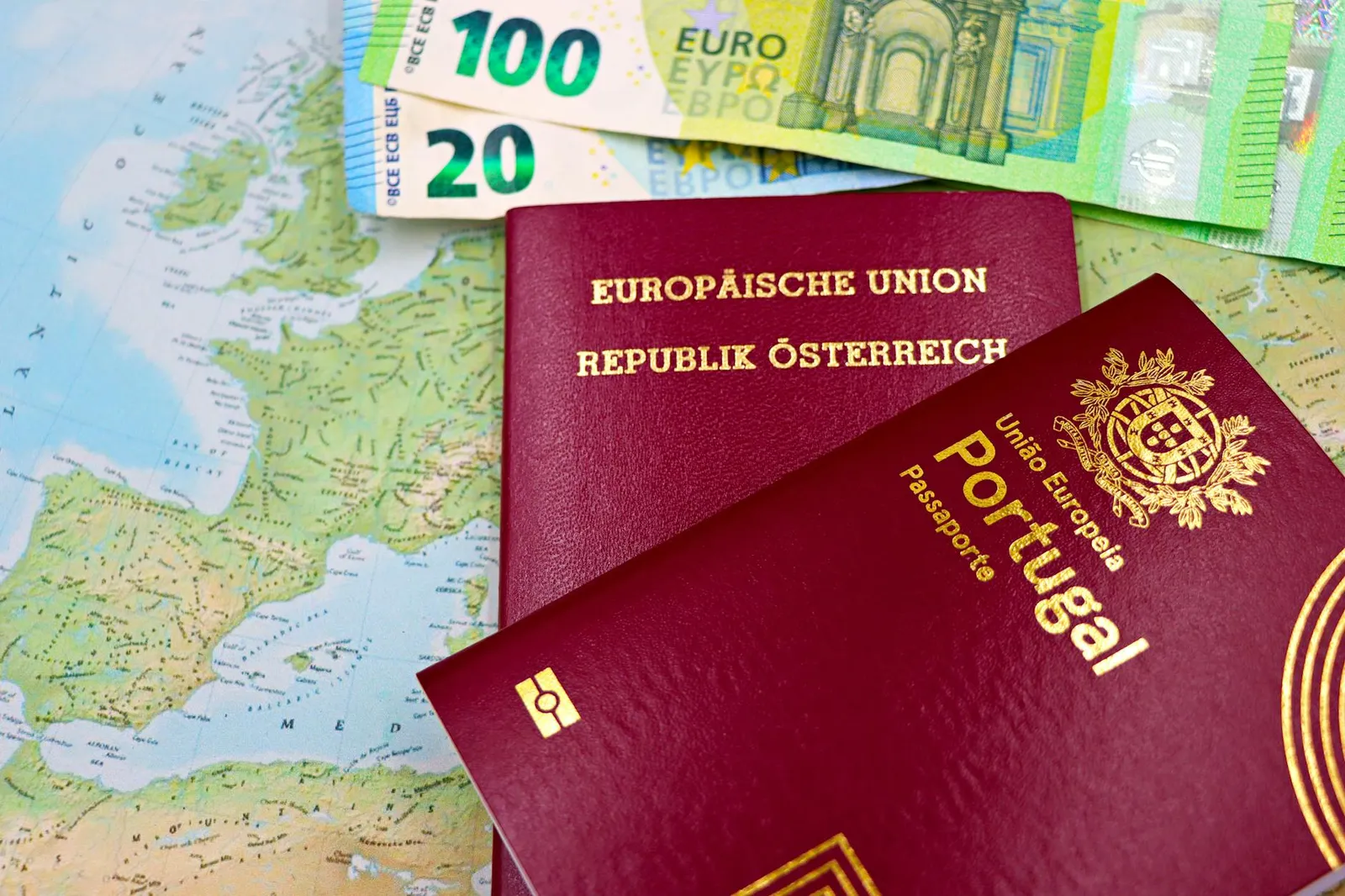
How to Open an Account Abroad - A Comprehensive Guide for Expats
Opening a bank account abroad is an incredible opportunity for expats, including students and professionals. This process is essential for managing your finances effectively while living or working in a foreign nation. Understanding the requirements and costs involved can help applicants ensure a smooth transition. There are various types of accounts available, and selecting the right one requires diligence and proper research.
See also: Step-by-Step Guide.
In this guide, we will detail the necessary documentation, fees, and services that may be required to set up your account. Typically, banks will request proof of identity and residency, which might include a photo ID, bills, or property documents. Additionally, knowing about potential perks such as credit cards, easy withdrawals, and international payments will help you make an informed decision. Some banks even provide accounts that allow you to easily access your funds from anywhere, making travel much more convenient.
Moreover, it’s important to have a clear view of the time it takes to open an account and the various correspondence required throughout this process. With the right information, you can get started in a matter of minutes, ensuring that your finances are in order before you move. Whether you are relocating for work or study, this guide is designed to provide you with the necessary advice and steps to help you navigate your journey with confidence.
Necessary Documents for Opening a Foreign Bank Account
See also: Essential Guide for French Expats.
See also: How to Open a Bank Account for a Foreign Company in Russia.
When considering how to open an account abroad, it is essential to gather the necessary documentation required by the bank. Each financial institution may have its own set of requirements, but some common documents are typically needed to ensure a seamless process for applicants. Always remember to review the specific requirements of the bank you plan to use, as this will help facilitate the account opening.
One of the initial documents you will need is a valid passport. This serves as a primary form of identification and assures the bank of your identity. In some cases, a local or resident identity card may also be required for verification purposes. Be prepared to provide a recent photograph in line with the bank’s specifications.
Additionally, banks often require proof of address, which can include a utility bill or a lease agreement. This documentation serves to confirm your current residence. Ensure that the document includes your name and a date not exceeding three months to comply with the bank's requirements.
For students or those in employment overseas, providing a letter from your educational institution or employer can be essential. This letter must outline your status and support your application for opening an account, especially if you are a student managing funds in a foreign country.
Another common requirement is the IBAN (International Bank Account Number) for transferring funds. If you wish to manage money from abroad, you might need to provide your existing IBAN from your home country, which helps in establishing financial ties and facilitates international transactions.
It is also vital to prepare any relevant financial documentation to support your application. This documentation can include proof of income or bank statements to show your financial standing. Depending on the bank's requirements, applicants may also need to submit a tax identification number or any relevant financial records requested by the local authority.
Finally, remember that certain banks like HSBC offer specific options for expatriates, so it is a good idea to refer to their guidelines on the required documentation. Understanding these needs will not only help simplify the process but will also position you well for enjoying all the banking services available in your new location. Always double-check that you have everything documented before visiting the branch to avoid any unnecessary delays or costs.
Identification: What Types of ID Are Acceptable?
When opening an account abroad, understanding the accepted types of identification is crucial. Typically, banks and financial institutions require a mixture of primary and supporting documents to ensure compliance with legal and regulatory standards. The most commonly accepted forms of identification include a valid passport, national ID card, and in some cases, a driver’s license. It's advisable to review the specific requirements of your chosen bank or service provider since acceptance can vary significantly between different countries and local branches.
Most banks will also request additional documentation to support your application. This may include proof of address such as a recent utility bill or a lease agreement, along with financial documents that demonstrate your ability to fund the account. Customers moving abroad should prepare these documents in advance, as the review process could take several days or even months, depending on the institution’s policies. Generally, having everything organized before visiting the bank can expedite the account opening process.
While the requirements can be stringent, the incredible financial opportunities that come with having an account abroad are worth the effort. Consult with local financial consultants if you need guidance on which applications and supporting documents to gather. Remember, the period of validity for IDs can differ, so ensure that your identification is current upon submission. This general guide should provide the necessary information for a successful account opening, allowing you to enjoy life abroad with ease.
Proof of Address: How to Validate Your Residence

To open a bank account abroad, expats must provide various documents to satisfy the financial institution’s requirements. One crucial document is proof of address, which serves as evidence of your residence for the bank. Authorities typically request this during the onboarding process to verify your identity and ensure a seamless experience. It is important to have recent documents ready that match the details on your application, as discrepancies may lead to delays or denial of services.
Common forms of proof of address include utility bills, lease agreements, or any official correspondence that includes your name and current address. These documents should be dated within the last three months to ensure they are considered valid. Some banks, like HSBC, may have specific needs for documents and request additional items, such as a letter from a local authority or an official government permit. It is always beneficial to check with your chosen bank to determine the exact requirements they have for verifying your residence.
| Document Type | Description | Validity Period |
|---|---|---|
| Utility Bill | A bill from a utility provider, showing your name and address. | Recent (within 3 months) |
| Lease Agreement | A signed contract with your landlord, detailing your residency. | Valid for duration of lease |
| Official Correspondence | Letters from government or financial institutions addressed to you. | Recent (within 3 months) |
Each bank may have unique processes for verifying your address, but generally, they prioritize an efficient approach. After submitting your documents online or in-person, funds may be available for you to manage, depending on the institution's policies. It’s always wise to keep in regular contact with a customer advisor during this process. They can help you with any outstanding questions and ensure that the onboarding is successful without unnecessary fees or debts holding you back. Prepare all required documents carefully, and you’ll be one step closer to opening your international account!
Tax Identification: Do You Need a Foreign Tax ID?
When moving abroad, one of the essential steps involves understanding tax regulations in your new country. A foreign tax identification number (TIN) may be necessary for various reasons, including banking, employment, and property transactions. Establishing this identification early on can enhance your experience as an expat.
Foreign banks typically require a tax ID to activate your account. This is particularly true for international transactions, as they need to comply with both local and global regulations. Failing to provide a TIN can limit your ability to make payments, withdraw funds, or fund your account efficiently. Confirming the necessity of a TIN with your bank can save you from future complications.
In many cases, they will also want to see evidence of your residency, such as a registration document or a local bill in your name. This requirement acts as an additional verification measure. The local bank team may guide you on specific documents needed to facilitate the application process.
- Employment: Some companies require a TIN for payroll purposes.
- Transactions: For large transactions, many banks might require this identification.
- Taxes: A TIN allows you to comply with the local tax obligations established by the government.
While not all expat situations will necessitate a foreign tax ID, securing one can be a wise choice. For example, if you plan to open a local account for your scholarship funds or undertaking property investments, having a TIN may be crucial. This identification can also assist in making your international financial dealings smoother.
As you navigate this process, keep in mind that the procedures may vary by country. It's wise to research the specific requirements of your new location. This research will prepare you for how to efficiently apply for a TIN, ensuring that you meet local obligations from the outset.
In conclusion, having a foreign tax identification number is not just a bureaucratic hurdle; it can provide numerous perks as you settle into your new environment. Be proactive in gathering the necessary documents, and don't hesitate to reach out to local financial institutions or services for assistance. Enjoy your international journey while keeping your financial matters in order.
Additional Documentation: What Else Might Be Required?
When opening an account abroad, it's essential to be aware that banks may require additional documentation beyond just your basic identity proof. This additional paperwork is crucial to ensure a seamless account-opening process. Depending on the country you are in and the bank you choose, you might need to provide a certificate of your current residence or employment.
In many cases, expats will be asked to show a document confirming their reason for being in the country. For students, this might mean providing a letter from a university or an agency that confirms their enrollment. Such documents help banks verify your purpose for opening the account, especially if you are studying abroad.
Another important piece of documentation often linked to account opening is proof of funds. This could take the form of bank statements showcasing your transactions from the previous months or details about any property ownership. Funds must be confirmed to activate your new account, ensuring that the bank knows you will have sufficient means to maintain it.
Moreover, some banks have strict acceptance guidelines and may request a recent utility bill or rental agreement showing your current living situation. These documents serve the dual purpose of verifying your identity and confirming your address. The importance of this cannot be overstated, as it helps maintain compliance with local regulations.
It is worth noting that in certain countries, nationals might have additional perks when opening accounts. For instance, Maltese banks may provide benefits for local citizens or residents that aren't available to non-nationals. If you find yourself in such a situation, visiting a bank's website can provide more insights into your eligibility and the specifics involved.
Additionally, during your appointment with the bank, it is advisable to keep all vital documents organized. The process can often be completed within 30 minutes, but any missing documentation can extend your time waiting. Ensuring that you have everything can lead to a quicker resolution and a smoother banking experience.
In conclusion, while studying or living abroad, you should start gathering these necessary documents well in advance of your appointment. Being proactive can greatly simplify the account-opening journey. Always double-check with your chosen bank to confirm which documents are required, as requirements can vary widely.
Having the right documentation not only facilitates the account opening but also paves the way for effective money management during your life abroad. Whether for everyday transactions or managing larger sums related to studies or property, having an established banking relationship is fundamental.
Ready to set up your Cyprus company?
Our specialists guide you through the entire process — registration, tax setup, and bank account opening.
Request a consultation →