

How Tokenization Can Help - Unlocking Benefits for Businesses and Security
In today's rapidly evolving financial landscape, businesses are increasingly looking for ways to enhance efficiency and security in their transactions. Tokenization offers a powerful solution, providing insights into how organizations can manage their processes with greater accuracy and flexibility. As global markets expand and regions vary in their approach to traditional investment methods, the expectation for a more effective and streamlined system has never been higher. Organizations that think outside the box are exploring the benefits of tokenizing assets, thereby unlocking new levels of equity and liquidity for their transactions.
See also: Unlocking Success.
Tokenization allows for the digitization of securities, enabling faster and more efficient settlement processes. This shift not only democratizes access to investment opportunities but also addresses significant hurdles that have historically plagued manual processes. With tokenized assets, information can be transferred securely and quickly, offering better alignment between parties involved in trades. Whether it's stablecoins or other digital representations, the technology facilitates real-time transactions that can enhance overall business operations.
For investors and institutions alike, adopting tokenization means meeting the demands of a future that prioritizes innovation. By leveraging this advanced technology, businesses can improve their operational workflows, ensuring that their investment strategies are not only professional but also capable of adapting to the ever-changing market dynamics. These transformative solutions pave the way for enhanced services, ultimately leading to a more robust and transparent financial ecosystem.
Understanding Tokenization and Its Applications
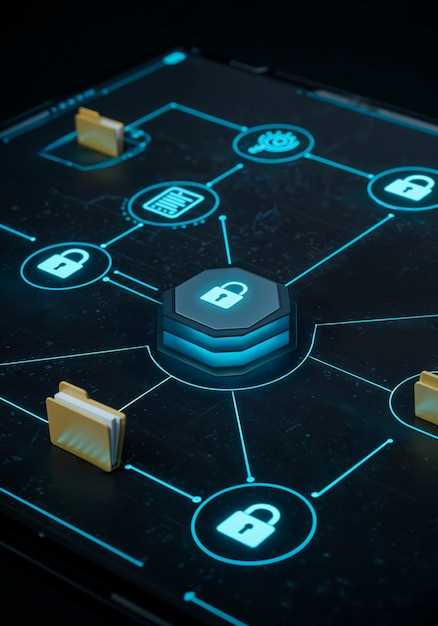
Tokenization is a process that converts sensitive data into unique tokens that can be securely transferred and managed. This method significantly enhances security by reducing the amount of sensitive information that institutions need to handle. According to recent projections, the tokenization market is expected to expand rapidly, driven by a high demand for secure transaction frameworks and innovative financial solutions.
In the financial sector, tokenization enables the creation of blockchain-based assets, including stablecoins and yield-bearing products. These digital representations of value can be easily transferred and managed, offering a high degree of flexibility for both consumers and institutions. Managers can utilize tokenized assets to diversify their portfolios while minimizing risk exposure, since tokenization allows for efficient tracking and accounting of shares and other equity.
Furthermore, tokenization helps improve compliance with AML/KYC regulations, as it allows for controlled access to sensitive information. Institutions can share only the necessary data with relevant parties, reducing the likelihood of data breaches. This approach greatly enhances the overall security narrative within a company, as it lessens the burden of managing vast amounts of sensitive information.
The applications of tokenization are not limited to finance; they extend into various industries related to the supply chain. For instance, products can be tracked more effectively as they move from origin to consumer. By employing oracles, businesses can ensure that the information being transferred is accurate and verified, thus reinforcing trust within the supply chain.
Moreover, tokenization frameworks allow institutions to take strategic steps toward modern asset management. With specific guidelines and structures in place, businesses can implement tokenized projects that accelerate innovation and operational efficiency. The flexibility of tokenization means that solutions can vary, catering to the unique needs of a broad range of stakeholders.
As tokenization continues to evolve, it empowers organizations by simplifying complex processes and enhancing the accessibility of financial services. Those who adopt this technology stand to benefit significantly from reduced costs and increased speed in transaction processing. In essence, tokenization is positioning itself as a powerhouse in transforming the way businesses and financial institutions operate.
In summary, understanding tokenization and its applications is crucial for businesses seeking to thrive in a rapidly changing financial landscape. By leveraging the power of this technology, institutions can not only protect sensitive information but also unlock new opportunities for growth and efficiency in managing their assets and operations.
What is Tokenization in the Digital Landscape?

Tokenization is a transformative process that converts various types of assets or funds into digital tokens on a blockchain. This innovation enables the creation of a digital representation of real-world assets, such as real estate, stocks, or even personal items. The goal is to build a framework that allows for seamless transactions while maintaining security and transparency. As assets are recorded on the chain, they can be quickly transferred between parties, creating instant liquidity and accessibility that has the potential to democratize investment opportunities.
In the past year, tokenization has gained significant traction, driven by the need for efficiency in financial markets. Investors are increasingly interested in yield-bearing products that allow for the custody of digital assets while integrating with existing financial systems. This push for innovation is not just about technology; it involves addressing the requirements of both individual and institutional investors. As many individuals become more aware of the advantages, tokenization can take the focus beyond traditional assets, allowing for a wider range of products that cater to diverse investor interests.
By eliminating intermediary processes, tokenization can accelerate transactions and reduce costs associated with traditional financial instruments. The narrative surrounding its benefits emphasizes the significant returns that can be achieved through instant access to various markets. Furthermore, the transparent nature of blockchain technology enables accurate reporting and accounting frameworks that enhance trust among participants. This integration not only diversifies investment offerings but also encourages a culture of accountability and compliance.
As the digital landscape continues to evolve, the potential for tokenization expands further, promising a future where assets are more liquid and accessible than ever before. Parties involved in various sectors are beginning to realize that there is more to gain beyond merely adopting this technology; it’s about reshaping how investments are made and managed. By embracing tokenization, businesses can not only keep pace with rapidly changing market conditions but also position themselves to capitalize on emerging opportunities in an increasingly interconnected world.
Industries Adopting Tokenization Today
In today's rapidly evolving business landscape, several industries are recognizing the transformative potential of tokenization. Companies think critically about how to integrate this technology into their operations to achieve better efficiency and security. By becoming early adopters, these organizations not only streamline their processes but also create a more transparent environment for transactions.
Finance is one of the foremost sectors embracing tokenization. Financial advisers and institutions are moving towards blockchain-based solutions to enhance the security of transactions and reduce the manual handling of data. This technology allows for the tokenization of securities, transforming physical shares into digital units that can be easily transferred, thereby simplifying investor onboarding and enhancing compliance with AML/KYC regulations.
Real estate is another industry where tokenization is making waves. By tokenizing assets, property developers and investors can provide a transparent mechanism for selling shares in their portfolio. This results in a more liquid market, enabling smaller investors to participate in the real estate market, which was previously limited to high net-worth individuals. The immediate benefits are evident in the increased accessibility and reduced barriers to entry for investors.
In the supply chain sector, companies are taking advantage of blockchain technology to improve transparency and reduce fraud. By tokenizing goods, organizations can facilitate traceability from production to sale. This clear transfer of ownership helps in minimizing challenges related to product authenticity and safety, ensuring that all parties involved can verify the legitimacy of the goods they are dealing with.
The entertainment industry is also getting on board, particularly with the rise of tokenized assets in music and art. Artists can tokenize their work, providing an invitation for fans to invest in their future success while ensuring fair revenue distribution through smart contracts. This alignment of interests between creators and consumers enables a more equitable business model.
With the current rising interest in tokenization, many companies are exploring alternatives to traditional fundraising through Initial Coin Offerings (ICOs) and Security Token Offerings (STOs). Businesses can efficiently raise capital using tokenized units, offering investors yield-bearing opportunities while minimizing the legal complexities associated with these transactions.
In conclusion, the adoption of tokenization across various industries is accelerating, driven by the need for enhanced security, transparency, and efficiency. As businesses continue to recognize the benefits of tokenization, we can expect to see further innovations that leverage this technology to overcome existing challenges and create new opportunities for growth.
Tokenization vs. Traditional Encryption: Key Differences
Tokenization and traditional encryption serve as essential processes in the realm of data security. While both aim to protect sensitive information, they differ significantly in their approaches. Tokenization replaces sensitive data with unique identifiers called tokens, which hold no intrinsic value outside their respective databases. This method reduces risks associated with data breaches, as the actual data is stored securely, away from the operational environment.
On the other hand, traditional encryption works by transforming data into an unreadable format using algorithms. The encrypted information requires a decryption key to access the original data, which can still be vulnerable to various attacks if the key is compromised. In this context, tokenization is often viewed as a more efficient and risk-averse solution for businesses looking to secure client information while minimizing operational complexities.
One key difference lies in the need for manual processes. With traditional encryption, organizations typically need to integrate complex systems to manage keys, while tokenization allows for a more streamlined experience. Tokens can be generated and transferred instantly, allowing for real-time interactions without exposing sensitive data. This efficiency can drastically reduce costs associated with data storage and management.
| Feature | Tokenization | Traditional Encryption |
|---|---|---|
| Data Security | Replaces data with tokens | Transforms data to encrypted format |
| Operational Complexity | Less manual intervention | Higher complexity with key management |
| Risk of Data Breach | Lower risk; no sensitive data stored | Higher risk if encryption keys are compromised |
| Timing | Instant data access | Time-consuming decryption process |
Clients in various industries are increasingly experiencing the benefits of adopting tokenization as a means to secure their data. Many businesses believe that tokenization aligns better with their risk management strategies. This adoption often comes with the expectation of improved efficiencies and reduced operational costs, making it an attractive option for those looking to protect client information.
Furthermore, integrating tokenization in blockchain-based solutions can lead to enhanced security and recordkeeping capabilities. By utilizing on-chain processes, businesses can ensure that their data remains immutable and verifiable, creating trust among all parties involved. This integration is particularly crucial for sectors like AML/KYC, where compliance and security are paramount.
In conclusion, while both tokenization and traditional encryption provide necessary security measures, their fundamental differences make tokenization a compelling choice for organizations striving to manage risk and increase efficiency. As the landscape of data security continues to evolve, embracing tokenization may offer businesses a better path to safeguarding their valuable information.
Ready to set up your Cyprus company?
Our specialists guide you through the entire process — registration, tax setup, and bank account opening.
Request a consultation →