

Invest in Cryptocurrencies - A Comprehensive Guide to Maximizing Your Returns
The world of cryptocurrencies is vast, with a multitude of options available to investors looking to maximize their returns. This article aims to provide a comprehensive guide that empowers you to navigate this challenging terrain effectively. In an era where traditional financial systems are increasingly questioned, blockchain-based technologies emerge as a viable alternative, allowing individuals to transact in a more decentralized manner while avoiding some of the pitfalls and manipulation associated with conventional markets.
As inflation rates continue to rise in various countries, the allure of cryptocurrencies becomes even more pronounced. Indeed, the nature of these digital assets often enables them to serve as a hedge against economic instability. You've likely noticed the ongoing innovation within this sector, with enterprises and corporations now focused on integrating cryptocurrencies into their business models. This article will delve into the principles of investing in cryptocurrencies like Bitcoin and Ether, as well as the factors that could influence your investment decisions.
Additionally, understanding the system surrounding cryptocurrencies is crucial for anyone interested in maximizing their returns. The implementation of secure and anonymous platforms supports the transfer of assets without the usual intermediary processes, and the rapid advancement of technology allows for new features to emerge constantly. As you dive into the world of digital currencies, this comprehensive guide will address key activities and strategies to help you avoid the pitfalls of market blindness, learn about potential loans against crypto assets, and request the services that can support your investment journey.
Moreover, we will explore how understanding the supply dynamics and the forces that affect price cycles can significantly impact your investment decisions. By following our recommendations, you will be able to create a robust strategy that minimizes risks while capitalizing on the opportunities presented by this avalanche of digital assets. So, whether you are just starting or looking to refine your existing strategy, this guide provides a whole new perspective on investing in cryptocurrencies.
Understanding the Cryptocurrency Market
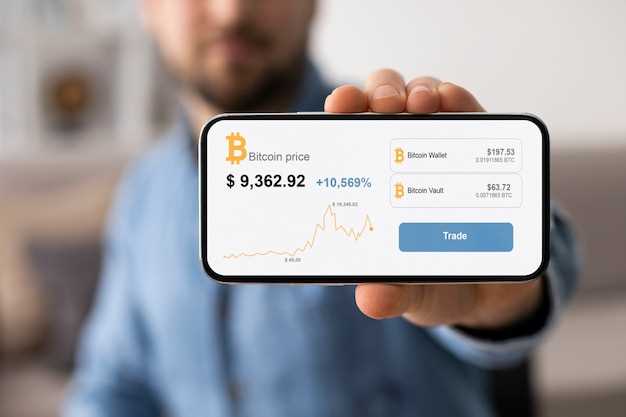
The cryptocurrency market has undergone significant changes since its inception, becoming a central hub for a multitude of innovative financial technologies. Initially, Bitcoin was the only coin making headlines, but now, with advancements in blockchain technology, numerous tokens such as Ethereum and Tether have emerged, each with distinct functionalities and use cases. This evolving landscape offers not only exciting investment opportunities but also requires a thorough understanding of the underlying systems and market dynamics.
Experienced investors know that the journey into cryptocurrency trading can be tumultuous. The market's volatility can lead to dramatic price swings, presenting both risks and rewards. Therefore, it's critical to approach investments with a well-thought-out strategy. One way to optimize costs and manage risk is to utilize exchange-traded funds (ETFs) or UCITS that focus on cryptocurrencies. These financial instruments can provide an efficient path for those who are just starting to explore the digital asset space.
Another essential aspect of the cryptocurrency market is the nature of transactions. Unlike traditional banking systems, transactions within blockchain networks are processed using decentralized protocols, enhancing security and transparency. This decentralized nature has also led to concerns about criminal activities, which regulators are continuously working to address. Understanding these controls and regulations is necessary to ensure eligibility and compliance when engaging in crypto-related activities.
Adapting to the cryptocurrency landscape involves continuous learning. As we’ve seen, the hype surrounding certain coins can quickly lead to bubbles, making it crucial to differentiate between legitimate projects and those that would’ve quickly fallen by the wayside. Researching tokens and their offerings, alongside analyzing market vectors, can inform better decision-making, mitigating the impact of emotion-driven trading.
Furthermore, the role of technology in the cryptocurrency arena cannot be overstated. The function of computers in maintaining blockchain integrity and enabling tokenization represents a significant evolution in financial processes. With innovative projects being developed daily, those looking to invest must stay updated on the latest trends and technological advancements that can affect market movements and recovery patterns.
In conclusion, the cryptocurrency market presents both complexities and opportunities that are unlike any seen in traditional finance. By focusing on establishing a solid understanding of market mechanics, remaining aware of advancements, and making informed decisions, investors can maximize their returns while navigating this dynamic field. Whether you're thinking about entering the market or you’re a seasoned trader, the key is to stay open to continuous growth and adaptation.
What Drives Cryptocurrency Prices?
Cryptocurrency prices are primarily influenced by a combination of factors that exist within the decentralized financial ecosystem. Unlike traditional stock markets, where price movements are often driven by company performance and external economic conditions, the value of cryptocurrencies originates from various intrinsic attributes. This includes technology innovations, market demand, and investor sentiment, all of which help build a dynamic environment for price changes.
One of the key aspects driving prices is the concentration of cryptocurrency assets among a select group of holders. When these early adopters or innovators decide to sell or hold their assets, it can significantly impact supply and demand dynamics. In many instances, large holders can effectively manipulate prices through their buying and selling activities, which contributes to the price volatility commonly associated with this market.
Market conditions also play a critical role. Factors such as regulatory changes in different countries can affect how accessible cryptocurrencies are to the general public. For example, when favorable regulations are introduced, investing in digital assets may become easier, attracting more buyers and driving prices upwards. Conversely, stringent regulations can have an opposite effect, causing prices to plummet as investors opt to withdraw their capital.
- Technological Developments: New advancements such as improved security or innovative features can enhance a cryptocurrency's functionality.
- Market Sentiment: Public perception, often shaped by media coverage and social media trends, can lead to emotional trading.
- Economic Indicators: Broader economic conditions, such as inflation or the performance of traditional banks, can indirectly influence cryptocurrency attractiveness.
Additionally, external events such as high-profile hacks or technological impairments can lead to significant adjustments in pricing. If an unexpected incident occurs, it may create a 'blinking' red alarm for traders, prompting immediate action that affects price levels. These adjustments can be sharp and only reinforce the volatile nature of the crypto market.
In summary, understanding what drives cryptocurrency prices requires considering a multitude of factors. Innovations in technology, market behaviors, and external conditions all play integral roles in shaping the landscape. Investors should approach the market wisely, building a robust risk map to avoid potential pitfalls while enjoying the benefits that come with this innovative form of asset investment.
Key Terminology Every Investor Should Know

Understanding key terminology is essential for any investor looking to navigate the cryptocurrency landscape effectively. Terms such as "blockchain," which represents the underlying technology that supports most cryptocurrencies, provide a framework for how data is recorded and transactions are executed securely. This decentralized ledger has created an environment where trust is inherently built into the system, eliminating the need for centralized authorities. Investors should be aware of how various cryptocurrencies, including bitcoins and ether, leverage this technology to facilitate their functions.
Another vital term is "cryptocurrency exchanges," where you can buy, sell, and trade various digital assets. These platforms serve as intermediaries, connecting buyers and sellers across different countries and providing them with the ability to execute trades at current market prices. Understanding how these exchanges operate, their fee structures, and security measures is crucial for ensuring the safe management of your assets. A favorable posture toward choosing a reputable exchange can significantly minimize risks and increase potential returns.
| Term | Description |
|---|---|
| Price | The current market value at which a cryptocurrency can be bought or sold. |
| Reimbursement | The return or refund of funds in the event of transaction disputes. |
| Governance | How decisions are made regarding the management and development of a blockchain. |
| Post-Trade Service | Functions that occur after a trade, including settlement and reporting. |
Investors also need to understand the concept of “shares” within cryptocurrency projects, particularly those that are tokenized. Token issuance may allow individuals to invest in a new product or idea while having a share in its future profits or governance decisions. This can bring about potential for large returns, but also carries the risk of investing in projects that may not mature as intended. Conducting thorough investigations into the issuers and the purpose of the coin can mitigate the risk associated with token investments.
Lastly, be aware of "centralized vs. decentralized" systems. Centralized platforms have a single authority maintaining control, while decentralized platforms distribute this power among all users. This has implications for security and user trust. As cryptocurrencies continue to evolve, the balance between these types of governance will shape how cryptocurrencies are perceived and adopted in the market. Engaging with these concepts and continuously increasing your knowledge will empower you to tailor your investment strategy effectively.
Types of Cryptocurrencies: Which One to Choose?
When diving into the world of cryptocurrencies, it's crucial to think about the various types available, each with its distinct purpose and functionality. The landscape is dominated by well-known titles like Bitcoin and Ethereum, but there’s more to explore. These cryptocurrencies are designed to serve different needs–Bitcoin acts as a digital currency, while Ethereum provides a platform for decentralized applications. Each category can significantly impact your investment strategy, so it's essential to conduct thorough research before making any commitments.
Stablecoins, such as Tether, are gaining popularity due to their ability to mute the volatility of traditional cryptocurrencies. They are pegged to stable assets, making them ideal for those who want to hold value without enduring drastic market changes. This structure can be especially appealing to someone mindful of market saturation and seeking a safe haven during bearish cycles. On the other hand, newer tokens and altcoins are designed to offer innovative solutions or engage specific sectors, which can lead to significant returns if the project develops successfully.
Decentralized finance (DeFi) has opened the door to numerous opportunities, enabling users to earn interest or provide liquidity through various platforms. Companies in this space are innovating quickly, which means you should stay alert to the many changing profiles and offerings. Some tokens are designed with unique functionalities that distinguish them from traditional assets, allowing you to hold and trade with more flexibility. Keep in mind that these platforms can be subject to hacks, so choose wisely and consider the security measures they’ve implemented.
Ultimately, the choice of which cryptocurrency to invest in should align with your financial goals and risk tolerance. While the potential for high returns can be enticing, remember to bear in mind the ever-changing nature of the market. Conducting thorough due diligence and staying informed about developments, such as those from major companies like VanEck, can help you make informed decisions. By choosing the right tokens, you can navigate this borderless financial landscape and maximize your chances of success.
Ready to set up your Cyprus company?
Our specialists guide you through the entire process — registration, tax setup, and bank account opening.
Request a consultation →