

Map Kalloni-inspired treatments toward tangible spa rituals and guest journeys
Launch a 90-minute Kalloni-inspired ritual as the signature welcome treatment, melding a sea-salt scrub, olive-leaf oil massage, thyme-infused steam, and a mineral soak to anchor every guest interaction.
Design a four-act flow: arrival greeting and locker onboarding, treatment prep with aroma selection, the ritual itself, and post-treatment re-settling. Use a light scent of thyme and sea breeze, plus a pre-treatment alignment questionnaire to tailor aromatics: sea-breeze, citrus, or herb-forward notes.
Ingredient framework: sea salt from Kalloni flats; extra-virgin olive oil pressed within 25 kilometers; thyme and oregano harvested at dawn; natural aloe or honey-based hydrating wrap as optional finishing touch. For the scrub, use 150–180 g of salt and 30–40 ml oil per guest, heated to 35–37°C before application.
Ritual timing: 15 minutes salt scrub, 40 minutes massage with light lymphatic strokes, 15 minutes steam inhalation using a towel cover and essential blend, 20 minutes mineral soak with sea minerals and herb extract. The total duration is 90 minutes per guest; each stage uses a labeled station to avoid cross-contamination and speed up turnover by 8–10 minutes per room when staff are trained.
Guest experience design: offer three aroma profiles and a short confirm-box on booking; diffuser settings at 2–3% concentration; room climate kept at 22–24°C with 50–60% humidity; use a warm towel wrap and a reusable spa sachet to signal transition between steps.
Data plan and iteration: capture guest sentiment immediately after rinse with a 5-question form; target NPS above 70 and a repeat booking rate of 25–30% within 60 days. Track product usage: average scrub granule size 2–3 mm, salt mass 150–180 g, oil 30–40 ml per treatment, and diffuser oil blend 1–2 ml per room per hour. Review recipes quarterly with local suppliers and adapt to seasonal thyme, citrus, or lavender variants to maintain freshness.
Rollout and team readiness: run an eight-week pilot with 40 guests, then scale to two rooms per shift. Provide a two-hour hands-on workshop covering local sourcing, hygiene, and scripting the ritual dialogue; build standard operating procedures and a one-page quick-reference card for each station. Price the ritual at a mid-range bracket that reflects the premium olive-oil and herb components, and monitor guest feedback to fine-tune both aroma and massage pressure settings.
Translate leadership vision into operational guest-experience standards plus training
Implement a 90-day rollout: define four guest-path standards and a six-module training program, each tied to two measurable metrics per week.
From Vision to Operational Standards
Convert the leadership vision into four concrete guest-path standards anchored in Kalloni-inspired spa rituals: Warm Welcome, Ritual Timing, Sensory Environment, and Post-Treatment Connection. Each standard includes precise actions, hold points, and clear metrics. Warm Welcome: greet within 60 seconds of arrival, address the guest by name, confirm preferences with a three-question script, offer a signature spa tea, and guide to the first touchpoint. Ritual Timing: maintain a predictable rhythm across the session with four blocks: intake (5 minutes), ritual core (20-25 minutes), hydration break (5-10 minutes), wrap-up (5 minutes). Sensory Environment: set lighting around 300-350 lux, keep ambient sound at a low level, maintain room temperature at 22 C, rotate one of four approved aromas per season, and run a 60-second pre-session prep checklist. Post-Treatment Connection: deliver a 90-second recap of performed steps, share personalized aftercare tips, and schedule a follow-up touchpoint within 24 hours.
Training Design and Metrics
Design a six-module program delivered over eight weeks, with live practice, checklist use, and scorecards. Module content links each action to the brand vision and the four standards; module 2 covers guest-path step sequencing; module 3 trains ritual execution on the signature treatments; module 4 hones language, tone, and recovery techniques; module 5 guides environment, scent, and sound control; module 6 reinforces quality checks and audits. Assessment includes role-play sessions, on-floor coaching, and quarterly audits. Target outcomes: role-play pass rate 92%, on-floor adherence 95% across rooms, audit scores 93%+, and guest feedback improves by a double-digit point swing within three months.
Onboarding Parklane as The Luxury Collection: crucial milestones for Limassol launch
Appoint a dedicated Integration Lead within 5 days to own the Limassol launch and lock a 90-day action plan with three executive reviews, aligning branding, asset development, and guest services across departments. Establish a cross-functional task force (Operations, F&B, Spa, Engineering, Sales, Revenue) with explicit owners and 60-minute weekly check-ins to maintain momentum.
Operational milestones
Within days 5–14: confirm lead; day 14: sign Brand Alignment Memo; day 28: finalize FF&E procurement contracts; day 45: approve design packages for guestrooms, suites, spa, and dining; day 60: publish staff training blueprint (200 hours total per property, 40 frontline staff per module, 6 modules); day 75: complete 60% fit-out; day 90: verify readiness, test service scripts, ensure stock levels; day 105: run internal service drills with 40 staff; day 120: align soft opening readiness; day 150: execute grand opening with 350 VIP guests and media invitations. All steps ensure Parklane meets The Luxury Collection standards and delivers a consistent guest experience.
Go-to-market milestones
Marketing assets delivered within 6 weeks: photography, copy, hotel webpage, and social kits; distribute across The Luxury Collection network and Parklane channels; target loyalty-program enrollment of 65% for booked guests; complete PR plan with 3 press releases and 2 influencer events; soft opening targets: occupancy 50–60%, ADR €480–€520, RevPAR €240–€312; grand opening targets: occupancy 70–75%, ADR €520–€560, RevPAR €364–€420; implement daily guest feedback loops and a weekly KPI dashboard tracking revenue, occupancy, ADR, and NPS target >65.
Setting up a Room Pool API: data flow, availability checks, plus booking integration
See also: Roni Aloni GrandResort Enters Fattal Leonardo Hotels' Limited....
Design the API around a single source of truth: a central Room Pool ledger that tracks per-room status, holds, rate plans, and linked spa packages. Bind room availability to ritual windows to reflect wellness programs, quiet hours, and pool access slots. Keep data lightweight on responses and push updates to downstream services like housekeeping, spa calendars, and front-desk systems.
Define a clear data flow: client request goes through an API gateway to the inventory and availability services, then to the hold layer, and finally to the booking service. Each step updates a durable store and emits events to synchronize housekeeping, billing, and spa scheduling. Use idempotent operations for creates and updates to prevent duplicates across retry scenarios.
Availability checks refresh from a per-date inventory, not a cached snapshot, and return only rooms that match requested type and rate code. If a room is shown as available, allocate a short-lived hold to reserve it while the guest completes payment. Expose a concise response with roomId, type, price, and the hold expiry timestamp to drive the guest experience without delay.
Booking integration links the hold to a confirmed booking once payment succeeds. Move the hold to a booking record, attach guest and spa package data, and update the pool ledger to mark the room as occupied for the stay window. Notify housekeeping and pool staff to align cleaning cycles and ritual slots with the booking dates, ensuring a smooth guest experience.
Data flow and safeguards
Use an event-driven pattern: on availability, emit AvailabilityUpdated events; on hold creation, emit HoldPlaced; on booking, emit BookingConfirmed. Store a per-room, per-date state with fields like status (available, held, booked), holdId, bookingId, rateCode, and spaCode. Implement per-date locks or optimistic concurrency to avoid double allocation across parallel requests.
Set TTLs for holds (e.g., 15 minutes) and tie expiry to the date range. If the guest does not complete payment before expiry, release the hold automatically and re-appear in availability checks. Maintain an audit trail for changes to support reconciliation with housekeeping logs and spa calendars.
| Endpoint | Method | Purpose | Example response / payload |
|---|---|---|---|
| /rooms/availability?start=2025-09-10&end=2025-09-12&type=Deluxe | GET | Return rooms matching criteria with price and availability | 200 with {"rooms":[{"id":"R101","type":"Deluxe","available":true,"price":180}]} |
| /holds | POST | Place a provisional hold on a room for the requested dates | 201 with {"holdId":"H123","roomId":"R101","start":"2025-09-10","end":"2025-09-12","expiresAt":"2025-09-10T15:00:00Z"} |
| /bookings | POST | Convert a hold into a confirmed booking after payment | 201 with {"bookingId":"B456","status":"confirmed","roomId":"R101","start":"2025-09-10","end":"2025-09-12","price":360,"spaCode":"SP-Detox"} |
| /bookings/{id} | GET | Retrieve booking details and tied room, spa, and housekeeping data | 200 with {"bookingId":"B456","status":"confirmed","rooms":[{"id":"R101","start":"2025-09-10","end":"2025-09-12"}],"guest":{"name":"Guest Name"},"spaCode":"SP-Detox"} |
Availability checks and booking integration tips
Keep the availability view lean: deliver only necessary fields (roomId, type, price, available, expiresAt) to speed up guest flows. Use a rate-code mapping to expose spa-package alignments and ensure that festive or wellness days show premium rates only when the ritual calendar allows pool access.
Make holds visible but non-intrusive to downstream systems: housekeeping and spa can read hold state to plan arrivals and ritual slots without breaking the inventory consistency. When a booking is confirmed, push a single, immutable event to the ledger and migrate all related state in a single transaction scope to minimize partial updates.
Positioning Cyprus debut: messaging, partnerships, plus market targeting for Parklane
Launch Cyprus debut with a unified messaging frame, a curated slate of local partners, and a targeted, multi-channel media plan to attract high-intent guests and secure direct bookings from the start.
Messaging framework and brand positioning
Parklane reads as a coastal luxury retreat where Cypriot warmth meets modern wellness craft, delivering a balanced guest experience by the sea.
- Brand promise: "Coastal luxury. Local wellness." that can anchor site copy, press stories, and on-site messaging.
- Experience pillars: sea-view tranquility; Kalloni-inspired spa rituals using local olive oil, herbs, and sea minerals; culinary programs built around Mediterranean flavors and sustainable sourcing.
- Voice and tone: warm, confident, practical; communications focus on clarity, timeliness, and measurable outcomes.
- Positioning statements: Parklane blends upscale comfort with authentic Cypriot wellness craft; the spa menu features treatments tied to Kalloni-inspired methods and local ingredients, offering visible results.
- KPIs and optimization: track brand lift, engagement rates, site visits, and bookings from key markets; spa bookings target 15–20% higher in six months; direct bookings share goal 40–50% of total.
Partnerships and market targeting plan
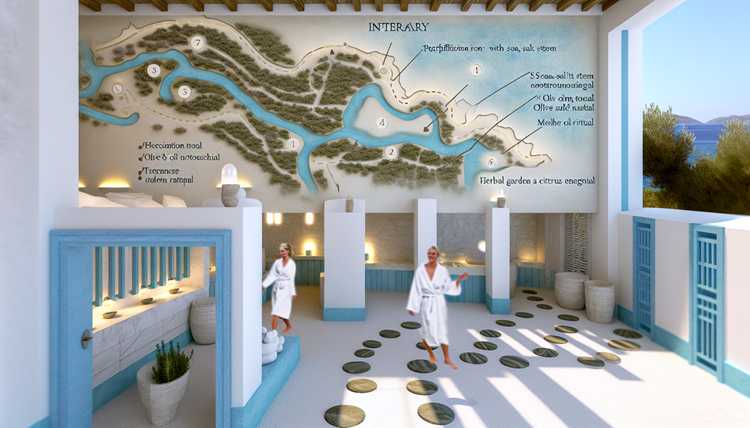
Implement a three-tier approach: local, regional, and international partners, each with a defined set of co-branded experiences and inventory sharing.
- Local partnerships: Cyprus Tourism Organization, Limassol tourism stakeholders, olive oil and wine producers, luxury car and yacht operators, and premium local cuisine brands; joint events and tastings, cross-promotions with Parklane dining and spa programs.
- Travel trade and hospitality: premier tour operators and concierge networks; preferred-rate blocks, exclusive packages, and early access to spa menus for top clients; co-hosted fam trips to raise visibility.
- Wellness and lifestyle brands: spa suppliers, skincare labels, mindfulness apps; create limited-edition treatments or products that can be sold in-room or in retail spaces, with dual branding.
- Content and media: national and regional press, luxury travel magazines, GCC outlets; target 6–8 major features and 12–16 partner stories in year one; influencer visits tied to spa events and dining experiences.
- Market targeting and channel mix: allocate spend by market–GCC 40%, UK 25%, Northern Europe 15%, Southern Europe 10%, Cyprus domestic 10%; prioritize direct booking levers on the Parklane site and partner inventory; use a mix of PR, social, and experiential events to drive visibility and credibility.
- Metrics and governance: track partner referrals, length of stay tied to packages, ADR and spa revenue per guest, and new guest share by market; adjust co-branded offers quarterly based on performance.
Developing wellness programs inspired by the sea: signature therapies alongside sustainability
Launch a signature sea-based wellness protocol that pairs algae-based wraps and mineral seawater therapies with a transparent sustainability pledge. The program delivers tangible benefits for the skin and circulation while inviting guests to participate in responsible sourcing and waste reduction.
Center the signature protocol on three core therapies: a nutrient-rich algae wrap using kelp extract for hydration; a mineral seawater bath with low-sodium mineral mud for circulation; and a marine-salt scrub enriched with microalgae oils for exfoliation and radiance. Use ingredients from certified suppliers, with full product data sheets detailing ingredients, batch sizes, and safety notes. Train therapists to adjust pressure and wrap times based on body type and tolerance, ensuring comfort and measurable outcomes.
Adopt a sustainability framework with concrete targets: reduce water use per guest by 25–35% through low-flow fixtures and reclaimed water for non-potable uses; cut energy consumption in spa operations by 30–40% via upgraded HVAC controls, LED lighting, and heat recovery; switch to refillable packaging for the majority of consumer products and source marine ingredients from certified farms with traceability. Monitor progress with quarterly dashboards and publish annual metrics on the property’s site.
Develop a supplier approach that emphasizes locally sourced marine ingredients and fair practices: establish a code of conduct, require certifications, and confirm traceability. Partner with seaweed farms in nearby coastal areas to cut transport emissions by 12–20% and support coastal communities through structured procurement agreements. Move toward packaging made from recycled materials and compostables, and set up refill stations for lotions and cleansers to minimize waste.
Define a guest experience map that links service steps to outcomes: track treatment duration, product usage, perceived benefits, and repeat visit rates. Collect data on satisfaction via post-visit surveys and Net Promoter Score, then adjust offerings quarterly. Use loyalty incentives tied to sustainable actions, such as opting out of daily linens or choosing digital receipts, to reinforce responsible practices without compromising comfort.
Action plan plus milestones: turning “so much to do” into a practical 12-month roadmap
See also: Christodoulos Patsalides.
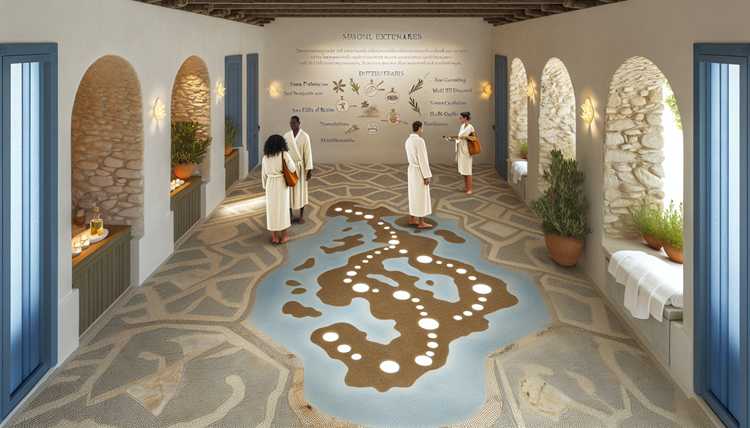
Catalog all Kalloni-inspired treatments, choose 3 archetypes to prototype, assign owners within 14 days, and set a 12-month calendar with monthly milestones.
Q1 focuses on clarity and design. Confirm the 3 archetypes, map guest touchpoints across arrival, spa zones, and aftercare, create script templates for each ritual, and prepare a 6-week staff training plan. Assign a dedicated owner to every ritual and allocate a development budget of $15k–$20k per prototype for materials, testing, and minor equipment. Define three success metrics: guest satisfaction with the ritual, adherence to the scripted sequence, and incremental spend per guest.
Q2 concentrates on live testing. Run two pilots, each with 40 guests, gather qualitative feedback, and refine scripts, durations, and service sheets. Finalize ritual sequences, signage, and staff training packages for full deployment. Train 25 teammates and establish a feedback loop with frontline leadership. Target outcomes: NPS increase by 10 points, average ritual spend up by 12%, and completion rate of ritual steps above 95%.
Q3 expands to full deployment. Roll out four rituals across spa areas, introduce two add-ons, and formalize packaging, pricing, and guest messaging. Create standardized SOPs, ritual visuals, and a take-home aftercare guide. Implement a small cross-functional ambassador group to assist at check-in and post-treatment follow-up. Monitor a 20% uplift in ritual-related revenue and keep guest satisfaction above 90% after each ritual, while sustaining duration targets within ±5 minutes.
Q4 optimizes and scales. Finalize the ritual menu, establish inclusive pricing tiers, and publish clear guest-facing signage. Codify the experience into a repeatable system, train cross-functional teams (front desk, therapists, and housekeeping), and launch a formal ambassador program to guide guests through the ritual path. Prepare a 12-month review and a plan for ongoing expansion to seasonal offerings and regional preferences.
Governance and measurement
See also: Identify GA Market Niches with Quick Demand Signals.
Assign clear roles: Spa Development Lead, Front Desk Supervisor, and Education Specialist. Hold monthly reviews, and use a dashboard to track NPS, average spend per ritual, utilization rate, and repeat guest rate. Use a simple RACI matrix to define who is Responsible, Accountable, Consulted, and Informed for each milestone. Schedule quarterly budget reviews to reallocate resources based on performance and guest feedback, ensuring every milestone stays on track without overextending the team.
Ready to set up your Cyprus company?
Our specialists guide you through the entire process — registration, tax setup, and bank account opening.
Request a consultation →