

Marshall Islands Company Documents - Requirements & Templates
Start with a proposed checklist aligned to the official requirement matrix and set your preferences for completion. This confirmation clarifies the real purpose of each filing and when to submit, reducing back-and-forth in the pacific zone and globally.
Assign an nominee to manage the active steps; ensure the role is documented with zero ambiguity. The rate of accuracy improves processing time and helps keep records current. Configure settings for signatures, dates, and renewals before you start collecting pieces.
Use form layouts instead of ad hoc notes; standardize the structure to improve acceptance by authorities. The process serves to demonstrate compliance with local preferences and global standards, which in turn reduces rework and saves time. This approach does not rely on guesswork. When you prepare, attach the confirmation of verification and keep a clear trail for audit.
In the pacific jurisdiction, maintain a consistent cadence for updates; keep the rate of change manageable and document any proposed amendments in the same framework. This approach helps you compare options and choose the most practical for your structure, whether you operate active operations or a passive shell. Prefer solid controls over shortcuts, and use clearer comparisons than vague notes.
Your primer should be concise and actionable: use clear references to the requirement matrix, verify with a quick check, and maintain an ongoing log. If youve questions, consult the governance guide. This discipline keeps the environment orderly, reduces errors, and supports a smooth onboarding for new nominees.
Marshall Islands Corporate Documentation Guide
See also: How to Register a Company in Marshall Islands.
Adopt a united, centralized governance pack and an ongoing compliance calendar to accelerate readiness for due diligence and international usage; this setup is ideal baseline for a multi-entity group.
heres a concise breakdown you can adapt now: assemble the core set – articles, share register, director roster, minutes from key meetings, notices of ownership changes, and a powers matrix. Keep these items in a register that can be shared with trusted advisers while preserving confidentiality where needed. Include a note that you can share this pack with external auditors when authorized.
Maintain standard forms for approvals, transfers, and consent resolutions; attach supporting records and keep audit trails to illustrate ongoing compliance. Use a single source to issue forms to those who need them and to enable easy share with authorized advisers while avoiding mismatches.
For local filing obligations, identify the applicable jurisdiction and align deadlines with the statutory calendar. Create a calendar that marks annual general meetings, filing due dates, and board actions; this is the backbone of proof for regulators and partners globally or internationally, and it supports ongoing obligations tracking.
If counterparts internationally require a harmonized format, consider apostille where available and feasible. Ensure that translations are performed by certified providers and that each translated item carries a note of accuracy, stamp, and date. Keep a master copy in English and provide translations only on request.
Look at the advantages of a unified pack for those seeking investor reviews or lender diligence: it reduces back-and-forth, speeds decisions, and supports global operations. A standard set that is repeatedly updated saves time for those reviewing the files.
To hold and manage group-level information, create a central, modern repository with access controls. Those designated as directors or officers should hold responsibility for updates; appoint a responsible owner for ongoing monitoring. The group still requires a master file and keep copies for each entity that still must be aligned.
Where to provide this pack to stakeholders: provide a compact digest for non-experts; include an index, a glossary of terms, and references to the underlying forms.
Best practice: publish an index of articles, agreements, and amendments; ensure the format is modern and accessible globally; register with the corporate secretary and ensure the information has legal effect.
Next steps: those responsible should review and update quarterly; set approval cycles; ensure continuity of access; maintain a record of changes; ensure compliance with ongoing obligations. Focus on the right things–approval cycles, access continuity, and change logs.
To look at practical outcomes, start with the essentials.
Checklist: Required Documents for Marshall Islands Company Formation
See also: Top Countries for Offshore Company Formation 2026.
Begin by assembling a real, complete set of identification papers, address proofs, and corporate records to move registration towards a seamless, worldwide submission; use courier or secure upload for a fast process.
Identity proof: provide valid passports or national IDs for every individual who will hold officer roles or serve as a director; include dates of issue and expiry, provide translations if needed, and keep issued copies ready for submission and review.
Proof of address: submit recent utility bills, bank statements, or government notices for each person and for the intended registered office; ensure the address matches the name on the filing and is accessible for care of the filing agent.
Structure and ownership records: list directors and officers with residential details; attach a shareholding schedule, note any bearer holdings or rights, and ensure the corporate roster is current and governed by applicable law.
Proposed business scope and name: include a brief activity description, confirm name availability, specify the authorized capital, and indicate the governing framework; attach a resolution to authorize the filing.
Financial safeguards: provide source of funds, banking references, and any anti-money-laundering notes; ensure these records are authentic and can be accessed by the registrar and overseers.
Third-party confirmations: if using a local representative, supply a letter of good standing or a reference, plus a contact for ongoing liaison; include the agent’s details and authority as required by the registry.
Delivery and format: originals should be sent by courier or securely uploaded; provide high-quality scans or copies, and include any notarization or apostille if requested; specify whether originals will be issued later or held by the registrar.
Due diligence and notes: verify name consistency across all items, check for reported discrepancies, and prepare to adjust minor variations; this will determine processing speed and avoid rework; keep a small, organized folder to improve workflow and ensure accessibility.»
Templates: Articles of Association, Memorandum of Incorporation, and Bylaws
heres a simple baseline: assemble a concise set that includes the articles of association, the memorandum of incorporation, and the bylaws. from a trusted источник, ensure this paperwork covers the subject of governance on the island and is prepared to be filed when required. keep copies for internal reference and for potential audits.
Types covered include charter-style provisions, memorandum details, and bylaw clauses that regulate board powers, shareholder rights, meeting cadence, and voting thresholds. while the core framework is straightforward, it provides a solid paper trail that supports confidentiality and compliance across jurisdictions worldwide, and also assists data reviews by international bodies.
When crafting, use simple, clear language and provide a straightforward description of each item: articles describe governance scope and power distribution; memorandum outlines limitations, authority, and purpose; bylaws specify meeting procedures, notice, quorum, and record-keeping. provides a ready reference for officers, regulators, and auditors; paper copies should be kept in secure files, with backups delivered to the relevant desk and access limited to authorized personnel.
Storage and handling tips: keep both paper and electronic versions, ensure confidentiality where needed, and assign a subject line to each file for quick retrieval. use a standard format to reduce errors, and note preferences for format, language, and signatures. from a legal point of view, the memorandum stays linked to the articles; this simple pairing helps in cross-border filings internationally and simplifies due diligence when reviews occur with united partners or lenders.
Entity-Specific Templates: Shareholder/Director Details and Authorized Capital
Use entity-specific forms to capture all key data for ownership and governance roles, and to define the authorized capital structure. This approach improves accuracy, speeds up submission, and reduces hassle by providing a simple, original set of fields that can be reused across filings. The first step is to customize the formats for the entity type and jurisdiction, because there are distinct needs for personal data, corporate holders, and share classes. For khaimah-style regimes or other jurisdictions, adapt the forms to reflect local identifiers while maintaining a consistent core data model. Start with concise inputs and provide clear validation rules to assist submitters there.
Shareholder Details should cover both individuals and corporate holders. The template must ensure traceability of ownership and ease of future updates.
- Shareholder full legal name (as shown on official ID or registration).
- Nationality and date of birth (for individuals) or country of incorporation (for entities).
- Residential or registered office address; service address for notices.
- Identification numbers: passport/ID for individuals; registration/incorporation number for corporate holders.
- Type of shares held, class (e.g., ordinary, preference), nominal value per share, and currency.
- Actual shareholding, including the number of shares, percentage of the issued capital, and any holder special rights.
- Date of acquisition and source of funds, where applicable.
- Beneficial ownership details if relevant, including ultimate beneficial owner (UBO) and related disclosures.
- Contact email and phone number for the holder, plus authorized signatory for the submission.
- Signature, date, and confirmation that the information provided is accurate (or an approved electronic signature).
Director Details capture governance roles and ensure legitimate appointment records.
- Director full legal name, nationality, and date of birth.
- Residential address and service address for official communications.
- Date of appointment and term of office; position title (e.g., managing director, non-executive).
- Any disqualifications or restrictions that apply, with supporting references if required.
- Nationality and country of residence; contact details for correspondence.
- If applicable, corporate director information: company name, registration number, registered office, and country of incorporation.
- Signature or approved electronic endorsement; date of submission.
Authorized Capital template defines the ceiling for future issuances and aligns with corporate governance rules.
- Authorized capital amount and currency; indicate total value and number of shares.
- Par value per share (if any) and share class breakdown (e.g., Class A, Class B) with attached rights.
- Issued capital versus authorized capital; note any differences and the portion already issued.
- Rights attached to each class: voting, dividend, liquidation preferences, conversion terms.
- Conditions for future issuance (board-aligned, shareholder approval thresholds) and limits by class.
- Details for capital amendments: how to record increases, decreases, or reclassifications.
- Currency notation, rounding rules, and any anti-dilution provisions relevant to the entity.
Practical guidance to ensure smooth handling and compliance.
- Keep the original and provide a clear, concise copy for submission; use a single, consistent data model across all filings.
- Where multiple entities are in the same group, map parent and subsidiary holder data to avoid duplication and ensure consistency.
- Because accuracy matters, run a cross-check: holder names must match official records; addresses should be verifiable; share counts must align with the latest ledgers.
- There is value in a simple, modular format: start with core fields and extend with optional sections for complex structures.
- Submission timelines can vary by jurisdiction; target a first-draft review within 1–2 days and complete submission within a week to reduce lapses.
- If a registry requires a dayscertificate or similar note, attach it in the same package and reference the filing number there.
- Group structures should be depicted clearly: provide parent/satellite relationships, and show how each holder contributes to shareholder totals.
Tips for adaptation and efficiency. For a khaimah-style registry, map local identifiers to the fields above, keeping the core data consistent to enable easy transfer between regimes. This approach makes compliance straightforward and improves the utility of the filing pack for later amendments. If you need to update ownership or capital, reuse the same templates with minimal changes, which reduces the risk of mismatches and speeds up the entire process. Dear reviewer, ensure all figures align with the latest ledger and verify any necessary approvals prior to submission to avoid delays.
Filing Process: Where to Submit, Fees, and Processing Times
Submit the registration packet online via the government registry for this island nation. Ensure every form is fully completed, signed, and attachments with certified copies as required. For any foreign signer, obtain apostille before submission; keep digital copies of all attachments, because the registrar accepts only legible uploads. Pay the filing fee at submission to prevent delays.
Where to file: Use the online registry hosted by the government. For associations preferring a physical path, submissions can be delivered to the main government office designated for corporate affairs in the Pacific island jurisdiction. Most checks and attachments are processed here, and associations can also use accredited agents if allowed. The portal provides guidance on preferences for submission type and required supporting materials.
Fee structure: The fee schedule is visible in the portal and varies by formation type and whether additional services (certified copies, expedited review, or apostille handling) are requested. The most common charges include a base filing fee and an annual license/registration fee; paid by credit card, bank transfer, or other accepted methods. If a foreign participant is involved, ensure any apostille-related costs are paid as a separate line item. A disclaimer notes that fees may change; look here before submitting.
Processing times and tips: Standard processing aims for 5–15 business days after complete submission; expedited options may reduce this to 2–5 business days with an additional surcharge. If apostille or verification of foreign items is required, add 3–7 days. To avoid delays, ensure all forms are legible, the submission set is complete, and any name mismatches are resolved before submission. Thus, align with the registrar's checks and keep the shareholders informed. Look for status updates in the online portal to track progress here.
| Step | Where to Submit | Required Forms/Attachments | Fees | Typical Processing Time | Notes |
|---|---|---|---|---|---|
| 1. Preparation | Online registry or main government office | Formation form, signatory IDs, proof of ownership, apostille (if foreign), corporate resolutions | Base filing fee, apostille if needed, charges for copies or expedited service | 5–15 business days after complete submission | Verify entity type and ownership; ensure names match across records. If rights and shareholders are involved, ensure registers reflect current holdings. |
| 2. Submission | Online portal; or in person at the designated office | All forms signed; attachments clear; apostille status indicated | Fees paid at submission; method supported includes card or transfer | Processing begins immediately upon receipt | Incomplete packs trigger requests for clarifications; respond promptly |
| 3. Verification | Registry staff or automated checks | Document viewable in system; apostille verification if applicable | Included in base/expedited fees | 3–7 business days | Any discrepancy may extend time; keep track here |
| 4. Decision and issuance | Online portal or registry office | Certificate of formation or equivalent; confirmation notice | Publication or issuance fees if required; no surcharge for standard | 2–5 business days | Rights for shareholders updated; records filed in registers |
| 5. Post-approval steps | Online portal | Final copies, share registers, corporate resolutions | Fees for extra copies and apostille renewals, if requested | Ongoing; annual renewals as applicable | Disclaimers apply; ensure ongoing compliance with regulations |
Post-Formation Compliance: Annual Returns, Licenses, and Recordkeeping
See also: Panama Offshore Company Formation.
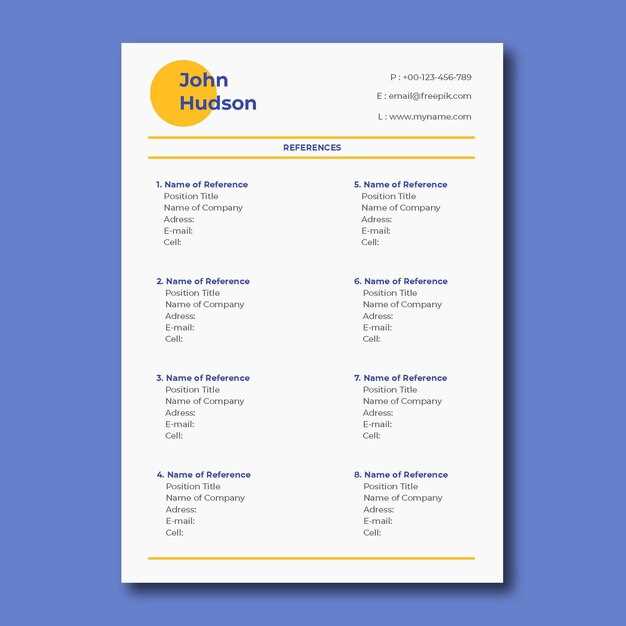
Make annual returns the priority: file within 60 to 90 days after the fiscal year-end; keep a central registry; appoint and verify director details; update shareholder records; submission should include all mandated fields and earlier amendments; also implement reminders to prevent late filings, because penalties apply.
Licensing and regulatory licenses: verify activities require a license; renew ahead of expiry; some regulators require annual submissions of financials; store official licenses; if operating across jurisdictions, ensure cross-border authorisations; provide a certified copy of licenses to auditors; appoint authorised signatories on file to streamline reviews by authorities.
Recordkeeping for corporations: maintain a reliable file system for meetings, resolutions, and transfers; incorporated entities must maintain a share registry and board minutes; make accurate cross-references across records; keep copies and certified copies for audits; appoint a custodian; republic regulators expect formal care.
Apostille and document legalization: for records used abroad, obtain apostille or legalisation; preserve certified copies; ensure submission of records to foreign authorities; maintain a clear chain of custody; after certification, store securely.
Taxes and wealth protection: track taxes on profits and revenue; compile accurate tax computations; file taxes on time; engage authorised tax advisers; keep records across financial years; this protects wealth by avoiding penalties and ensuring compliance; rate and scope vary by activity, so reassess annually because circumstances change.
Access, retention, and security: designate authorised personnel to access official records; implement role-based access controls; back up data regularly; retain records for the required period (for example seven years); after audits, review frequently; care to prevent loss and ensure traceability across departments.
Practical workflow: browse the official filing portal for submission deadlines; set calendar alerts for annual license renewals; regularly review the shareholder and director registers; make sure to provide certified copies on request; keep across divisions and jurisdictions to support due diligence and risk management.
Ready to set up your Cyprus company?
Our specialists guide you through the entire process — registration, tax setup, and bank account opening.
Request a consultation →