

Open Multiple Merchant Accounts Online with Genome - A Step-by-Step Guide
In today's global economy, business owners are looking for seamless ways to manage their finances and make purchases across various platforms. A multi-currency environment often demands more than just a single account, especially for those who engage with customers from different countries. This article will guide you through the process of opening multiple merchant accounts online using the Genome platform, which gives users the tools to effectively monitor transactions and minimize costs.
After a thorough examination of best practices, we will dive into what Genome offers for business owners seeking to expand their operations. The platform supports the issuance of multi-currency accounts, allowing users to accept payments in various currencies without the time-consuming hassles associated with traditional banking systems. Users might expect flat-rate fees, giving them greater control over their cash flow while reducing the complexity of managing multiple accounts.
Additionally, we will explore how Genome transmits data securely and enhances communication with supporters by implementing the necessary verification measures for each transaction. By learning how to navigate this platform, you will find that your business can significantly improve its financial management, ultimately leading to more efficient point-of-sale systems, in-store transactions, and online purchases.
Whether you are an established company or just starting out, understanding how to open multiple merchant accounts efficiently can provide you with not just banking solutions, but also the rights and tools to grow your business on a broader scale.
Understanding Merchant Accounts and Their Benefits
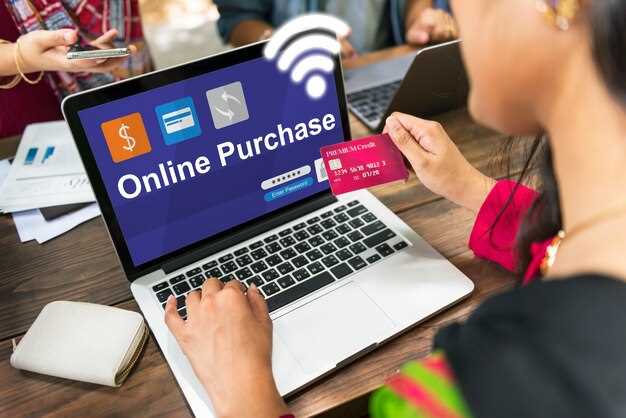
Merchant accounts are dedicated financial accounts that enable businesses to accept debit and credit card payments, providing a seamless transaction experience for both the merchant and the customer. When you've chosen a good provider, it can streamline your sales processes and improve your business's cash flow. For example, with a merchant account, you can instantly access funds from card purchases, which means no more waiting for checks to clear or unexpected delays due to administrative issues. Experts highlight that having an approved merchant account ensures you're compliant with financial infrastructure rules, making your transactions not only more efficient but also protected against potential fraud.
This financial service offers numerous benefits that can enhance your business's value proposition. By utilizing the right platforms, you can analyse your sales performance more effectively and prepare for future growth. With features like social wallet integrations and direct funding capabilities, your purchases can be processed smoothly. Moreover, the onboarding process is designed to be quick, reducing the chances of incomplete applications and enabling you to start transacting faster. In a competitive market, having a compliant merchant account gives you the competitive edge you need to thrive and succeed.
What is a Merchant Account?
A merchant account is a type of bank account that allows businesses to accept payments via various methods, primarily credit and debit cards. This account acts as a secure intermediary between the customer and the merchant, ensuring that funds are processed correctly and deposited into the business’s bank account. In today’s e-commerce-driven world, having a merchant account is essential for companies that want to operate effectively and enhance their sales capabilities.
The primary function of a merchant account is to handle payment processing for transactions. Once a customer decides to make a purchase, the payment information they provide, such as card details, is submitted to the merchant processor. These processors are authorized entities that work under specific rules to ensure the secure movement of money between the buyer’s and seller’s accounts.
- Merchant accounts typically separate funds received from customers, allowing for easier tracking and management of sales data.
- They offer various tools to facilitate online payment options, making it accessible for users to complete transactions from home.
- Fees associated with merchant accounts can vary, so it is important to consider this aspect when choosing a provider.
Modern merchant accounts also support a variety of payment methods, adapting to the needs of different businesses. Credit cards like Mastercard, as well as alternative payment options, help ensure that customers can transact using their preferred methods. For businesses in the iGaming industry, specifically, having a flexible merchant account solution is crucial because of the influx of users and specific compliance regulations.
To begin the process of obtaining a merchant account, businesses must look for a provider that offers the best value based on their unique needs. Users should consider current offers, the tools available for payment processing, and any additional fees that may be reserved for specific transactions.
Once a company has chosen a provider, they will need to create a profile for the merchant account. This profile will include critical business information, banking details, and documentation to verify the business’s legitimacy. After submission, the application will typically go through an approval process to ensure compliance and security.
Overall, understanding what a merchant account is and how it operates can significantly enhance a business’s ability to thrive in a competitive marketplace. By choosing the right provider and ensuring compliance with industry rules, businesses can benefit from a better sales process, improved cash flow, and a more secure transaction environment.
In summary, those looking to establish a merchant account should make informed decisions based on their operational needs and the current landscape of payment processing options. A merchant account doesn’t just offer payment capabilities; it allows businesses to foster growth and build lasting relationships with customers through accessible and secure transaction methods.
Benefits of Having Multiple Accounts

Having multiple merchant accounts can be a foundational strategy for growing your business. This structure allows for the secure processing of transactions across a variety of platforms and channels. By using different accounts, businesses can better manage their cash flow and prepare for future financial needs. Each account can be chosen based on specific providers, allowing retailers to optimize their infrastructure and streamline the payment process.
In addition, a combination of accounts can offer better compliance with banking regulations. By diversifying your banking relationships, you reduce the risk associated with any single provider and gain access to unique tools that might help in acquiring new customers. These diverse banking options will also keep your business adaptable, enabling you to respond quickly to the ever-changing digital landscape of today’s retail environment.
Furthermore, multiple merchant accounts can maximize the benefits of subscription models and recurring transactions. Keeping different preferences in mind, these accounts can be tailored to match the needs of various customer bases, ensuring that you can cater to everyone's unique contributions. Over time, this strategy could prove to be an invaluable asset, as it prepares your business to excel in competitive markets while waiting for approvals or managing transactions with flexibility.
Ready to set up your Cyprus company?
Our specialists guide you through the entire process — registration, tax setup, and bank account opening.
Request a consultation →