
Recent Developments in Offshore Wind - Navigating Supply Chain Challenges
In recent years, the offshore wind industry has become a focal point for traditional energy portfolios, highlighting its potential to harness the vast power of the ocean. With thousands of miles of open waters suitable for wind projects, countries like Norway are leading the charge in establishing marine ecosystems that support renewable energy growth. This article explores how the development of offshore wind farms contributes to economies on a global scale, while addressing complex supply chain challenges that can toll both the environment and economic stability.
As the demand for greener energy sources rises, industries are faced with the pressing need to diversify their approaches. Certain projects have reached new heights in technological advancements, yet they also face regulatory hurdles that may hinder progress. Therefore, understanding governance across different jurisdictions becomes essential for stakeholders aiming to establish partnerships that enhance project efficiency. Widespread deployment of offshore wind, while promising safer and more sustainable energy, requires a streamlined approach to tackle the degradation of existing marine habitats.
Marine conservation is integral to the offshore wind sector, where ecosystem-based strategies are employed to minimize harm to ocean-related life. The urgency to invest in these renewable resources aligns with the growing concern over climate change and the degradation of our natural world. By navigating supply chain challenges and embracing innovative processes, the offshore wind industry can become a leader in sustainable development, contributing to a wealth of opportunities that extend beyond borders.
Recent Developments in Offshore Wind
Recent developments in the offshore wind sector have marked a significant shift towards a more efficient and sustainable energy production model. As countries aim to reduce emissions and meet climate goals, the need for clean power has become more urgent than ever. Offshore wind demonstrates the potential to not only meet energy demands but also to contribute positively to biodiversity and ecosystem balance.
Technological advancements in wind power generation have also been crucial. New turbine designs and improved materials enhance efficiency and increase the amount of energy harvested from wind. Furthermore, these innovations are reducing the costs associated with installation and maintenance, allowing for more widespread adoption across different maritime regions.
The logistics of offshore wind projects involve navigating various challenges, including the allocation of resources and establishing strategic partnerships. These collaborations foster research and development that seek to optimize supply chain processes, which have been heavily impacted by recent global disruptions. The integration of digital tools and data analytics into logistics strategies also plays a vital role in building resilience against short-term losses caused by unpredictable events.
See also: Which CZ predictions will change exchange custody and....
As countries invest in offshore wind infrastructure, the migration towards cleaner energy sources will necessitate the establishment of new tender agreements and legal frameworks. These agreements must account for the diverse sectors involved, from manufacturing to maritime operations, and ensure that all stakeholders sustain a legally aligned approach to development.
In assessing routes for wind farm expansion, it becomes essential to consider the environmental impact and adhere to best practices in oceanography. By carefully planning these projects, industries can effectively hedge against the environmental risks that come with offshore installations.
In conclusion, the forefront of offshore wind development is characterized by a balanced approach that incorporates cutting-edge technology, robust partnerships, and a deep understanding of ecological constraints. The path forward requires not only continued investment in research but also a commitment to addressing the challenges that accompany the transition to a cleaner, renewable energy landscape.
Navigating Supply Chain Challenges
The offshore wind industry is currently facing a myriad of supply chain challenges that are impacting its overall efficiency and effectiveness. The cumulative effect of these challenges underscores the need for a balanced approach in addressing vulnerabilities and promoting stability across the supply chain ecosystem.
One of the critical components in navigating these challenges is investing in robust infrastructure. Companies are seeking innovative solutions that allow them to mitigate risks associated with fluctuations in material availability and transportation. For instance, planning for remote logistics centers can enhance the clearance process for equipment and components necessary for offshore wind projects.
- Collaboration with universities and research institutions is essential for developing advanced technologies that can increase efficiency and reduce the human impact on the environment.
- A careful assessment of the oceanography surrounding wind farm zones is necessary, as this helps in identifying potential vulnerabilities and optimizing the placement of turbines.
- Governance rules should be established to regulate the supply chain effectively, ensuring that all stakeholders adhere to best practices and minimize losses during extreme weather events.
Countries like Spain and those in Latin America are currently making substantial investments in offshore wind infrastructure. By doing so, they are not only seeking to enhance their energy portfolios but also to create an environment where local individuals can benefit from job opportunities in the renewable energy sector.
It is crucial to recognize the interplay between market dynamics and the human factors involved in supply chain management. Changes in government policies can cause instability, which further complicates the procurement process. Therefore, a proactive approach is necessary to avoid disruptions caused by unforeseen events, ensuring a safer and more efficient supply chain network.
In conclusion, navigating the supply chain challenges in the offshore wind sector requires a multifaceted strategy. By fostering collaboration, investing in education, and adopting ecosystem-based management practices, stakeholders can comprehensively address current challenges while preparing for the future impacts of climate change and market evolution.
Identifying Key Supply Chain Bottlenecks
The offshore wind industry, pivotal for achieving global carbon reduction goals, faces several supply chain bottlenecks that could hinder its growth. Identifying these challenges is essential to ensure a robust and effective response.
Key bottlenecks can be classified into several categories:
- Logistical Constraints: Coastal areas where installations occur often lack the necessary port infrastructure. This instability can lead to delays and increased costs, making it essential to develop stronger logistical frameworks.
- Technological Limitations: Advancements in turbine technology are critical. However, the pace of technological development must match the industry’s needs. Delays in innovations or failure to scale could directly harm portfolios of projects in development.
- Resource Allocation: Effective management of resources is crucial. Industry specialists must assess where investments can yield the best returns, ensuring funds are allocated to projects that impact the portfolio most positively.
- Regulatory Challenges: Policy rules vary across nations like Norway and Latin America, complicating international collaboration. Uniform frameworks would assist in easing these barriers.
- Temporary and Permanent Events: Unexpected events, such as natural disasters or geopolitical tensions, can disrupt supply chains. Developing risk models is essential to prepare for such times and mitigate potential damages.
See also: PRC-Cyprus Strategic Partnership.
Efforts to strengthen the supply chain must include both immediate and long-term strategies. Stakeholders need to automatically address bottlenecks in a way that ensures continuity and efficiency in the industry. Collaborative approaches among nations and individual companies will be vital in overcoming these challenges.
Addressing these identified bottlenecks will help foster a sustainable future for the offshore wind industry, significantly impacting the global wealth by contributing to environmental goals and enhancing local economies.
Strategies for Diversifying Suppliers
In the rapidly evolving landscape of offshore wind development, addressing supply chain challenges requires implementing effective strategies for diversifying suppliers. A systematic approach provides opportunities to mitigate risks associated with fluctuations in global markets and geopolitical events, particularly from regions such as Russia.
One effective strategy is to consider suppliers from different geographical areas, which can help in balancing total logistical costs and protecting against extreme weather events. By expanding the sourcing landscape to include nations like Norway and other southern territories, companies can ensure a more resilient supply chain that adapts to order changes without incurring hefty expenses.
Moreover, the offshore wind industry can benefit from hybrid models that incorporate various sources of supply. For instance, integrating biotechnology with traditional suppliers could improve efficiency in resource management and reduce dependency on single-source suppliers. This not only addresses potential bottlenecks but also enhances the ecosystem-based approach to development.
Additionally, it is crucial to establish clear rules and standards that guide the supplier selection process. Engaging in tenders with comprehensive criteria allows companies to identify suppliers that meet their quality, sustainability, and cost-efficiency needs. This proactive migration towards diverse supplier bases can save millions in unexpected costs while ensuring a steady supply chain.
Focusing on logistics is also essential. Invisible logistical efficiencies, such as optimizing routes and consolidating shipments, can drastically cut down on transportation time and costs. By mapping the supply routes from various suppliers to the final delivery points, companies can navigate potential barriers more effectively.
Finally, keeping abreast of the latest news and developments in the offshore wind field allows businesses to react and adapt strategically. Whether they are looking to hedge against risks or take advantage of emerging opportunities, maintaining a flexible and diversified supplier network is a key component of success in the offshore wind market.
Impact of Geopolitical Events on Supply Chains
Geopolitical events have a marked influence on the supply chains connected to offshore wind projects. These events often lead to fluctuations in material availability and electricity costs, posing significant challenges for companies considering the development of new wind farms.
In recent years, issues such as trade agreements and international tensions have caused uncertainty in supply chains. As nations navigate these geopolitical landscapes, the need for diversification becomes increasingly clear. Companies are now diversifying their supply sources to mitigate risks associated with disruptions in certain areas, ensuring a more balanced and effective allocation of resources.
Furthermore, the rise in geopolitical tensions has prompted a migration towards alternative materials and technologies. This shift can be observed in the offshore wind industry, where firms are exploring hybrid solutions and biotechnology to enhance the efficiency of their operations. They aim to adapt to changing regulations and geopolitical climates while sustaining high levels of production.
Geopolitical dynamics also impact the logistics process involved in supplying offshore wind farms. The entry of new players into the market complicates supply chains, creating both opportunities and challenges. For instance, while southern nations may experience a boom in wind energy projects, they need to keep close tabs on the potential damages caused by conflicts or trade barriers that could affect their ability to import necessary components.
In summary, the effects of geopolitical events on supply chains are profound and multifaceted. Industry stakeholders must continuously assess the risks and adapt their strategies to minimize losses and maximize efficiency. By doing so, they not only protect their interests but also contribute to a more resilient supply chain for the future of offshore wind energy.
| Geopolitical Event | Impact on Supply Chain |
|---|---|
| Trade Agreements | Increases material costs and influences resource allocation |
| International Tensions | Causes fluctuations in project timelines and availability of components |
| Conflicts | Disrupts logistics and procurement processes leading to potential losses |
| Emerging Markets | Opens up opportunities for diversification and new sourcing strategies |
Technological Innovations to Mitigate Delays
In recent years, the offshore wind industry has faced significant difficulties due to supply chain disruptions. However, technological innovations are emerging as vital tools to navigate these challenges. Particularly, new methods in the design and installation of wind turbines are being developed to enhance efficiency and reduce the impact of unforeseen fluctuations in supply.
Furthermore, the coordination between companies and academia is increasing. For instance, Professor Abraham's research emphasizes the importance of creating geographic corridors that streamline the manufacturing and transport of essential components like cables. This can help in mitigating potential bottlenecks in the supply chain, ensuring that materials are delivered in a more timely and efficient manner.
Many companies are also investing in thermal technologies to improve the durability of wind turbines. These advancements can significantly lessen damage caused by harsh marine conditions, contributing to a more permanent infrastructure that withstands the vulnerabilities of harsh weather.
Additionally, the implementation of alternative manufacturing methods is crucial. Offshoring production to countries such as Japan has shown promising results in not only cutting costs but also in providing greater flexibility in response to national regulations. This approach ensures that companies can adapt more quickly to new rules and remain competitive on a global scale.
To further address the impacting challenges, technological systems for monitoring maritime stability are being developed. These systems allow for the proactive identification of weaknesses in the supply chain, ultimately improving overall efficiency and reducing the likelihood of delays. By establishing a coordinated framework, the industry can stand ready to adapt and respond to the evolving needs of society and environmental factors.
Hybrid Models: The Middle Ground
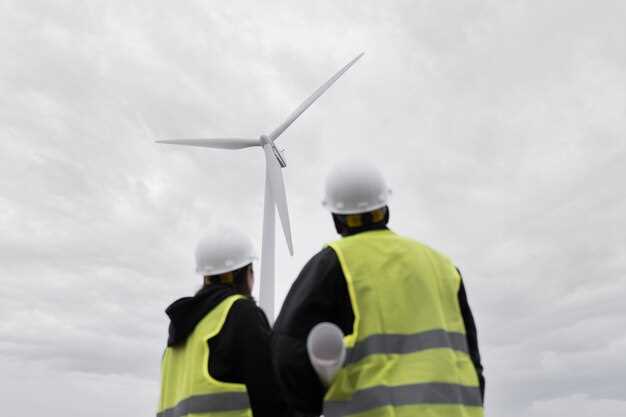
In the pursuit of a robust offshore wind sector, hybrid models have emerged as a significant strategy, bridging the gap between traditional energy sources and emerging renewable technologies. These models establish a framework that allows for diversification of energy portfolios, directly addressing the supply chain challenges that have long impacted the industry.
Hybrid systems integrate various energy sources, including traditional thermal generation and renewable wind power, which helps to hedge against volatility in supply and demand. By combining these resources, operators can achieve a more stable and reliable energy supply. Such strategies also provide an important mechanism to increase resilience during periods of economic turmoil or geopolitical instability.
As regions strive to reduce carbon emissions, hybrid models serve as a valuable alternative, particularly in areas where the transition to purely renewable systems may not yet be feasible. The approach allows for the gradual migration away from fossil fuels, significantly impacting the overall carbon footprint while maintaining local energy security. This is especially vital during times when emissions regulations become more stringent, which can occur as a direct result of rising international pressures and climate commitments.
The impact of hybrid models extends beyond mere energy production. They also contribute to economic growth by creating jobs and stimulating investments in advanced technologies. Partnerships between local governments, energy companies, and academic specialists can further boost the development of these hybrid approaches, allowing for collaboration that fosters innovation and addresses unique regional challenges.
However, the success of these models depends on the close alignment of various stakeholders, including private investors and public agencies. Without strategic funding and regulatory support, the potential of hybrid systems may remain untapped. Therefore, it is crucial that policies are established to bolster these initiatives, ensuring that they are not solely seen as short-term solutions but rather as permanent fixtures within the energy landscape.
In summary, hybrid models present a pragmatic middle ground in the transition towards a sustainable energy future. By adopting such strategies, industries can mitigate losses related to collapsing traditional markets while simultaneously paving the way for a cleaner, more diversified energy portfolio.
Ready to set up your Cyprus company?
Our specialists guide you through the entire process — registration, tax setup, and bank account opening.
Request a consultation →