

Reinforcing Integrity - The Impact of New Government Anti-Money Laundering Laws on Corruption Crackdown
In recent years, the urgency to combat money laundering and corruption has led to the introduction of stringent government laws aimed at ensuring transparency and accountability in financial transactions. These new measures appear as a pivotal force in the ongoing battle against corruption, particularly in regions where lax regulations have allowed loopholes to flourish. The effectiveness of these laws will depend on how well they are implemented and enforced across various sectors, requiring stakeholders to understand and embrace the new arrangements.
The potential consequences of these laws are significant. They aim to address the complexities of the criminal wealth that has traditionally existed, particularly in locations like the Cayman Islands or Guernsey, where tax evasion and financial secrecy typically run rampant. These legislative changes will not only force property owners to register their assets more transparently but also enable authorities to prosecute those who attempt to exploit the system. This straightforward approach looks to ensure that wealth is controlled and that financial interactions are regularly screened for risk.
Furthermore, businesses and customers alike will need to adapt to the new compliance requirements. Customers will increasingly demand transparency from the services they use, and businesses must respond with solutions that align with these expectations. By effectively undertaking the necessary changes to meet the demands of the new legislation, companies will not only reinforce their credibility but also foster trust with their clientele. This new license to operate comes as a welcome change, aiming to provide a solid foundation for lawful transactions and discourage the criminal activities that have, until now, flourished in the shadows.
Understanding the New Anti-Money Laundering Framework
The new anti-money laundering (AML) framework represents a comprehensive approach that governments have adopted to combat financial crime and corruption. This framework is not merely a reactionary measure; it has been built upon complex legal structures that require banks and financial institutions to comply with stringent requirements. The primary aim is to ensure that all financial activities are transparent and that any suspicious transactions are screened and reported.
At the heart of the framework are updated requirements that mandate disclosures for various categories of assets. Financial institutions now have to verify the origins of wealth behind significant transactions, particularly those involving international entities. This is particularly relevant in jurisdictions such as the Bermudan Islands, where the flow of money can often be opaque.
Governments have identified that despite the severity of previous regulations, many loopholes still existed that facilitated corrupt practices. The new AML laws aim to close these gaps by implementing a more straightforward process that includes mandatory reporting of specific transactions that exceed legal thresholds. For instance, hotels and poultry industries, which might have previously been overlooked, are now focused areas requiring closer scrutiny.
The framework includes rigorous compliance obligations that cannot be ignored. Financing projects that involve international partnerships now requires an in-depth understanding of each party’s financial background, including any potential red flags. This expanded scope ensures that all entities operating under the legal parameters are verified as legitimate interests.
See also: UK Sanctions Abramovich and Usmanov's Financial Fixers.
Furthermore, the introduction of a court-like structure enables governments to address violations with more effective legal mechanisms. Bodies overseeing compliance can impose severe penalties on entities that fall below acceptable standards, thereby reinforcing the importance of adhering to updated AML protocols.
In summary, the new AML framework opens the door for innovative solutions that can bolster integrity within financial systems. With more considerable emphasis on rights and responsibilities among entities, the new laws promote a healthier business environment where malign activities can be curtailed effectively. As these frameworks take shape, stakeholders across all sectors will need to adapt, understanding that the need for compliance is no longer an option but a requirement for safeguarding their operations against potential legal repercussions.
Key Features of Recent Legislation
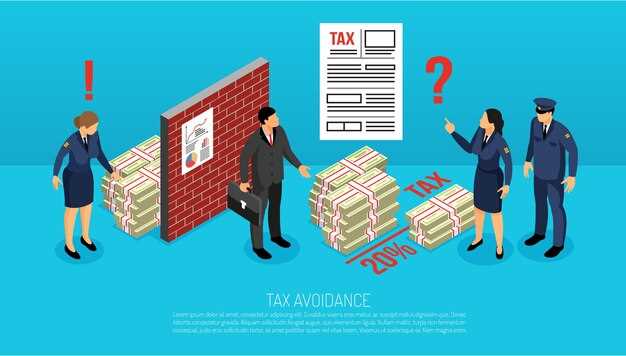
The recent anti-money laundering legislation introduced in various regions aims to strengthen financial integrity. A significant aspect is the enhancement of screening processes for individuals and corporations involved in trading activities. This includes tightening regulations on registrations, particularly for corporations operating in countries like Guernsey and regions with notable trading activity.
Moreover, the legislation implements higher fines for non-compliance. Offenders can face penalties worth thousands of dollars, making it a strong deterrent against money laundering practices. Officers responsible for monitoring these regulations are now required to collect and maintain updated information on corporate activities and financial transactions.
See also: Cayman Islands Funds and Regulatory Update.
See also: Steps for Complying with Anti-Money Laundering Regulations in....
In March, the new laws came into effect, declaring a period during which corporations must respond to the updated requirements. For instance, the registry will require detailed disclosures from corporations to assist in identifying and mitigating risks. This methodology is designed to expose entities that might otherwise go unnoticed.
The legislation subjects everyone involved to stringent monitoring, including individuals like Jameel, who previously had dubious links to corporations. The law aims to safeguard the integrity of the financial system by ensuring that all trading activities are transparent and accountable.
Ultimately, this new framework is expected to support countries dealing with corruption, such as Ukraine, while looking to improve international cooperation. The law reflects a commitment to acting decisively against corruption and financial malpractices, setting the highest possible standards for compliance in a fast-evolving economic landscape.
Examples of specific requirements include enhanced due diligence for high-risk entities and the obligation to report suspicious activity. These measures represent a significant advancement in the fight against money laundering, creating a clear path towards a cleaner financial system.
Changes in Reporting Obligations for Financial Institutions
The recent introduction of new anti-money laundering laws has significantly altered the reporting obligations for financial institutions. These changes aim to close loopholes that allowed unlawful activities to flourish, particularly across certain overseas jurisdictions, such as the renowned tax havens and islands. Financial institutions are now required to adopt a more stringent methodology when dealing with transactions that may pose a risk of money laundering.
One of the essential updates involves the requirement to screen clients and transactions more effectively. Institutions must now report any issues that arise during this process, ensuring that suspicious activities are flagged for further investigation. This shift places a greater emphasis on understanding equity ownership structures, particularly when they involve very large sums of money or complex property ownership.
Additions to the registry of identifiable property owners aim to provide a clearer view of who ultimately controls certain assets. This move is intended to prevent the concealment of unlawful activities under layers of corporate structuring. Failure to comply with these reporting obligations can lead to substantial fines and legal consequences, as authorities are now prepared to hold financial officers accountable for mistakes or negligence in reporting.
Moreover, financial institutions must be vigilant and proactive, as claims of non-compliance or oversight could result in severe penalties. Many institutions have begun implementing alternative compliance exercises to ensure that all dealings are transparent and accurately recorded. The laws will not be lenient; as emphasized in earlier legislation, oversight will continue until all institutions adapt fully to these requirements.
In addition to enhancing internal reporting processes, financial institutions will also need to make adjustments to their training programs. Employees must understand the implications of the new regulations and their role in preventing illicit activity. The aim is to cultivate a culture of integrity that adheres to the law while facilitating legitimate trading operations. Authorities believe that such proactive measures will eventually lead to a decrease in corruption and a more equitable financial system.
As further updates and revisions are made to these laws, it is critical for institutions to remain aware of ongoing changes and adjust their compliance strategies accordingly. The landscape of financial regulation is evolving, and those who fail to keep pace may find themselves facing significant repercussions.
Increased Penalties and Enforcement Measures
The recent implementation of stringent anti-money laundering laws has resulted in increased penalties and enhanced enforcement measures aimed at curbing corruption. Authorities believe that these severe penalties will serve as a deterrent against illicit activities that harm the economy.
New arrangements were suggested to ensure that penalties are proportionate to the severity of offences committed. For instance, individuals or entities involved in money laundering could face fines reaching billions, alongside potential imprisonment. These measures are expected to hold accountable those who fail to comply with the law.
The enforcement powers granted to regulatory bodies have expanded substantially. With the capacity to audit numerous financial records and holdings, these institutions can now easily identify suspicious activities. For example, a spreadsheet requirement mandating the disclosure of significant transactions has been established, aiming to create a clear paper trail for law enforcement.
These new measures apply not only to financial institutions but to all parties involved in economic activities. A restriction on transactions involving unverified sources has been instituted, requiring that all parties be confirmed as lawful entities. This is particularly notable in markets where previous oversight was lax, allowing the spread of illicit operations.
Furthermore, the introduction of a monitoring period extends beyond just the initial identification of questionable activities. An annual review will also be conducted to verify compliance with anti-money laundering regulations, ensuring that any new findings are addressed comprehensively.
While some critics argue that these measures might overlap with existing GDPR provisions, the consensus remains that a coordinated approach is necessary to combat corruption. The clear delineation of powers allows for a systematic crackdown on corruption while respecting individual rights and personalities.
In conclusion, the future of anti-money laundering enforcement looks promising, as the introduction of increased penalties and robust enforcement measures provides a framework aimed at addressing and curtailing economic corruption effectively. As this new title of governance is adopted, it is hoped that the impact will resonate positively within society, affirming a commitment to integrity and transparency in all financial dealings.
Implications for International Cooperation
The introduction of new government anti-money laundering laws generally represents a pivotal shift in the approach to combating corruption on a global scale. To address the intricate problems associated with illicit financial activities, it is crucial for jurisdictions to create frameworks that facilitate international cooperation. This involves registering all transactions and ensuring that appropriate measures are put in place to trace the origins of funds.
Suggested modifications to existing laws would include a focus on the cross-border flow of illicit investments, which could be particularly relevant in high-value sectors such as poultry and technology. By doing this, countries can force compliance among businesses operating internationally, ensuring they do not become unwitting conduits for money laundering activities.
As various jurisdictions, including Guernsey and Arab states, update their regulatory frameworks, they would benefit from collaborating with international bodies to share insights and best practices. This cooperation would assist in disclosing underlying claims and potential risks associated with cross-border trading, significantly reducing the space in which hidden assets can thrive.
In recent years, numerous governments have taken a proactive stance on these issues, requiring them to engage with foreign counterparts and understand their approaches. They must also view the challenge as a collective responsibility that conveys the underlying human impact of corruption and money laundering.
The annual assessment of these regulations could ensure that policymakers are not acting in silos, but rather are in alignment with global standards, such as GDPR compliance, which has become an essential aspect of data protection in this context. Should different categories of businesses, particularly those with high-value assets or in specific sectors, experience tightened regulations, this would ultimately create a more robust international framework.
Addressing these matters effectively would influence control over illicit financial flows, thereby enhancing the integrity of global markets. Recognizing that anything less would leave significant gaps in our defense against malfeasance, it is imperative to ensure that government officers actively participate in dialogues that promote transparency.
In conclusion, as jurisdictions continue to respond to the evolving threats posed by corruption and money laundering, the implications for international cooperation are far-reaching. Countries, banks, and managers must consider the value of collaboration to become more effective in taking on these challenges, thereby safeguarding their economies and the interests of their citizens.
Effects on Corruption Levels and Financial Crimes
The recent implementation of anti-money laundering (AML) laws has had a significant effect on corruption levels and financial crimes across various sectors. These laws are structured to target activities that might otherwise remain hidden from regulatory authorities. For instance, regulatory frameworks now require greater transparency from companies, particularly those involved in leasing and financial transactions, which were previously able to operate with a level of secrecy.
One of the primary ways in which the new laws impact corruption is through the tightening of regulations surrounding offshore accounts. Individuals and businesses that once freely hid funds overseas are now facing additional scrutiny. This increased oversight has led to a number of previously secret financial activities being exposed, thereby decreasing the attractiveness of corrupt practices.
- In recent years, the number of investigations into financial crimes has increased significantly, with authorities responding to tip-offs and data suggesting patterns of illicit activity.
- Secretly controlled funds that belong to entities involved in corruption are now more likely to be uncovered, as new structures are in place requiring full disclosure, including postcode registration for all significant assets.
- This greater vigilance gives regulatory authorities the ability to act more decisively against associates of corruption, whose actions might have otherwise remained unchecked.
The changes have clearly influenced the market dynamics surrounding corrupt practices. With tougher regulations in place, corrupt individuals and organizations find it harder to sell their illicitly obtained assets without attracting attention. For instance, property leasing companies are now scrutinizing their tenants more carefully to ensure compliance with AML directives, identifying accounts and ownership structures that might indicate wrongdoing.
- Initial data shows a reduction in reported cases of financial fraud linked to offshore activities.
- There is a notable decrease in the number of companies registered under non-residential statuses that do not operate within regulatory frameworks.
- Authorities have effectively undermined the ability of corrupt networks to operate independently, which previously could evade detection for years.
In conclusion, the idea that tougher anti-money laundering laws would lead to an environment with reduced levels of corruption has been largely validated. Financial crimes now face greater risks, and the hidden structures that once facilitated them are increasingly being dismantled. It is essential for the ongoing effectiveness of these regulations to ensure that errors and typographical discrepancies that could undermine their enforcement are addressed promptly. Therefore, understanding and adapting to these changes will be crucial for both regulators and businesses moving forward.
Statistical Analysis of Corruption Rates Post-Law Implementation
In the aftermath of the newly implemented anti-money laundering laws, a robust statistical analysis reveals significant insights regarding corruption rates across various sectors. The dataset examines transactions involving companies that were previously flagged for unlawful activities. By applying rigorous analytical techniques, experts have been able to identify trends influenced by these legislative changes.
Initial findings suggest that, on average, corruption rates have declined considerably post-law implementation. Notably, the trading behavior of directors in flagging companies such as those owned by prominent industrial proprietors, including Jameel and Vladimir, has shown a decreased correlation with previous unlawful activity levels. A comparison of equity values of these companies before and after the laws were enforced indicates a potential positive effect on market stability.
| Year | Corruption Rate (%) | Number of Transactions | Value of Transactions (Billion USD) |
|---|---|---|---|
| 2021 | 7.5 | 1,250 | 150 |
| 2022 | 5.2 | 980 | 120 |
| 2023 (Expected) | 3.5 | 750 | 90 |
These figures illustrate a clear downward trend, highlighting that the laws may have had beneficial consequences for market integrity. However, caution is advised. The reduction in corruption rates may not apply uniformly across all sectors. For instance, in Ireland and the Cayman Islands, where financial transactions often involve more complex legal frameworks, evidence remains inconclusive, particularly when separating trading patterns from genuine market behavior.
Further analysis is necessary to understand the long-term effects of these laws. The existence of a robust statistical model will allow policy-makers to determine which companies are adapting effectively to the new environment and to establish a clearer narrative on the nature of corruption in the wake of these reforms. Future research may explore whether the decline in corruption rates continues or if a plateau emerges, indicating that more rigorous enforcement and regulatory frameworks could remain necessary.
Case Studies: Successful Anti-Corruption Initiatives

One of the most notable examples in recent years is Singapore, a jurisdiction that has successfully placed stringent anti-corruption laws into practice. Their approach integrates comprehensive methodologies for monitoring and regulating financial transactions, specifically targeting grey areas that often allow corruption to thrive. The government requires all companies, especially those in the rental and real estate sectors, to register and provide detailed information on their operations, effectively eliminating the risk of corrupt practices that historically plagued these domains.
In the south, the Orion operation showcases how innovative datasets can be utilized to trace corrupt activities. This initiative focuses on tracking illicit transactions among major poultry companies. By implementing advanced data analytics, the government can easily identify anomalies that suggest corrupt dealings or the hiding of funds in larger economic streams. The ultimate goal is to dismantle the mechanisms of corruption by pinpointing those responsible and applying strict licensing requirements that hold companies accountable.
Moreover, joint voting initiatives have proved effective in empowering people to hold organizations accountable. These initiatives not only encourage transparency but also foster public trust in the system. When ordinary citizens are equipped with the means to report suspicious activities, they become essential players in the fight against corruption.
However, the lack of awareness and engagement from the public can hinder progress. Many individuals simply don’t understand the significance of their involvement in reporting corruption, which is why educational campaigns are being introduced. These campaigns aim to inform and encourage the populace to participate actively in the integrity initiatives being enacted.
Successful anti-corruption measures require collaboration across various sectors, and the case studies from jurisdictions like Singapore illustrate that effective operation usually involves comprehensive strategies that leverage human resources alongside technological advancements. As these initiatives continue to unfold, it becomes increasingly clear that tackling corruption is not just about implementing new laws, but about fostering a culture of integrity that permeates all levels of society.
Frequently Asked Questions
Which regions are specifically targeted by the new anti-money laundering laws?
The legislation focuses on regions with historical financial secrecy issues, such as the Cayman Islands, Guernsey, and the Bermudan Islands.
What new obligations do property owners face under these laws?
Property owners are now required to register their assets more transparently to ensure wealth is controlled and screened for risk.
Which industries are now subject to closer scrutiny under the new framework?
Sectors previously overlooked, such as hotels and the poultry industry, are now designated as focused areas requiring closer regulatory scrutiny.
What penalties exist for entities that fail to comply with the new AML protocols?
Compliance bodies can impose severe penalties on entities that fall below acceptable standards, enforced through a new court-like structure.
How do the new laws address suspicious international transactions?
Financial institutions must verify the origins of wealth behind significant transactions and report any suspicious activities that exceed legal thresholds.
Ready to set up your Cyprus company?
Our specialists guide you through the entire process — registration, tax setup, and bank account opening.
Request a consultation →