
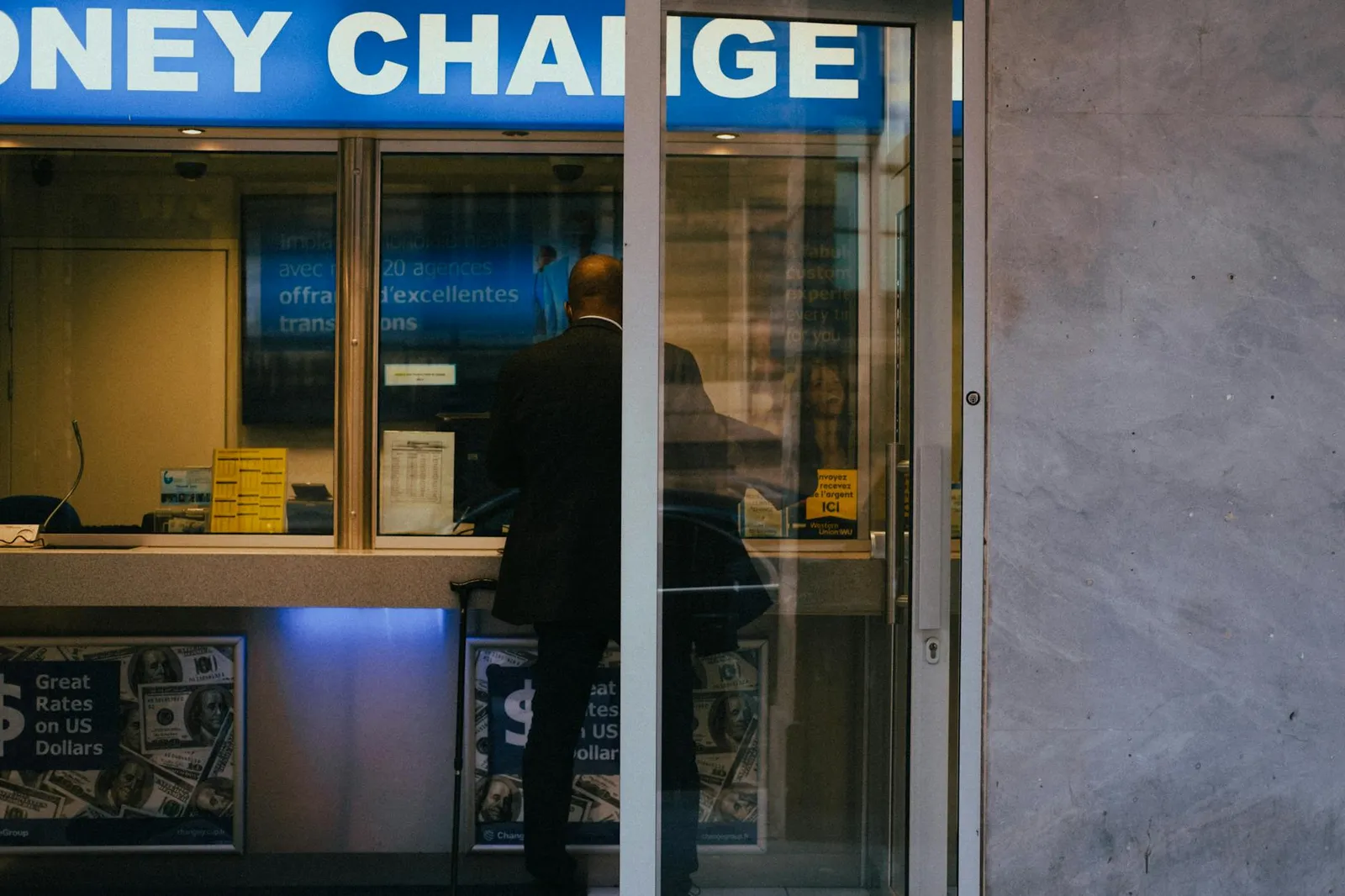
SEPA Payment with Raiffeisenbank - Fees, Duration, and Procedure for Czech Republic Customers
In the modern digital banking landscape, understanding the SEPA payment system is crucial for customers wanting to streamline their transactions. Raiffeisenbank offers a unique platform for clients in the Czech Republic, allowing them to easily manage their outgoing and incoming payments within the European zone. This guide will take an in-depth look at the fees, duration, and required procedures that customers need to be aware of when making SEPA payments.
See also: SOB Payment Abroad from the Czech Republic.
With the growing emphasis on digital banking, it's essential to learn how Raiffeisenbank's SEPA payment system operates. Customers can benefit from more favorable conditions and cost-effective solutions, as SEPA payments are generally cheaper than traditional methods. By using IBAN-based transactions, clients can select from a variety of banks and subsidiaries across Europe, ensuring their money reaches its destination quickly and efficiently.
Employees of Raiffeisenbank are always ready to assist customers with any questions they may have about the payment process. Notifications about incoming transactions and the exact duration of outgoing payments can be easily accessed via the bank's online platform. Understanding these aspects of SEPA payments will not only keep customers informed but also enable them to make the most of their banking experience, including filling out necessary forms and managing their accounts with ease.
Understanding SEPA Payments
SEPA, which stands for Single Euro Payments Area, is a payment integration initiative aimed at making transfers easier, faster, and cheaper across Europe. It allows individuals and businesses in the eurozone countries to make and receive payments in euros with the same ease as they would within their own country. Understanding how this system functions is critical for users looking to optimize their banking transactions.
One of the primary advantages of SEPA payments is the standardized process they provide. Customers should learn the requirements, such as having an active bank account with an IBAN (International Bank Account Number) in order to initiate transfers. This standardization is essential for ensuring that all necessary data is captured accurately, which helps to minimize errors during transactions.
When it comes to duration, SEPA transfers are generally processed faster than traditional cross-border payments. Most payments are executed within one business day, making it a favorable option for both individuals and businesses. In many cases, clients may find that their payments are processed automatically, allowing for increased efficiency in managing their finances.
Fees associated with SEPA payments are typically lower than those for international transfers, making it a wise choice for users seeking to save money. Raiffeisenbank, for instance, offers competitive rates with a transparent fee structure. Customers can always check for any applicable markups or additional charges, ensuring that they are fully informed about their expenses.
Those interested in using the SEPA system should follow specific procedures to initiate their payments. Basing the transfer on their account details, users must provide the recipient’s information, including their IBAN. This inclusion of precise data is key to executing successful transactions across different banking platforms and subsidiaries.
In terms of incoming payments, SEPA allows for seamless transfers from various countries within the eurozone. Employees and businesses alike benefit from the ability to receive funds directly, drastically reducing the complexities typically associated with international banking. This not only leads to faster access to money but also enhances overall financial management.
It is essential to stay updated about any changes in the policies governing SEPA payments. Regularly checking with your banking advisor ensures you are aware of the latest details and any improvements in the service provided by banks. Banks, including Raiffeisenbank, strive to enhance their services, making it easier for customers to benefit from the SEPA system.
In summary, SEPA payments offer a practical solution for managing financial transactions across Europe. With a clear understanding of the procedures, duration, and fees involved, customers can maximize the advantages of this effective banking method. By using SEPA, individuals and businesses can transfer money not only faster but also more economically, thus positioning themselves for greater financial success.
What is SEPA?
The Single Euro Payments Area (SEPA) is a payment integration initiative aimed at simplifying bank transfers denominated in euros. It enables customers of various banks across Europe to make and receive payments in a more straightforward manner, enhancing the efficiency and accessibility of banking services. SEPA makes it possible for transfers to occur directly between accounts in different countries without the complications usually associated with international money transfers.
This system includes various types of transactions such as incoming and outgoing transfers, ensuring that payments can be executed easily. SEPA is designed to work across the eurozone, which encompasses 36 member nations, including all European Union member countries, along with a few non-EU countries. This enables individuals and businesses alike to transfer money without the need for markup or additional fees typically imposed by traditional banking systems.
To facilitate these transactions, banks like Raiffeisenbank actively participate in the SEPA network, providing customers with a platform to manage their money effectively. The system allows transactions to occur within a matter of minutes, which is particularly advantageous for businesses needing to process payments swiftly. This speed is crucial, especially in a fast-paced economy where time is often equated with money.
Moreover, the SEPA system is designed with user-friendliness in mind; customers can fill out payment requests through their online banking interface with necessary details. Customers always receive notifications regarding the status of their transfers, keeping them informed about the exact date and duration of their payments. This level of transparency aids in establishing trust between consumers and their banks.
SEPA payments are generally cheaper than traditional cross-border transactions, thanks to the unified framework that reduces transaction costs for both consumers and banks. This makes it a favourable option for both individuals and businesses who are looking to minimize their banking expenses while still enjoying the benefits of modern financial services.
In the broader context of European banking, SEPA is considered an essential tool that enhances financial integration across the continent. It contributes to a more active and interactive financial landscape, wherein different banking subsidiaries can compete more fairly. The system is continually updated to adapt to the changing needs of customers, providing additional features that make money management even easier.
For anyone looking to optimize their banking experience, understanding SEPA is crucial. One can easily learn about its features, such as how to initiate and manage transfers effectively, providing a strong foundation for navigating the banking system. As the European economic environment evolves, staying informed about SEPA and its offerings will allow customers to take advantage of its efficiencies and remain financially savvy.
Advantages of Using SEPA for Transactions
The Single Euro Payments Area (SEPA) provides a simplified and standardized system for making payments across Europe. One of the most significant advantages is that it allows customers to perform transfers with various banks using a common framework, which streamlines the payment process.
Using SEPA helps companies meet their custom payment purposes efficiently. Businesses can easily manage incoming and outgoing transactions, allowing their employees to focus more on core activities rather than banking logistics. This efficiency can be particularly valuable for subsidiaries that operate in different countries within the SEPA zone.
In general, SEPA payments are cheaper compared to traditional international banking methods. Customers do not have to worry about high transaction fees associated with cross-border payments, making it a wise choice for anyone who regularly transfers money across borders. With SEPA, customers can expect a flat rate for transactions, regardless of the currency involved.
Another key benefit is the faster duration of SEPA transfers. Transactions are typically completed within minutes, ensuring that businesses have access to their funds quickly. This speed can be crucial for companies that rely on timely payments to maintain operations, enabling them to fill orders and pay suppliers seamlessly.
Digital banking solutions powered by SEPA provide a fully automated process for making payments. Customers can easily select the necessary services through their online banking platform. With all relevant information including IBAN and payment details stored securely, users can execute payments without hassle.
- Support for multiple currencies
- Unified payment standards across the SEPA zone
- Reduced paperwork and manual data entry
- Automatic updates and alerts from banking advisors
In conclusion, SEPA offers a modern payment solution that enhances the efficiency and cost-effectiveness of banking transactions. By adopting SEPA, businesses and individuals benefit from faster payments, lower fees, and a systematic approach to managing their financial data, ultimately supporting the growth of international trade and commerce.
Differences Between SEPA and Traditional Transfers
SEPA (Single Euro Payments Area) transfers provide a streamlined solution for making payments across European countries. This system allows customers to easily send and receive Euros within the eurozone, which includes 36 countries. In contrast, traditional bank transfers often involve different currencies and can incur additional exchange rates that make the process more complicated and expensive. Understanding the key differences between these two types of transfers is essential for anyone looking to make efficient financial transactions.
One major distinction is the duration of the transfer process. SEPA transfers generally offer a faster transaction time compared to traditional transfers. While traditional methods could take several days due to the need for manual processing or intermediary banks, SEPA ensures that payments are completed within one business day, keeping customers informed about the transaction status in real-time.
Another important factor is the fee structure. SEPA transfers are designed to be cheaper, often eliminating fees for incoming and outgoing payments entirely, especially when using services like Raiffeisenbank's platform. Traditional transfers, by contrast, may include various charges, making them less favorable for customers, especially for those conducting regular payments.
Additionally, SEPA transfers often allow for more convenient online transactions. With the rise of internet banking, customers can manage their payments directly from their accounts. Most banks provide digital options where users can fill in their transfer details and select the desired services, without the need to visit a physical branch. This ease of use contributes to the growing preference for SEPA payments over traditional methods.
Security is also a vital aspect to consider. SEPA provides a robust system that automatically ensures data protection through advanced encryption technologies, which safeguards transactions. Traditional transfers may not always offer the same level of security, and users may need to be more vigilant about potential risks associated with their payments.
Lastly, when evaluating SEPA versus traditional transfers, customers should consider how these different systems meet their specific needs. Depending on the frequency and size of transactions, one method may be more efficient than the other. With SEPA's favourable exchange rates and support for various purposes, it's clear that for customers in the European zone, integrating this payment solution can significantly enhance their financial operations.
Ready to set up your Cyprus company?
Our specialists guide you through the entire process — registration, tax setup, and bank account opening.
Request a consultation →