

Silenced Voices - Understanding the Global Decline of Freedom of Expression
The apparent decline of freedom of expression has become a pressing issue throughout the globe, as authorities employ various methods to suppress dissenters and maintain control over the narrative. This troubling trend, particularly pronounced in recent years, has seen a totalitarian grip tighten around the very foundations of rights-respecting societies. The last triennium revealed alarming statistics regarding attacks on free speech, leading many to question the channels available for fostering open dialogue.
In this context, the Committee on Human Rights has launched campaigns aimed at defending the identities of those unjustly marginalized. These efforts help highlight the voices of minorities, such as the indigenous populations of Guadalupe, who have historically faced repression. Although the mere act of proclaiming dissent can lead to severe consequences, many continue to bravely advocate for their rights, refusing to be silenced by pro-government propaganda that often delivers falsehoods to the public.
Learning from these challenges requires a commitment to understanding the relationship between speech and power. As pro-government narratives gain momentum, the limitation of expression becomes increasingly sophisticated, targeting not only political opponents but also those grappling with societal issues, such as addictions and mental illnesses. It is essential to recognize these developments and actively work towards advancing a freedom of expression that encompasses all identities and fosters a culture of respect and open dialogue.
Factors Contributing to the Decline
The recent global decline of freedom of expression can be attributed to a multitude of factors that manifest differently across various jurisdictions. One significant element is the rise of autocratic regimes that increasingly rely on scapegoating dissenting voices to maintain their grip on power. In many cases, leaders resort to a barrage of propaganda while invoking terrorism as a justification for tightening controls over communications. As a result, countries like Spain and others in Europe face challenges where citizens' opinions are increasingly stifled, making the context surrounding freedom of expression highly precarious.
Moreover, the rapid development of technology has transformed the landscape of information dissemination, creating both opportunities and threats. While improvements in encryption and secure communications can inform dissidents, they can also lead to increased surveillance by totalitarian regimes. This dual-edged sword complicates the way individuals engage with political discourse, with many choosing to assume a position of silence rather than risking their independence. According to reports from dordrecht-heidelberg-london-new institutions, the figure of individuals facing repercussions for voicing dissenting ideas continues to rise.
Finally, the market for ideas itself has shifted towards a model that, paradoxically, discourages tolerance for differing opinions. The pressure to conform to a singular narrative often leads to a decline in the diversity of viewpoints, which ultimately stifles critical thought. In this environment, even in highly democratic nations, the balancing act between respecting free speech and addressing hate speech becomes increasingly fraught. Therefore, understanding these factors is essential for comprehending the complex interplay of elements driving the decline of freedom of expression globally.
Government Censorship: A Growing Trend
Government censorship is a phenomenon that has become increasingly apparent across various nations, where sovereign states actively seek to control media narratives. This practice has gained vigor, particularly in countries where citizens are standing against opaque restrictions that govern their freedom of expression. The investigations reveal a disturbing trend: former leaders often use the pretext of national security to introduce laws that prohibit dissenting voices. Consequently, many articulate citizens find themselves unable to navigate the threads of freedom, living under constant threat of violent prosecution. Such restrictions are far from reasonable, as they often lead to a kind of courageous resistance wherein individuals, despite facing severe sanctions, continue to advocate for their rights.
The global landscape of media is transforming, with financial implications becoming increasingly significant. In a world where information flows like water, a billionaire's influence can swiftly change the narrative, leaving the poor and marginalized even more vulnerable. For example, the latest statistics indicate that in 2022, government sanctioned restrictions affected over 1 billion individuals worldwide, showcasing the extreme lengths to which authorities will go to maintain control. Tocqueville once suggested that the introduction of restrictions on citizenship erodes the very fabric of democracy; hence, as the struggle for expression endures, it becomes clear that the fight against censorship is not just a legal battle but a profound moral endeavor that seeks to pave the way toward a more perfect union.
Corporate Influence on Media Outlets
The role of corporate influence on media outlets has become an increasingly critical issue in the context of freedom of expression. Respecting diverse perspectives has often been sidelined, resulting in the throttling of independent reporting. In many cases, media houses lean toward narratives that align with their owners' interests, thus prioritizing profits over the public's right to unbiased information. This dynamic leads to a decline in the quality of journalism and a totalitarianism of thought, where only certain viewpoints are amplified while others are systematically excluded from discourse.
Various indicators suggest that the funding of media organizations is often tied to the political climate, especially during election cycles. For instance, the attitude exhibited by major corporations may affect the content produced by news outlets, with extreme caution exercised in reporting potentially controversial facts. This not only compromises the integrity of journalism but also means that the audience receives information that is heavily slanted or even false. The sheer volume of funding can create a chilling effect on the freedom of the press, undermining the foundational principles of libertarianism.
CIVICUS, an organization that monitors civil society, frequently reports on how financial dependencies can result in censored content. Millions of individuals worldwide are affected by restricted access to impartial news, which compromises their ability to engage in informed civic participation. As civic spaces become increasingly divided, the implications of corporate dominance in media become apparent, often leading to violations of individuals' rights to free expression. Such violations are not merely incidental; they indicate a troubling trend where certain voices are systematically silenced.
The legal ramifications of corporate influence cannot be understated either. In several jurisdictions, journalists who attempt to fight back against censored narratives have been sentenced harshly, demonstrating a brutal backlash against those who dare to challenge prevailing norms. Jurisprudential considerations often prioritize corporate property rights over journalistic freedom, thereby instituting a culture of fear that discourages anyone from calling for transparency. This dismal landscape adds another layer to the erosion of freedom of expression.
Certain media outlets, especially those located in politically charged environments like London, have become adept at navigating this complex milieu. They often self-censor to align with corporate funders, which means that the notion of independent journalism is increasingly undermined. Critics argue that a market-driven approach to news is fundamentally flawed, as it is increasingly preoccupied with profitability rather than truth. As a result, the conception of journalism as a vital democratic pillar gets distorted and diminished.
Meanwhile, the societal implications of this decline extend beyond the media itself. The quality of public discourse suffers tremendously when true reporting is relegated to the background. When the media becomes a mouthpiece for corporate interests, the space for peaceful discussion dwindles. Insights from studies, such as those published on PubMed and Harvard research, illustrate that access to a variety of media sources is crucial for a healthy democracy. The decline in diverse perspectives can thus profoundly affect individual understanding and engagement in politics.
In summary, the corporate influence on media outlets is multifaceted, involving both economic motivations and political considerations. The interplay of funding, censorship, and legal repercussions creates an environment where true freedom of expression is likely to be curtailed. It's crucial to recognize these challenges and push back against a trajectory that leads to increasingly restricted access to unbiased information. As society grapples with these realities, a renewed commitment to respecting diverse voices becomes essential for restoring balance in public discourse.
The Role of Social Media Algorithms
Social media algorithms have profoundly influenced how content is disseminated and consumed across the globe, thus impacting freedom of expression. In countries like Pakistan and Poland, pro-government forces have harnessed these algorithms to suppress dissent and promote a narrative that defends their power. This often results in the silencing of voices that challenge the established norms, leading to a situation where journalism is restricted to a narrow spectrum of acceptable discourse. Users, in turn, find themselves questioning their own ability to share writings and thoughts freely. As these algorithms prioritize content based on engagement, controversial or dissenting viewpoints are frequently marginalized, creating a false sense of normalcy for the majority.
Consequently, the challenge lies in addressing the reasonable limits that are commonly applied by social media companies to protect user engagement while also safeguarding liberties. An improvement in these algorithms is essential to ensure that even the silenced voices can find their platform. By broadening the scope of content which is promoted and ensuring that diverse perspectives are not only tolerated but encouraged, the existing framework can evolve into a more equitable bulwark for freedom of expression. The ongoing uprising against the criminalization of certain ideas must be coupled with a critical examination of how technology can either stifle or bolster liberty in a politically charged environment.
Impact of National Security Policies
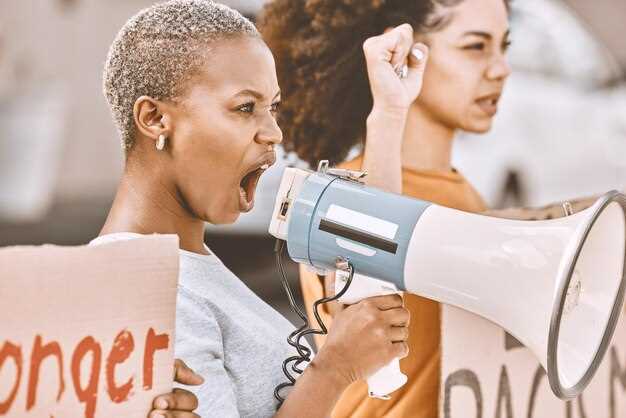
National security policies often serve as a justification for governments to impose restrictions on freedom of expression, leading to a chilling effect on public discourse. Governments may argue that such measures are necessary to protect citizens from external threats, yet these policies frequently infringe upon basic human rights. This results in a climate where individuals feel unable to express their thoughts and opinions, fearing repercussions that could jeopardize their safety or livelihoods.
In many countries, including Malaysia and Lesotho, the enactment of draconian measures has allowed authorities to monitor and suppress dissent. Investigations into public protests or criticism often lead to arrests, with the rationale of maintaining national security. This has disproportionately affected marginalized groups and those voicing opposition, creating a landscape where only government-approved narratives are allowed to flourish.
- Such policies are often reflected in:
- The curtailment of internet freedoms, leading to decreased access to information.
- Regulations that require platforms to seek permission before sharing news, often leading to self-censorship.
- The spread of disinformation campaigns that undermine trust in independent media.
As Juan Bessette noted, the impacts of these policies extend beyond borders, affecting global perceptions of freedom of speech. The choice to implement restrictive measures often favors the ruling class, protecting their interests while leaving the general populace without a voice. This behavioral shift points toward a growing trend of authoritarianism, where governments prioritize their survival over citizens' rights.
The future of free expression in these environments appears bleak, as pervasive surveillance and penalties for dissent create an incredibly hostile atmosphere. Language deemed “annoying” or critical of the state is often met with swift action. This situation illustrates how national security rhetoric can be deviated into a tool for oppression rather than protection.
- Critical contributions to society become stifled.
- Academic institutions, like universities, may find their work scrutinized and restricted.
- Authors and journalists often face hostility that can deter them from their craft.
In conclusion, while the intention behind national security policies may be to protect the state and its citizens, the manner in which these policies are enacted often results in a loss of fundamental freedoms. Going forward, it is imperative that societies advocate for policies that honor individual rights without compromising their security. A balance must be struck, focusing not solely on protection but also on the invaluable contributions that open dialogue provides to a flourishing democracy.
Ready to set up your Cyprus company?
Our specialists guide you through the entire process — registration, tax setup, and bank account opening.
Request a consultation →