
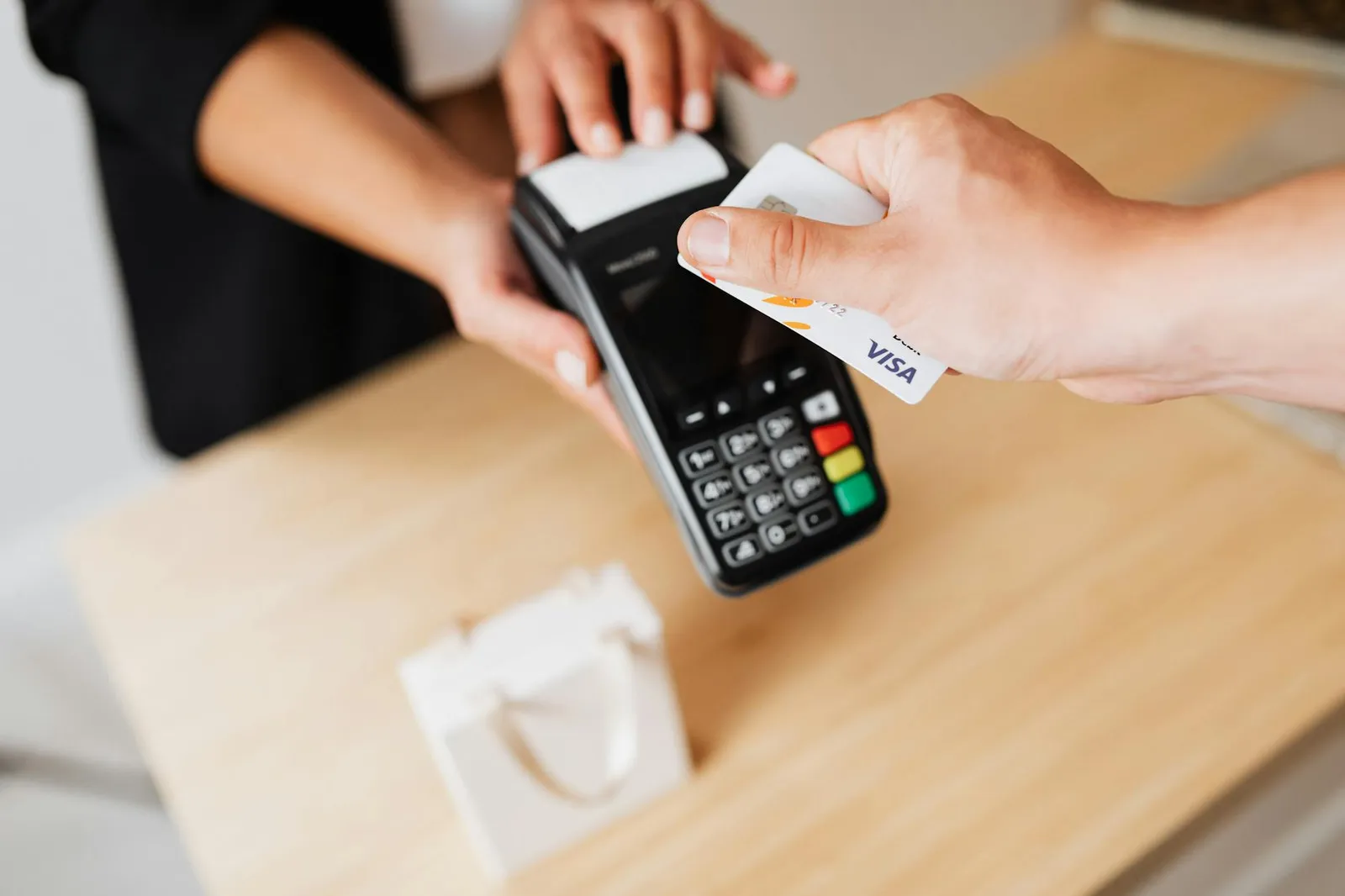
Six Reasons to Open a Swiss Bank Account for Non-Residents
Aligning your financial strategies with a reputable financial institution can significantly benefit individuals seeking a secure and stable environment for their deposits. Switzerland, known for its robust banking system, offers various advantages that can attract clients worldwide. Although some may perceive these services as only for wealthy citizens, the truth is that the ongoing opportunity for diverse individuals is evident.
One major advantage of utilizing a Swiss financial service is the efficient management of funds. Holding assets in a jurisdiction that values privacy and regulatory oversight can enhance your financial planning. This type of service is particularly appealing for international clients who want to safeguard their wealth while benefiting from global market access. Reputable experts in the sector will guide you through the process of establishing a strong financial base.
Access to various financial products, including debit tools and investment options, positions clients to maximize their portfolio’s potential. In a landscape where economic fluctuations are common, having a reliable banking partner can serve as a cornerstone for long-term financial health. Consider the different offerings available to ensure that your financial objectives are met with precision and care.
Swiss Banking for Non-Residents: Practical Overview
See also: Guide to Opening a Swiss Bank Account for Expats and....
Consider opening a financial institution in Suisse to access a range of benefits. High minimum balances are often required, making it suitable for serious investors. You'll find various financial products including wealth management and investment funds tailored to your needs.
Local regulations provide attractive measures for asset protection and confidentiality, significantly benefiting those seeking stability in fluctuating political climates. In fact, accounts can offer options like gold investment, catering to diverse risk appetites.
Many institutions now allow you to open an account online, streamlining the process regardless of your current location. It is advisable to contact the bank directly to clarify specific requirements and ensure a smooth experience during setup.
See also: Step-by-Step Guide.
See also: 6 Compelling Reasons for Non-Residents to Open a Bank Account....
With debit and credit cards linked to your account, accessing your funds while traveling becomes seamless. Balances remain accessible globally, providing flexibility and numerous opportunities for international transactions. Whether you are looking to manage funds or expand your financial portfolio, exploring Suisse options could lead to beneficial outcomes.
Document requirements for non-residents and proof of address
To establish a financial relationship with institutions abroad, a potential client must prepare specific documentation. The following points outline necessary requirements for non-residents:
- Valid passport or government-issued identification, confirming identity.
- Proof of residence, such as utility bills or bank statements, dated within the last three months.
- Evidence of employment or source of income, which could include pay stubs or tax returns.
Choosing the right documents is crucial for a smooth process. Keep in mind that regulatory partners in the financial sector often seek transparency regarding your financial activities.
Managing your account may require ongoing submission of documents to demonstrate stable income and address verification. Be aware that in times of economic instability, financial institutions may request additional information.
Automatic checks against global financial lists may also occur, hence it is wise to ensure accuracy in provided details. They may inquire about foreign exchange activities or investments to meet compliance standards.
In conclusion, remaining proactive in gathering and submitting the required documentation will facilitate the opening process and help establish a strong financial background.
How to pick a bank with strong privacy controls and client confidentiality

Focus on selecting a firm that emphasizes a robust framework for privacy. Analyze their stability in handling sensitive information, as this plays a key role in your security.
Evaluate the automatic protection features offered, particularly regarding your currency holdings. High-end bankers with solid reputations are often associated with effective privacy solutions.
These institutions typically have valuable agreements with established partners that enhance their client confidentiality. Look for banks that proactively protect your assets and do not require excessive personal information.
Choosing a financial institution that offers credit and debit cards linked to your account with strong security measures can provide added protection. Always investigate the bank's history and feedback from other clients to ensure you are making the best choice.
Lastly, consider those options that have made a name for themselves in privacy control and are viewed positively within the industry. This growing sector increasingly offers choices tailored to individuals who prioritize confidentiality.
Onboarding steps to limit identity exposure during account setup

Begin with a detailed assessment of required documents, ensuring only necessary information is shared with the institution. This strategic approach minimizes identity exposure. Gather essential identification, such as a valid passport, proof of residence, and any additional financial documents that may be relevant for the process.
Consider utilizing foreign entities, like trusts or companies, to add a layer of anonymity. Investors should ensure these structures comply with local regulations to maintain their legal standing while providing an added shield for personal information.
When submitting documentation, prioritize electronic submissions through secure portals. This method reduces the risk of administrative errors and fraudulent access to sensitive information. Ensure you receive confirmation of receipt from the authority to establish a clear record.
Be aware of ongoing reporting requirements that may arise after the setup. Monitoring these obligations ensures compliance with financial regulations while protecting your identity from unnecessary exposure. Establish a regular review process to manage these requirements effectively.
Integrate recommendations from financial advisors who specialize in international accounts, especially those familiar with the intricacies of suisse systems. They can provide invaluable insights into specific strategies tailored to your needs.
| Step | Description |
|---|---|
| Document Preparation | Gather necessary identification and financial documents. |
| Entity Setup | Consider using foreign entities for added anonymity. |
| Secure Submission | Submit documents electronically through secure channels. |
| Review Obligations | Establish ongoing monitoring of reporting requirements. |
| Consult Experts | Engage with financial advisors for tailored recommendations. |
By following these steps, individuals can successfully navigate the setup process while safeguarding their personal information from undue exposure, thus enhancing their overall security measures in foreign financial environments.
Online and mobile privacy: securing access and data
To enhance your online and mobile privacy, utilize encryption tools for all communications. Every document you share should be protected, ensuring that potential criminal access is minimized. Consider using two-factor authentication to secure account access, providing an additional layer under your main password.
To report suspicious activities or unauthorized transactions, maintain regular checks on your balances. This is particularly important if you handle international transactions, as different jurisdictions may have varying standards for privacy protection.
When selecting a service provider, look for those that carefully outline their privacy policies, available data protections, and the origin of their security measures. Here’s another tip: avoid using public Wi-Fi for sensitive transactions, as these networks can expose your information to vulnerabilities.
Your data should be stored securely, with proper protections against unauthorized access. Meeting security standards while considering the implications of data storage is crucial for maintaining privacy, especially if you are a global user managing information across borders.
Each time you access your accounts, ensure that you do so from trusted devices. Keep software updated to guard against security breaches, as outdated systems become easy targets for cybercriminals. Being proactive about security will make much difference in safeguarding your assets.
Ongoing practices: data requests, audits, and compliant privacy management
Complying with regulations is paramount. Apply due diligence during the onboarding process to ensure that your chosen institution is reputable. Several banks have stringent requirements, including a thorough background check and secure documentation of your passport details.
Time is of the essence. Allocate resources to ensure that you are familiar with the regulations that apply. Costs can escalate if your institution needs to conduct audits or respond to data requests from authorities. Continuous efforts to maintain transparency and compliance will set your financial practices apart.
Privacy management is crucial. Establish a secure setting that allows you to monitor your balances and transactions legally and safely. Anti-money laundering policies require ongoing monitoring and prompt reporting of suspicious activities. You'll need to be proactive in understanding these laws to continue enjoying your banking benefits.
Take advantage of opportunities such as the SFTA (Swiss Financial Transactions Authorization) program, which offers guidance on maintaining compliance while managing your assets. Political stability in Switzerland adds an extra layer of security, allowing you to exchange funds with peace of mind.
In summary, the path to successful banking involves knowing what is required and following through with diligence, ensuring you can adapt to future regulations and maintain your financial integrity.
Ready to set up your Cyprus company?
Our specialists guide you through the entire process — registration, tax setup, and bank account opening.
Request a consultation →