

The Island Private School of Limassol - Redefining Role and Purpose in a Child's Life — Peter Samko
Schedule a campus visit this week and arrange a classroom shadowing session to observe how teachers tailor tasks to individual learners and keep students engaged from the first bell to the final reflection.
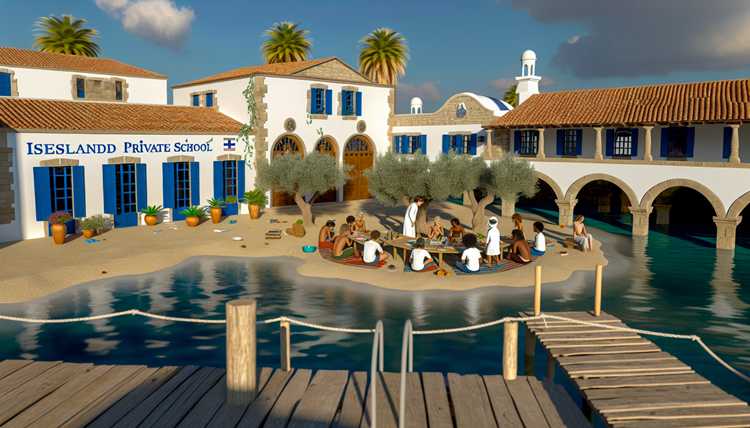
At The Island Private School of Limassol, the approach rests on three guiding pillars: purposeful inquiry, character development, and a robust home-school partnership that keeps families informed with concrete milestones.
Typical class sizes range from 12 to 16 students, with a student-teacher ratio near 1:6, enabling frequent feedback. Each term blends project work with formative assessments, and language study includes English, Greek, and French or another language depending on cohort needs. The campus features science labs, an art studio, a gym, and an outdoor field for hands-on learning.
Timetables balance academics with physical education, arts, and STEM workshops, ensuring students develop resilience and collaboration through group projects and presentations. A strong emphasis on outcomes is supported by portfolio evidence that tracks skill growth across subjects.
Parents receive updates through quarterly portfolio reviews and a digital, accessible portfolio system that showcases projects, reflections, and skill growth. Social-emotional learning is embedded through advisory groups and mentorship, with teachers guiding students to set personal goals and reflect on progress in a structured format.
To choose wisely, ask about a trial day, transport routes across Limassol, scholarship options, and how teachers integrate values into daily routines so that a child feels seen and challenged.
When you visit, look for a school that treats each child as a capable contributor, connecting learning to real-life questions and a supportive peer community.
Structuring morning routines to boost attention and lesson readiness
Begin with a 15-minute sequence: 5 minutes of light movement, 5 minutes of hydration with a small protein snack, and 5 minutes to set a clear intention for the first two lessons. Use the same order every school day to create predictability and reduce morning friction.
Movement options for younger students include brisk hallway walking, gentle stretching, and short bursts of activity like marching in place or light jogging in place. Keep sessions steady and stop if fatigue appears to avoid restlessness later.
Hydration and fuel: drink a glass of water immediately after waking, followed by a small protein snack (yogurt, cheese stick, or a peanut butter on toast option) and a piece of fruit. Pair this with two minutes of slow, deliberate breathing to switch from nighttime rest to classroom focus.
Mental priming: ask the child to name two key tasks for the first block and write them on a sticky note to keep on the desk. This creates a concrete cue that guides attention when the bell rings.
Environment: arrange a tidy desk, bright but gentle lighting, and minimal noise. Turn off notifications for the first 20-30 minutes and designate a clear study area to minimize distractions at the start of class.
Consistency and adaptation: set a fixed wake time across weekdays; if weekend shifts occur, limit changes to about 15 minutes and resume the normal pattern promptly.
Two quick templates for different ages
Template A (ages 6-8): one glass of water, 5 minutes of movement (gentle stretches plus three short bursts of movement like marching in place), 3 minutes of natural-light exposure (open blinds or step outdoors briefly), and 3 minutes to write two goals for the morning block on a sticky note.
Template B (ages 9-11): one glass of water, 7 minutes of movement (brief circuit: squats, lunges, overhead reach), 3 minutes to set two lesson aims, and 2 minutes to quickly review the day’s first two classes and materials required.
Personalised learning plans: drafting, review and individual adjustments
Draft a 6-week personalised learning plan for each pupil with clear goals, concrete tasks, and a built‑in review date. Include three to five measurable goals tied to curriculum outcomes, plus explicit success criteria and evidence tasks. Involve the learner and family from day one to align aims with classroom routines at The Island Private School of Limassol.
Drafting the plan
Gather data from recent assessments, reading levels, numeracy fluency, and language needs. Note preferred learning channels (visual, auditory, kinesthetic) and any necessary access adjustments. Create three to five learning goals linked to core outcomes, with clear success criteria and evidence tasks. Specify teaching strategies for different contexts: small-group instruction, guided practice, and targeted prompts during independent work. Assign responsibilities to the teacher, support staff, and family; set review dates every two to four weeks and a final summary at the end of the six‑week period.
Keep the plan concise and store it in a student portfolio along with samples of work and progress notes; ensure privacy guidelines are followed and consent is clear. Use plain language and include a one-page overview the family can reference before meetings.
Review and adjustments
During each check, compare evidence against the success criteria, note progress and remaining gaps. If a goal is met early, replace it with a fresh target; if progress stalls, adjust pace, materials, or scaffolds. Possible adjustments include longer time on tasks, simplified wording, visual prompts, bilingual glossaries, and alternative task formats. Change the learning environment as needed–quiet corner, seating arrangement, or lighting–to support focus. Share decisions with the family with a brief update and update the plan within 48 hours after the meeting.
Practical steps for parents when pastoral teams raise wellbeing concerns
Document concerns in a written log within 24 hours of noticing them, including date, time, observed behavior, location, individuals involved, and the impact on the child’s wellbeing. Attach any supporting materials such as attendance records, report cards, or notes from teachers.
Bring a concise summary to the first meeting with pastoral staff to keep discussion focused and actionable.
- Confirm the concern in clear terms and request specific examples from staff. Note changes in mood, routines, school performance, or peer interactions with dates and contexts.
- Ask for a written wellbeing plan with defined goals, actions, responsible staff, and review dates. Include what success looks like and how progress will be measured.
- Designate a single contact at the school for updates. Obtain their email, phone number, and preferred times for check-ins.
- Set realistic timelines. Propose an initial response within 5 working days and a follow-up plan within 2 weeks of the meeting.
- Protect your child’s privacy. Clarify what information will be shared, with whom, and how consent for sharing outside the school will be handled.
- Involve external supports if needed. If mental health concerns are present, request an intake with the school counsellor and ask about external referrals with parental consent.
- Keep a running record of actions and outcomes. Update the log after each check-in with progress, barriers, and new observations.
- Coordinate home and school messaging. Align on tone, content, and timing for updates to avoid mixed messages.
- Ask for pupil input when possible. Create a safe space for the child to share thoughts and preferences about helps and supports.
- Escalate if no progress occurs. If measurable steps lapse, contact the safeguarding lead, senior staff, or a designated external advisor. Request a formal review meeting if needed.
Questions to guide the meeting
- What exact concerns have been raised and what signs support them?
- What goals will a wellbeing plan pursue in the coming weeks?
- Which staff will oversee each action, and what is the expected response time?
- What safeguards protect the pupil’s privacy while enabling support?
- What indicators will mark progress or the need for escalation?
Elements of a responsive wellbeing plan
- Clear goals tied to observed needs, not labels.
- Specified actions, such as schedule changes, peer support, or counselling sessions.
- Assigned staff with contact details and meeting cadence.
- Review dates and criteria for success, with a plan to adjust as needed.
- Consent steps for any external referrals or information sharing.
In-class formative assessments used at Island Private; interpreting resulting reports
See also: Construction Budget Advisory Firms.
See also: Hard Work, Perseverance, Dedication.
See also: Audit Your Daily Schedule.
Post a one-page results sheet within 24 hours after each lesson and include a single, actionable reteach objective to guide the next session. Use a 5-minute exit ticket to capture immediate evidence.
Island Private uses four formats weekly: exit tickets, five-question quizzes, short performance tasks, and teacher rubrics on observed work. Last term, six weeks long, 215 tasks were logged across grades 2–6: 132 met the target on first attempt, 83 did not.
Interpret results item by item. Patterns show 40% of misses come from misreading prompts, 28% from skipped steps, 32% from calculation slips.
Group students by need: concept clarity, procedural fluency, and application reasoning. Implement 20-minute reteach blocks with tiered tasks, provide worked exemplars, and assign five practice items; schedule a follow-up check within four to seven days.
Update the data notebook weekly, and compare initial outcomes with the follow-up task to monitor progress. Aim for a 10–20% improvement per cycle; if targets shift, adjust lesson plans accordingly.
Deliver feedback in student-friendly language; include one concrete next step and one success note. Use color markers: green for met target, yellow for near-target, red for needs support.
Admin uses monthly cross-class reviews to calibrate scoring and ensure consistent interpretation. Track improvements three times per term and align with learning targets.
Parental use of portal, weekly briefings; supporting homework while respecting boundaries
Implement a fixed weekly briefing on the parent portal each Monday at 6:00 p.m. A 1-page update suffices: list 3 sections–deadlines for this week, teacher feedback or notes, and a short list of questions for the teacher. This creates clarity and reduces back-and-forth messages.
Parents review assigned tasks, due dates, and rubrics; set calendar reminders 2–3 times per week; use color-coded labels for urgency (red upcoming due within 3 days, amber within 5–7 days, green beyond). Encourage the child to annotate the plan in the portal with their own notes, which promotes responsibility.
Structure of the weekly briefing
Keep the update concise: 5 points max. Begin with 1 line of positive progress, then list 2–3 upcoming items, finish with 1 clear question or request for teacher feedback. Example format: 1) This week: Math worksheet due Fri; 2) Reading: chapter questions due Wed; 3) Question: confirm preferred approach to problem 7 in the exercise set. This format makes it easy for staff to respond within 24 hours.
Boundaries for homework support
Parents guide rather than do. Help child plan each session, gather resources, check spelling, and offer feedback only on structure, not content. Encourage independent work: plan 20–30 minutes per subject, with 5-minute reflection at end. If a block stalls, switch to a different subject or a brief break, then resume. No after-hours solving; if a child hits a wall, schedule a 15-minute check-in with the teacher rather than handling the task alone. Maintain a consistent study space, free from distractions, and limit device use in the hour before sleep.
Scheduling extracurricular programmes to develop transferable skills while preventing overload
Limit weekly extracurriculars to two options per student and cap total after-school hours at 5–6 hours, with one monthly project. This keeps focus sharp and supports steady skill development.
Design four skill clusters aligned with classroom goals: Communication and collaboration; Critical thinking and problem solving; Creativity and adaptability; Personal organisation and leadership. Each cluster includes 2–3 activities per term with clear outcomes and rubrics.
Calendar model specifies a balanced rhythm: sign-up window in weeks 1–2, orientation in week 3, active sessions in weeks 4–7, and reflection in week 8. Sessions run 60 minutes on Tue and Thu, plus a 90-minute weekend workshop every three weeks to spread effort without clashing with exams.
Data from a 12-week pilot across eight cohorts with 420 students shows that participants in two activities average 5 hours per week and achieve a 15–20% improvement in rubric scores for communication and collaboration by term end. Feedback highlights better time management and stronger peer feedback when workloads stay within the cap.
Implementation rests on three supports: a sign-up window with visible limits, a quarterly plan aligned to the term's academic calendar, and a mid-term review that includes student, parent, and tutor input. Provide teachers with ready-made rubrics and a shared calendar to track sessions and assessments.
| Skill cluster | Recommended weekly hours | Sample activities | Assessment methods | Notes |
|---|---|---|---|---|
| Communication & Collaboration | 2 | Debate Club; Team Projects; Peer Coaching | Peer feedback rubric; facilitator observation | Link to core timetable 60-min sessions on Tue/Thu |
| Critical Thinking & Problem Solving | 1–2 | Robotics Club; Puzzle Lab; Challenge tasks | Problem-solving log; task write-ups | Coordinate with science and math activities |
| Creativity & Adaptability | 1–2 | Makerspace challenges; Creative Writing; Innovation sprint | Portfolio; reflective entry | Cross-club collaboration encouraged |
| Personal Organisation & Leadership | 1 | Student Council; Mentoring; Time-management workshop | Leadership log; deadline adherence | Builds a leadership pathway |
Transition programmes preparing pupils physically, socially and academically for next stages
Physical readiness structures

Begin with a 12-week transition programme that blends physical readiness, social integration, and study routines. The plan runs three 45-minute physical sessions each week, plus a 60-minute mobility and injury-prevention workshop. A baseline fitness screen (shuttle run, 10 m sprint, sit-and-reach) sets targets and tracks progress at weeks 6 and 12. With qualified supervision and age-appropriate progression, pupils build confidence before the next academic stage.
At The Island Private School of Limassol, a simple progress dashboard records attendance, effort and skill checks every six weeks, and families receive a concise summary. A dedicated transition coach coordinates the plan, adjusts targets, and ensures pacing suits each pupil's development.
Social and academic integration
Pair learners with peer mentors from older cohorts for a six-week buddy system, plus weekly small-group projects and structured reflection. Attendance in social-practice sessions rises from baseline 78% to 92% by week 12, and peer support reduces gaps in participation. Academic clinics run twice weekly for 60 minutes, focusing on note-taking, revision planning, and test strategies. Homework completion improves from 75% to 92% across terms, supported by portfolio reviews and teacher feedback.
Ready to set up your Cyprus company?
Our specialists guide you through the entire process — registration, tax setup, and bank account opening.
Request a consultation →