

Understanding Insurance - Types, Benefits, and Tips for Choosing the Right Coverage
Insurance plays a crucial role in modern society, acting as a financial safety net for individuals and businesses alike. Throughout history, various forms of insurance have been invented to protect against a range of risks. The principles behind these policies are grounded in the need to mitigate potential losses from unexpected events, whether they be natural disasters, accidents, or legal liabilities. In countries like Russia, the codification of laws surrounding insurance has become increasingly complex, affecting everything from commercial to social coverage.
As we explore the landscape of insurance, it is essential to understand the different types of policies available. From cargo insurance for shipping companies to liability coverage for businesses, each type serves a specific purpose. In addition, many people are now seeking specialized coverage for their pets or flood damage, highlighting the importance of selecting the right insurer based on individual needs. Understanding these options is vital in ensuring that you are adequately indemnified in the face of unforeseen circumstances.
See also: Types of Offshore Companies.
See also: Essential Guide to Bank Accounts.
Benefits of insurance extend beyond mere protection; they also contribute to peace of mind and financial stability. By reducing the risk of loss through proper coverage, individuals can focus on their daily lives without the constant worry of unforeseen financial burdens. Additionally, insurance providers often have resources and expertise that can help policyholders navigate complex situations, whether it be dealing with claims or understanding the liabilities specific to their industries.
When choosing insurance coverage, it is important to consider various factors, such as the size of your potential risks, your financial capabilities, and the specific groups of policies available. Professionals recommend evaluating your needs on a monthly basis and remaining aware of the social implications of the policies you select. Ultimately, the right insurance plan not only protects your financial interests but also aligns with your long-term goals, allowing you to safeguard your assets and future.
Types of Insurance
See also: Understanding Offshore Company Structures.
Insurance can be categorized into several major types, each serving distinct purposes and catering to various needs. Understanding these types is critical for individuals and organizations alike, helping them navigate the often complicated landscape of coverage options.
One of the most common types is health insurance, which provides coverage for medical expenses incurred by individuals. This type ensures that employees, as well as their families, can maintain stable health care, thereby improving their overall economic well-being. Health insurance often includes various plans offered by corporations or through government programs.
Another significant category is auto insurance, designed to protect against financial loss in the event of a traffic accident or theft. This coverage might include liability for damage to other parties and can also cover the insured’s vehicle. By requiring all drivers to have auto insurance, governments aim to reduce risk and ensure that justice is served if accidents occur.
Homeowners insurance is essential for protecting property, covering damages caused by events such as fire, theft, or flooding. This type of insurance provides a safety net for homeowners, ensuring they have the means to repair or rebuild their homes after catastrophic events. Additionally, mortgage lenders often require this type of coverage, resulting in a legally mandated aspect of home ownership.
Liability insurance protects individuals and businesses from lawsuits claiming that they are responsible for causing harm to others. This could encompass professional liability, which is crucial for those in specialized fields who face potential claims of negligence as part of their professional duties. Organizations often face challenges that require this type of protection, especially in service-oriented industries.
Life insurance provides financial support to beneficiaries in the event of the insured person's death. This type of insurance is particularly important for those who hold financial responsibilities for family members. The funds from life insurance can be used to pay off debts like mortgages or to cover living expenses, ensuring that loved ones are protected from economic instability.
Specialty insurance includes coverage for uncommon risks, like terrorism, natural disasters, or specific business operations. This type might be necessary for organizations located in regions prone to certain events, requiring them to buy additional protection as part of their risk management strategies. Understanding these lines of insurance can provide crucial assistance in mitigating exposure to unique risks.
Finally, the surety insurance bond is a legal agreement that guarantees the completion of a project or the fulfillment of an obligation. This type of coverage is commonly used in construction contracts where the insurer agrees to pay a portion of the total project cost in case the contractor does not fulfill their obligations. This ensures stability and trust within economic transactions.
Each type of insurance has its own set of benefits and requirements, making it essential for individuals and organizations to consult experts or conduct thorough research to ensure they are adequately covered. By understanding the various types available, it becomes easier to adjust strategies and secure the right insurance that caters to specific needs.
Life Insurance: Coverage Options and Considerations
Life insurance provides essential protection and peace of mind for individuals and their families. Understanding the various coverage options available is crucial for establishing a policy that meets personal and financial needs. This section will discuss the types of life insurance, considerations when selecting coverage, and the impact of premiums and benefits on overall financial planning.
There are several commonly recognized types of life insurance, including term life, whole life, universal life, and variable life. Each type serves specific purposes and addresses different financial exposures and needs:
| Type of Insurance | Description | Duration |
|---|---|---|
| Term Life | Covers a specific period; pays out if the insured dies during this time. | 10-30 years |
| Whole Life | Offers lifetime coverage with a cash value component, contributing to assets over time. | Lifetime |
| Universal Life | Provides flexible premium payments and death benefits, allowing policy adjustments. | Lifetime |
| Variable Life | Features investment options along with life coverage, with cash value subject to market fluctuations. | Lifetime |
When considering life insurance, it's important to assess one's individual circumstances, such as age, health, and financial situation. Factors like potential dependents, debts, and future expenses, such as educational costs for children, should be taken into account. The coverage size that one should establish often depends on the liabilities and financial goals one wishes to secure.
Another critical aspect involves understanding how premiums are calculated. Premiums can vary based on age, health, and the type of policy chosen. Those in high-risk categories may face significantly higher premiums due to their potential exposures. It's essential to shop around, as different insurers may offer varying rates for similar coverage.
Additionally, provisions related to tax implications should not be overlooked. In many cases, life insurance benefits may not be subject to income taxes, which can represent significant savings for beneficiaries. However, the manner in which policies are structured can influence the overall tax burden, especially in the case of large estates or high-value policies.
Lastly, individuals should be mindful of the availability of dual and differential coverage options that can be tailored to specific needs. Whether protecting against catastrophes, kidnap, or planning for the transfer of wealth to heirs, being informed allows for more strategic decisions. Consulting with financial advisors or insurance professionals can be useful in navigating these considerations and establishing comprehensive coverage that encompasses all aspects of personal finance.
Health Insurance: Navigating Plans and Policies
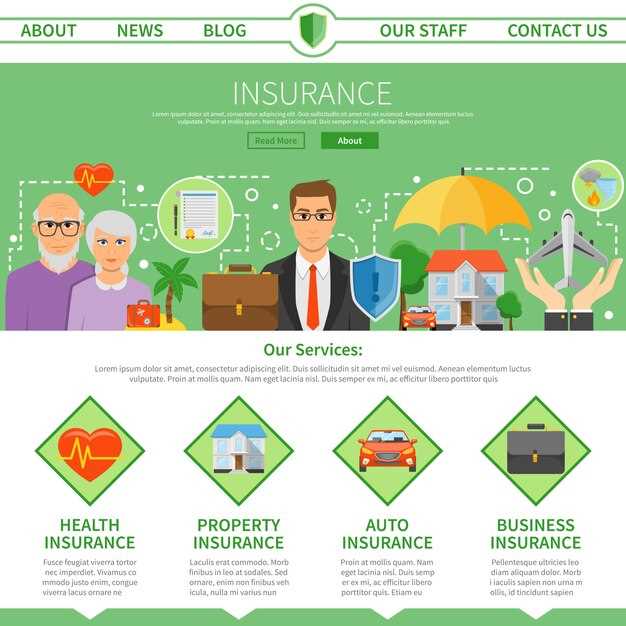
Health insurance is a crucial element in protecting a person's health and financial well-being. It serves as a safety net against unforeseen medical costs that may arise due to fortuitous events. To effectively navigate the landscape of health insurance, individuals must understand various plans and policies available in the market.
When choosing a health insurance policy, it is important to consider your personal values and specific needs. Policies can vary significantly, commonly categorized into types such as HMOs, PPOs, and EPOs. Each type has its own characteristics regarding network flexibility, costs, and coverage. It is crucial to select a plan that aligns with your health needs while also accommodating your financial situation.
Insurance companies often use marketing strategies to attract potential clients; therefore, individuals must independently analyze the benefits and drawbacks of each plan. Conducting thorough research, including reading articles that compare different policies, can yield valuable insights. Additionally, understanding the role of reinsurance can help you grasp how insurance providers mitigate risk and maintain affordability for policyholders.
Health insurance policies are regulated by governmental institutions, which establish certain minimum standards for coverage. Therefore, it is essential to ensure that your chosen plan meets these standards while providing adequate support for medical expenses. The contract should explicitly outline the services covered, including preventive care, hospitalization, and prescription drugs, which are critical for maintaining health.
In the event of negligence or an unexpected health crisis, having a robust health insurance policy can significantly relieve the stress of dealing with monetary burdens. Should you need to make a request for benefits, knowing the specifics of your policy, including dates and coverage limits, will enhance your chances of a smooth claims process.
Furthermore, health insurance plays a vital role in social stability, enhancing collective well-being through mutual aid principles found in many plans. Some models incorporate a solidarity aspect, where the health of one person enhances the security of many, distributing risks across a larger pool. Hence, understanding these intricacies can empower you to make informed decisions for your health and financial future.
In summary, navigating health insurance requires thoughtful consideration of personal circumstances, policy details, and the overall market environment. Familiarizing yourself with the different types of plans, their characteristics, and regulatory standards will enable you to choose coverage that best supports your health and financial objectives.
Property Insurance: Understanding Home and Auto Coverage
Property insurance is a crucial aspect of financial stability, providing coverage for both home and auto ownership. This type of insurance involves various characteristics that protect against unforeseen events, ensuring that policyholders are safeguarded from significant financial losses. Understanding these principles is essential, especially in today's economic climate, where the impact of fortuitous incidents can be profound.
Home insurance typically covers the structure of a house, its contents, and liability for injuries that may occur on the property. Aspects of coverage often include protection against damages caused by fire, theft, or weather-related incidents. Homeowners must know the limits of their policy, which can vary significantly based on the insurer's guidelines and local conditions.
Similarly, auto insurance provides coverage for vehicles and is integral for motorists. Policies generally include liability coverage, collision coverage, and comprehensive coverage, each serving different purposes. Understanding which type of coverage is necessary can help in making an informed decision that best suits your family's needs. Younger drivers, for instance, might face higher premiums due to their lack of driving history, which insurers evaluate when determining rates.
When selecting property insurance, it's wise to review multiple companies and their offerings. Researching various insurers can reveal differences in policy limits, premiums, and the specific instances covered. Enrollment in an insurance plan may require certain actions, such as providing details on ownership status and the property's condition, to establish eligibility.
Most property insurance policies have been established to protect policyholders against unlawful claims and ensure that representations made by insurers are valid. Additionally, considering associations or groups for coverage may provide discounts or more comprehensive protection, helping to manage costs over many months.
In conclusion, understanding the various types of property insurance is essential to ensuring you have appropriate coverage. The action taken at the end of January, for instance, can determine whether you are adequately protected or left vulnerable to unexpected expenses. By grasping the basic principles of home and auto coverage, you can make informed choices that provide peace of mind for yourself and your family.
Liability Insurance: Protecting Against Legal Risks
Liability insurance is essential for individuals and businesses to protect against potential legal risks. This type of coverage typically includes various policies that cover obligations arising from legal events, such as negligence or intentional acts that cause harm to others. Understanding these concepts is crucial for maximizing the benefits offered by your insurer.
For homeowners, liability insurance serves as a safeguard against claims that may arise from property damage or injuries that occur on their premises. A single incident could lead to substantial financial losses if not adequately insured. For commercial entities, liability insurance is equally vital in managing risks associated with business operations. The contracts with insurers often include terms that specify the limits of coverage and obligations of both parties.
Importantly, liability insurance can be influenced by various variables including the nature of the business, the location, and applicable legislation. For instance, in some international markets, regulations may require specific levels of indemnification that could significantly increase your premium costs. Understanding these dynamics can lead to better-informed decisions when selecting a policy.
When choosing coverage, it's important to assess your assets and the potential risks associated with your property or business activities. If, for example, you operate in a high-risk environment, a more comprehensive policy with higher sums might be necessary. Balancing premiums against potential liabilities is a critical aspect of financial planning.
In addition to protecting against claims, some policies may also offer benefits such as legal defense costs. Ensure that any agreement with the insurer clearly outlines these provisions. Participating in relevant conferences or forums can further enhance your understanding of industry standards and practices related to liability coverage.
Ultimately, liability insurance is about safeguarding your financial future. By investing time in understanding the various methods of coverage and their implications, you can better position yourself to bear any potential costs arising from unforeseen legal challenges.
Benefits of Insurance
Insurance provides a framework that helps individuals and organizations manage risks associated with unforeseen circumstances. The benefits of having insurance coverage are numerous and can significantly impact financial stability.
- Financial Protection: Insurance policies serve as a safety net, protecting against substantial financial losses due to accidents, illnesses, or natural disasters. The severity of unexpected events can be mitigated through proper coverage.
- Peace of Mind: Knowing that you are protected against potential risks allows individuals and businesses to function with confidence. This peace of mind is crucial in today's unpredictable environment.
- Access to Resources: Many insurers offer additional resources such as risk management tools, expert advice, and claims assistance platforms. These services can help policyholders navigate the complexities of insurance and their specific needs.
- Saving on Costs: Effective insurance coverage can help reduce overall expenses in the long run. By having a policy, individuals may avoid higher out-of-pocket costs in case of unforeseen events.
- Compliance with Regulations: Certain types of insurance are mandated by law. For businesses, having the required coverage helps to meet the necessary legal obligations set forth by governing bodies.
- Support for Business Growth: Having proper insurance allows businesses to take calculated risks and pursue growth opportunities without the fear of total financial loss. This support fosters innovation and development.
- Protection Against Negligence: Liability insurance shields individuals and organizations from claims of negligence. This aspect is particularly important in professions where accountability is paramount.
- Structured Risk Management: By utilizing insurance, organizations can develop structured risk management schemes that contribute to their overall stability and sustainability in the market.
- Statistical Advantage: Data and statistics on claims can help potential policyholders understand risk levels associated with particular coverage. This information assists in making informed decisions about preferred policies.
In summary, the advantages of insurance play a crucial role in ensuring individuals and businesses alike are better prepared to handle the variability of life and the market. The right insurance policy applies to the needs of the policyholder, ultimately contributing to their financial security and operational continuity.
Financial Security: How Insurance Provides Peace of Mind

Insurance plays a crucial role in providing financial security, allowing individuals and businesses to mitigate risks associated with unexpected events. By understanding the principles of insurance, one can appreciate how this financial tool can be a source of peace of mind for many.
Being protected by insurance means that individuals are less likely to face unfair financial burdens due to unforeseen circumstances. For example, having a comprehensive auto insurance policy, including casco coverage, will safeguard a person against high repair costs incurred from accidents. This coverage specifically transfers the risks of significant financial loss from the individual to the insurer, offering a sense of safety.
Over the years, insurance has evolved to include various types of coverage, such as health, life, and casualty insurance. These products not only provide necessary financial protection but also represent a long-term investment in one's peace of mind. Knowing that a claim can be made in case of adverse events, such as a natural disaster like a flood, helps individuals and businesses to maintain their normal functioning without fear of permanent financial instability.
- Understanding Coverage: It’s essential to select policies that align with one's specific needs, which may require the participation of a professional insurance agency for guidance.
- Claims-Handling: A smooth claims-handling process is crucial; people should be aware of how claims are processed to avoid unnecessary stress.
- No-Fault Insurance: In areas where no-fault insurance is available, claims can be made without assigning blame, which simplifies recovery from accidents.
The potential savings from not having to pay out-of-pocket for significant incidents can be a relief, especially when considering the costs associated with medical emergencies or property damage. The size of the financial impact of an unexpected event can often be underestimated until it happens. This is where insurance contracts come into play, providing individuals with a way to manage large expenses that would otherwise be overwhelming.
Furthermore, studies from various financial institutions, including the Greeks in reinsurance, suggest that consumers who actively engage with their insurance policies tend to feel more secure. Understanding coverage, limits, and exclusions allows for better decision-making and enhances the overall experience with the insurer.
In conclusion, insurance should be viewed as a vital tool in achieving financial security. The principles behind it, combined with a clear understanding of the available services, can lead to a more secure future, enabling individuals to focus on living life rather than worrying about what might go wrong.
Frequently Asked Questions
What is the primary purpose of insurance?
Insurance acts as a financial safety net to mitigate potential losses from unexpected events like natural disasters, accidents, or legal liabilities.
What does health insurance cover?
Health insurance provides coverage for medical expenses incurred by individuals, ensuring employees and their families can maintain stable healthcare.
Why is auto insurance required by governments?
Governments require auto insurance to reduce risk and ensure justice is served by covering liability for damage to other parties and the insured's vehicle.
What events does homeowners insurance protect against?
Homeowners insurance covers damages caused by events such as fire, theft, or flooding, providing funds to repair or rebuild the home.
How does life insurance support beneficiaries?
Life insurance provides financial support to beneficiaries upon the insured's death, which can be used to pay off debts like mortgages or cover living expenses.
Ready to set up your Cyprus company?
Our specialists guide you through the entire process — registration, tax setup, and bank account opening.
Request a consultation →