
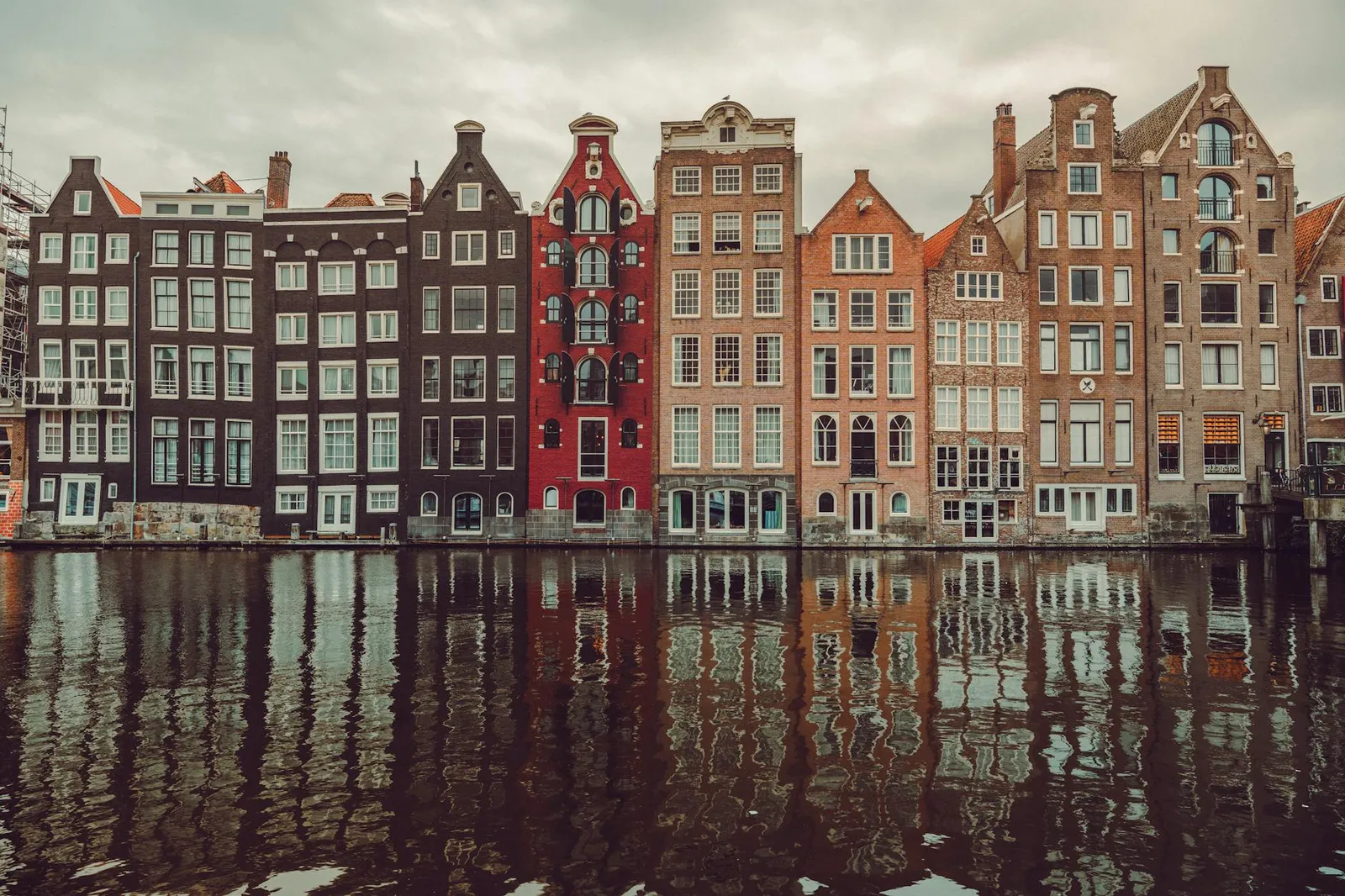
Your Comprehensive Guide to Entity Setup in the Netherlands
In recent years, the Netherlands has become a highly sought-after destination for entrepreneurs from around the world, particularly because of its stable economic environment and strategic location within Europe. However, setting up an entity in this vibrant market requires careful navigation of various regulations and administrative processes, which can differ significantly from those in other regions. This guide aims to assist you by outlining the crucial steps involved in the setup and maintenance of different types of entities, ensuring that you remain compliant with local laws.
Whether you are an entrepreneur from the EU or a non-EU citizen, understanding the details related to opening a business is vital. The process typically involves acquiring shares, managing operational logistics, and preparing necessary forms for registration. The Dutch infrastructure supports a variety of business sectors, offering numerous opportunities for SMEs to thrive. With the right information at your fingertips, you can take informed steps towards establishing your entity.
In the following sections, we will delve into the essential considerations for entity setup in the Netherlands, including requirements for submitting returns, maintaining shareholder agreements, and navigating withholding tax matters. By preparing adequately and understanding the local market dynamics, you can unlock the potential for growth and success in your business endeavors. Here’s your step-by-step guide to seamlessly operate in this flourishing economic landscape.
Understanding Entity Types Available for Non-Residents
See also: Step-by-Step Guide to Opening a Personal Bank Account in a....
For non-residents looking to establish a business presence in the Netherlands, understanding the available entity types is crucial. The most common structures include the Private Limited Company (BV) and the Public Limited Company (NV). A BV is typically preferred due to its limited liability for shareholders and relatively straightforward registration process. A lawyer can assist with navigating the regulations and preparing the necessary documents for entity setup. Moreover, obtaining the required licences and ensuring compliance with tax-related obligations, such as registering with the belastingdienst, is essential. Non-residents may also need to consider the need for an EORI number for international trade operations.
See also: Cyprus Business Setup: Step-by-Step Guide to Registering a....
Challenges can arise regarding decision-making and ownership structure, as laws can vary depending on the entity type. For example, while a single shareholder is sufficient for a BV, an NV requires multiple shareholders. It is important to have a clear understanding of your business model before entering the Dutch landscape. As you open your accounts and prepare for operation, be aware of the regulations surrounding anti-money laundering procedures and how they impact your specific situation. This preparation will help ensure a fantastic start to your entrepreneurial journey in the Netherlands, setting the stage for success by proactively addressing requirements and planning for the future.
Differences Between BV and NV Entities
The primary distinction between BV (Besloten Vennootschap) and NV (Naamloze Vennootschap) entities in the Netherlands lies in their structure and ownership. A BV is a private limited company suitable for small to medium-sized businesses, providing shareholders with limited liability. This means that owners are not personally responsible for the company's debts, which is a critical aspect that allows for innovation and stability. Conversely, an NV serves as a public limited company that can offer shares to the public and is often associated with larger organizations or those planning to go public.
Regulatory requirements differ significantly between these entities, particularly in terms of reporting and compliance. For instance, NVs are subject to stricter regulations, including a higher level of transparency and a requirement to publish annual financial statements, whereas BVs operate under more flexible rules that allow them to maintain confidentiality around financial records. This can be especially beneficial for startups and small enterprises that prefer to keep their financial information private. Furthermore, banks and investors may also regard NVs more favorably, given the extensive regulatory measures in place that ensure anti-money laundering compliance.
In terms of capital requirements, an NV must have a minimum share capital, while a BV offers more flexibility in this regard, often requiring a lower initial investment. The articles of association for an NV typically need to include provisions for issuing shares to others, which is not a requirement for BVs. However, this flexibility does not diminish the importance of proper governance within a BV, as members still need to ensure compliance with applicable laws and maintain accurate records. Overall, when deciding between these two entities, it's essential to understand the administrative functions and industry implications of both to make an informed choice that aligns with the company’s long-term goals.
Choosing Between Freelance and Corporate Structures
In the Netherlands, deciding between freelance and corporate structures can be tricky for entrepreneurs looking to establish themselves. Freelancing offers flexibility and lower startup costs, making it a popular choice among independent professionals. However, it also comes with unique challenges, including the need to obtain the correct permits and ensure compliance with tax-related regulations. It is crucial to note that freelancers must manage their own health insurance and may be required to prove their credibility under official identification guidelines, which can change frequently.
On the other hand, forming a corporate structure like a BV (Besloten Vennootschap) can provide greater stability and protect personal assets. Each option presents its own set of considerations, and entrepreneurs should keep in mind that a corporate setup typically allows for a wider range of tax benefits and easier access to funding. Additionally, as a statutory entity, a corporate structure can enhance credibility, especially when establishing a presence in the European Union. Therefore, it's essential to check all the requirements and consult with professionals to determine which structure is most suitable for your specific needs, particularly if you plan to publish contracts or establish a subsidiary abroad.
Tax Implications of Your Entity Choice
Choosing the right entity for your business in the Netherlands involves understanding the unique tax implications associated with each form. In Holland, entities such as partnerships, sole proprietorships, and limited liability companies (BV) present different fiscal responsibilities. For instance, a sole proprietorship mainly exposes the owner to personal liability, while a BV offers limited liability protection. Investors must take into account that BV entities are subject to corporate tax rates, while profits from partnerships are taxed at the individual level. Understanding these differences is crucial for entrepreneurs to make informed decisions aligning with their business goals.
| Entity Type | Tax Structure | Liability | Administrative Requirements |
|---|---|---|---|
| Sole Proprietorship | Personal Income Tax | Unlimited Liability | Minimal |
| Partnership | Personal Income Tax | Unlimited Liability for Partners | Moderate |
| BV (Limited Company) | Corporate Tax | Limited Liability | Annual Publication, Maintenance of Records |
See also: Cyprus offshore services.
Regular changes in tax legislation require entrepreneurs to stay vigilant and possibly consult a specialist for the most effective tax planning. For example, non-residents must check registration requirements dependent on their municipality, especially if conducting business in regions like Rotterdam. Each entity set up entails a step-by-step process that involves substantial record-keeping and administrative duties, ensuring compliance with Dutch customs regulations. Ultimately, the choice of entity will affect not only taxes but also long-term operational functionality within the business sector.
The Process of Registering Your Entity Online

Registering your entity online in the Netherlands is a straightforward process that can be broken down into several key steps. The first step involves ensuring that your business name is unique and adheres to the requirements set by the Dutch Chamber of Commerce (Kamer van Koophandel, KvK). You’ll need to check the availability of your desired name to avoid any conflicts with existing businesses.
Once you have a name that complies with the legal framework, the next step is to gather all the necessary documents. This includes proof of identity, a registered address, and details about your business activities. Depending on your business structure, you may also need to submit specific licenses or permits relevant to operating in your chosen industry.
The registration process can vary based on the municipality in which you plan to operate. While most registrations can be completed online, some local authorities may require you to visit in person for verification. It is recommended that you consult the official website of your municipality to understand the precise requirements and any specific adjustments to the standard process.
- Consider your chosen entity type: LLC, sole proprietorship, or partnership.
- Prepare your documentation: identity proof, business name, address.
- Check for necessary licenses based on business activity.
As you complete the online registration, it is crucial to adhere to all guidelines provided by the KvK. The registration functions to legalize your business and offers numerous benefits, including eligibility for fiscal advantages and business support programs offered by the government.
Once registered, your entity will be entered into the Dutch Trade Register, a public database that helps assess the climate of doing business in the Netherlands. This registration not only signifies compliance but also enhances your legitimacy in the eyes of potential clients and partners.
It's important to note that ongoing compliance with Dutch regulations is essential for the long-term success of your business. You will need to maintain accurate records, pay taxes, and renew licenses periodically. Additionally, remain aware of any changes in legislation that may affect your entity.
In conclusion, registering your entity online in the Netherlands is a critical step in owning and managing a business effectively. By following a robust strategy that includes careful planning, proper documentation, and adherence to local regulations, you set a strong foundation for future expansion.
Ready to set up your Cyprus company?
Our specialists guide you through the entire process — registration, tax setup, and bank account opening.
Request a consultation →