
Discover Belize - A Complete Guide to the Jewel of Central America
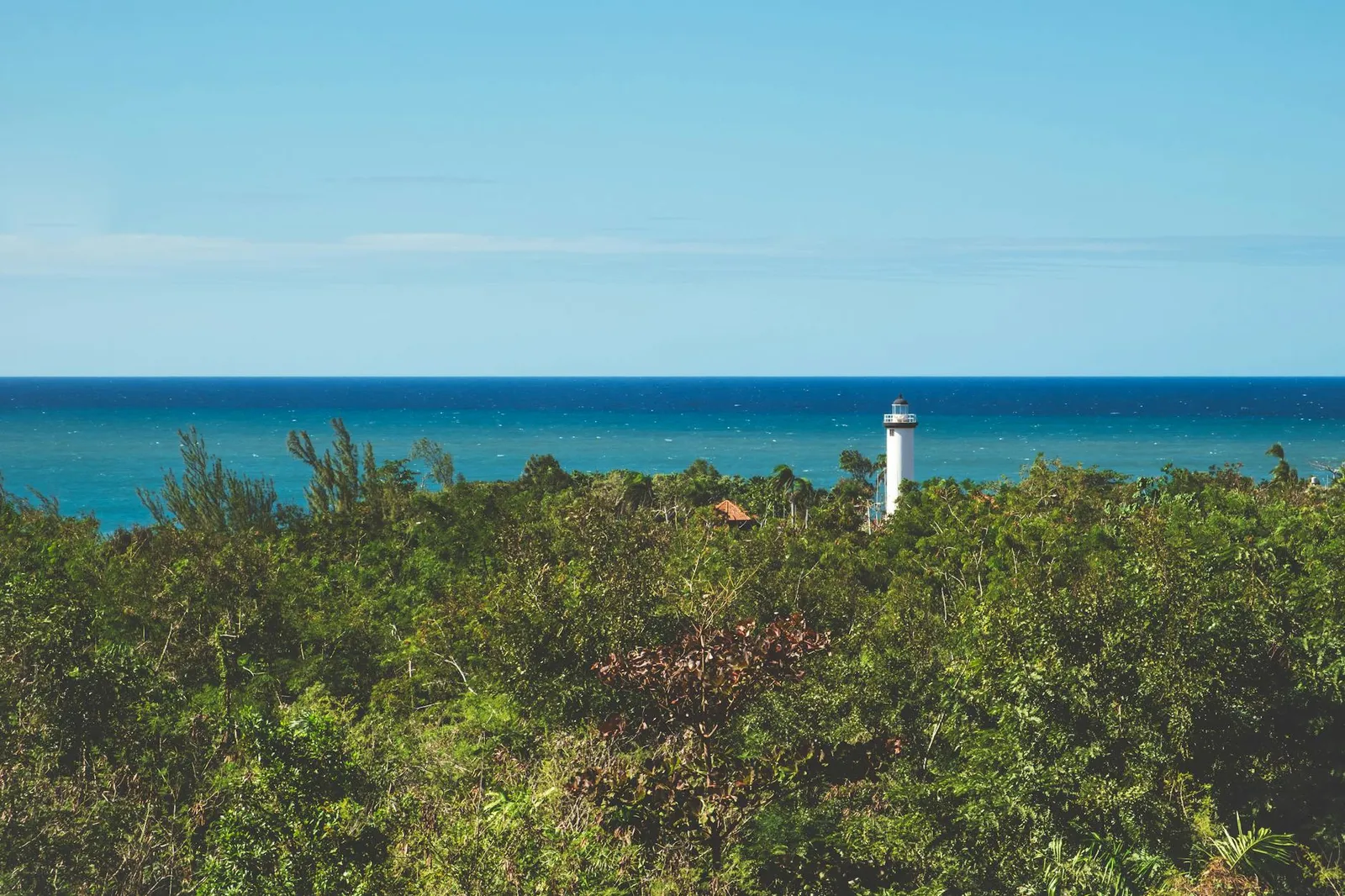
Belize, a small yet vibrant country in Central America, boasts a rich history and diverse culture shaped by its unique position along the Caribbean Sea. This nation, bordered by Mexico to the north and Guatemala to the west, offers visitors a glimpse into the colonial past, where the influences of British colonization and indigenous Mayan heritage converge. The combination of lush tropical landscapes and beautiful coastlines creates a stunning backdrop for those seeking adventure and relaxation alike.
As a former British colony, Belize has maintained its ties to Great Britain while establishing a distinct identity as a sovereign state. Since proclaiming its independence in 1981, Belize has become known for its commitment to preserving its natural resources and cultural heritage. The country is home to diverse ecosystems, including lush rainforests and the world's second-largest barrier reef, making it a haven for eco-tourism and outdoor enthusiasts.
The culinary scene in Belize is equally remarkable, featuring a fusion of traditional dishes from various cultural influences, including those of the Mayan and Garifuna peoples. Travelers can savor local favorites such as rice and beans, stew chicken, and corn tortillas, which reflect the country’s agricultural roots. From hearty meals to fresh seafood, Belizean cuisine captures the essence of the region and offers a taste of the vibrant culture that defines this small yet significant nation.
Moreover, Belize's strategic location on the Yucatán Peninsula and its proximity to Honduras enhances its appeal as a travel destination. American tourists, attracted by the promise of adventure, often flock to Belize for a chance to explore ancient Mayan ruins, dive into the breathtaking Blue Hole, or simply unwind on pristine beaches. With its rich history, vibrant culture, and stunning natural beauty, Belize stands as a testament to the enduring legacy of its past and the promise of a bright future.
Etymology
The name Belize, pronounced as bɛˈliːz, has a rich historical background that reflects the complex tapestry of cultures that inhabited the territory. The etymology of Belize is debated among scholars, but it is believed to derive from various influences over the centuries.
One popular theory suggests that the name originated from the early Spanish settlers who referred to the river flowing through the area as Belice. This term may have been adapted from the indigenous languages spoken by the Indians who first populated the region. The gathering of cultures, including those of the Anglo-Caribbean settlers and various indigenous tribes, played a significant role in transforming the region's identity.
After the British began to settle the area in the 17th century and engaged in lumbering, particularly with mahogany, the territory became known for its wealth from this industry. British influence solidified the name Belize as the settlements expanded along the coastal regions, and it was during this time that the territory was formally recognized and included in the British colonial empire.
Throughout the years, Belize faced numerous challenges, including threats from neighboring Guatemala and the push for independence, which finally came in the late 20th century. This evolving political landscape shaped not only the identity of the country but also reinforced the significance of its name as a symbol of resilience and cultural diversity.
Today, Belize is known for its unique blend of cultures and the abundance of natural beauty, with its diverse ecosystems and a climate marked by a relatively high level of rainfall, particularly from June to July. The country has made strides to carve out its own identity as a semi-independent state while celebrating its vast history, reflected in the very name Belize itself.
Origin of the Name 'Belize'
The origin of the name 'Belize' is a subject of significant interest and mystery among historians. Over time, multiple theories have emerged, each attempting to explain how this Central American country's name came to be. The earliest references to the area date back to the time when the region was inhabited by the indigenous peoples, and by the time the Spanish arrived, the territory began to change hands.
One prevalent theory suggests that the name 'Belize' comes from the Spanish pronunciation of the name of a local river, possibly referring to the 'Beliz' or 'Belize' River. The Spaniards explored the area, bringing with them various influences while establishing their authority over the region. However, it was not only the Spanish who played a substantial role in the early history of Belize; the Dutch also visited the shores in search of timber and other resources, significantly impacting the local economy.
As the English began to gain influence in the late 17th century, they used the term 'Belize' to refer to the settlement that was developing along the coast. This was during the early days of colonization when the British established trade and outposts to leverage the rich resources of the territory, such as logwood and mahogany, which were in high demand. Over the decades, the British influence increased, leading to the formation of British Honduras, which would later become known as Belize.
| Year | Event |
|---|---|
| 1600s | Spanish exploration and initial contact |
| 17th Century | Dutch timber merchants visit |
| 19th Century | British settlement established |
| 1981 | Belize gains independence |
By the end of the colonial period and into the 20th century, the official governance and local identity began to align with the name Belize, which by then had become firmly established as a reflection of the area's rich history, culture, and diverse population. Today, the name represents a unique blend of the region's past, captured in the vibrant towns of San Pedro and Belize City, where traditions are celebrated against a backdrop of tropical greenery and warm waters.
Historical Variations of the Name
The region now known as Belize has undergone various name changes throughout its history, reflecting its complex past. Initially, this territory was inhabited by the Maya civilization during the pre-colonial era, where it was referred to by names related to local geography and culture. With the arrival of the Spanish in the 16th century, the name evolved. The Spaniards called it "Belice," and this version persisted as European contact increased.
In the 18th century, the British established settlements along the coast, primarily for logging activities, leading to the establishment of what would become known as British Honduras. This name emphasized the British colonial influence and the presence of British settlers, including settlers from the Caribbean and Chinese immigrants. Over the years, the area experienced significant developments, but the name remained largely unchanged until the mid-20th century.
Following World War II, the movement for independence grew stronger, and in 1973, the name was officially changed to Belize, reflecting its local identity and acknowledging its diverse population. This new name represents a break from colonial history and an embrace of the country’s indigenous roots and cultures.
Today, the name Belize is synonymous with its rich historical legacy and cultural diversity, incorporating influences from its indigenous peoples, colonial past, and modern developments. It symbolizes unity and resilience, telling the story of a nation that has transformed through various historical phases and struggles. With its beautiful landscapes, the jewel of Central America continues to captivate the world, drawing visitors to its iconic sites, such as San Pedro and the Belize Barrier Reef, which showcases its natural heritage.
Cultural Significance of the Name
The name "Belize" carries significant historical and cultural weight, reflecting the complex tapestry of influences that have shaped the nation. Derived from the Spanish term "Belice," it is believed to originate from the name of a local river, which was heavily utilized by the indigenous Maya and later the European colonizers. The history of Belize is deeply intertwined with the struggles faced by the indigenous communities and the rights they fought for against colonization.
This nation experienced serious changes during the Caribbean colonial period, where various European powers, including Spain and the British, clashed over territorial rights. The name symbolizes the legacy of these encounters, as indigenous groups like the Maya and later, the Garifuna people, faced suffering and upheaval due to colonization and exploitation of local resources, including diverse species of marine life and the valuable coastal areas known for their fishing and trade.
In contemporary Belize, cultural gatherings and national festivals reflect the diverse heritages that coexist within its borders. The state celebrates its national identity, merging indigenous cultures with influences from the Caribbean and Europe. Belizean society recognizes the historical significance of its name, understanding that it embodies the resilience of its people and the multifaceted backgrounds that define them.
In addition, the tourism sector has embraced this cultural richness, allowing visitors to explore the historical landmarks, vibrant communities, and lush natural environments. The hospitality offered by local hotels and the warmth of the Belizean people enhance this experience, fostering a deeper understanding of the cultural landscapes shaped by generations.
The legacy of Belize is further amplified by its flora and fauna, notably the hummingbirds found throughout the region. This biodiversity mirrors the complex heritage reflected in the nation's name, symbolizing the beauty and challenges faced by its inhabitants. As Belize continues to navigate its path as a semi-independent state, the cultural significance of its name remains a reminder of its rich history and the ongoing journey towards greater recognition of its diverse communities and their stories.
Resorts and Attractions
See also: Discover the Beauty of Cyprus.
Belize, known as the Jewel of Central America, offers a diverse range of resorts and attractions that cater to all types of travelers. With its lush greenery, pristine rivers, and stunning coastlines along the Caribbean Sea, visitors are sure to have a memorable experience in this beautiful country.
For those seeking relaxation, several luxurious resorts are located along the coastline, particularly in areas like Ambergris Caye and Placencia. These resorts often provide easy access to beautiful beaches, the barrier reef, and opportunities for water sports. Many of them have unique features, such as underwater adventures or guided tours through the numerous caves found in the region.
For adventurers and history enthusiasts, the ancient Maya civilization left behind a wealth of archaeological sites worth exploring. Sites like Caracol and Xunantunich showcase the impressive remnants of this once-thriving civilization. These locations are often surrounded by lush forests, offering a perfect blend of adventure and history.
The territory also boasts the incredible sights of the Mountain Pine Ridge Forest Reserve, where visitors can hike through the rolling hills and enjoy breathtaking views. The region is home to numerous waterfalls and caves, ideal for those who enjoy outdoor activities. Additionally, the nearby Cayo District, bordering Guatemala, is famous for its eco-lodges and local experiences, making it a popular destination for tourists.
Belize’s unique ecosystems can also be explored through various parks and reserves. The Belize Barrier Reef, a UNESCO World Heritage Site, is a must-visit, attracting lovers of marine life and offering opportunities for snorkeling and diving. It is also one of the most vibrant regions for observing the diverse marine population, which burgeons with life.
During the rainy season, which runs from June to November, travelers can still find plenty to enjoy indoors or under the shelter of local resorts. Many establishments provide activities catering to tourists during this time, ensuring that your visit remains enjoyable regardless of the season.
Overall, Belize is a place rich in culture, history, and natural beauty. From resorts that offer relaxation to attractions that promise adventure and exploration, it is no surprise that this country remains a favorite destination among travelers.
Top Beach Resorts in Belize
Belize offers a remarkable selection of beach resorts, appealing to a diverse range of travelers. Here are the top beach resorts you should consider when visiting this beautiful country, known for its sandy shores and vibrant culture.
- Ambergris Caye: This legendary island is home to several luxurious resorts. Ambergris Caye provides an ideal setting for those looking to relax in a tropical paradise. It began to gain popularity in the 1960s, marking the growth of tourism in Belize.
- Placencia: Positioned in the south of Belize, Placencia is famous for its long stretches of golden beaches. The resorts here boast large accommodations and easy access to both the beautiful coastline and lush jungles filled with vivid wildlife.
- Hopkins Village: A typical Garifuna village, Hopkins Village offers authentic cultural experiences alongside its beach resorts. Guests can enjoy traditional cuisine and local music while staying in comfortable and charming accommodations.
- San Pedro: On Ambergris Caye, San Pedro features numerous beach resorts that cater to visitors' needs, from budget-friendly options to high-end luxury. It serves as a central hub for exploring the Belize Barrier Reef, a UNESCO World Heritage site.
- Caye Caulker: A small island that has developed a laid-back vibe, Caye Caulker is perfect for those seeking relaxation. The resorts here promote eco-friendly practices, making it an excellent destination for environmentally conscious travelers.
When planning your trip to Belize, consider the geographical positioning of these resorts, as they provide not only stunning beaches but also easy access to significant attractions, such as coral reefs and ancient Mayan ruins. Belize's rich history includes the influence of British colonialism, and parts of its territory still reflect that legacy.
It's essential to book your stay in advance, especially in August when many tourists flock to the beaches. Unsurprisingly, each resort on this list offers a unique experience, making them worthy of your exploration while you enjoy the beauty of Belize.
Must-See Attractions
Belize is home to a variety of must-see attractions that reflect the rich cultural and natural heritage of this jewel of Central America. One of the most significant highlights is the Great Blue Hole, an enormous marine sinkhole that attracts divers from all over the world. This UNESCO World Heritage Site showcases Belize's stunning marine biodiversity and is part of the Belize Barrier Reef, the second-largest reef system globally, just south of Mexico.
Another notable attraction is the ancient Maya city of Caracol. Once a powerful city-state, it is now an essential archaeological site that provides insights into the Mayan civilization, which flourished in this region thousands of years ago. Visitors can explore its impressive temples and enjoy breathtaking views of the surrounding jungle from the top of the ruins.
The country also boasts the beautiful Caye Caulker, a charming island with a laid-back vibe, perfect for snorkeling, diving, or simply relaxing on the beach. Visitors can experience the traditional local culture and savor delicious seafood while enjoying the serene beauty of the Caribbean Sea.
Mayan ruins are not limited to Caracol; Xunantunich, another archaeological site, is significant as it is one of the most accessible ruins. It features a large pyramid called El Castillo, where visitors can marvel at the stunning vistas of the surrounding landscape, which includes lush greenery and the vast Belize River.
Additionally, for nature enthusiasts, the Belize Zoo offers a unique opportunity to see native wildlife in its natural habitat. The zoo focuses on the conservation of Belizean species, allowing visitors to engage with animals like jaguars, toucans, and howler monkeys while learning about the country's diverse ecosystems.
Lastly, the enchanting lagoons and caves, such as Actun Tunichil Muknal (ATM) Cave, provide thrilling experiences for adventure seekers. The cave features ancient Mayan artifacts and skeletal remains, making it a significant historical site as well as an extraordinary natural wonder.
In conclusion, whether you are exploring the historical remnants of the Maya civilization or soaking in the beauty of the lagoons and reefs, Belize offers an array of attractions that reflect its unique heritage and natural splendor.
Adventure Activities to Experience
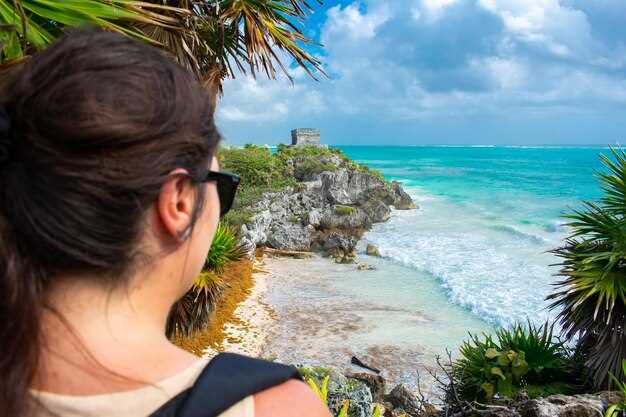
Belize is known for its vibrant landscapes and diverse ecosystems, making it a paradise for adventure enthusiasts. From exploring lush jungles to diving in pristine waters, there are a multitude of activities awaiting visitors. Below are some of the top adventure activities you can experience while visiting this beautiful country.
- Zip Lining: Soar through the treetops in the various national parks near Belmopan. Several operators offer thrilling zip-lining experiences above the canopy, providing breathtaking views of the surrounding landscapes.
- Cave Tubing: Explore the ancient caves of Belize as you float on inner tubes through enchanting underground rivers. This activity allows you to witness the amazing stalactite formations and the historical significance of these caves, once used by the ancient Maya.
- Scuba Diving and Snorkeling: Experience the incredible marine biodiversity at the Great Blue Hole or the Belize Barrier Reef. These locations host a variety of marine life and coral formations, perfect for both beginners and experienced divers.
- Hiking: Trek through the lush jungles in the southwest region or explore the mountains of the Sierra de los Cuchumatanes. Trails can lead you to spectacular waterfalls and panoramic viewpoints.
- Wildlife Watching: Join tours in areas like the Cockscomb Basin Wildlife Sanctuary, known for being the world's first jaguar reserve. Spotting these magnificent creatures, along with other wildlife, is a true highlight.
- Kayaking: Paddle through the waters of the Belize River or in the mangroves along the coast. This activity allows you to connect with nature while observing the local flora and fauna.
- Bird Watching: With over 600 species of birds, Belize is a birdwatcher's paradise. Look for unique avian species in various habitats around the country.
Adventure seekers can find endless opportunities in Belize. Each activity is designed to immerse you in the natural beauty and rich culture of the region. Always remember to follow local guidelines and rules to ensure a safe and enjoyable experience.
Frequently Asked Questions
When did Belize gain independence?
See also: Expand Your Business in Europe.
See also: Essential Requirements for Establishing an Offshore Bank in....
Belize proclaimed its independence in 1981, transitioning from a British colony to a sovereign state.
What countries border Belize?
Belize is bordered by Mexico to the north and Guatemala to the west.
What are some traditional Belizean dishes?
Local favorites include rice and beans, stew chicken, and corn tortillas, reflecting Mayan and Garifuna influences.
What is a major natural attraction in Belize?
The country is home to the world's second-largest barrier reef and the famous Blue Hole.
Where does the name Belize likely originate?
One popular theory suggests the name derives from the Spanish pronunciation of a local river called Belice.
Ready to set up your Cyprus company?
Our specialists guide you through the entire process — registration, tax setup, and bank account opening.
Request a consultation →