
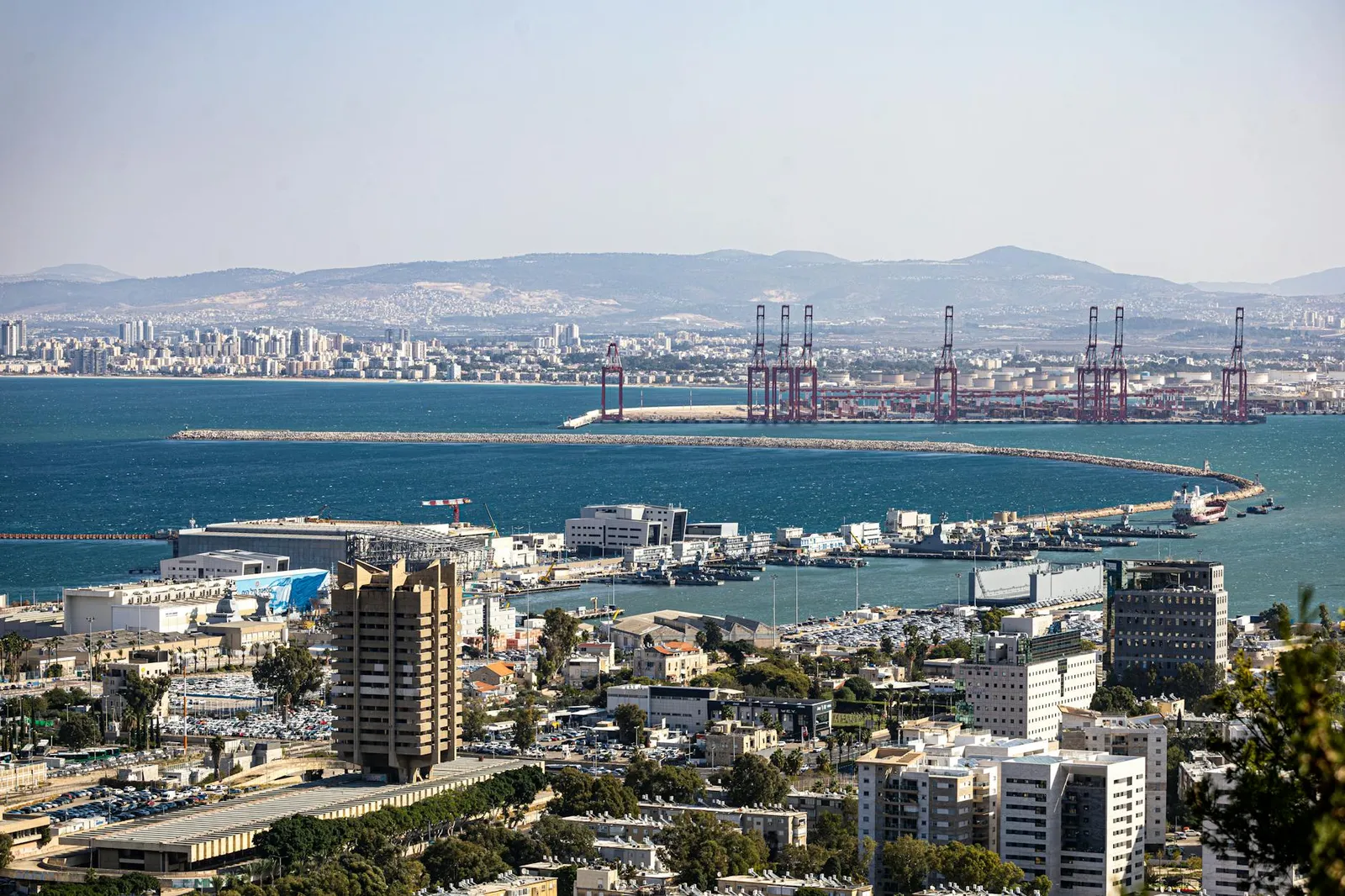
Discover the Beauty of Cyprus - A Comprehensive Guide to the Island's Culture, History, and Attractions
Cyprus, a jewel in the eastern Mediterranean, has long been a site of conflict and coexistence, marking its existence as a sovereign state with a rich history and diverse culture. Although the island has been divided since the conflict involving political and military interests, it remains a testament to resilience and beauty. From the ancient Phoenician settlements to modern attractions, Cyprus is a remarkable destination that captivates visitors with each series of experiences.
See also: Discover the Beauty of the Dominican Republic.
See also: Discover the Beauty of Bulgaria.
See also: Discover the Isle of Man.
The island is home to numerous monuments that testify to its storied past, including sites in Paphos, a UNESCO World Heritage Site. This region not only boasts stunning landscapes but also serves as a cultural center, organised with educational initiatives aimed at preserving its heritage. The environment of Cyprus, with its favorable climate, lush lemon groves, and stunning coastlines, complements the historical richness, making it a preferred spot for tourists and investors alike.
Cyprus has established itself as a significant hub in the European region, serving as a base for international operations while fostering economic investments. The island's airports facilitate movement in and out of the country, allowing visitors to easily explore its various regions. Furthermore, its strategic location has made it a crucial player in international politics, yielding both opportunities and challenges, especially in the context of violations of sovereignty and ongoing negotiations involving NATO and the United Nations.
As you explore into the beauty and complexity of Cyprus, you'll uncover a land that not only celebrates its storied past but also looks towards a promising future. The unique blend of cultures, coupled with breathtaking attractions, makes this island a must-visit destination for anyone seeking a deeper understanding of its multifaceted identity.
Etymology of Cyprus
The name "Cyprus" has a rich etymological history that reflects the island’s cultural and historical significance. One prevailing theory suggests that the name is derived from the ancient Greek word "kuppros," which means "copper," referencing the island's vast copper resources that were mined since antiquity. This association highlights Cyprus's role in trade, especially during the periods when copper was highly valued.
In addition to the Greek roots, the etymology of Cyprus has links to various other languages and cultures. The arrival of the Spanish and other foreign companies during the island’s history further influenced the names associated with it. For instance, in the context of modern development, it is common to find organization names that include references to Cyprus, reflecting its relevance in international business.
Cyprus has also been historically known as "Aphrodite's isle," given its connection to the goddess of love and beauty. This cultural background adds depth to the island's identity. In contemporary context, scholars and researchers, such as Jonathan and Maria, have studied the impacts of historical events on the etymological evolution, contributing to a wider understanding of Cypriot heritage.
Furthermore, the influence of various communities, including Turkish, Greek, and even Russian groups, has resulted in multiple names for the island across different cultures. The illegal rallies and nationalist movements experienced in the recent past also showcase the dynamics of identity and nomenclature in Cyprus. This has escalated into wider discussions about compensation for historical grievances.
The events around Cyprus have also involved organized projects aimed at reconciling past divisions. In September, events in Larnaca and other cities sometimes celebrate the island's rich history while also addressing modern challenges. The building of relationships, whether in business or cultural exchanges, currently plays a key role in shaping the future of Cyprus.
This diverse etymological background of Cyprus is worth exploring, considering the numerous characters that have played significant roles throughout its history. From Andreas to Thomas, each name tells a story intertwined with the island’s development. Understanding these layers helps to appreciate not only the beauty of Cyprus but also its complex narrative that spans centuries.
Origin of the Name 'Cyprus'
The name "Cyprus" has fascinated historians and linguists alike for centuries. Its etymology is often linked to the ancient Greek word kypros, which is believed to stand for "copper," a significant metal in the island's early history, particularly in its mining industry. This mineral was a crucial part of Cyprus' exports, influencing trade and attracting various societies to the island.
Some etymologists argue that the name may also derive from the Latin word cyprium, meaning "of Cyprus," which signifies its association with the precious metal, often represented by the color silver. Throughout history, the island has been known for its rich resources, including its famous wine, which further contributed to its cultural and economic development.
In the context of its long history, Cyprus has seen numerous territorial shifts and political debacles, echoing its complex relationship with powerful neighboring civilizations. These intercommunal issues have often reflected broader geopolitical tensions, marking the island as a significant player on the map of the eastern Mediterranean, where the transmission of cultures and ideas has taken place over millennia.
Today, the island is divided, with a profound blend of Greek and Turkish influences where the art, cuisine, and language showcase its rich heritage. Notably, the local dialects exhibit a fascinating fusion that speaks to centuries of coexistence and conflict. The Cypriot flag itself reflects this duality, symbolizing both unity and the ongoing challenges surrounding the island's political status.
Significantly, the history of Cyprus is interwoven with the narratives of the society's folk traditions, as well as more contemporary issues such as the ongoing negotiations surrounding the rights of populations on the island. Figures like Georgios Papadakis have contributed to this discourse, as the island navigates complex relationships with entities like the Eurogroup and the pressures from surrounding nations.
As Cypriots move towards a future enriched by their diverse past, the name "Cyprus" remains a reminder of a land shaped by its resources, conflicts, and the resilient spirit of its people, who have maintained their cultural identity through trials, including the invasion and subsequent changes to their territorial integrity.
Historical Linguistic Influences
The linguistic landscape of Cyprus is a fascinating mix woven through centuries of cultural and historical changes. The island's position at the crossroads of East and West has led to a rich blend of languages that reflect its complex socio-economic history.
Before the late 20th century, the partition of Cyprus into Greek and Turkish communities resulted in linguistic shifts that have influenced the local dialects. The central dialects, primarily Greek and Turkish, have been standards in communication, while English remains an official language due to British colonial history. This multilingual environment offers numerous examples of linguistic borrowings that enrich everyday conversation.
One of the most significant influences came from the settlers and invaders throughout history, which led to a wealth of vocabulary from various languages, including Arabic and Italian. For instance, local cuisine showcases words like 'halloumi' (cheese) and 'koupepia' (stuffed grape leaves) that have deep roots in both Greek and Turkish traditions. This illustrates how language and culture are intertwined, with cuisine acting as a vehicle for linguistic exchange.
The archaeological remains found across the planet serve as a testament to the island's historical wealth and diversity. Monuments from different eras house inscriptions in various languages, offering insights into the languages that predominated during specific periods. This evidence enhances our understanding of how the island's history has shaped its linguistic evolution.
Annual cultural events celebrate this diverse heritage, often funded by local publishers and civil organizations. They serve as a platform for recognizing the contributions of different ethnic groups to the island's identity. The recognition of each culture's linguistic contributions is crucial, especially during official talks aimed at fostering unity and cooperation between communities.
In conclusion, the historical linguistic influences in Cyprus highlight a rich narrative that reflects the island's past. From the established public infrastructure allowing for enhanced communication to the simple act of sharing a warm drink while discussing the country's history, language continues to serve as a bridge among its diverse inhabitants. The chances of further linguistic developments are high, making it an exciting area for future scholarly exploration.
Connection to Copper ('Cuprum')
The island of Cyprus has a rich and historical connection to copper, known in Latin as 'cuprum'. This resource played a pivotal role in shaping the island's economy and cultural landscape. Cyprus was famous for its extensive copper mines, which attracted various ancient civilizations, including the Ottomans and other empires throughout history.
Historically, copper mining was a significant industry that contributed to the island's wealth and development. The term 'Cuprum' itself is derived from the Latin name for the island, reflecting its prominence as a source of this valuable metal. The mining of copper dates back to the Bronze Age, marking an era of trade and cultural exchange. As a result, Cyprus became a vital polity in the region, influencing trade routes and engaging with other communities.
During the age of Enosis, the quest for union with Greece included discussions about resources like copper, as it was essential for economic stability. Officials, including notable figures such as Archbishop Makarios and William, the King of England, were involved in debates and declarations regarding the future of the island. These discussions often revolved around separating Cyprus from Ottoman control and establishing a more unified effort against colonial influences.
In modern times, the connection to copper remains evident in local industries and tourism. The mining sites have transitioned into resorts that include educational tours, providing insights into the island's metallurgy and its historical significance. Additionally, sports events and rallies organized around the theme of copper highlight its cultural importance. Despite the island being divided, the copper narrative continues to bridge communities in Cyprus.
Today, the journey through Cyprus includes stops at various museums and heritage sites. These places serve as reminders of the island's past, including the legacy of copper mining and its impact on economic development. Effective participation in this narrative helps to foster a sense of unity among the island's diverse communities and celebrates the resilience of its inhabitants.
Cultural Significance of the Name

The name "Cyprus" has origins that date back to ancient times, often linked with the island's rich natural resources and its historical significance. Several sources, including the Factbook and various historical texts, suggest that the name may derive from the word for copper, reflecting the island's extensive mining history. This connection has favored the establishment of economic bases on the island, where copper production played a vital role in trade, positioning Cyprus as a central hub in the Mediterranean.
The island's cultural identity is also influenced by its diverse population divided into various nationalities, including Greek and Turkish communities. Each of these groups has brought unique traditions, culinary practices, and artistic expressions that contribute to the greater mix of Cypriot culture. The culinary landscape, for example, is rich with local cheeses and dishes that incorporate flavors from both cultures, showcasing a harmonious blend that is characteristic of Cyprus.
In contemporary times, the name Cyprus often evokes the experiences and legacies of its complex history, particularly in the context of the government-controlled areas and the regions still occupied since the division in 1974. This period has left significant marks on the island's physical and cultural landscape, including the presence of hamams that reflect the influence of Ottoman architecture and lifestyle.
Efforts by the arts commission and various organizations, including the WIPO and local non-profits, support the cultural preservation of Cyprus. These initiatives guarantee that the diverse characters of the island and its historical narratives are celebrated and communicated to both locals and the global community. Cultural festivals and events regularly highlight the works of artists such as Dimitris, Antonis, and Ozkan, showcasing talents that bridge the past and present.
Thus, the name Cyprus becomes more than just a geographical identifier; it embodies a rich history filled with waves of influence and adaptation, shaping a unique cultural identity. Whether through the flavours of its culinary offerings or the lively arts scene, the essence of Cyprus is continuously evolving while holding onto the legacies of its complex heritage, where every facet from the name to the artistic endeavors tells a story of resilience and creativity.
Evolution of Language on the Island
The evolution of language on Cyprus is a reflection of the island's tumultuous history and diverse cultural influences. Throughout centuries, various invasions and settlements have left their marks, shaping the linguistic landscape.
Initially, the island was home to Mycenaean Greek speakers, whose arrival laid the seeds for the Greek language's establishment. Over time, the island experienced a series of foreign occupations, which introduced Latin and other languages into daily life.
- The Roman period saw Latin become influential, particularly among merchants and administration. Documents from this era reveal a mixed linguistic environment.
- Christianity played a pivotal role, as religious texts and philosophy were primarily in Greek, reinforcing the language's status. The religion became a unifying factor among the populations.
- During the Ottoman rule, Turkish was introduced, creating a bilingual society in many regions, especially in the southern parts of the island.
- Post-independence, the presence of English as an official language marked a new chapter in language evolution, influenced by the country’s historical ties with the British Empire.
Language on the island is not merely a means of communication; it is a reflection of identity and ongoing changes resulting from external influences. Cyprus, with its lively culinary scene and cultural events, showcases the blend of languages in its daily life. Young Cypriots today often use a mixture of Greek, Turkish, English, and even borrowings from other languages, creating a unique community dialect.
The current language landscape is also defined by the socio-political context, including the division of the island. The separation has led to distinct linguistic identities in the northern and southern regions. Dialogue continues, with efforts in bridging the gap through various initiatives.
In conclusion, the evolution of language on Cyprus is a dynamic narrative, shaped by history’s invasions and the island's residents' resilience. As the cultural fabric of the island continues to evolve, so does its linguistic heritage, maintaining a balance between tradition and the embrace of broader influences.
Frequently Asked Questions
What is the origin of the name Cyprus?
The name likely derives from the ancient Greek word 'kuppros' or 'kypros,' meaning copper, referencing the island's vast mining resources.
Is Cyprus a divided country?
Yes, the island has been divided since conflicts involving political and military interests, though it remains a sovereign state.
What are the main historical attractions in Cyprus?
Visitors can explore numerous monuments, including the UNESCO World Heritage Site in Paphos, which features ancient Phoenician settlements.
How does Cyprus' climate benefit tourists?
The island offers a favorable climate with lush lemon groves and stunning coastlines that complement its historical sites.
What role does Cyprus play in international business?
Cyprus serves as a significant hub in Europe for international operations and economic investments, supported by strategic airports.
Ready to set up your Cyprus company?
Our specialists guide you through the entire process — registration, tax setup, and bank account opening.
Request a consultation →