

Discover Malaysia - A Traveler's Guide to Culture, Cuisine, and Adventure
In the heart of Southeast Asia lies Malaysia, a lively nation that beautifully embodies a melting pot of cultures, lifestyles, and traditions. Often referred to as a land of contrasts, it showcases a rich history that can be traced back to the illustrious Majapahit empire. Today, Malaysia thrives as a modern nation while still honoring its past, offering travelers a unique blend of the traditional and the contemporary–a journey that promises to be highly memorable.
Malaysia’s population is as diverse as its history, with a mix of Malay, Chinese, Indians, and other ethnic groups coexisting harmoniously. This multicultural mix reflects in its cuisine, where each community contributes its flavors to create an unforgettable array of dishes. From spicy Malay curries to delicate Chinese dumplings and flavorful Indian roti, the nation's culinary offerings, referred to as makanan, are some of the best in the world. Every meal is a chance to discover not just food, but also the stories and traditions that have been passed down through generations.
Malaysia's geographical significance cannot be understated; it borders Thailand to the north, offering travelers access to lush rainforests, stunning mountains, and numerous parks that showcase the country's natural beauty. One can find themselves on the bottom of the majestic Mount Kinabalu or exploring the numerous national parks that host a rich variety of flora and fauna. Moreover, the meteorological conditions here, ranging from a tropical climate to its distinctive seasons, create a desirable environment for exploration throughout the year.
Traveling across this enchanting country, visitors will be delighted by the warm hospitality of locals, who are proud of their heritage and eager to share it with others. From postboxes adorned with local art to bustling marketplaces filled with handmade crafts and rare coins, every corner of Malaysia tells a story worth uncovering. Whether your adventure leads you to the bustling streets of Kuala Lumpur or the serene beaches of Langkawi, Malaysia is a destination that never fails to impress and leave a lasting impression on its visitors.
Art in Malaysia: A Journey Through Creativity
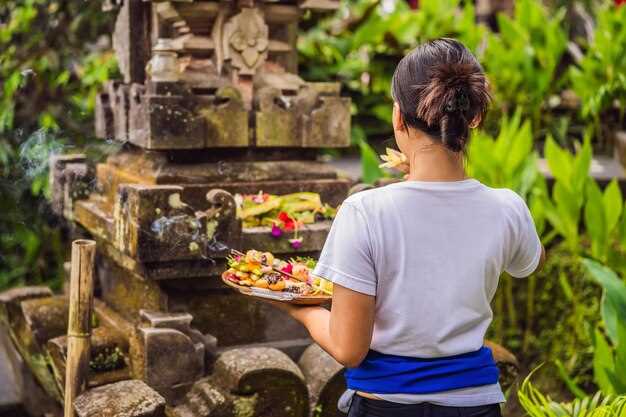
Malaysia's artistic landscape is a lively mix woven from its rich cultural diversity. Art has built a bridge between various ethnic groups, including Malay, Chinese, and Tamil communities, showcasing their unique traditions through breathtaking visuals. In urban areas like Kuala Lumpur, art installations near significant landmarks often feature elements borrowed from both local and foreign influences. These crossings of creativity enable artists to express their identities while appealing to foreign audiences who travel to Malaysia seeking a deeper understanding of its culture.
See also: Discover the Wonders of Malaysia.
The various forms of art found in Malaysia include traditional crafts, modern exhibitions, and street art, each reflecting the country's historical and cultural evolution. Temples and mosques often display intricate designs, representing the spiritual heritage of the country. Art competitions, such as those held during festivals like Hari Raya, promote local talent, encouraging artists to showcase their work to both citizens and visitors. This dedication to the arts provides a safe space for creativity to flourish, allowing emerging artists to express their ideas and thoughts freely.
In smaller towns like Muar, local artisans carry on centuries-old traditions, creating unique works that often capture elements of daily life and nature. The combination of traditional crafts with contemporary style exemplifies the dynamism of Malaysian art. As one travels through the country, the varying forms of artistic expression can be seen, from mural-painting competitions to intricate batik clothing. Understanding this journey through creativity not only enhances the appreciation of Malaysia's art scene but also serves as a reminder of the nation's rich history and cultural exchange.
Exploring Traditional Malay Art Forms
The rich mix of traditional Malay art forms is a captivating testament to the culture and heritage of Malaysia. These art forms have been preserved through generations, reflecting the diversity of the country's national identity. From intricate wood carvings to elaborate batik textiles, each expression embodies a unique connection to the creators’ history and surroundings.
One of the most prominent art forms is batik, which involves melting wax and dyeing fabric to create stunning patterns. This technique is not just a craft but a legal form of expression that showcases the creative prowess of local artisans. The best batik pieces are often found in local establishments within bandar areas, where artisans are more accessible to tourists eager to grab authentic pieces.
Additionally, traditional Malay music and dance forms are integral to cultural celebrations. The Gamelan orchestra, rooted in the complex rhythms of Southeast Asia, features gongs, xylophones, and drums, bringing communities together at dawn for performances. These enchanting musical expressions allow visitors to immerse themselves in the narrative traditions of the Malay people, often recounting lively tales of nature and mythology.
In areas like Pahang and Labuan, visitors can witness live performances that highlight regional dialects and dance styles. Each performance is meticulously crafted, reflecting the dynamics and beauty of different settlements. Artists often encourage audience participation, allowing spectators to become part of the lively atmosphere and consume the cultural experience.
Moreover, traditional crafts such as weaving and pottery are significant to the Malay art landscape. These crafts are sometimes showcased at local markets and postboxes, where artisans sell directly to consumers. The variety of items includes beautifully handwoven baskets and intricately designed pottery that showcases the artistic talents of local workers from various backgrounds.
While exploring the mountainous regions, travelers may encounter stunning murals and street art that resonate with both traditional and contemporary themes. Such artworks serve as a bridge connecting the past with the present, inviting discussions on the evolving identity of the Malay culture. Many artists draw inspiration from their surroundings, establishing a dialogue between different cultural denominations and modern influences.
In summary, exploring traditional Malay art forms is an enriching journey that highlights the gorgeous creativity ingrained in the nation's heart. Whether exploring into the intricate patterns of batik or enjoying the lively cadence of traditional music, each encounter leaves an indelible mark. For those who want to fully appreciate this lively mix, planning ahead with maps can ensure no significant art landmarks or events are missed throughout the trip.
The Influence of Colonial Art on Malaysian Culture
See also: Discover Brazil.
See also: Discover the UAE.
The colonial period in Malaysia, characterized by the arrival of foreign powers such as the Portuguese, Dutch, and British, has left a profound impact on its cultural landscape. This era facilitated the introduction of unique artistic styles that have continued to shape Malaysian identity. Whose influence can be seen in various aspects of life, from architecture to everyday crafts, the traces of colonial art are a testament to the country's historical journey.
As the capital of Malaysia, Kuala Lumpur showcases a mix of traditional and colonial architectural styles. Notable buildings such as the Sultan Abdul Samad Building reflect the strong colonial influence, blending Mughal architecture with British designs. Such structures serve as vital cultural sites, attracting tourists and locals alike, who seek to understand the complex history of the nation. The presence of these influences in urban areas highlights the ongoing relevance of colonial art in contemporary Malaysia.
Furthermore, colonial art has manifested itself in the form of decorative arts and handicrafts, often found in local markets. Items that incorporate colonial designs can be bought as souvenirs, showcasing a rare blending of Malaysian and colonial motifs. In states like Perak, bustling markets feature artisans whose traditional crafts intertwine with styles introduced during colonial rule, illustrating a unique cultural synthesis.
In addition to visual arts, colonial influences are also present in Malaysian cuisine. Traditional dishes have evolved by integrating foreign elements, with seafood being a prime example. The culinary traditions reflect a history shaped by various importing cultures, thus enriching the diverse food landscape. Activities such as dining clubs are popular among communities, where culinary exploration serves as a celebration of Malaysia's colonial heritage.
The impact extends to educational systems, with schools in Malaysia incorporating aspects of colonial history into their curriculum, fostering a sense of appreciation for the nation’s diverse roots. Inter-community programs encourage dialogue about these historical influences, creating a stronger communal identity among groups such as the orang-asli and other populations residing within the nation. The ongoing discussion surrounding this cultural aspect is crucial in understanding Malaysia’s multifaceted identity.
While some may view colonial art through a critical lens, others embrace it as part of their national heritage. Initiatives by the government and cultural organizations aim to preserve this unique legacy by providing certification for traditional artisans and promoting local art. As a result, visitors traveling via AirAsia can explore untourist regions where these artistic traditions are still alive, cycling through places like Bintan and Nunukan. Engaging with these art forms offers travelers a deeper insight into the current cultural mosaic that defines Malaysia.
Contemporary Art Scene: Local Artists to Watch
Malaysia's contemporary art scene is a fascinating blend of cultural influences, largely shaped by its diverse population. With a majority of artists being influenced by their roots, the integration of traditional themes with modern techniques has become a hallmark of local artistry. The lively mix of Malay, Chinese, Indian, and indigenous traditions provides a rich mix for creative expression. This region's artists are not only celebrated locally but are also gaining international recognition.
One standout figure in this dynamic domain is Ahmad Fuad Osman. His thought-provoking works often explore into themes of identity, immigration, and belonging. Ahmad's ability to incorporate elements from Malaysia's past, such as the sultan's legacy and the country's struggle for independence, invites viewers to reflect on contemporary societal issues. His work has been showcased in numerous international exhibitions, making him a prominent ambassador of Malaysian art.
- Another talented artist to watch is Yee I-Lann, known for her large-scale photographic installations that capture the complexities of Malaysian society. Her works often critique the racial dynamics prevalent in the country, exploring how these factors intersect with modern life.
- In the area of modern sculpture, Zai Kuning utilizes materials sourced from Malaysia's lush landscapes, including Kalimantan's rich flora. His art often challenges the viewer's perception of nature, creating a dialogue between the environment and contemporary life.
- Additionally, artisanal collectives like Penang’s "Havenplus" have emerged as creative hubs, providing a platform for local talents. These outlets celebrate the diversity of Malaysian art while offering tours and workshops that encourage community participation.
Malaysia's art festivals serve as the perfect venue for artists to showcase their work. Celebrations of local culture often include art fairs, where national and international talents display their creations. Additionally, with restrictions easing post-pandemic, art enthusiasts can look forward to engaging in events that not only promote art but also stimulate a healthy dialogue among artists, collectors, and the public.
As a result of this thriving scene, many local artists have begun to receive greater financial support. Initiatives from the Ministry of Culture and Arts for creative grants and sponsorships are empowering artists to drive their projects, enabling them to create without the financial limitations that many traditionally faced. This newfound freedom is leading to the emergence of pioneering works that challenge conventional norms.
In conclusion, the contemporary art scene in Malaysia is a constantly evolving landscape filled with exciting talent. The infusion of international styles, coupled with local traditions, creates a unique atmosphere where creativity can flourish. With the rise of artists such as Ahmad Fuad Osman and Yee I-Lann, and the support from cultural institutions, Malaysia's art scene will undoubtedly continue to impress and inspire both at home and abroad.
Art Markets and Galleries: Where to Buy Unique Pieces
In Malaysia, the art scene is a lively mix reflecting the diverse cultures of the nation. Art markets, particularly found in urban areas like Penang and Kuala Lumpur, provide an accessible way for travelers to explore local talent. When visiting these markets, it is essential to remember to bring cash, as many artists prefer direct transactions over credit. You can discover an entire range of unique pieces, from traditional batik prints to contemporary sculptures made from cassava. The prices vary, costing anywhere from affordable to more expensive, depending on the artist and material used. Make sure to negotiate, as it's a common practice that enriches the experience.
Galleries in regions like Pahang and Perak further enhance the art-buying experience by showcasing limited editions and exclusive exhibitions. Notably, universities often host art shows, acting as portals for local talents to display their work. Heading to these galleries not only aids in purchasing unique works but also in understanding the cultural narratives behind them. For the avid collector, Christmas and Aidilfitri seasons are prime times to find exceptional pieces as artists often create special works during these celebrations. As you start on your journey, keep in mind that every piece you acquire becomes a story, connecting you to the Malaysian landscape, its forests, and the lively language of its artistic expressions.
Participating in Art Workshops: Hands-On Experiences
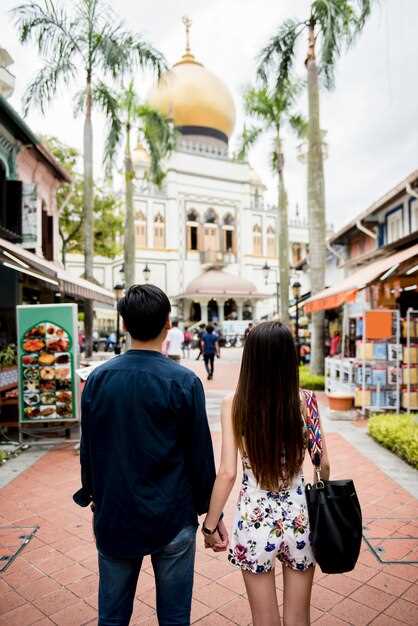
Engaging in art workshops in Malaysia offers a perfect way to explore into the country's rich cultural heritage. From traditional batik painting in Kelantan to modern art classes in bustling Sanda-kan, every session provides an opportunity to explore techniques that are largely indigenous to the region. Wearing a relaxed outfit is recommended, as you will be working with lively colors and materials. A small amount of preparation in advance is necessary, as some workshops may have limited slots that are selected beforehand.
The experience is more than just learning; it’s about connection. As an expat heading to Malaysia, you will be able to interact with locals and artists, gaining insights into their perspectives on art and life. In these workshops, the shared stories can bridge cultural gaps, showcasing how art can be a universal language. The groups are often crowded yet lively, providing an engaging atmosphere that fuels creativity.
Art workshops often take place in areas that reflect the country’s history, like the former Sultanate regions or in towns known for their development in the arts. Here, artists from various backgrounds converge, creating a rich mix of influences. In terms of cost, many workshops are surprisingly cheap, usually ranging from 50 to 200 Malaysian dollars, depending on the duration and materials provided, making them accessible for most travelers.
Cooking classes are another popular option, where participants can learn the intricacies of Malaysian cuisine while improving their artistic skills. These culinary art workshops provide not only a way to create delicious dishes but also to develop an understanding of the country’s diverse culture, which includes Chinese and Muslim influences. Expect to create your own dishes in a friendly atmosphere while negotiating flavors much like how you would negotiate elements of art.
A key takeaway from these workshops is the immersion into different forms of art, from drama to literature. They often feature elements that reflect the country’s geological diversity, encouraging creativity based on the landscapes seen. Participants frequently report a newfound appreciation for what they’ve experienced, often wanting to return to these art hubs again after their initial visit.
Safety is always a priority; thus, well-established workshops operate within government regulations ensuring a secure environment. Be sure to check local reviews or ask around to discover the most reputable options. With ATMs and friendly police presence in crowded areas, obtaining cash for supplies is efficient, allowing you to focus on the art itself instead of logistical concerns. Overall, investing time in art workshops in Malaysia can provide both memorable experiences and practical skills.
Ready to set up your Cyprus company?
Our specialists guide you through the entire process — registration, tax setup, and bank account opening.
Request a consultation →