
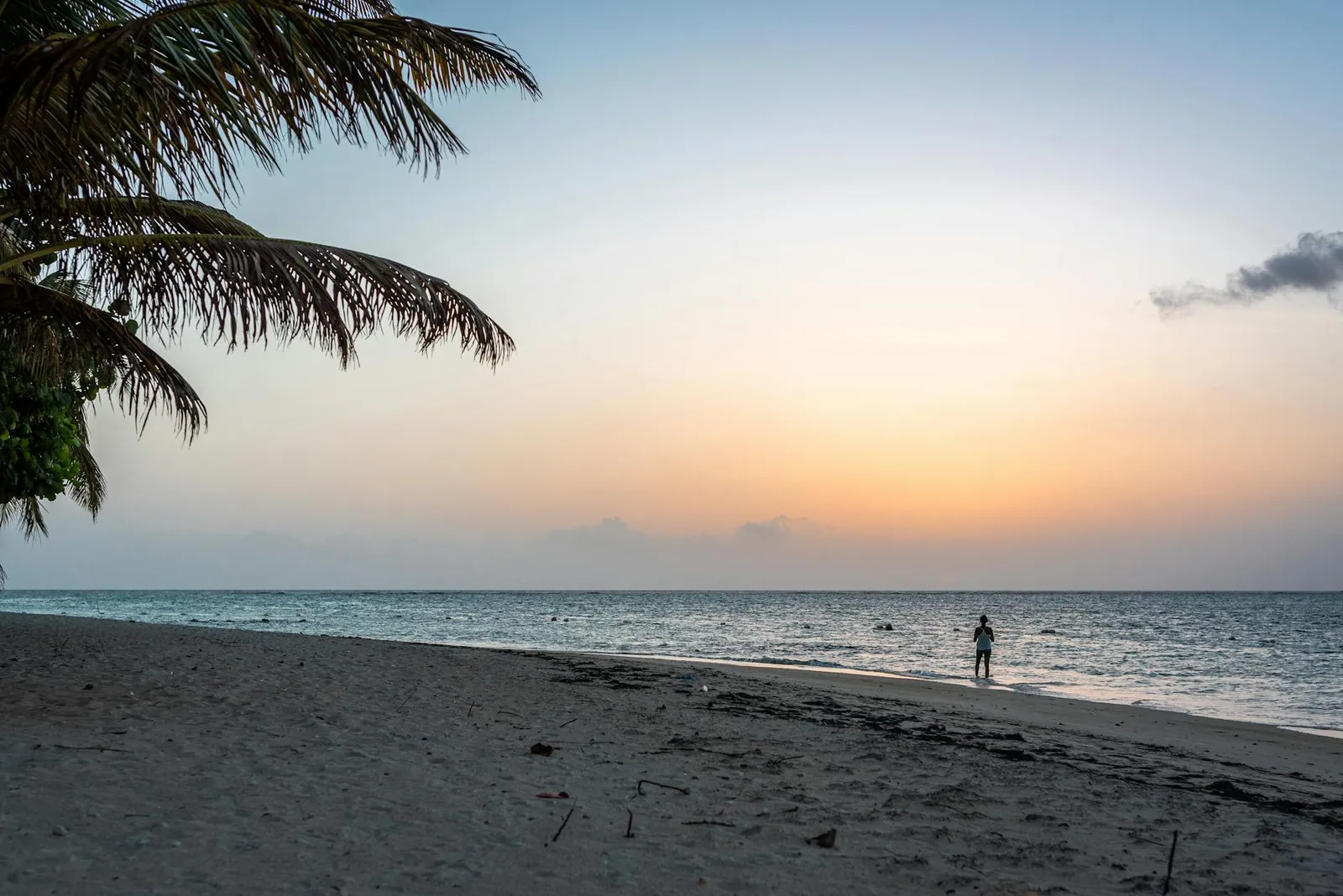
Discover Nevis - A Comprehensive Guide to the Island's Rich Culture, Stunning Beaches, and Adventure Activities
Nevis, a luxurious gem nestled in the Caribbean, is a destination where stunning landscapes and rich history stand harmoniously alongside vibrant culture. Known as "Nieves," the island has seen many transformations since its colonial days in the 19th century, and it continues to be a hub of activity for those eager to experience its unique offerings. The island is not only a paradise for beach lovers with its beautiful shores, but it also boasts a dormant volcano, Mount Nevis, which presents an adventure for thrill-seekers. Visitors can immerse themselves in the lush environment that characterizes this handsome isle, where the perfect mango might just be used to make a refreshing drink at sunset.
See also: Discover Malta.
Each year, the calendar fills with activities and events that celebrate Nevis' rich heritage, from open-air festivals to pottery showcases. Amidst these, you will find the charming town of Charlestown, where pedestrians can explore colonial architecture and local shops. Featuring hospitable establishments like the historic Montpelier Plantation House and the luxurious Four Seasons, Nevis offers a variety of choices for every traveler. Engaging with the local culture often involves savoring traditional dishes that reflect the island’s diverse history and influences, providing a feast for the senses without comparing to similar islands in the region.
See also: Discover the Isle of Man.
Aboard the ferry or a short flight from nearby islands, you arrive at Nevis' small yet welcoming airport, greeted by the sounds of island movement and the sight of hills that have become iconic. As you explore, don't forget to keep an eye out for the ruins of the sugar plantations that once dominated the landscape. These are compelling examples of a storied past that shaped the island. Nevis is more than just a destination; it’s a place that needs to be experienced, inviting you to uncover its secrets and make memories before heading back home.
History of Nevis

Nevis, an island in the West Indies, has a rich history that dates back to its early colonization by the Europeans. The island was initially inhabited by the Arawak and Carib peoples before the arrival of the Spanish in the late 15th century. The island’s lush landscapes and picturesque beaches made it an attractive location for various colonial powers, including the English and the French. Facing the west towards Basseterre, the island became a strategic point in the Caribbean for trade and naval operations.
In the 17th century, the British formally claimed Nevis, and it became part of the Leeward Islands colony. The island was known for its sugar plantations, which thrived during the 18th and 19th centuries. This led to a large influx of enslaved Africans, transforming the demographics and economy of Nevis. The plantation era brought wealth to the island, allowing for the establishment of various businesses and infrastructure, such as pharmacies and markets to meet the necessary needs of the growing population.
Despite the economic prosperity, the social hierarchy remained rigid, with a small number of families controlling the vast majority of wealth. The abolition of slavery in 1834 marked a significant turning point in Nevis’ history, leading to unrest and major changes in the labor system. Many inhabitants sought alternative employment opportunities, contributing to the island's diverse culture and community spirit.
The 20th century saw the emergence of independence movements across the Caribbean, and Nevis was no exception. The island gained self-governance in 1983, as part of the Federation of Saint Kitts and Nevis. The local government has since focused on preserving the island's charm while promoting tourism, particularly its stunning beaches and adventure activities. Today, visitors can experience Nevis through vibrant local clubs, historical village tours, and the lush landscapes that continue to attract people from around the world.
Overall, Nevis boasts a rich history, shaped by encounters between various cultures and the ongoing development of its society. To fully appreciate its past, visitors are encouraged to explore historical sites and engage with the stories that lie within its communities.
Early Inhabitants and Their Impact
The early inhabitants of Nevis, primarily the Arawak and Carib peoples, significantly shaped the island's culture and society. Their arrival in the West Indies marked the beginning of a transformation that has resonated throughout the centuries.
These indigenous populations established small settlements along the coast, taking advantage of the island's rich vegetation and natural resources. Their knowledge of the land allowed them to thrive by cultivating crops, fishing, and engaging in trade with other islands.
Key aspects of their impact include:
- Cultural Exchanges: Through various events and interactions with other tribes, they developed a rich cultural heritage that still influences Nevis today.
- Architecture: The early inhabitants built structures from local materials, which later served as a foundation for colonial buildings that sprung up in the subsequent centuries.
- Agriculture: The introduction of farming techniques paved the way for plantations that would dominate the island’s economy in later times.
Throughout the centuries, Nevis has seen a multitude of changes, including the establishment of colonies that sought to exploit the island's resources. The early inhabitants faced several challenges, including invasions and the impact of European settlement.
Despite these adversities, the legacy of Nevis’ first residents is still evident. Modern agricultural practices, the layout of certain areas, and even local restaurants often reflect traditional cooking methods and ingredients reminiscent of their diet.
Today, visitors wanting to explore this rich history can visit historical sites and museums that offer a deeper understanding of the island’s past. Moreover, the philatelic office showcases stamps depicting significant events related to Nevis' heritage, making it a perfect starting point for those wishing to grasp the island’s story.
As the sun shines over Nevis, and ferries approach the pristine beaches, the deep-rooted culture and history beckon to all who want to feel the connection to the island's early inhabitants. In August, several festivals celebrate this heritage, inviting all populations to partake in traditional music and dance.
In summary, the early inhabitants of Nevis not only established the foundation for its culture but also influenced the island’s development in various aspects. Their spirit undoubtedly continues to flourish, making Nevis a wonderful destination for those seeking both adventure and a glimpse into the past.
Colonial Era: Changes and Developments
The colonial era on the island of Nevis marked a significant transformation in its history, beginning in the 17th century and extending into the 19th century. This period was characterized by the establishment of plantations and the introduction of various crops, significantly impacting the local economy and demographics.
During the early years of colonization, Nevis was primarily used for sugar production, which became the backbone of its economic activities. This shift gave rise to a change in population dynamics, as enslaved Africans were brought to work on the plantations. By the 19th century, the island's population had started to diversify, as evidenced by various records indicating a shift in cultural influences.
- The first hotels appeared on the island in the 19th century, catering to tourists who sought a warm and breezy escape.
- Access to the island improved, with the establishment of a post office, which facilitated communication and trading.
- Nevis became known for its stunning beaches surrounded by lush vegetation, attracting those interested in leisure and activities like diving.
- Additionally, small dining spots, referred to as "snackettes," began to emerge, serving local cuisine and creating a bustling food culture.
James Hamilton's efforts to modernize the governance structure introduced new regulations and led to the establishment of various government offices, influencing the island's development. The economy itself, while primarily focused on sugar, began to slowly incorporate other agricultural items, showcasing the adaptability of the local populace.
Events and cultural features during this period showcased the richness of Nevis's heritage, blending African, European, and indigenous influences. A good example of this cultural amalgamation was the celebration of festivals that reflected a mix of traditions, creating a vibrant atmosphere on the island.
In general, the colonial era set the foundation for Nevis’s later developments, influencing its social structure and economy. Although the challenges of the time were significant, the resilience of the local communities led to a rich legacy that can still be felt in today's Nevis.
Role in the American Revolution

Nevis, a small island in the Caribbean, played a unique yet understated role during the American Revolution. Before the onset of the conflict, the island was primarily a colonial agricultural estate, notorious for its sugar production. The lush landscape and favorable climate attracted many settlers, some of whom became integral to the revolution not just as spectators but as participants.
The Nevisian society, with its blend of indigenous Indian cultures and colonial influences, was mostly composed of hustlers who adapted quickly to changing circumstances. Many residents were free men and women who had the skills and resources to support revolutionary ideas and movements. As unrest grew in the American colonies, rebellious spirits also found their way to Nevis, where the brewing tension ignited conversations about independence.
One notable figure connected to Nevis was Horatio Nelson, born into a family with strong ties to the island. His career as a naval commander was emblematic of the changing tides in the Caribbean and the broader world. Nelson's strategies became highly regarded, especially as battles unfolded against the backdrop of American desires for autonomy from British rule.
The island's strategic position in the West Indies provided a crucial ground for British naval operations during the revolution. Events occurring on Nevis, including the arrival of ships and supplies, were documented in records that would later be compiled in encyclopedias and historical books detailing the war. Though the island may have seemed remote, it was a pivotal point for supply lines and communications.
The beaches of Nevis, often frequented by travelers seeking adventure, also held historical significance. Each beachfront restaurant and rural village where locals gathered became a nexus of cultural exchange. Discussions at these establishments often revolved around the revolutionary calendar, plans for uprising, and ambitions for freedom. Such informal gatherings contributed to the dissemination of revolutionary ideas among the population.
However, not all was tranquil in Nevis. The tensions from the American Revolution reached the island, prompting some islands in the region to become more militant. The need for safety was paramount, and the Nevisians quickly organized, creating a network of support that facilitated the flow of intelligence and aid to advancing revolutionaries elsewhere in the Caribbean.
In summary, while Nevis may not be the first island that comes to mind when discussing the American Revolution, its contributions through people, resources, and strategic advantages played a noteworthy role. The island's involvement in the broader narrative of independence continues to be a topic worth exploring for those embarking on a trip to learn more about its rich history.
Nevis' Path to Independence
Nevis, a small island in the West Indies, has a unique historical journey towards independence. The island, known for its stunning beaches and rich culture, was primarily influenced by its early inhabitants–the Arawaks and Caribs, who were the original settlers.
In the early periods, Nevis' economy hinged on sugar cane production, which became the main source of wealth for the island’s inhabitants. The sugar plantations required extensive labor, leading to the importation of enslaved Africans, who formed a significant part of the island's population. After the emancipation of slaves in the 19th century, the demographic landscape of Nevis began to change, resulting in a diverse society where families from different backgrounds lived together.
Nevis' push towards independence started in the mid-20th century, reflecting a broader trend across the Caribbean. As global attitudes toward colonialism shifted, locals sought to establish their own governance. In the early 1980s, after decades of British colonial rule, Nevis began to assert its desire for self-governance. Although it was part of the Federation of Saint Kitts and Nevis, the citizens of Nevis were looking for a more distinct identity.
In 1983, Nevis achieved its own internal autonomy within the Federation. This milestone marked a significant transition in the island's political landscape, allowing it to forge its path while remaining linked to its mother federation. Residents began to embrace their heritage and culture, leading to tourism initiatives that showcased Nevis' natural beauty and historical significance.
The island offered a variety of attractions for tourists, including luxurious resorts and atmospheric houses that tell the story of its past. Local businesses thrived, with offerings ranging from traditional Caribbean grills to upscale dining experiences. As awareness grew, tourists flocked to Nevis, driving the economy and providing financial benefits to local families.
| Key Events in Nevis' Path to Independence | Year |
|---|---|
| End of Slavery | 1834 |
| Formation of the Federation | 1884 |
| Achieving Internal Autonomy | 1983 |
| Declaration of Independence | 1983 |
Today, Nevis remains a vibrant destination that combines its rich history with modern amenities. Through a perfect blend of cultural preservation and development, the island stays true to its roots while eagerly welcoming visitors. Strong contacts within the tourism sector and a variety of accommodation options–from basic to luxurious–ensure that tourists have a good experience while exploring the island's heritage.
For travelers looking to immerse themselves in this warm and welcoming island, Nevis offers an escape that is not only relaxing but also steeped in heritage. With its historical significance still evident, the journey to independence continues to shape the identity of Nevis and its people.
Modern Era: Cultural Resurgence and Preservation
The island of Nevis, with its lush mountainside and rich history, has seen a significant cultural resurgence in the modern era. Efforts to preserve the colonial heritage and promote local traditions have gained momentum, as residents embrace their unique identity amidst globalization. Events throughout the year, such as the Oualie Festival, showcase the island's vibrant culture through music, dance, and culinary experiences that highlight local ingredients and home-made delicacies.
See also: Discover Hungary.
The historical significance of Nevis's architecture cannot be understated. Many wooden houses and estates, built during the 19th century, have been carefully restored, providing a glimpse into the island’s colonial past. These examples serve as a foundation for educational initiatives at local museums, where visitors can explore the island's rich tapestry through various records and artifacts.
Tourism is now intertwining with cultural preservation on Nevis. Luxurious cottages and resorts, designed to blend into the landscape, attract visitors eager to experience the island's natural beauty without compromising its ancient customs. The driving forces behind this movement include local groups committed to sustainability and preserving the island's traditions while inviting travelers to participate in the culture.
As Nevis approaches challenges in modern times, its people have actively taken steps to ensure that their cultural identity remains intact. With initiatives that include driver training programs for local tour guides and the introduction of customs that engage visitors, the island continues to maintain a strong connection to its roots. The community’s efforts not only promote cultural pride but also contribute to the economic growth, especially with more tourist-friendly restaurants and clubs opening their doors.
This cultural renaissance on Nevis reflects a broader movement across the Caribbean, striving for a balance between modernization and heritage preservation. As the island continues to evolve, its inhabitants are dedicated to giving back to their community and preserving the rich West Indian culture for generations to come. Through workshops, cultural events, and educational programs, Nevis stands as a prime example of how a small island can embrace its heritage and thrive in the modern era.
Ready to set up your Cyprus company?
Our specialists guide you through the entire process — registration, tax setup, and bank account opening.
Request a consultation →