
Discover the Beauty and Culture of the Cook Islands - Your Ultimate Travel Guide
The Cook Islands, a stunning collection of tropical islands within the South Pacific, are a true treasure for travelers seeking a unique and enriching experience. This self-governing territory, part of the New Zealand Commonwealth, offers breathtaking landscapes, lively culture, and warm hospitality. Arriving in the main center of Avarua is the perfect gateway to explore the enchanting motus and pristine beaches that define island life.
Every part of the Cook Islands has its own charm, from the lively endeavors in Rarotonga to the tranquil shores of Muri. Tourists can engage in an array of activities that highlight the growth of eco-tourism, with opportunities to experience traditional Māori customs and witness endemic bird species thriving amidst lush greenery. The islands are not only a paradise for beachcombers but also boast some of the richest marine biodiversity in the region, making them a haven for divers and snorkelers.
When planning your trip, it is essential to consider the various accommodation options available, ensuring a comfortable stay while enjoying the scenic beauty. As you start on this journey, be mindful of the consequences of ocean hazards, and always prioritize safety while exploring these cherished waters. Booking your flights and accommodation well in advance is advisable, especially during peak months when visitors are likely to flock to these idyllic shores.
From the moment of arrival to your departure, the Cook Islands promise an unforgettable adventure filled with experiences that reflect the rich culture and natural wonders of this fascinating country. With every visit, you’ll find yourself more captivated by the unique charm and warmth of the Cook Islands, a destination that beckons travelers from around the world.
Exploring the Islands
The Cook Islands, located in the South Pacific, offer a unique experience for travelers seeking a blend of natural beauty and rich culture. These islands have become a significant tourist destination, driven by their stunning landscapes and lively communities.
Rarotonga, the largest island, serves as the economic centre, where most of the population resides. The majority of the islanders speak English and the native Cook Islands Māori language, showcasing the islands' cultural diversity. Aitutaki, another popular island, is famous for its beautiful lagoon and unusual sandy motus, making it a must-visit for anyone exploring the region.
- Tourism plays a vital role in the economy, accounting for a significant portion of the GDP.
- As visitor numbers have increased, locals have made considerable efforts to build infrastructure that supports tourism.
- The islands are surrounded by beautiful coral reefs, which provide rich sources of marine life.
The agriculture here revolves around the export of tropical fruit, which has become a key element of the islands’ economy. Residents often engage in small-scale farming, which contributes to the local food supply and also supports the tourism industry.
Due to its strategic location in the Pacific, the Cook Islands have seen immigration growth, resulting in a mixture of British and European influences along with traditional Polynesian culture. This intriguing blend is reflected in the architecture of buildings throughout the islands.
Visiting the villages allows tourists to connect with the locals, who are known for their warmth and hospitality. While exploring, you might witness traditional practices in arts and crafts, which give insight into the islands' rich heritage.
In conclusion, the Cook Islands offer an amazing opportunity for travelers to immerse themselves in both stunning natural beauty and lively local culture. Whether you’re snorkeling at the coral reefs or enjoying a slice of fresh fruit at a local market, your experience here is sure to be unforgettable.
Top Islands to Visit
The Cook Islands consist of several stunning islands, each uniquely representing the culture and natural beauty of this Pacific paradise. Among these, Rarotonga stands out as the most developed island, providing a blend of modern facilities and traditional charm. Visitors can explore its volcanic landscapes, lush greenery, and lively markets, where the local communities showcase their art and crafts.
Next is Aitutaki, renowned for its stunning turquoise lagoon and sandy beaches. This island became famous for its breathtaking scenery, and it is here that many travelers seek to experience the essence of the Cook Islands. Aitutaki is particularly loved for its exclusive resorts and water activities, allowing guests to immerse themselves in the local marine life, including colorful birds and fish.
Another noteworthy island is Atiu, which remains sparsely populated and offers a more authentic experience of island life. The structure of this island community is deeply rooted in traditions, where the local language and customs continue to thrive. Although it is less frequented by tourists, Atiu provides a unique platform to engage with the local people and understand their way of life.
Lastly, there’s the lesser-known island of Mauke, rich in history and natural beauty. The landscape includes volcanic formations and lush greenery, making it an excellent spot for hiking and discovering local flora and fauna. Mauke is often overlooked, but its natural resources and serene environment make it a hidden gem worth exploring.
Each of these islands provides a different perspective on Cook Islands culture and lifestyle. From the bustling markets of Rarotonga to the serene shores of Aitutaki, travelers can find a place that resonates with their spirit of adventure and desire for cultural exchange. Make sure to plan your visit to these islands in September, when the climate is particularly pleasant for exploration.
Must-See Natural Attractions
See also: Discover the Beauty of Bulgaria.
See also: Discover the Beauty of Switzerland.
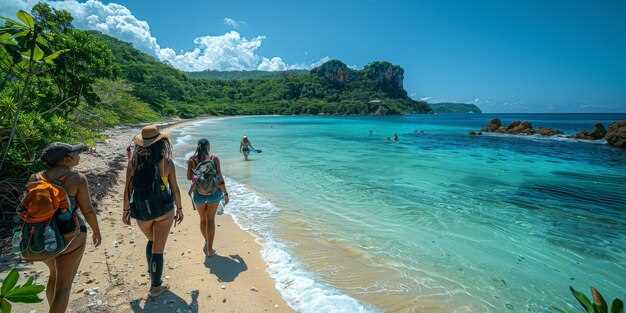
The Cook Islands, a beautiful member of Oceania, are renowned for their stunning natural attractions, particularly the atolls and lagoons that dot the landscape. Aitutaki, often referred to as the crown jewel of the Cook Islands, boasts a larger lagoon that is home to lively coral reefs and abundant marine life, making it a must-see for any traveler. Visitors can explore the breathtaking scenery and partake in various activities such as snorkeling and paddleboarding.
The islands are also known for their traditional culture, deeply rooted in the history of the missionaries who settled here. The natural beauty is further enhanced by the lush landscapes that frame the settlements, where you will find restaurants serving local cuisine featuring fresh fruits and seafood.
Manihiki is another island that showcases the unique beauty of the Cook Islands. Known for its pearl farming, this atoll plays a significant role in the economy and culture of the region. The friendly residents are always eager to share their stories, making your visit an enriching experience.
Throughout your journey, take a moment to appreciate the current of the winds that shape the islands' ecosystems. The islands provide a stunning contrast of turquoise waters against white sandy beaches. With their natural attractions and a population that is deeply connected to their environment, the Cook Islands offer an unforgettable adventure.
You will never regret exploring the beauty and culture of these islands, whether you’re relaxing on the beach or interacting with the locals, ensuring that your trip is as fulfilling as it is picturesque.
Water Activities: From Snorkeling to Sailing
The Cook Islands offer an abundance of water activities that allow visitors to connect with the stunning landscapes and lively culture of the islands. With pristine waters surrounding each island, it is no surprise that snorkeling, sailing, and other aquatic adventures are at the forefront of daily life for both locals and tourists.
Snorkeling in the Cook Islands provides an unmatched opportunity to explore the lively marine life that thrives in these waters. The reefs are home to an impressive array of species, including colorful fish and unique coral formations. Many resorts offer equipment rentals and guided snorkeling tours, ensuring that every visitor can experience the underwater beauty of this Polynesian paradise.
Sailing adventures are also popular among visitors looking to embrace the ocean's splendor. Whether on a traditional vaka (canoe) or a modern yacht, sailing allows guests to enjoy breathtaking views of the islands while feeling the refreshing winds that define the region. Several companies offer charter services, and some even include meals featuring local food, enhancing the overall experience.
These water activities are not only a means of recreation but also play a significant role in the social fabric of the island communities. The population, closely connected to their environment, often participates in these activities as a way to foster community ties and promote the sustainable use of their natural resources. The knowledge shared by locals enriches the experience for visitors, creating a meaningful exchange that reflects the Cook Islands' cultural values.
Furthermore, as the number of tourists continues to grow, the islands face challenges in balancing tourism with the preservation of their unique ecosystems. Efforts are underway to ensure that activities such as snorkeling and sailing are conducted responsibly, with attention to the impact on marine life and the pristine environment surrounding the islands.
Ultimately, experiencing the waters of the Cook Islands is more than just a holiday; it is an invitation to discover the intricate link between the land, its people, and the beautiful aquatic world that surrounds it. Visitors to this tropical paradise can look forward to unforgettable adventures, all while contributing to the protection and promotion of this treasure trove of nature and culture.
Cultural Experiences
The Cook Islands, a self-governing territory in free association with New Zealand, is an archipelago where each island offers unique cultural experiences. The largest island, Rarotonga, is known for its lively communities and rich traditions. Here, travelers can engage in daily activities that showcase the local Māori culture, from traditional dance performances to crafting sessions. These experiences not only highlight the artistic talents of the residents but also foster a deeper understanding of their lifestyle.
Inter-island exchanges play a notable role in the preservation and promotion of Cook Islands culture. Each island, including the smaller ones like Aitutaki and Takutea, has distinct customs and practices that can be explored through organized tours. Visitors have the opportunity to attend proclamations and cultural festivals that celebrate significant events and historical milestones, providing insight into the achievements and challenges faced by the people. The emphasis on family and community is a driving force of these celebrations, reflecting the close-knit ties that bind the local population.
The Cook Islands’ commitment to cultural preservation is further demonstrated through educational efforts aimed at both locals and tourists. Workshops showcasing traditional cooking techniques, such as preparing the famous ika mata (raw fish salad), afford individuals a taste of culinary heritage. Additionally, local resorts offer immersive experiences that allow visitors to learn the indigenous language, providing an intimate connection with the community and their way of life.
Exploring the natural beauty and unique fauna of the islands is complemented by the cultural richness that defines this destination. The daily rhythms of life on the Cook Islands reflect a harmonious blend of tradition and modernity. As you move from ocean to inland, you will find that the personal stories of the residents contribute immensely to the island's allure. Engaging with the locals not only enhances your travel experience but also helps sustain the cultural fabric of this remarkable region of the world.
Traditional Festivals and Celebrations
See also: Discover the Enchanting Beauty of the Cook Islands.
The Cook Islands, an archipelago in the South Pacific, celebrate a variety of traditional festivals that reflect the rich culture and heritage of the local people. These festivals often showcase the blending of Māori traditions with influences from European settlers and New Zealanders. Festivals here serve as a vital source of community bonding and cultural exchange.
One prominent festival is the Te Maeva Nui. This annual celebration marks the Cook Islands’ self-governance as a territory in free association with New Zealand. It takes place over several weeks in August and features lively performances that include traditional dance and music. These events highlight the significance of Māori culture, as well as the rich storytelling traditions that are central to the islands' history.
Another important celebration is the Cultural Festival, which occurs on Rarotonga and gathers local participants from various islands to showcase their unique customs. During this event, there's a focus on inter-island exchange, where different communities share their cultural practices, traditional crafts, and local goods, fostering a sense of camaraderie among residents.
Throughout the year, the local population observes various Christian holidays, reflecting the islands' adoption of Christianity during European colonization. These festivities often involve communal gatherings, special meals, and church services, reinforcing the spiritual beliefs held by many residents.
In addition to these larger festivals, there are also smaller events celebrating specific aspects of life, such as harvest festivals or the arrival of new fishing boats. Local fishermen might host celebrations to honor their trade, where the community comes together to share meals made from the day's catch.
Tourists visiting the Cook Islands can participate in or witness these traditional celebrations, which are often open to the public. This involvement provides visitors with a unique opportunity to learn about the local culture while enjoying the tropical island atmosphere.
| Festival | Location | Time of Year | Activities |
|---|---|---|---|
| Te Maeva Nui | Rarotonga | August | Dance, Music, Food |
| Cultural Festival | Rarotonga | Various Dates | Cultural Exchange, Performances |
| Harvest Festival | Local Islands | Varies | Food Sharing, Community Gatherings |
Frequently Asked Questions
What languages are spoken in the Cook Islands?
The majority of islanders speak English and the native Cook Islands Māori language.
Which island serves as the main economic center?
Rarotonga is the largest island and serves as the economic center where most of the population resides.
What makes Aitutaki a popular destination for visitors?
Aitutaki is famous for its stunning turquoise lagoon, unusual sandy motus, and exclusive resorts.
What are the main economic drivers of the Cook Islands?
Tourism accounts for a significant portion of the GDP, while the export of tropical fruit is also a key economic element.
Which island offers a more authentic and traditional experience?
Atiu is sparsely populated and offers an authentic experience where local language and customs continue to thrive.
Ready to set up your Cyprus company?
Our specialists guide you through the entire process — registration, tax setup, and bank account opening.
Request a consultation →