

Discover the Beauty of Bulgaria - A Comprehensive Guide to Culture, Travel, and Attractions
Bulgaria, a hidden gem in the heart of the Balkans, offers a unique blend of history, culture, and natural beauty. As you explore this fascinating country, you will find that its rich heritage is an important aspect of its appeal. From the vibrant cities of Plovdiv and Kırklareli to the serene villages within the Pazardzhik and Kyustendil areas, Bulgarian craftsmanship can be seen in local изделия, which reflect both a traditional and contemporary aesthetic. These handmade treasures often include intricate designs and flavors reminiscent of its European neighbors, particularly Greece.
The picturesque landscapes of Bulgaria encompass a variety of attractions – be it the stunning views along the Black Sea coast in Созополя or the majestic mountains that rise in the background. Outdoor activities abound here, offering tourists the opportunity to immerse themselves in nature. The government actively promotes the country as a travel destination, ensuring that visitors can enjoy both bustling urban life and the tranquility of rural landscapes.
See also: Discover the Beauty of the Dominican Republic.
See also: Discover the Beauty and Culture of the Cook Islands.
See also: Discover the Beauty of Switzerland.
Whether you are drawn to the lively festivals celebrating the Bulgarian spirit, interested in exploring the historic architecture of Плиска, or looking to savor the local cuisine infused with ingredients such as маслом and воду, Bulgaria provides a comprehensive experience that caters to various tastes. With effective transportation options and well-planned маршрутные guides available online, exploring this captivating country has never been easier. In the end, Bulgaria offers much more than just a vacation; it’s a journey into a world of vibrant cultures, warm hospitality, and unforgettable adventures.
Cultural Insights
Bulgaria’s rich cultural heritage is a result of centuries of development influenced by various civilizations, including the Thracians, Romans, and Ottomans. The blend of these cultures is evident in the country’s traditions, language, and gastronomy. Artifacts discovered from the Thracian period showcase their sophisticated lifestyle, while monasteries, like Rila and Vidin, reflect the spiritual depth of Bulgarian society.
Traditional Bulgarian cuisine offers a unique taste that resonates with locals and visitors alike. Dishes like sarma, stuffed cabbage leaves, and savory pastries such as banitsa and pie bring forth a gastronomic journey that narrates stories from centuries ago. The flavor profile is robust, with influences from neighboring countries like Serbia and Macedonia, showcasing the interconnectivity of the region.
- Religious Heritage: Bulgaria is home to numerous churches and monasteries, where many significant events transpired throughout the centuries. The monasteries preserve artistic treasures and provide a glimpse into the nation’s spiritual core.
- Folklore and Customs: Many Bulgarian villages still celebrate folk traditions, especially during seasonal festivals. Traditional dances and music are vibrant parts of this culture that have persisted since medieval times.
- Cultural Events: The summer months see various festivals honoring local and national heroes, such as the celebration of Saints Cyril and Methodius, who are credited with the development of the Bulgarian written language.
During the communist era, there was a concerted effort to promote Bulgarian culture, resulting in a flowering of artistic expression. While the country has transitioned into a more open society, the legacy of this period can still be seen in theaters and cultural institutions where performances abound. Today, Bulgaria boasts a mix of both modern and traditional artistic forms.
The serene beauty of the Black Sea coastline complements cultural experiences, with seaside resorts attracting tourists looking to enjoy both relaxation and cultural immersion. The proximity to historic sites provides opportunities to explore the deeper history of Bulgaria while enjoying the calm waters.
As Bulgaria continues to develop its tourism sector, it retains a strong sense of identity, informed by its diverse past. The relationship between its historical roots and present-day culture fosters a unique environment that draws visitors from around the globe. Travelers often comment on the harmony between the contemporary lifestyle and the preserved traditions.
In conclusion, Bulgaria stands as a country where ancient history and modern vibrance coexist, creating a tapestry of cultural insights that are both enriching and enlightening. As one experiences the profound spiritual and culinary traditions, the essence of Bulgarian identity becomes more palpable, symbolizing a blend of influences that have shaped this beautiful nation over the centuries.
Whether wandering the peaceful streets of Plovdiv or enjoying a delicious meal in one of the towns along the Danube, the cultural fabric of Bulgaria offers opportunities to connect more deeply with its history, its people, and the landscapes that have defined its journey through time.
Understanding Bulgarian Traditions and Customs
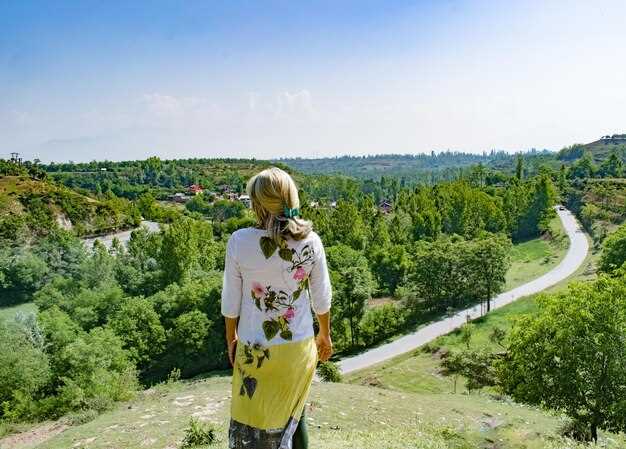
Bulgaria boasts a rich tapestry of traditions and customs that reflect its diverse history and cultural influences. One can trace these customs back to the days of the proto-Bulgarians, who established their identity in the 7th century. Among the most well-known customs is the celebration of the new year, known as "Surva," which features unique rituals aimed at bringing good fortune and driving away evil spirits.
The country's cuisine is another vital aspect of its traditions. Bulgarians take pride in their local ingredients, and dishes like "bryndza" (a type of cheese) and "banitsa" (a pastry filled with cheese and eggs) are staples at family gatherings. Often, these meals are accompanied by homemade rakia, a traditional spirit made from grapes or plums, showcasing the importance of hospitality in Bulgarian culture.
Weddings in Bulgaria are particularly elaborate and colorful. They typically last for several days and involve numerous rituals, such as the "boyko" dance, highlighting the significance of community and family ties. Interestingly, during the Ottoman period, many customs evolved under the influence of the ruling class, bringing unique elements to Bulgarian wedding traditions.
Another significant aspect of Bulgarian culture is its folklore, which is characterized by a wide variety of legends and stories. These often tell of historical events, like the resistance against the Byzantine Empire and later Ottoman rule, showcasing a deep sense of national pride. One legendary figure from this era is the folk hero "Hitar Petar," who represents the cunning and cleverness of the Bulgarian people.
Bulgarian customs also extend to the arts, particularly in music and dance. The unique rhythms and melodies of Bulgarian folk music, which often feature high-pitched harmonies, have gained recognition worldwide. Festivals celebrating traditional music are common, where dancers showcase their skills in vibrant costumes, creating a lively atmosphere.
Religious practices play a prominent role in daily life. The Bulgarian Orthodox Church influences various customs, from family gatherings to public holidays. For example, the tradition of "kyshta," where bread is broken in a ceremonial manner, stems from ancient rituals rooted in respect for family heritage and faith.
In modern Bulgaria, these traditions coexist with contemporary practices. Young Bulgarians may attend international universities or work abroad, yet they often find ways to honor their heritage. Various organizations and cultural bodies are dedicated to preserving and promoting Bulgarian traditions, enabling future generations to maintain a connection to their roots despite the changing world.
The Significance of Folklore in Bulgarian Heritage
Folklore plays a pivotal role in the cultural identity of Bulgaria, serving as a bridge to the past and a means of preserving traditions among the masses. Songs, dances, and tales that have been passed down through generations reflect the country’s history, from ancient Thracian rituals to the medieval glory of the Bulgarian kingdom. Each region, including the famous Pazardzhik and the coastal areas of the Black Sea, boasts its own unique folk practices that celebrate local customs and beliefs, offering a glimpse into the communal spirit of the Bulgarian people.
At the core of Bulgarian folklore lies a deep appreciation for nature and the changing seasons, manifesting in various festivals and culinary delights. The preparation of traditional dishes, such as "печеното" (roasted meat), is often accompanied by folk songs and dances that invigorate family gatherings and celebrations. These practices not only bring communities together but also provide a rich source of inspiration for artists and craftsmen, who draw upon the ancestral tales of heroes and kings, from the reign of Tsar Boris to mythological narratives surrounding the struggles against neighboring nations.
| Folklore Element | Description |
|---|---|
| Traditional Dance | Group performances that symbolize unity and cultural pride, often seen during festivals. |
| Music | Incorporates traditional instruments and melodies that evoke the emotional landscape of the Bulgarian spirit. |
| Tales | Stories that feature moral lessons, historical events, and mythical characters, enriching common knowledge. |
In modern times, the survival of Bulgarian folklore has become increasingly important as a means of asserting national identity in an era of globalization. There is an ongoing effort to promote oral traditions in schools, ensuring the younger generation remains connected to their roots. This cultural revival helps to maintain the passport of Bulgarian heritage, offering a versatile identity that stands strong, even as the Bulgarian Kingdom has long since passed, and the territorial systems have transformed over time. Thus, folklore remains one of the most enduring elements of Bulgarian national heritage, reminding everyone of the tapestry of influences that have shaped this beautiful country.
Local Cuisine: Must-Try Dishes to Experience

Bulgaria's culinary landscape is rich and diverse, reflecting the country's history and cultural influences. One of the most iconic dishes to try is shopska salad, a refreshing mix of tomatoes, cucumbers, onions, and bell peppers, topped with a generous amount of feta cheese. This dish embodies the essence of Bulgarian cuisine, utilizing fresh, local ingredients that thrive in the country's favorable climatic conditions. Enjoying this salad is a must for anyone seeking to understand the food culture of Bulgaria.
Another standout in the Bulgarian kitchen is kavarma, a hearty stew traditionally made with pork, onions, and various spices, slow-cooked in a clay pot. This dish has roots that trace back to the Byzantine period, showcasing the depth of culinary history within the region. The combination of flavors offers a comfort that warms even the coldest winter nights, making it particularly popular among locals in the northern cities like Nikopol.
No visit to Bulgaria would be complete without sampling banitsa, a flaky pastry filled with cheese and eggs, often enjoyed as a snack or breakfast item. This dish comes in numerous variations, with fillings that may include spinach or pumpkin. Banitsa holds a special place in the hearts of Bulgarians, often associated with family gatherings and celebrations, making it a perfect treat for travelers searching for authentic experiences.
For those with a sweet tooth, baklava is a delightful dessert that features layers of filo pastry, chopped nuts, and honey syrup. It's an excellent example of the cross-cultural exchanges throughout the Balkans, with flavor profiles that reflect both local and Mediterranean influences. Enjoying baklava alongside a cup of strong Bulgarian coffee is a popular choice among café-goers in cities like Varna and Sozopol.
As you traverse Bulgaria, you may also encounter tarator, a cold soup made from yogurt, cucumbers, garlic, and walnuts. This dish is particularly refreshing during the hot summer months, providing a cooling effect that is perfect for the heat. It is a staple on Bulgarian tables and illustrates the simple yet flavorful nature of local cuisine, making it an essential sample for anyone exploring the country.
Lastly, don't miss the opportunity to savor Bulgarian wines, which are increasingly gaining recognition on the world stage. Wineries around the country are producing exceptional varieties, particularly from grapes that are indigenous to the region. Pairing local wines with meals enhances the experience of Bulgarian dining and offers insight into the country's long-standing viticulture traditions. Each sip tells a story, much like its famed dishes, revealing the beauty of Bulgaria through its exquisite flavors.
Ready to set up your Cyprus company?
Our specialists guide you through the entire process — registration, tax setup, and bank account opening.
Request a consultation →