

Exploring China - Culture, History, and Travel Tips for Your Next Adventure
China, a landmass that has been home to a myriad of cultures and civilizations for millennia, offers travelers a unique opportunity to explore into its rich history and lively contemporary society. The vast expanse of this great nation, stretching from the deserts of the northwest to the lush landscapes of the southeast, is not just about geographical diversity; it's also a testament to the resilience and strength of its people. In cities like Beijing and Shanghai, you will find a contemporary energy that coexists with ancient traditions, creating a context that is both fascinating and immersive.
See also: Discover the Isle of Man.
When exploring China, one quickly realizes that the quest for knowledge and understanding is never-ending. The country's history has been shaped by significant events, transformative leaders, and cultural innovations that have profoundly influenced not just its own peoples, such as the Han and Tibetans, but also the wider world. From the accomplishments of the dynasties that invented major technologies to the cultural contents found in local districts, each corner of China has a story to tell. A visit to sites along the Huangpu River or in the lively markets of Kowloon can reveal the complexities of urban life and the juxtaposition of old and new.
See also: Discover Hungary.
Traveling in China also means encountering a large variety of ecosystems and wildlife, including unique animal species that call this land home. The great strength of China lies in its ability to embrace modernization while still valuing its heritage; this balance can even be seen in the culinary diversity, where traditional flavors meet modern interpretations. However, to fully appreciate these experiences, travelers should come prepared with knowledge, adaptability, and an open mind. Whether you are planning to explore the polar regions of Tibet or to traverse the bustling streets of Guangzhou, it's essential to understand the local customs and insights that can enhance your journey.
Cultural Insights
China, stretching across millennia, is a landmass rich in diverse cultures, traditions, and history. When exploring the relationship between various regions, one will find that the influence of the coastal areas, like the Huangpu district in Shanghai, has played an essential role in cultural development. The waters of the East China Sea have historically facilitated trade with distant lands, including the Americas, allowing for an exchange of ideas and customs. This cultural blend has shaped the lives of many who call this lively nation home.
Female empowerment has been an essential aspect of China's evolution. Over the years, women have gained resilience in various sectors, influencing societal norms and expectations. While there remains a challenge in attaining equality, many female figures have risen to prominence, officially breaking barriers in politics, business, and arts. These advancements highlight a significant change in the socio-economic landscape, showcasing the impact of progressive policies and cultural shifts in urban areas as well as rural districts.
China's quest for modernization doesn’t come without its struggles. The development of technology and industry often faces resistance from traditional sectors that are ailing and reluctant to transform. Nevertheless, the government actively responds to these challenges by promoting initiatives that bridge the gap between historical practices and modern advancements. In southeastern regions, for instance, local governments have teamed up with private enterprises to create more inclusive economic models that empower all citizens.
| Aspect | Details |
|---|---|
| Historical Depth | Millennia of culture and diverse traditions |
| Female Empowerment | Increasing resilience and influence in various sectors |
| Modernization Challenges | Resistance from traditional sectors amid the development |
| Government Initiatives | Promotion of inclusive economic models |
Understanding Traditional Chinese Festivals
See also: Exploring the French Republic.
China is home to some of the world's greatest traditional festivals, which have been celebrated for centuries. These festivals, deeply rooted in the country's culture, often showcase the resilience and diversity of its peoples. The Spring Festival, also known as Chinese New Year, marks the beginning of the lunar year and is a time for family reunions and grand celebrations. During this period, households are decorated with large arrays of red lanterns and couplets, symbolizing good fortune and happiness in the coming year.
In areas like Beijing and Hong Kong, festivals can stretch across several days, featuring lively parades, lion dances, and fireworks. These events often draw huge crowds, both from within the country and tourists from nations such as America and Myanmar. One of the most notable aspects of Chinese festivals is their ecological significance. With themes celebrating the agricultural calendar, many festivals are designed to honor the plants and crops that sustain the nation, reinforcing the connection between nature and traditional practices.
Additionally, it is essential to understand the origins of these celebrations. For instance, the Mid-Autumn Festival has its roots in ancient moon worship, dating back over a thousand years. During this festival, families gather to enjoy mooncakes and admire the full moon, symbolizing unity and completeness. The cultural richness of these events offers travelers in China a unique opportunity to experience local customs and traditions, creating lasting memories during their adventures across this vast republic.
Key Aspects of Chinese Cuisine
Chinese cuisine is a rich mix woven from its extensive history and diverse geographical regions. Over millennia, it has gained global recognition, not only for its flavors but also for its cultural significance. The basic unit of Chinese culinary philosophy is based on a balance of tastes, emphasizing harmony between sweet, sour, bitter, spicy, and salty, that reflects the deeper values of Chinese culture.
The diversity of Chinese cuisine can be categorized into several regional styles. Among the most notable are Sichuan’s bold flavors, Cantonese dishes known for freshness, and the refined approach of Jiangsu cuisine. In particular, dishes from the coastal areas, such as seafood from Hong Kong, showcase the natural bounty of the sea. Each style has its own unique ingredients and cooking techniques, often influenced by the local geography and climate.
- Northern Cuisine: Hearty and wheat-based; known for noodles and dumplings.
- Southern Cuisine: Rice-centric; often focused on lighter, fresher ingredients.
- Eastern Cuisine: Rich in seafood; coastal flavors dominate.
- Western Cuisine: Features bold flavors and spicy profiles, often reflecting influences from Asia and beyond.
Moreover, the philosophy of food in China often revolves around health and longevity. Traditional Chinese medicine influences cooking methods and ingredient choices, emphasizing the use of plants and herbs to support well-being. For example, certain vegetables are believed to help improve one's qi (energy), while soups are often prepared for their restorative properties.
When exploring Chinese cuisine, it's essential to consider the etiquette and nuances of dining. Meals are typically communal, and sharing dishes is a significant aspect of the experience. Understanding these customs enhances one's appreciation of the meal and aligns with the cultural practices found in many regions of China, including Taiwan and regions bordering Myanmar and Nepal.
In summary, Chinese cuisine is a reflection of its vast culture and history, influenced by regional resources and traditions. As global interest in Chinese culture continues to grow, exploring the variety and depth of its culinary offerings becomes an adventure in itself, proving that food is indeed a powerful expression of identity, politics, and social interaction in the world of Chung-Hua.
Popular Chinese Arts and Crafts
China boasts a rich mix of arts and crafts that have evolved for millennia, reflecting the country's diverse cultural heritage. Among the most celebrated is silk weaving, with its origins dating back to the Shang Dynasty (1600-1046 BC). The process of silk production is intricate, involving the cultivation of silkworms and the careful extraction of fibers, which are then transformed into beautiful textiles. Indeed, silk remains a significant component of China's cultural identity and is highly sought after around the world.
Another prominent art form is pottery, particularly the famous porcelain from Jingdezhen. This city is known as the "Porcelain Capital" for the high-quality wares it has produced for centuries. Potters here master the delicate balance of clay and glaze, resulting in stunning blue-and-white patterns that tell stories of China’s history and mythology. The resilience of this craft demonstrates not only the skill of artisans but also the importance of pottery in daily life throughout Chinese history.
In the area of visual arts, traditional Chinese painting has a special place. Utilizing watercolors and ink on rice paper, these artworks can capture not just landscapes, but also the essence of animals and plants. Artists often draw inspiration from nature, leading to works that seem to stretch across time and space, harmonizing the observer with the natural world. This approach reflects the philosophical underpinnings of Chinese culture, where humans are seen as part of the ecological balance.
Calligraphy is yet another revered art form that has been practiced for centuries. Each stroke of the brush tells a story, revealing the artist's emotions and thoughts. The fluidity and elegance of Chinese characters transform written communication into a poetic expression. Masters of calligraphy are respected figures, with their works often displayed in homes and institutions as symbols of culture, education, and refined taste.
Crafts such as bamboo weaving and paper cutting also highlight the innovation found in everyday Chinese life. Bamboo, a sustainable resource found across southern China, is transformed into intricate baskets, mats, and even furniture. Meanwhile, paper cutting is often associated with festive occasions, showcasing skilled craftsmanship that has been passed down through generations. Both crafts exemplify the harmonious relationship between nature and artistry, integrating practical use with aesthetic beauty.
As global relations evolve, the significance of these arts and crafts continues to grow. Artisans in China are increasingly reaching out to international markets, showcasing their talents in places as far away as America and Europe. This exchange allows for cultural dialogue, bridging the gap between eastern and western philosophies while introducing new audiences to the beauty of Chinese craftsmanship.
In conclusion, popular Chinese arts and crafts serve as a reflection of the nation’s identity, culture, and historical resilience. From the majestic silk weavings to the precision of calligraphy, they provide a glimpse into a rich heritage that spans vast landscapes and diverse traditions. As you start on your journey through China, take time to appreciate these incredible art forms, each a testament to the ingenuity and creativity of the Chinese people.
Historical Landmarks

The historical landmarks of China represent the greatest achievements of human creativity and resilience over millennia. They embody not only the rich heritage of the Chinese nation but also the diverse cultural influences that have shaped the region. Among these, the Great Wall of China stands as a grand symbol of strength and determination, stretching across thousands of kilometers and serving as a testament to the ingenuity of ancient engineering.
In Beijing, the wall traverses various terrains, providing an awe-inspiring backdrop to the dynamic city that thrives with energy. This landmark is more than just a structure; it reflects the historical politics of China, showcasing its ability to unite people against external threats throughout different eras. Visitors often find themselves enthralled by the stories hidden within its stones as they explore its length.
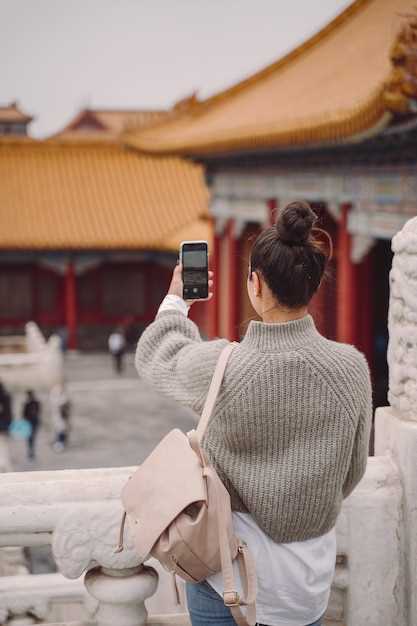
Another significant site is the Forbidden City, which housed Chinese emperors for centuries. This vast complex, with its stunning architecture, is a reminder of the imperial power that shaped much of China's political landscape. It serves as a museum today, attracting millions from across the globe who seek to explore into the rich contents of China's royal past.
Moving beyond the mainland, Taiwan also boasts numerous landmarks that are vital to its identity. The National Palace Museum, which houses a massive collection of Chinese artifacts, illustrates the shared history of Taiwan and the mainland despite ongoing political debates. Such places are essential for understanding the complexities of Chinese identity and culture.
As tourism grows, efforts to protect these landmarks have become critical. Regulations have been enacted to ensure that visitors engage with these historical sites in a responsible manner. This approach strives to mitigate the potential problems of over-tourism, allowing future generations to appreciate their cultural significance.
Further afield, in areas like Zhaosu, nestled within the stunning landscapes of Xinjiang, one can find ancient Tibetan monasteries. These sites offer insight into the fusion of cultures that characterizes China's vast territories, from the deserts of Inner Mongolia to the mountainous regions near Nepal and Kyrgyzstan.
China's historical landmarks are not merely tourist destinations; they serve as an ongoing quest for understanding the evolution of one of the world's oldest civilizations. They remind us of the endurance of human endeavor against the odds, emphasizing that while politics may shift, the cultural legacy remains a polarizing yet unifying force.
As you plan your next adventure, consider the rich mix of China's historical sites. From the bustling districts of modern cities to the serene landscapes of remote regions, these landmarks offer a profound glimpse into the essence of Chinese civilization, revealing the stories of lives lived and a culture that has grown resilient through time.
Ready to set up your Cyprus company?
Our specialists guide you through the entire process — registration, tax setup, and bank account opening.
Request a consultation →