
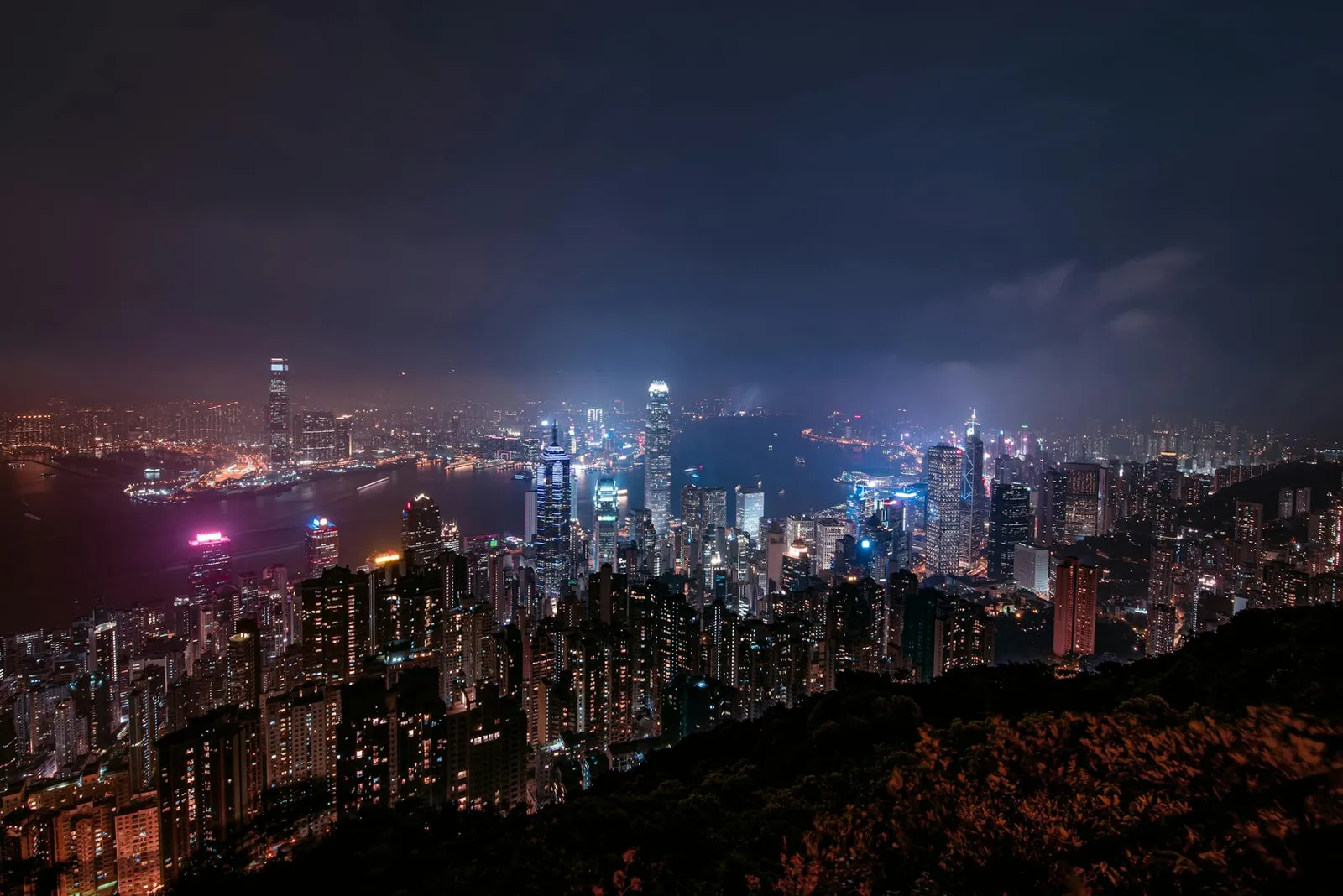
Exploring Hong Kong - Special Administrative Region Insights and Highlights
Hong Kong, a lively city perched on the slopes of the southern Chinese coast, stands as a testament to the harmonious blend of tradition and modernity. Despite its relatively small geographical size, this Special Administrative Region (SAR) covers a vast array of experiences for both residents and visitors alike. As we explore into the current state of Hong Kong's life and culture, it is essential to recognize the ongoing complexities shaped by recent conflicts, illustrating the resilience of its people amidst a backdrop of transformation.
The city's atmosphere is charged with energy, punctuated by towering skyscrapers and bustling streets where groups of local residents seamlessly interact with international tourists. This unique urban landscape serves as a powerful source of inspiration and a gathering place for lovers of art, cuisine, and history. From the lively markets that showcase a myriad of local snacks to the stunning views from Victoria Peak, the chance to experience Hong Kong's charm is limitless.
Hong Kong's transportation network is another highlight, facilitating easy access to various zones across the city. The annual influx of visitors has contributed to a growing interest in understanding the local culture, with statistics revealing a fascinating demographic backdrop. As you navigate this remarkable city, make sure to explore the diverse branches of influence that contribute to its rich mix, from the remnants of British colonial rule to the evolving presence of Putonghua as a common language among its peoples.
In recognizing Hong Kong's resilience and the ongoing attempts at reconstruction, we take a closer look at how its citizens adapt and thrive despite challenges. As we start on this exploration, let us uncover the hidden gems and extraordinary stories that populate this dynamic city, ensuring you can truly grasp the essence of life in Hong Kong.
Unique Cultural Blend of Hong Kong
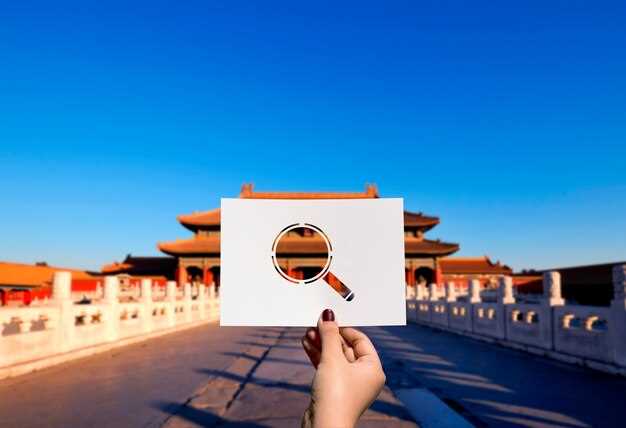
Hong Kong stands as a testament to a unique cultural blend that is the result of its history as a former British colony and its roots in Chinese traditions. The Special Administrative Region, governed by the principles set forth in the Sino-British Joint Declaration, showcases an amalgamation of influences that shape its identity today. This complex interaction of Eastern and Western cultures is most evident in everyday life, where traditions coexist with modern practices, creating an atipical atmosphere that draws millions of visitors each year.
The culinary scene in Hong Kong is a prime example of this cultural confluence. You can find traditional dim sum served alongside gourmet dishes influenced by international tastes. Each meal tells a story of how different civilizations have intermingled through the years, making dining in this city a cultural journey. For instance, a typical morning might start with a Hong Kong-style milk tea, a local favorite that combines British tea culture with local flavors.
Moreover, the architecture of Hong Kong reflects its diverse history. From the colonial-style buildings in Central to the towering skyscrapers in Kowloon, the cityscape is a visual representation of its past and present. The juxtaposition of history and modernity is striking, illustrating how the city has navigated the challenges posed by globalization while retaining its unique identity.
The political landscape of Hong Kong also influences its cultural fabric. Following the recent protests and a significant shift in governance, the dialogue regarding patriotism and identity has intensified. This backdrop adds layers of complexity to Hong Kong's culture, as residents navigate their relationship with the mainland and the legacy of British rule. The social dynamics are intricately linked to the choices made during elections, which can define the direction of Hong Kong’s governance.
In conclusion, the unique cultural blend of Hong Kong is a continuous evolution influenced by historical agreements, geographical realities, and the aspirations of its people. Whether you are standing atop Victoria Peak, enjoying the view of the harbor, or exploring the lively street markets, the layers of culture and tradition become evident. This intricate mix is what makes Hong Kong not only a fascinating financial hub but also a cultural capital of the world.
How Traditional Chinese Festivals Are Celebrated
See also: Discover Hungary.
During traditional Chinese festivals, Hong Kong transforms into a lively showcase of cultural heritage and community spirit. Each year, residents and travelers alike gather to celebrate festivals like the Chinese New Year and the Mid-Autumn Festival, which consist of a series of remarkable events. Visitors can explore local markets adorned with colorful decorations and street performances that highlight the richness of tradition. The festival atmosphere is characterized by the scent of incense and the sounds of lion dance troupes, which are commonly performed at cultural sites across the city. These activities not only display the joy of the community but also attract numerous foreign tourists who wish to experience the essence of Hong Kong's unique blend of East and West.
Moreover, the significance of these celebrations is deeply rooted in the history of the region. The juxtaposition of ancient customs with modern influences emphasizes the national identity while maintaining a strong connection to Hong Kong's sovereignty. As participants engage in the festivities, they often take a moment to reflect on their heritage and the challenges faced in maintaining cultural practices amidst the pressures of globalization. The festivals serve as a reminder of the resilience of the local communities and their determination to preserve their way of life. Understanding these nuances during visits to regions such as Lantau and Guangzhou allows travelers to grasp the geographical and sociopolitical contexts that shape the vibrancy of these events.
Influence of British Colonial History on Local Customs
The British colonial rule in Hong Kong significantly shaped the local customs, blending Eastern and Western traditions. This period introduced new languages, food practices, and legal norms that stand out even today. For instance, the adoption of English as an official language reflects the impact of British governance, while culinary influences can be traced through various fusion dishes found in local restaurants along the Avenue of Stars. Such cultural amalgamations have given rise to unique dining experiences, where traditional Cantonese flavors meet Western culinary techniques.
In regard to social customs, certain traditions were altered or reinforced under British influence. Festivals like the Mid-Autumn Festival now incorporate some Western elements, appealing to both locals and international visitors. Additionally, various organizations host events showcasing a blend of local culture and colonial heritage, fostering a sense of community among residents and tourists alike. Moreover, leisure activities, such as hiking in the lush mountains, have evolved, with many trails being designed to accommodate a broader range of participants, including private tour groups and enthusiasts.
- Legal norms established during the colonial era continue to govern Hong Kong's judicial system.
- Government regulations and taxation policies, such as those pertaining to business licenses, can be traced back to British practices.
- Hong Kong's significant role in international trade has been influenced by its colonial past, making it a bustling center for commerce akin to nearby Macau.
Today, as Hong Kong navigates its identity amidst Chinese sovereignty, the legacy of colonialism persists in everyday life. Traditional customs and modern influences coexist, showcasing a rich mix of cultural history. With the summer season approaching and various festivities planned, locals and visitors alike continue to appreciate the distinct heritage that remains as lively as ever, whether enjoying a beach day or exploring the city's dynamic zones of activity.
Ready to set up your Cyprus company?
Our specialists guide you through the entire process — registration, tax setup, and bank account opening.
Request a consultation →